Nairobi: Mt. Kenya | ®ExcursionMania
Nairobi

Mt. Kenya

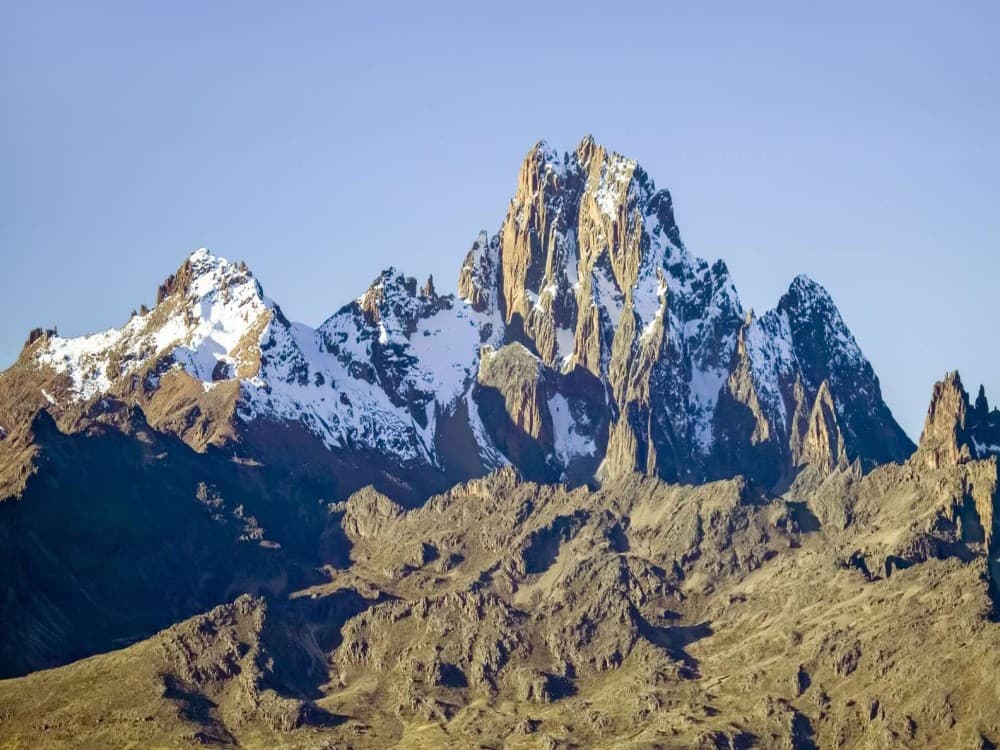
Mount Kenya, Africa’s second-highest mountain, is a majestic landmark rising to 5,199 meters above sea level. Located in central Kenya, this UNESCO World Heritage Site offers a striking blend of jagged peaks, glaciers, alpine vegetation, and diverse wildlife. The mountain is a sacred site for local communities and a popular destination for climbers, hikers, and nature enthusiasts. Whether scaling its challenging peaks or exploring its lower slopes, Mount Kenya provides a thrilling experience amidst breathtaking scenery.

Mt. Kenya Touren und Tickets

img

Nairobi - Kenya

Mt Kenya: Full-day hiking tour from Nairobi

(4.3/5)
(3 Bewertungen)

Day Trips

Guided Tours

+1 weitere

€292.00 / Person

Alles über Mt. Kenya

Was Sie erwartet

Mount Kenya is accessible year-round, though the best climbing conditions are during the dry seasons (January-February and June-September). Entry fees for Mount Kenya National Park are $52 per adult and $26 per child for non-residents, with discounted rates for residents. Multiple routes lead to the peaks, including Sirimon, Naro Moru, and Chogoria, catering to different fitness and experience levels. Climbing Mount Kenya typically takes 3-5 days, depending on the route.

Warum diese Tour buchen

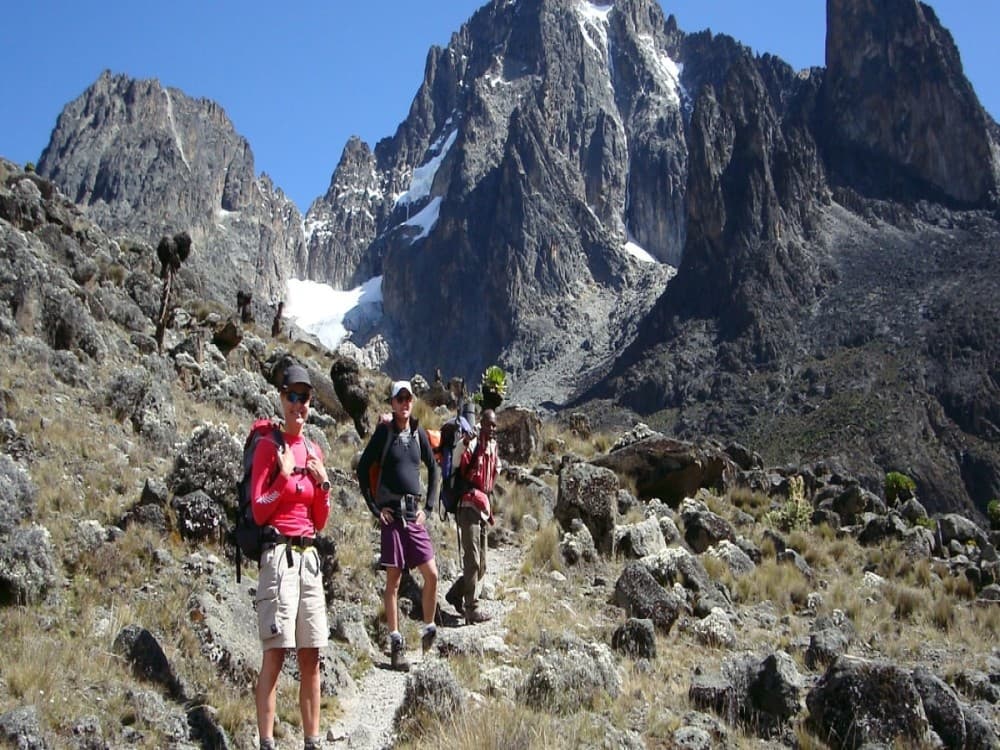
Hiking and climbing require preparation, including warm clothing, sturdy boots, and sufficient water. While the lower slopes are accessible to all, attempting the peaks requires good physical fitness and acclimatization to high altitudes. Hiring a guide or joining an organized trekking group is strongly recommended for safety and navigation. Camping gear and porters can be arranged through tour operators.

Die richtige Tour auswählen

Mount Kenya is approximately 150 kilometers northeast of Nairobi. The easiest access points are Nanyuki and Meru towns, which can be reached by road in about 3-4 hours or by a short domestic flight. From these towns, taxis or private vehicles can take you to the park gates.

Wissenswertes vor der Abreise

The dry seasons, from January to February and June to September, are ideal for climbing and hiking due to clear skies and manageable trail conditions. The rainy seasons (March-May and October-November) are more challenging, as trails can become muddy and visibility limited.