Porto is one of Portugal’s most characterful cities, known for its deep history, strong traditions, and relaxed riverside atmosphere. Sitting along the Douro River in northern Portugal, Porto feels authentic and lived-in, not overly polished or artificial. It is a city where centuries-old buildings stand next to lively cafés, and everyday life blends naturally with tourism. From world-famous wine to historic neighborhoods and scenic views, Porto is known for many things that make it memorable for first-time visitors and rewarding for repeat travelers.
Port Wine and Historic Wine Cellars
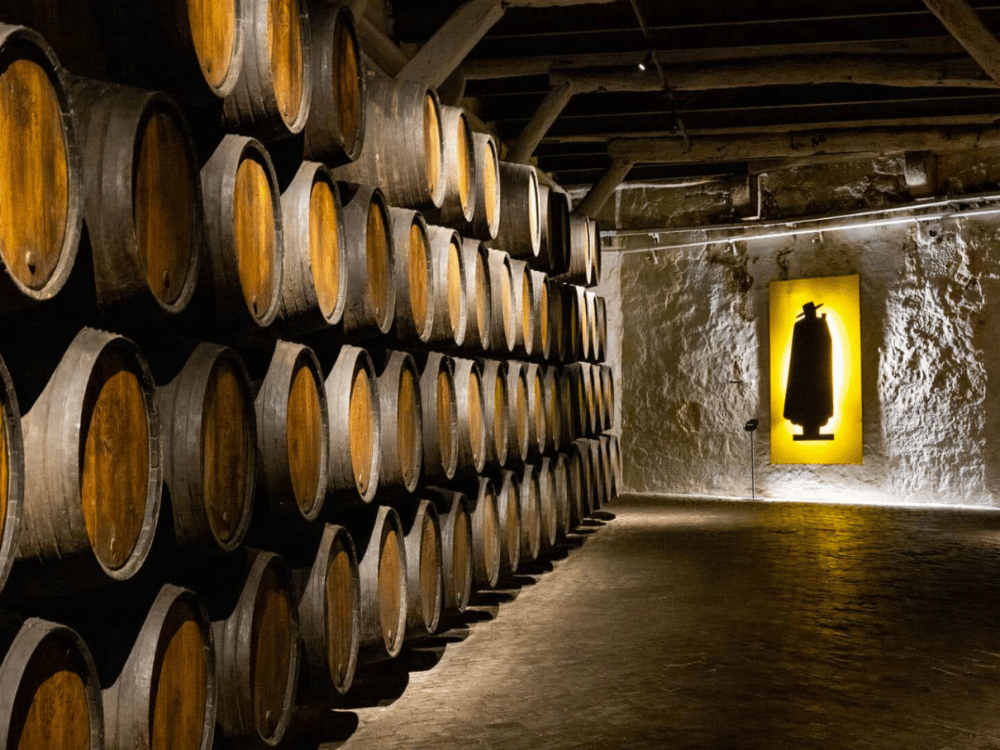
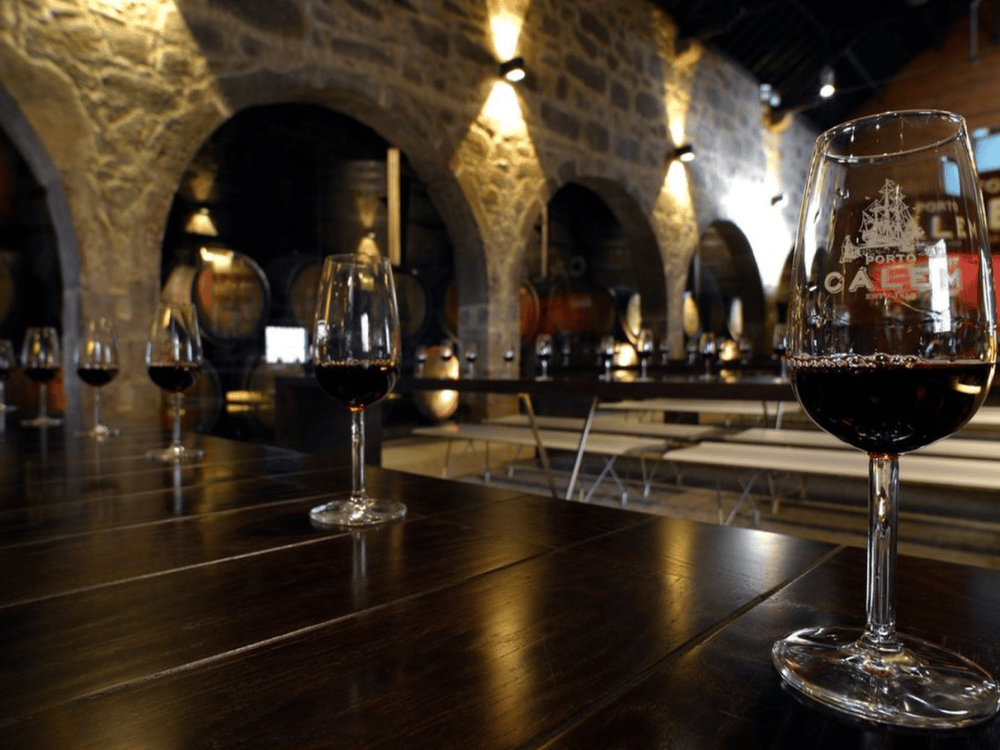
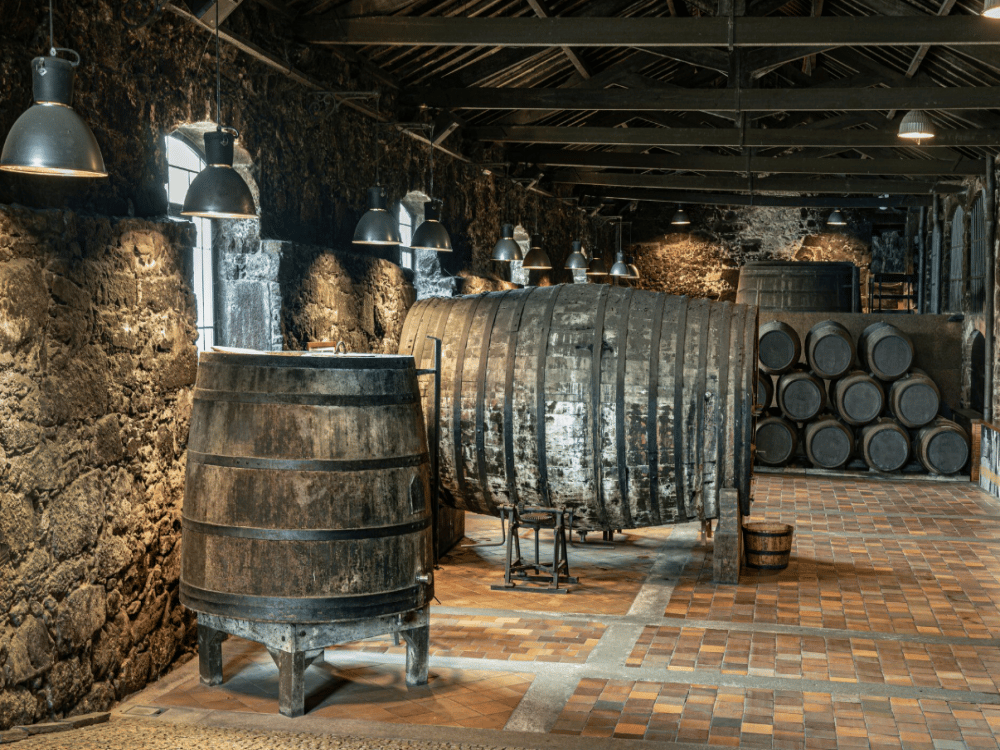
Porto is best known internationally as the birthplace of Port wine. This fortified wine has been produced in the Douro Valley for centuries and shipped from Porto to destinations all over the world. The wine cellars, known as “caves,” are located across the river in Vila Nova de Gaia. Many of these cellars date back to the 18th and 19th centuries and are still operated by well-known producers.
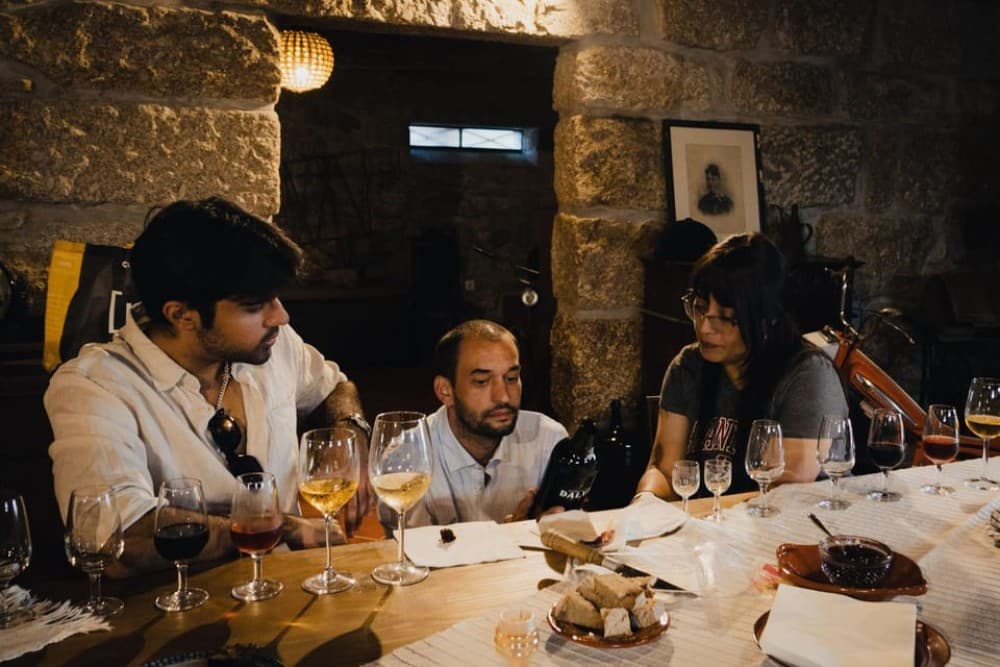
Visitors can tour these cellars, learn about the wine-making process, and enjoy tastings that include ruby, tawny, and vintage Port. The strong connection between the city and Port wine is part of Porto’s identity and history, making it one of the most iconic symbols of the region.
The Ribeira District and the Douro River
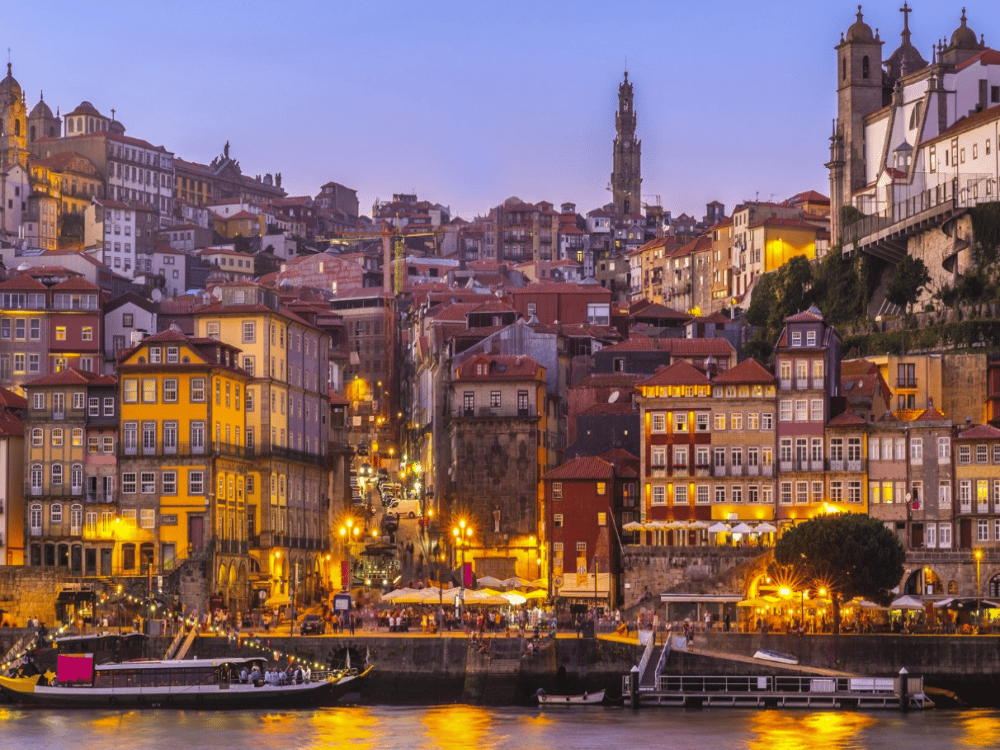
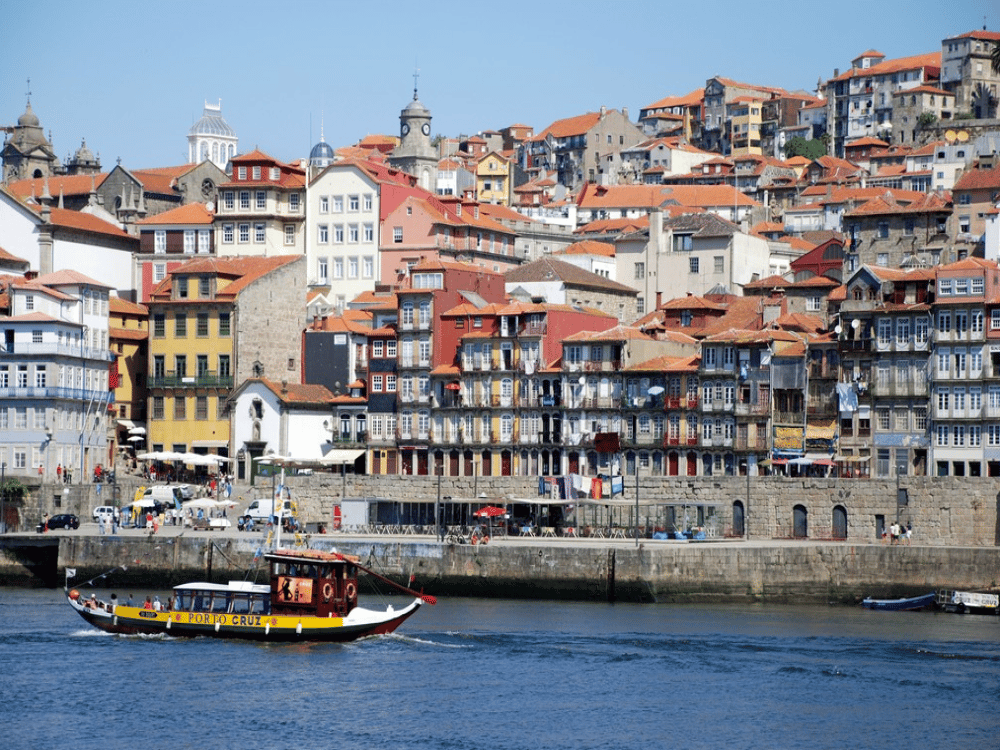
Porto is known for its picturesque Ribeira district, a UNESCO World Heritage Site located along the Douro River. This area is filled with narrow streets, colorful houses, small restaurants, and lively terraces facing the water. Ribeira captures the soul of Porto, where daily life continues much as it has for generations.
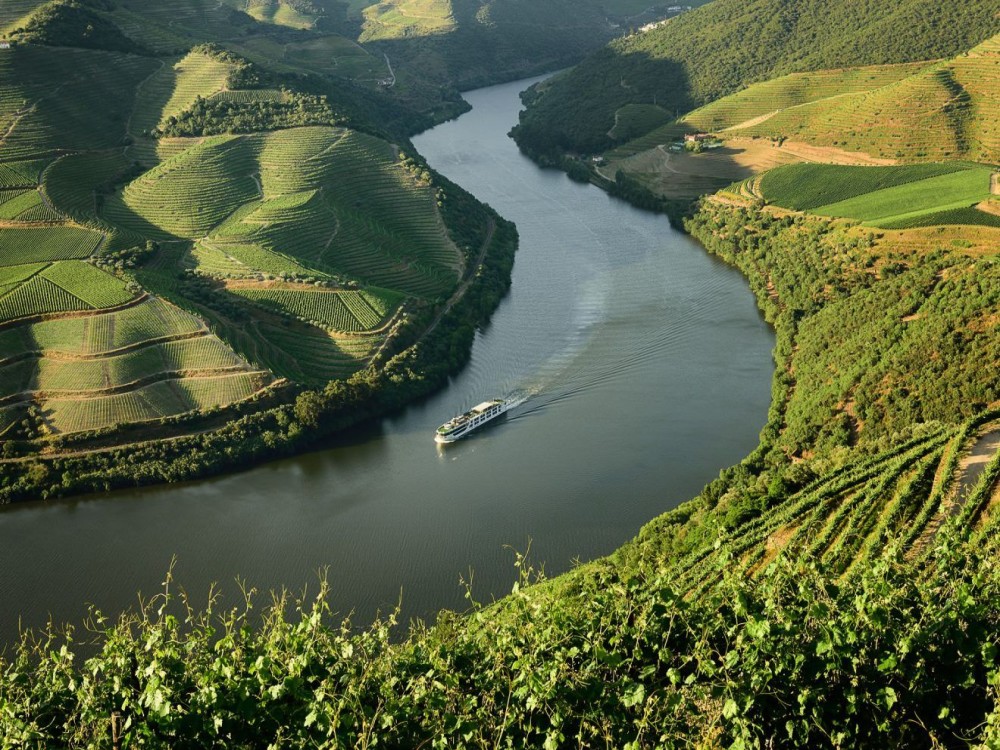
The Douro River itself is another defining feature of the city. Traditional wooden boats called rabelos, once used to transport wine barrels, can still be seen on the water. Today, river cruises offer a relaxed way to admire Porto’s historic skyline and its famous bridges from a different perspective.
Iconic Bridges and City Views
Porto is known for its impressive bridges, especially the Dom Luís I Bridge. Designed by a student of Gustave Eiffel, this iron bridge connects Porto with Vila Nova de Gaia and offers some of the best views in the city. Walking across the upper level is a memorable experience, with panoramic views of the river, rooftops, and wine cellars below.
Other bridges, such as the Arrábida Bridge and Maria Pia Bridge, also reflect Porto’s industrial and architectural heritage. These structures are not just functional but form a key part of the city’s visual identity.
Historic Architecture and Azulejo Tiles
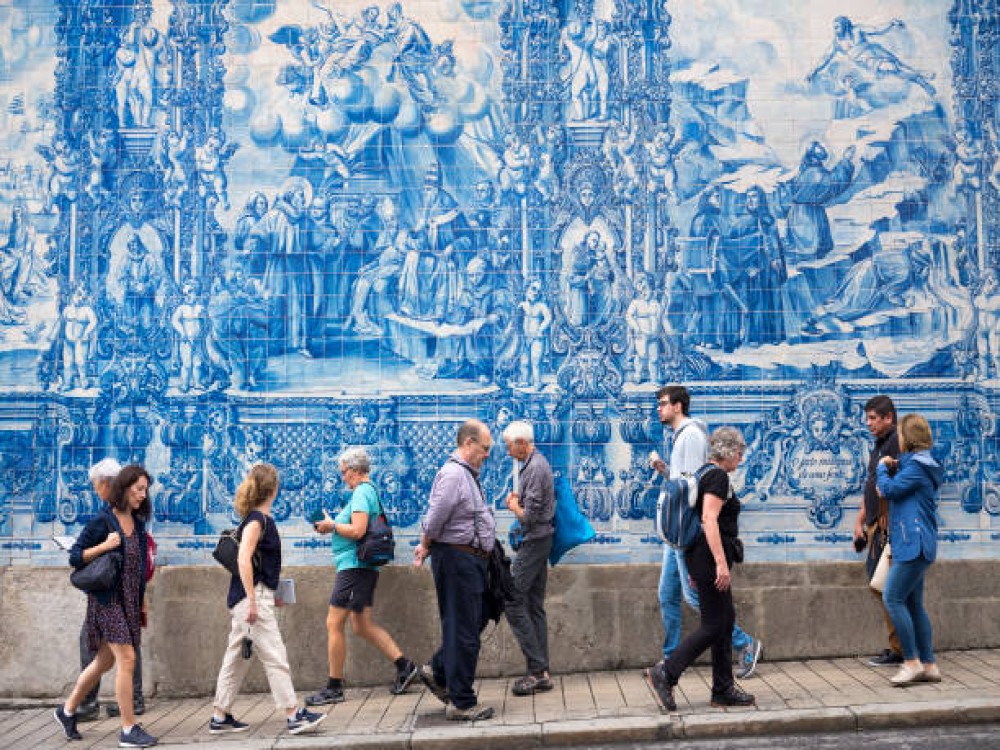
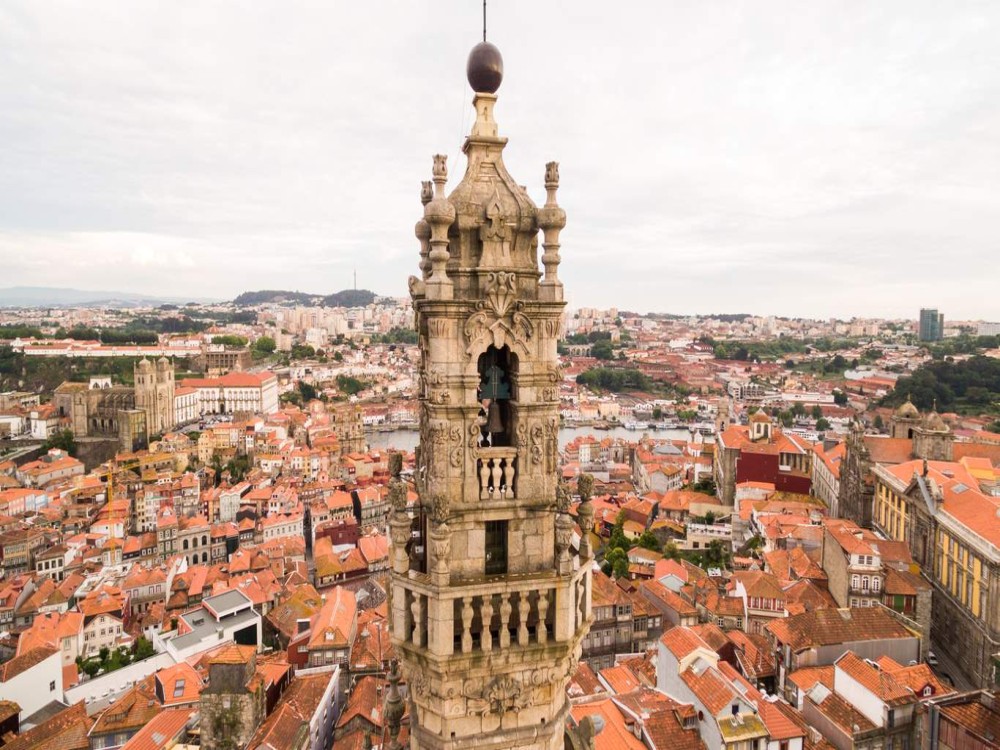
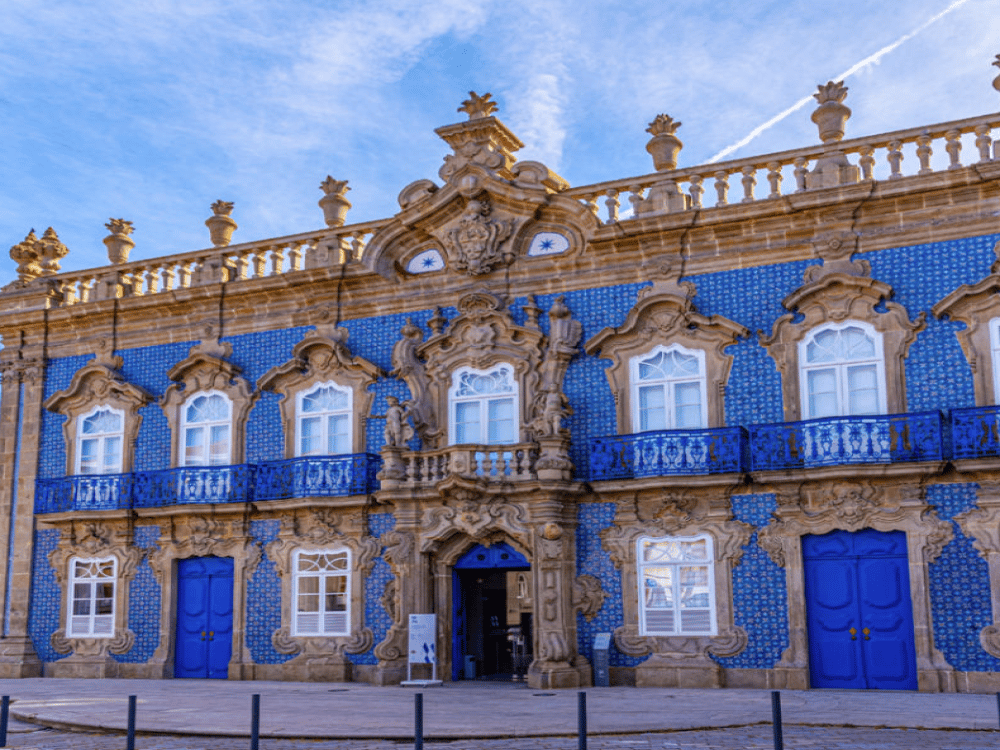
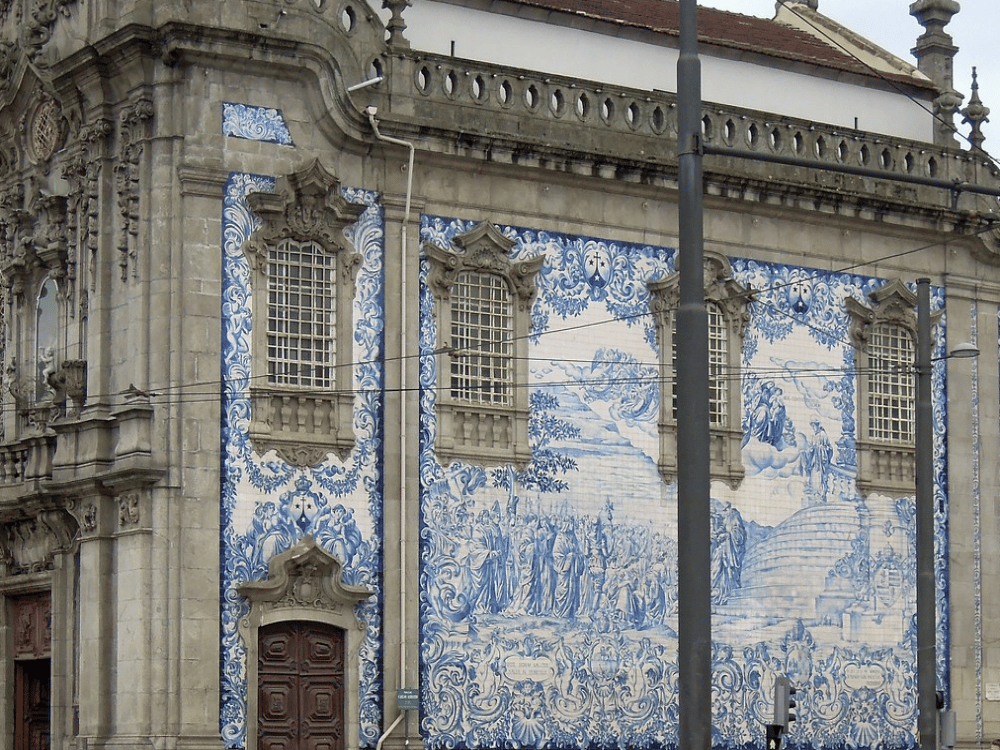
Porto is widely known for its historic architecture, which reflects Roman, medieval, and Baroque influences. Churches, palaces, and public buildings throughout the city showcase detailed stonework and grand facades. One of the most recognizable features is the use of azulejos, traditional blue-and-white ceramic tiles.
These tiles can be seen in many places, including São Bento Railway Station, which is famous for its large tile panels depicting scenes from Portuguese history. The combination of stone architecture and decorative tiles gives Porto a distinctive and timeless appearance.
Traditional Food and Local Flavors
Porto is known for its hearty and flavorful cuisine. One of the city’s most famous dishes is the francesinha, a rich sandwich layered with meats, covered in melted cheese, and topped with a spicy tomato-beer sauce. It is filling, indulgent, and deeply associated with Porto’s food culture.
Seafood is also an important part of local cuisine, with fresh fish and cod dishes commonly found on menus. Porto’s food scene remains authentic and affordable, focusing on tradition rather than trends, which adds to its appeal for travelers looking for real local experiences.
A Strong, Authentic Local Character
Porto is known for the strong character of its people. Locals are often described as proud, hardworking, and direct, with a warm hospitality once visitors get to know them. Unlike some larger European cities, Porto has managed to keep its everyday life visible, even in tourist areas.
Markets, neighborhood cafés, and small family-run shops are still part of daily life. This authenticity is one of the reasons Porto feels genuine and welcoming rather than overly commercial.
Cultural Life and Modern Creativity
While Porto is deeply traditional, it is also known for its growing cultural and creative scene. The city has become a center for contemporary art, design, and music, with renovated buildings now hosting galleries, cultural centers, and events. The Serralves Museum and Park are key examples of Porto’s modern cultural side.
This balance between old and new allows Porto to honor its past while continuing to evolve. Visitors can experience centuries of history alongside modern creativity in a natural and unforced way.
A City That Feels Real
Ultimately, Porto is known for feeling real and grounded. It does not try to impress with luxury or excess but instead charms visitors with honesty, history, and atmosphere. Whether it is the taste of Port wine, the view from a riverfront terrace, or the sound of footsteps on stone streets, Porto leaves a lasting impression through simple, authentic moments.
For travelers looking to understand Portugal beyond postcard images, Porto stands out as a city full of character, tradition, and soul.