Porto is one of Portugal’s most character-filled cities, known for its historic charm, rich traditions, and a strong connection to the Douro River. Often seen as more authentic and laid-back than Lisbon, Porto attracts travelers who want culture, food, wine, and real local atmosphere all in one place. From its world-famous wine to its colorful riverside neighborhoods, Porto has built a reputation that goes far beyond its size.
Port Wine and the Douro Valley Connection
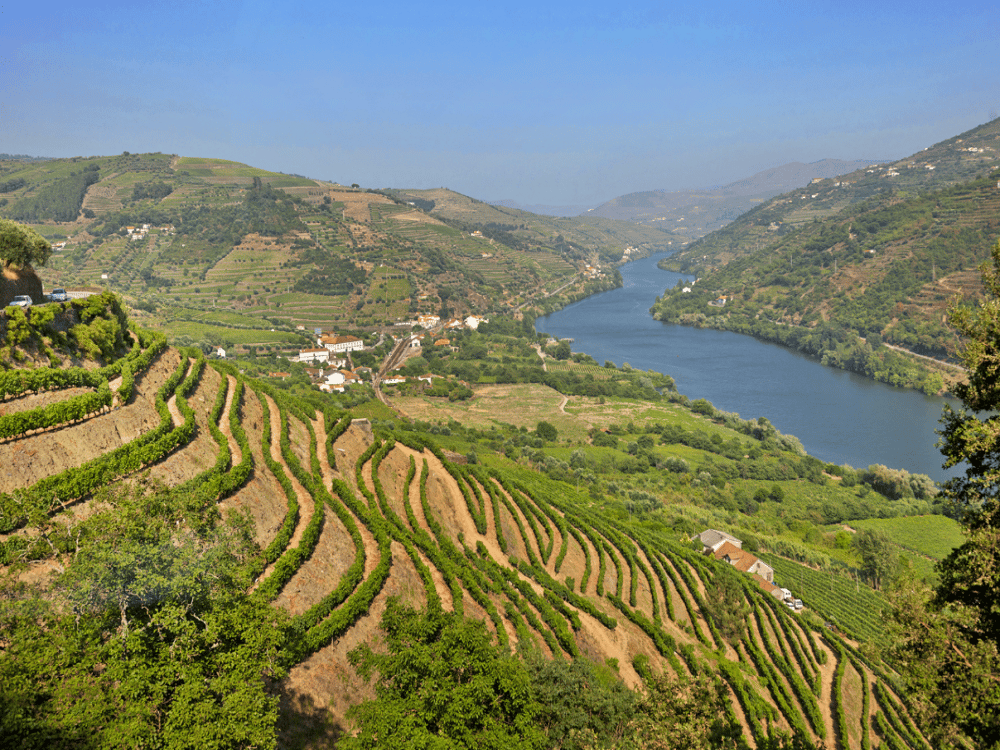
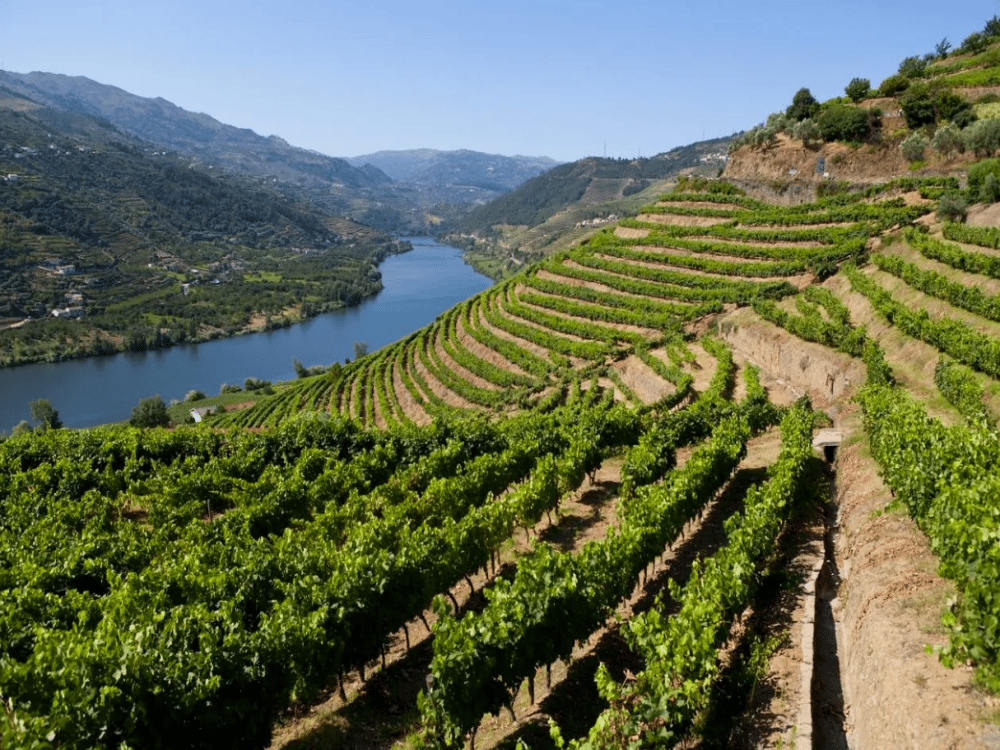
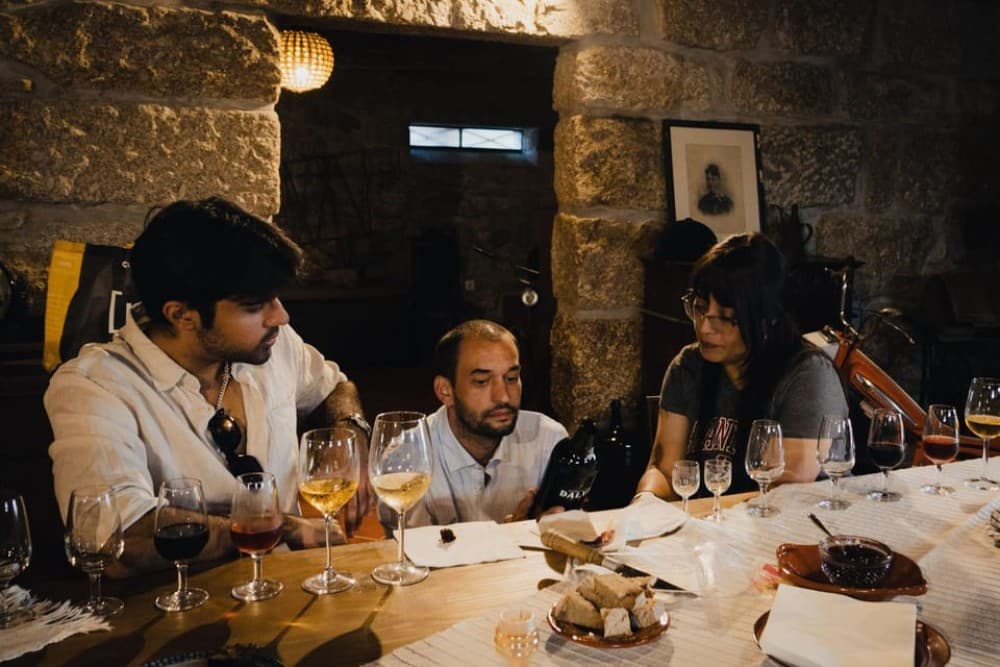
Porto is globally famous as the birthplace of port wine. This fortified wine has been produced in the Douro Valley for centuries and shipped from Porto to markets around the world. The historic wine cellars, known as “caves,” are located across the river in Vila Nova de Gaia. Many of them are open to visitors and offer guided tours explaining the wine-making process, followed by tastings.
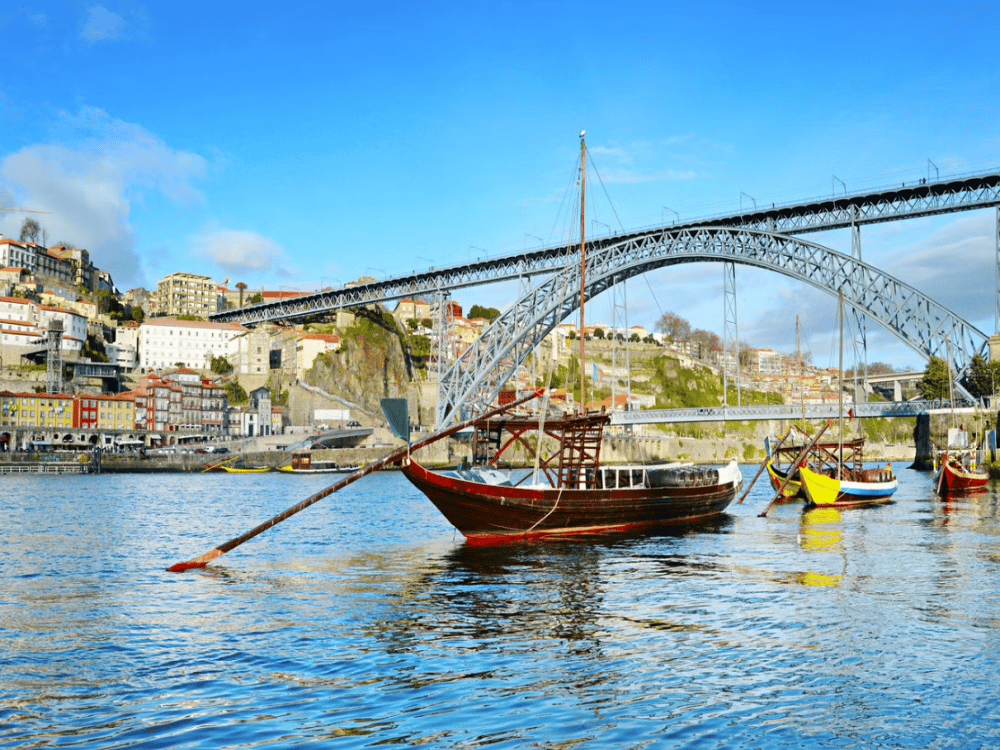
The connection between Porto and the Douro Valley is central to the city’s identity. The river once served as the main transport route for wine barrels coming from inland vineyards. Today, visitors can still take scenic river cruises that tell the story of this long-standing tradition while offering beautiful views of terraced vineyards and historic bridges.
A Historic Riverside That Feels Alive
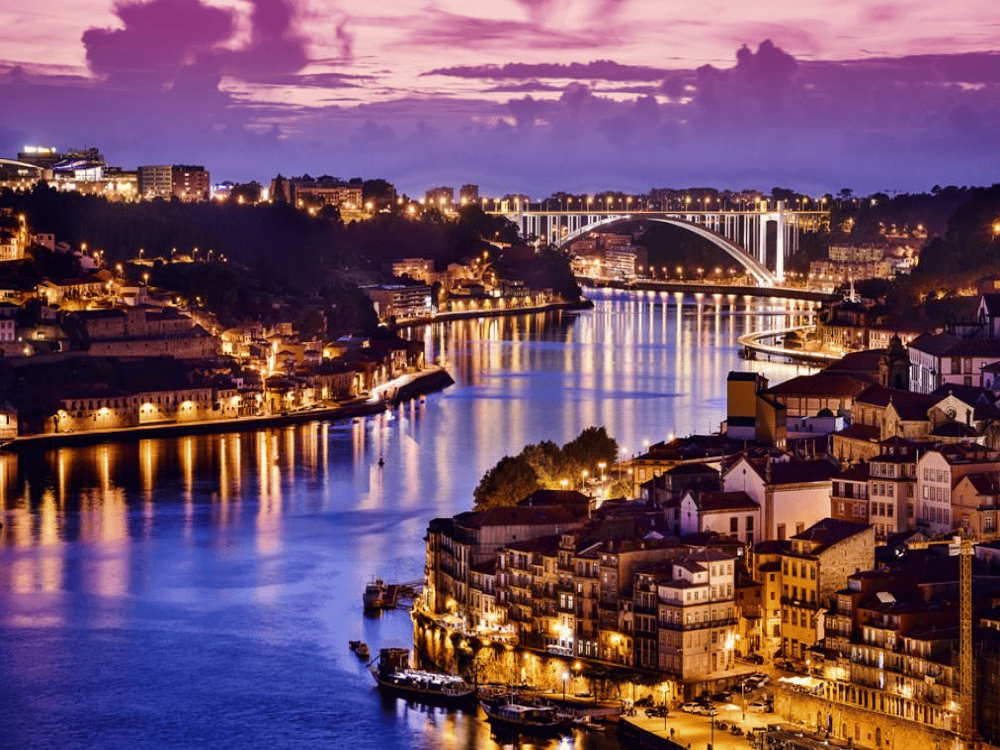
One of Porto’s most iconic areas is the Ribeira district, a UNESCO World Heritage Site. This riverside neighborhood is known for its narrow streets, colorful houses, and lively atmosphere. Walking through Ribeira feels like stepping into a living postcard, where laundry hangs from balconies and locals gather in small cafés.
The area is especially vibrant in the evening, when restaurants fill up and the river reflects the lights from both sides. Ribeira represents Porto’s ability to preserve its past while remaining full of daily life, making it one of the city’s most photographed and memorable spots.
Stunning Architecture and Azulejo Tiles
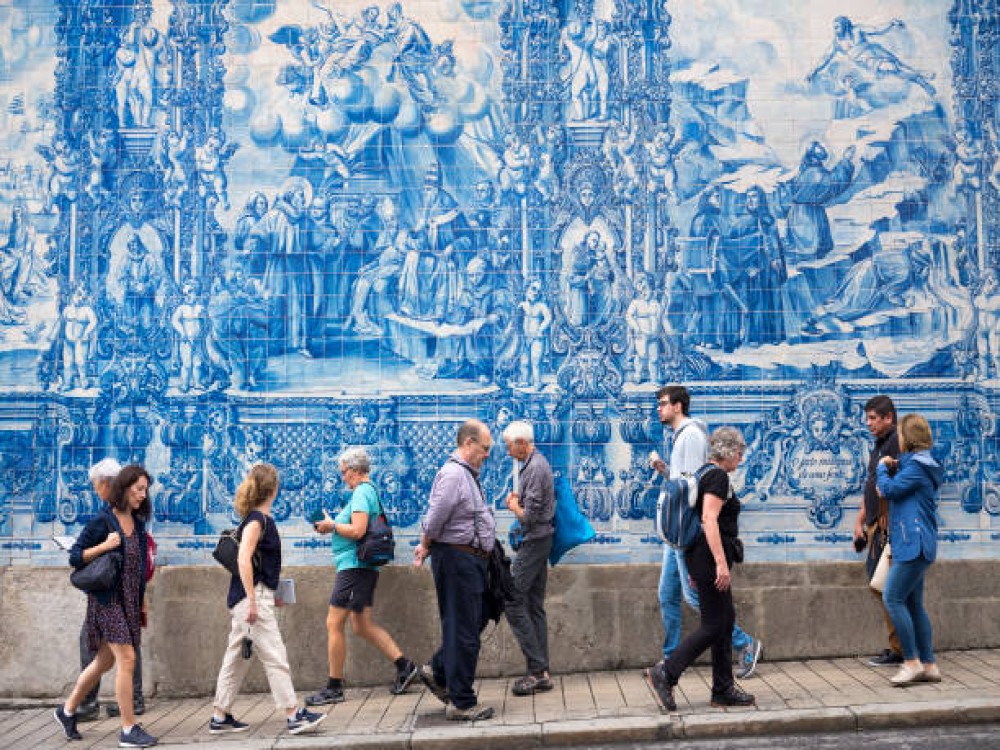
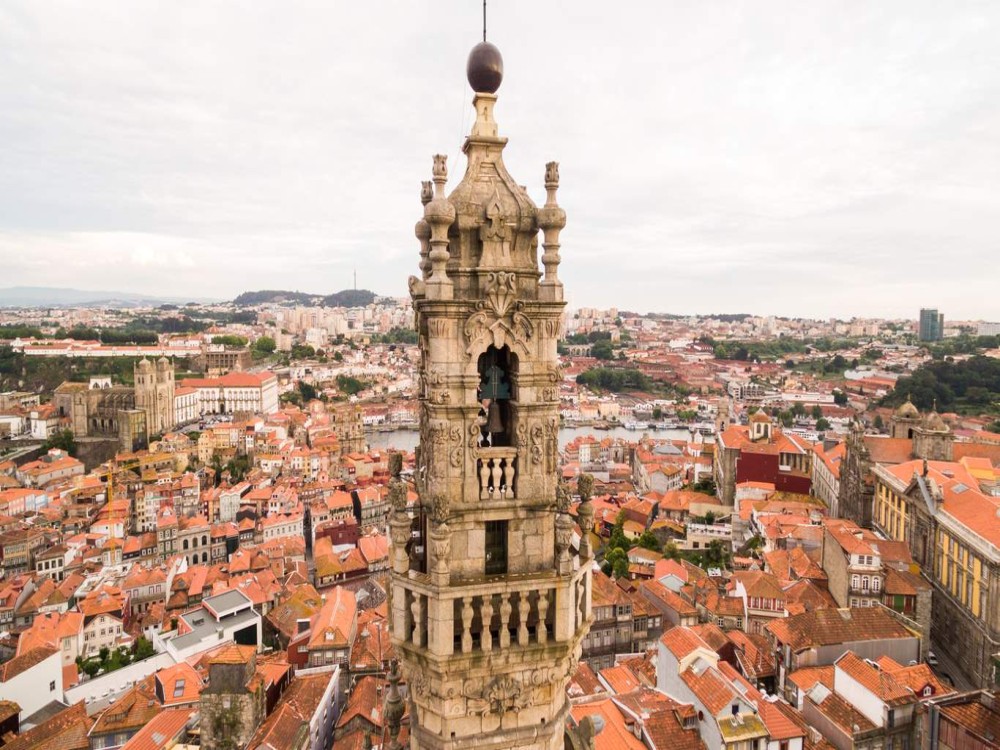
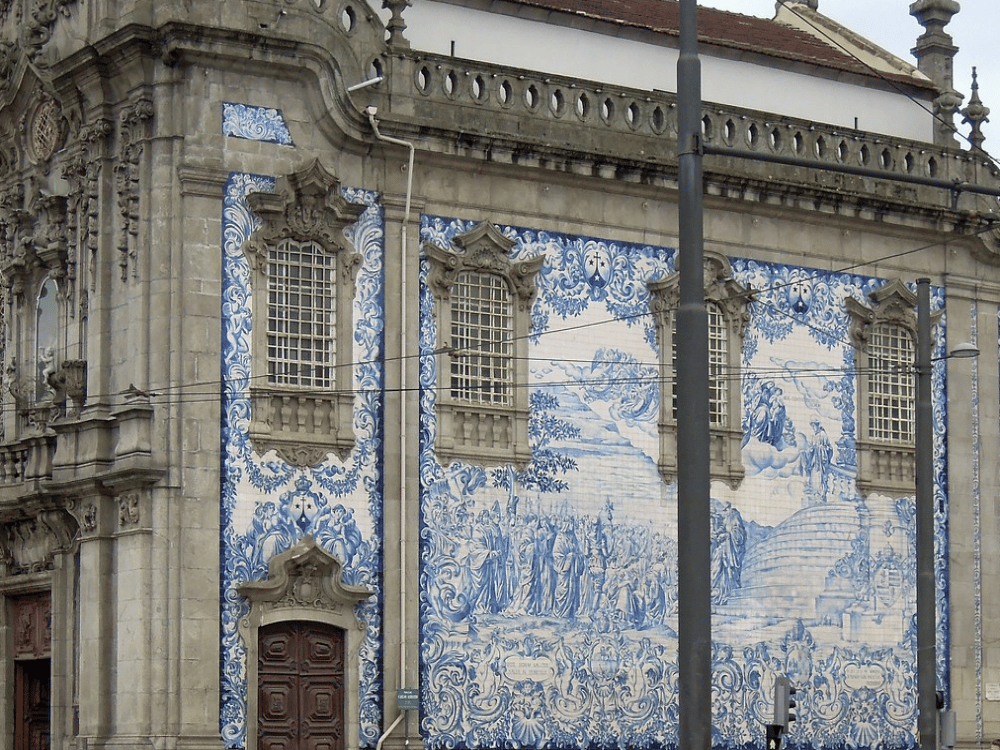
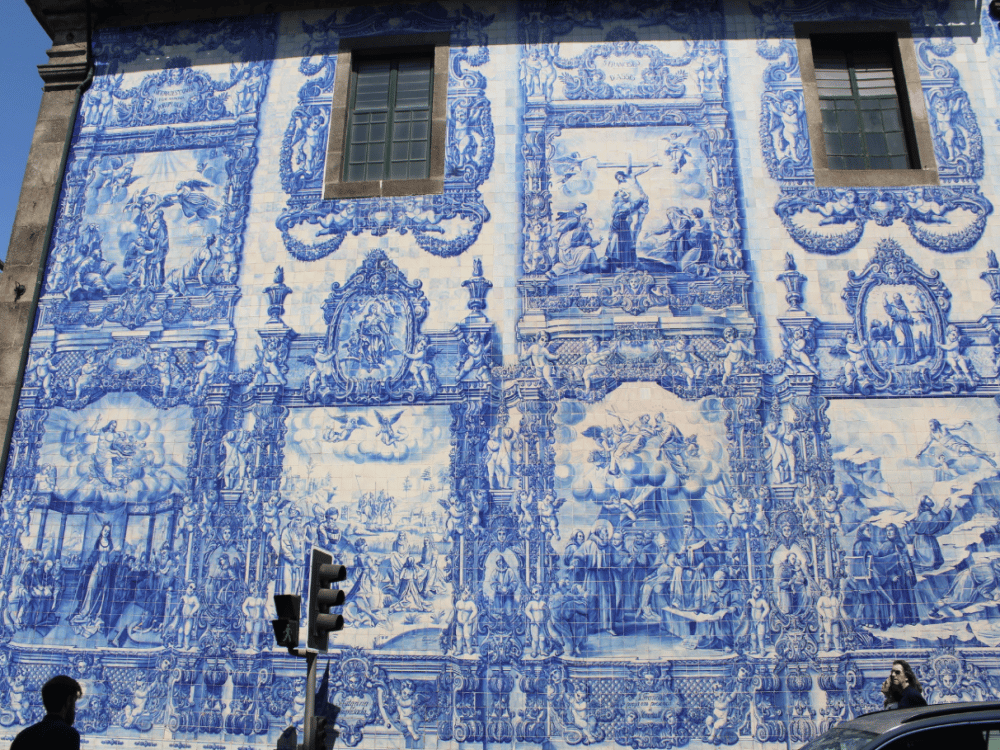
Porto is famous for its architecture, which blends medieval roots with Baroque, Gothic, and modern styles. Landmarks like Porto Cathedral, São Bento Railway Station, and Clerigos Tower showcase the city’s historical depth. São Bento Station is particularly well known for its azulejo tiles, traditional Portuguese ceramic tiles that depict historical scenes in blue and white.
Azulejos can be seen throughout the city, decorating churches, train stations, and even ordinary buildings. These tiles are not just decorative but also tell stories of Portuguese history, religion, and daily life, adding an artistic layer to Porto’s streets.
Iconic Bridges Over the Douro River
Porto is also famous for its bridges, especially the Dom Luís I Bridge. This iron bridge, designed by a student of Gustave Eiffel, connects Porto with Vila Nova de Gaia and offers panoramic views of the river and the city skyline. Walking across the upper level is a highlight for many visitors, particularly at sunset.
Other bridges, such as the Arrábida Bridge and Maria Pia Bridge, further define Porto’s landscape. Together, they show how engineering and design have shaped the city’s relationship with the Douro River.
Traditional Cuisine and Local Flavors
Food plays an important role in what Porto is famous for. The city is known for hearty, comforting dishes that reflect northern Portugal’s culinary traditions. The most iconic local dish is the francesinha, a rich sandwich filled with meats, covered in melted cheese, and served with a spicy tomato-beer sauce.
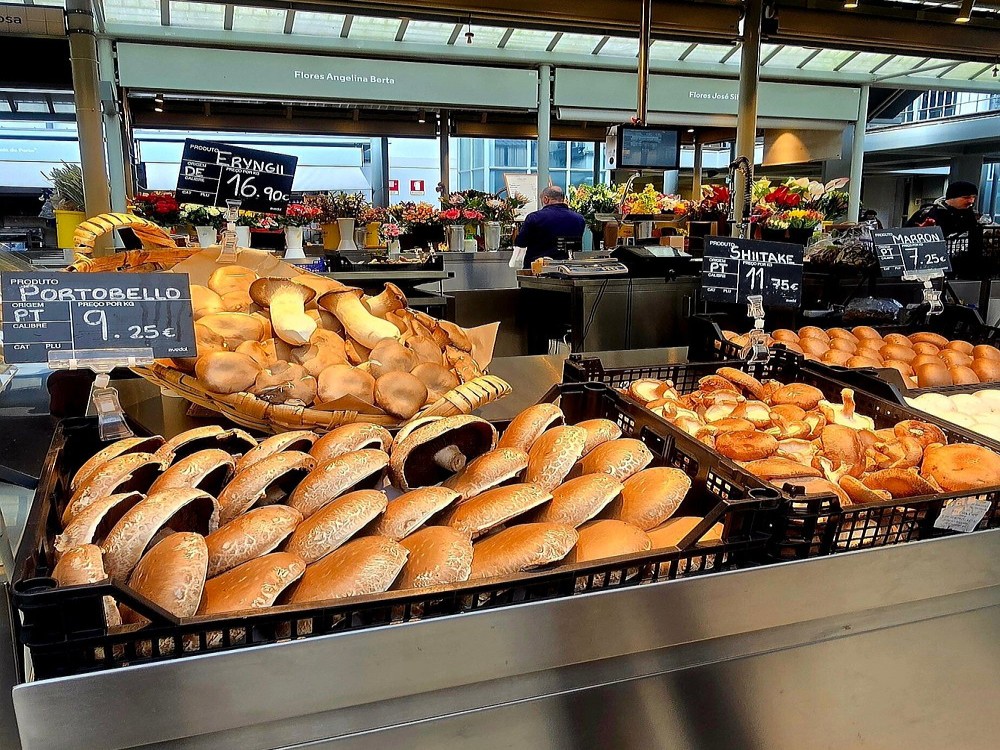
Seafood is also prominent, especially fresh codfish, which is prepared in many traditional ways. Markets like Mercado do Bolhão highlight local ingredients and everyday food culture, offering visitors an authentic taste of Porto beyond restaurants.
A City with Strong Character and Authenticity
Porto is often described as honest, hardworking, and unpretentious, and this character is reflected in its people. Locals are proud of their city and known for being welcoming, even if slightly reserved at first. This strong sense of identity sets Porto apart from many other European destinations.
Unlike cities that feel heavily shaped by tourism, Porto still feels lived-in and real. Traditional shops operate alongside modern cafés, and daily routines continue naturally around visitors. This balance is a big part of Porto’s appeal.
Football Culture and FC Porto
Football is another reason Porto is famous, thanks to FC Porto, one of Portugal’s most successful football clubs. The club has won numerous national titles and international trophies, making it a source of pride for the city. Match days bring energy to the streets, and even non-fans can feel how deeply football is woven into local culture.
The Estádio do Dragão, FC Porto’s home stadium, is a modern landmark and offers tours that give insight into the club’s history and achievements.
A Timeless City That Leaves a Lasting Impression
Porto is famous not for a single attraction, but for the way all its elements come together. Wine, history, architecture, food, and local life blend naturally into a city that feels both timeless and welcoming. Whether visitors come for a short stay or a longer journey, Porto often leaves a lasting impression that draws people back again.
With its deep traditions and relaxed atmosphere, Porto stands as one of Europe’s most distinctive cities, offering an experience that feels genuine, flavorful, and full of character.