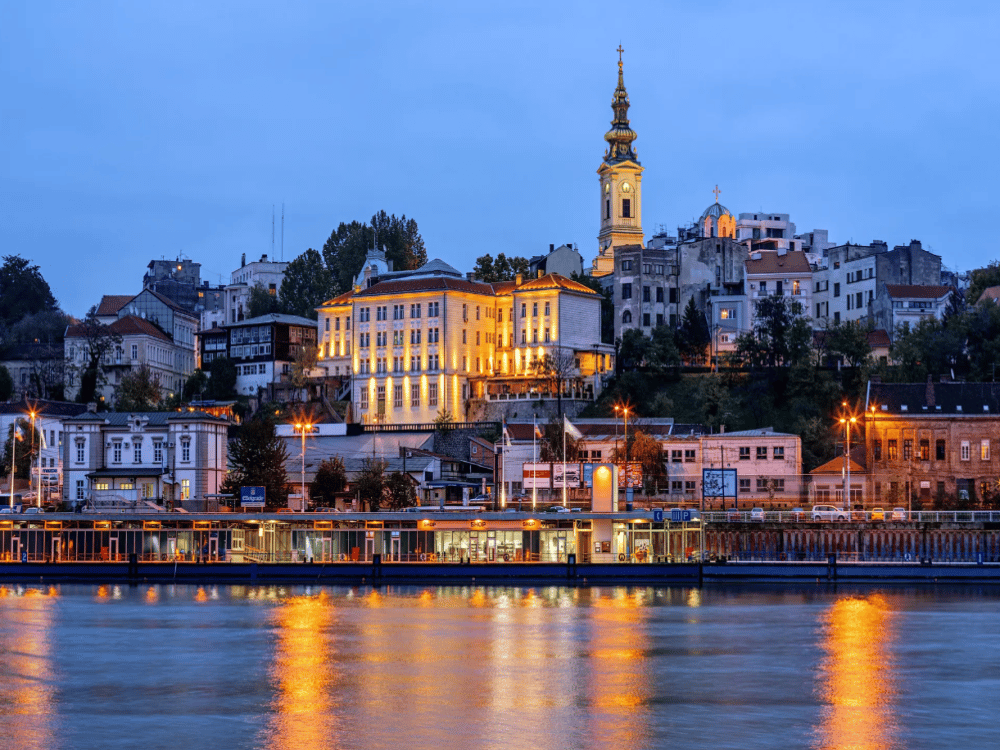
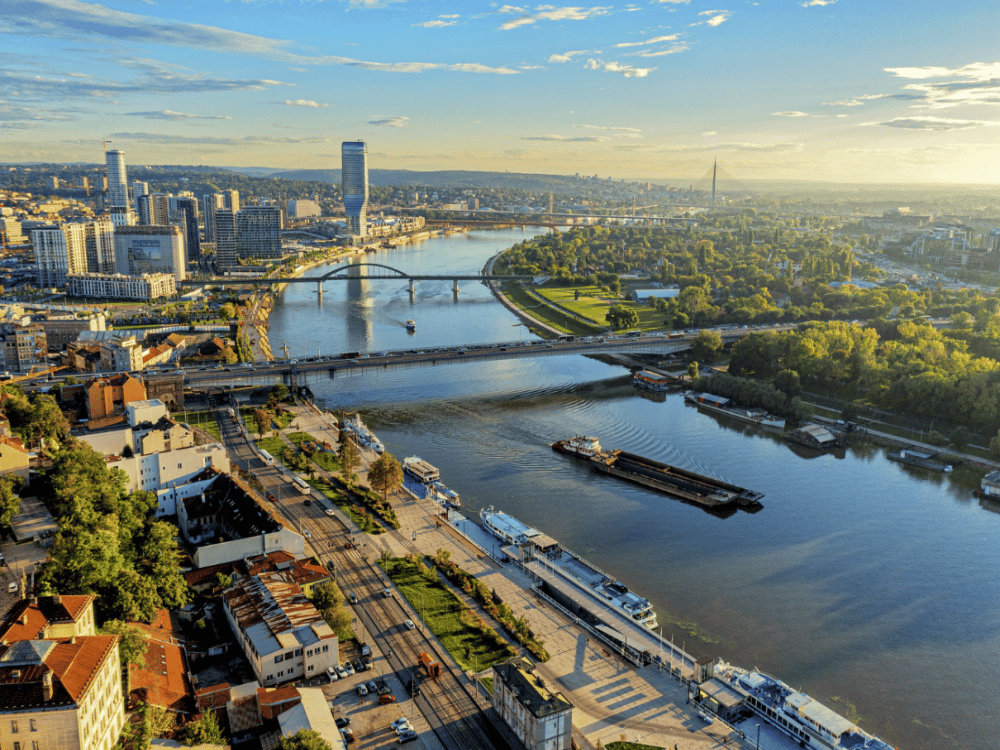
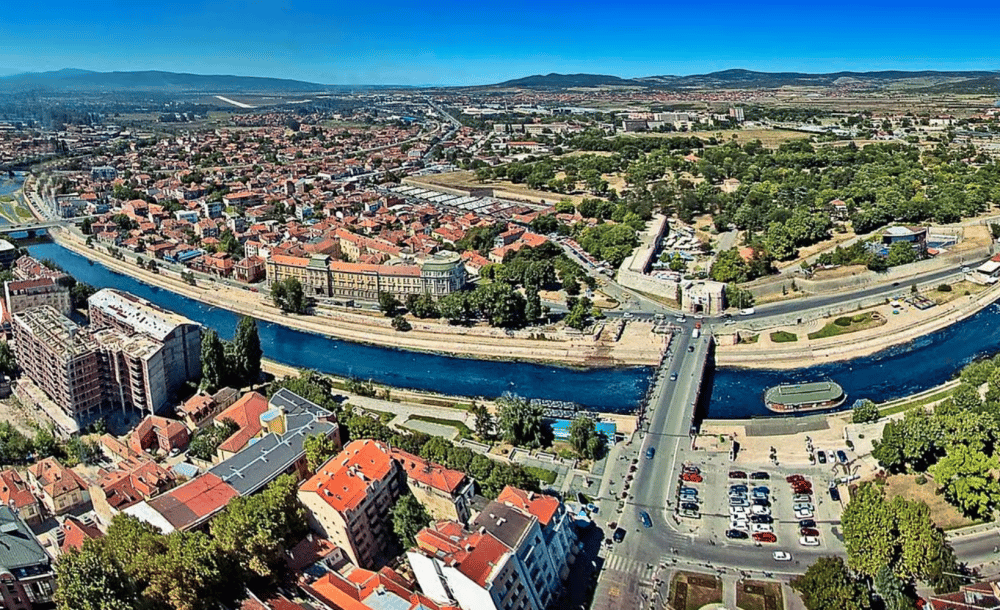
Belgrade is a city that doesn’t try too hard to impress, and that is exactly what makes it so memorable. Serbia’s capital sits at the meeting point of the Danube and Sava rivers and has been shaped by centuries of conflict, culture, and creativity. It is one of Europe’s oldest cities, yet it feels young, energetic, and constantly evolving. From historic fortresses to lively streets and quiet riverside walks, Belgrade offers a mix of experiences that appeal to many types of travelers. If you are planning a visit and wondering what you should see in Belgrade, these highlights will help you understand the city’s true character.
Kalemegdan Fortress and the Confluence
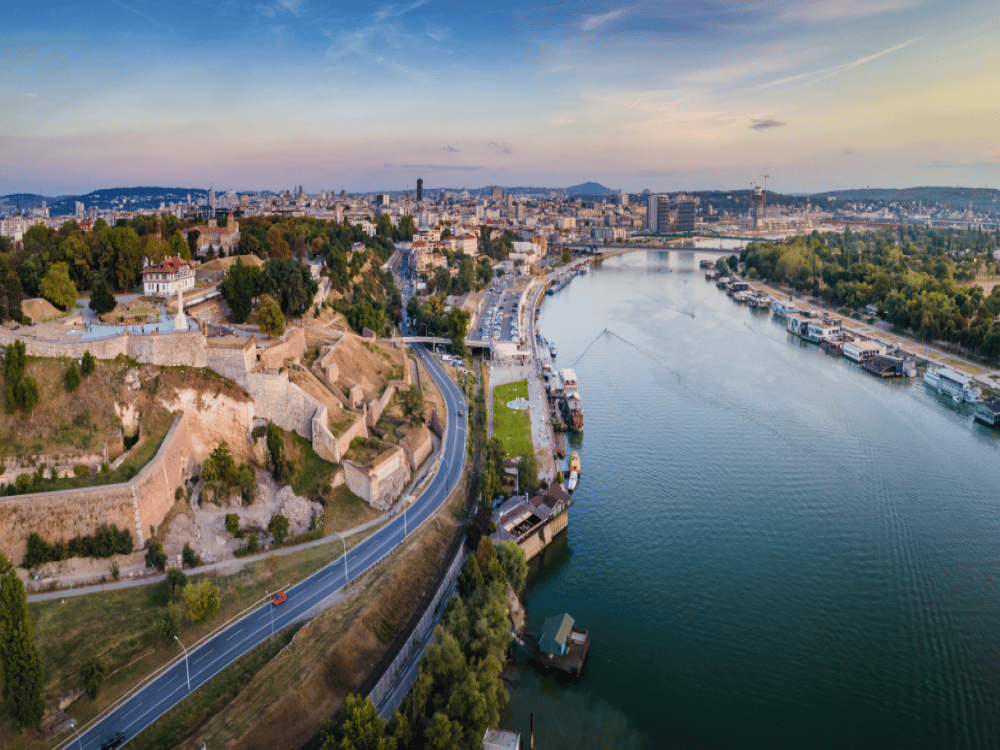
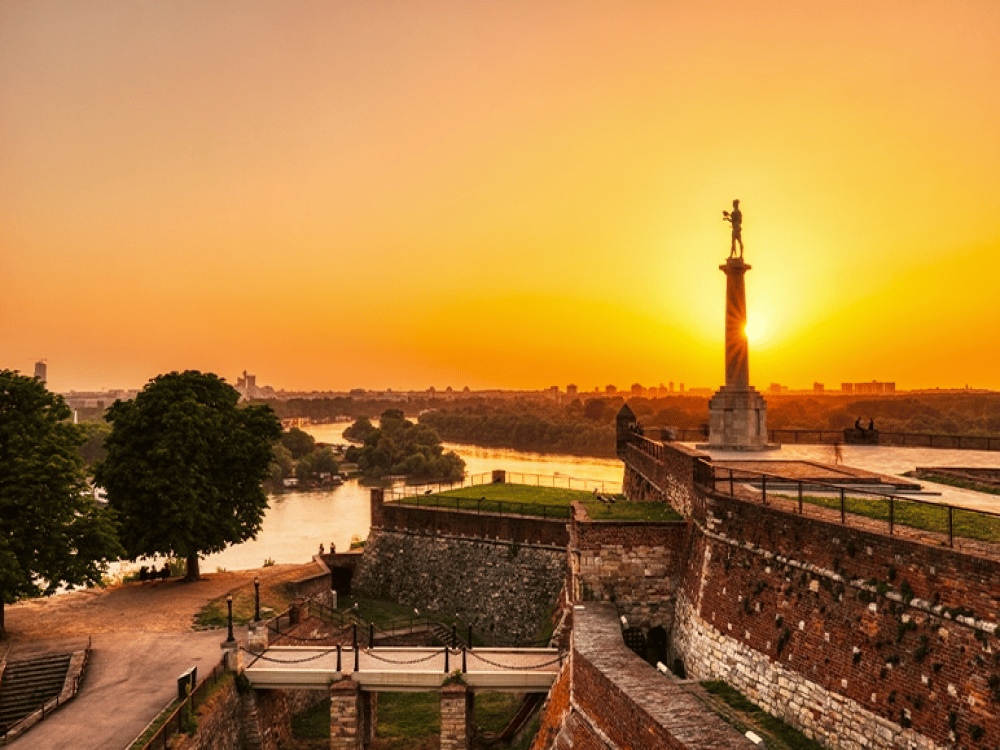
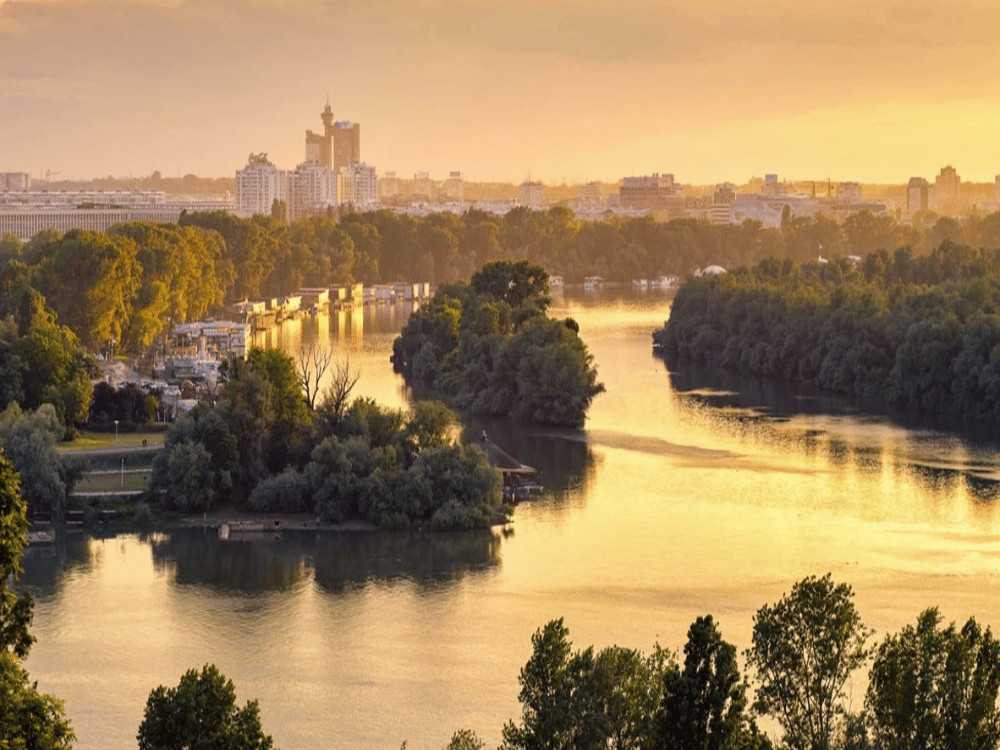
Kalemegdan Fortress is the most iconic place to visit in Belgrade and a perfect starting point for exploring the city. Located at the edge of the Old Town, the fortress overlooks the dramatic meeting point of the Danube and Sava rivers. This strategic location explains why Belgrade has been fought over so many times throughout history. As you walk through the fortress walls, you will see layers of Roman, Byzantine, Ottoman, and Austro-Hungarian influence. The park surrounding the fortress is popular with locals, especially at sunset, when the view over the rivers is at its most impressive. It is a peaceful place that also tells the story of Belgrade’s turbulent past.
Strolling Through Belgrade Old Town
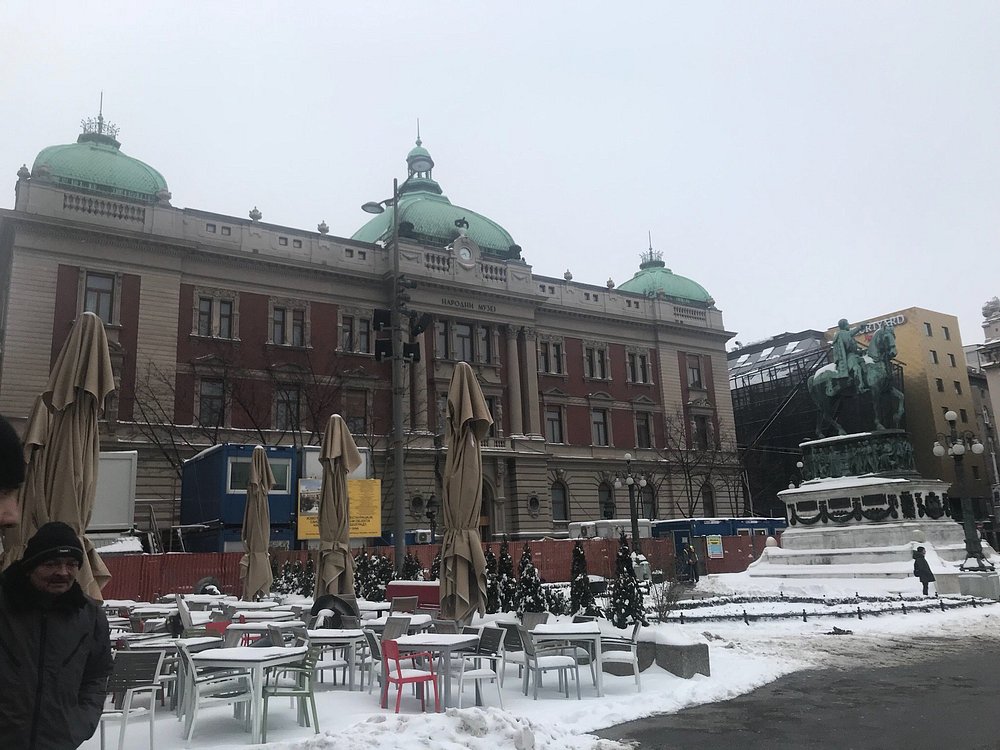
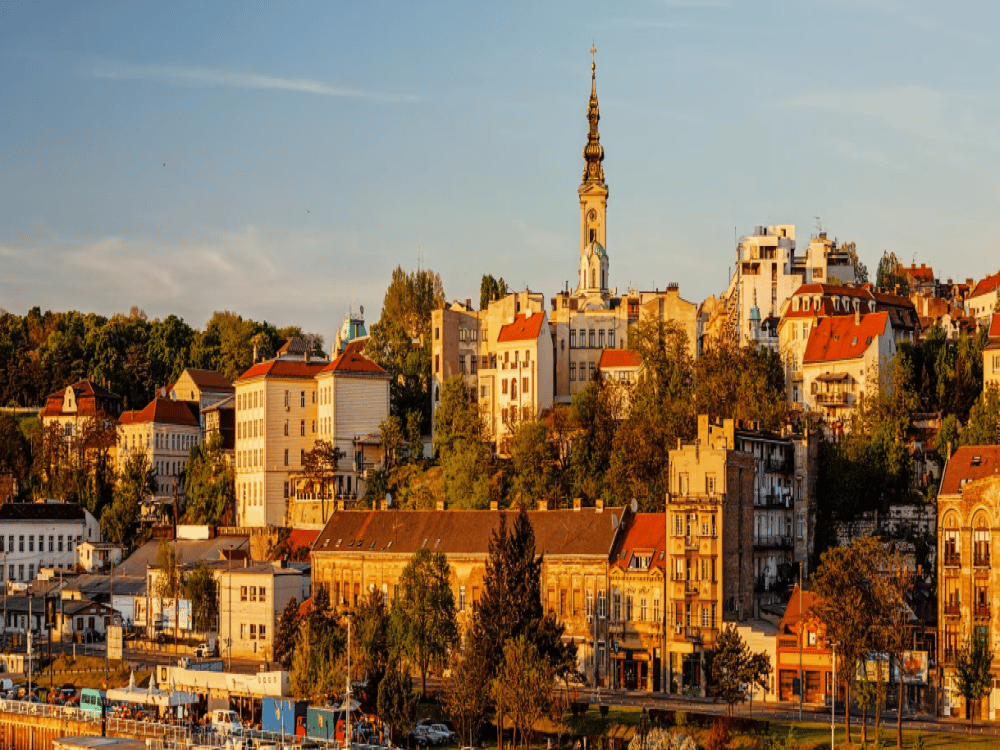
Belgrade’s Old Town, known as Stari Grad, is where history and everyday life blend naturally. The streets here are filled with small shops, cafes, galleries, and historic buildings. Walking through this area gives you a real sense of the city’s rhythm. You can easily move from elegant architecture to lively squares where people gather throughout the day. This part of Belgrade is ideal for slow exploration, stopping for coffee, and observing how locals enjoy their city. Many important landmarks, museums, and cultural institutions are also located within walking distance.
Knez Mihailova Street
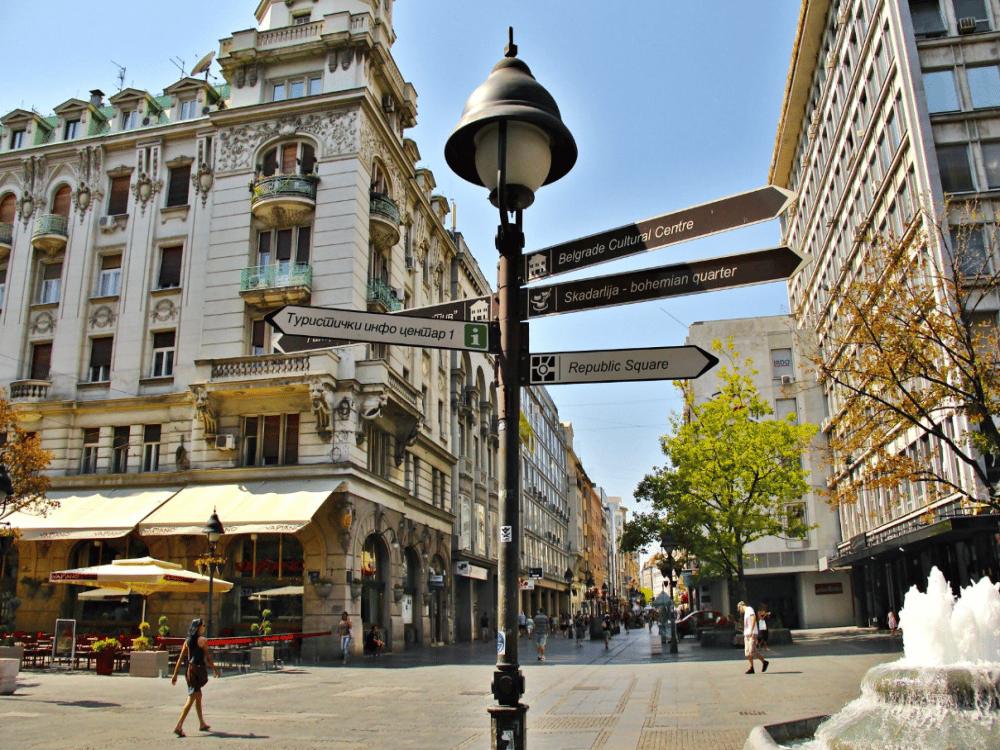
Knez Mihailova Street is Belgrade’s main pedestrian boulevard and one of the most vibrant areas in the city. Lined with historic buildings, international brands, and local stores, it is always full of life. Street performers, musicians, and artists often add to the lively atmosphere. This street connects the city center with Kalemegdan Fortress, making it a natural route for visitors. It is also a great place to experience Belgrade’s café culture, as many locals enjoy long coffee breaks here at any time of day.
Saint Sava Temple
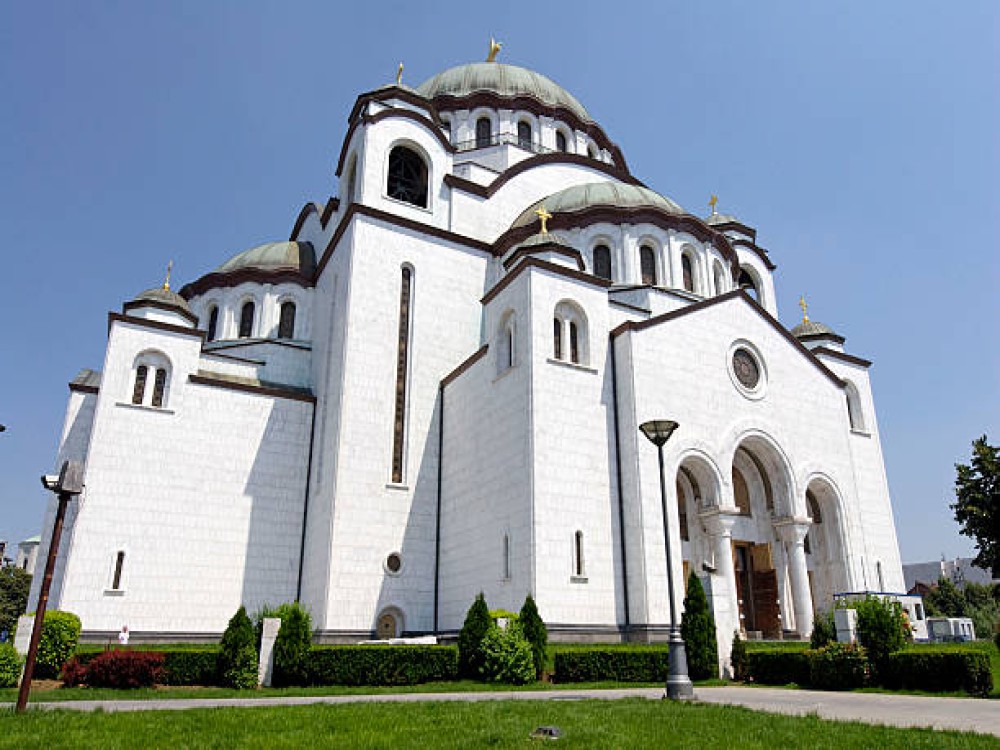
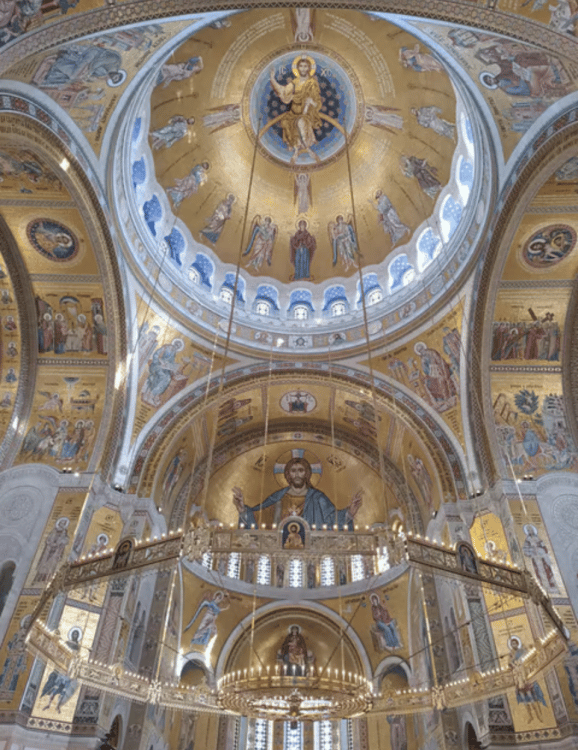
The Temple of Saint Sava is one of the largest Orthodox churches in the world and an important symbol of Serbian identity. Its massive white exterior dominates the skyline and can be seen from many parts of the city. Inside, the decoration is still being completed, but the scale and atmosphere are already impressive. The interior mosaics and the quiet, reverent space make it a meaningful place to visit, even for those who are not religious. The surrounding area is calm and well-kept, offering a contrast to the busier city center.
Nikola Tesla Museum
The Nikola Tesla Museum is a must-see for anyone interested in science, history, or innovation. Dedicated to one of the world’s most famous inventors, the museum houses original documents, personal items, and working models of Tesla’s inventions. Guided presentations explain his life and work in a clear and engaging way, making the visit enjoyable even for those without a technical background. This museum offers insight into Serbia’s contribution to global scientific progress and is one of Belgrade’s most popular cultural attractions.
Zemun and the Riverside
Zemun is a charming district that feels different from the rest of Belgrade. Once a separate town under Austro-Hungarian rule, it has a more Central European atmosphere. Walking along the Danube promenade in Zemun is relaxing and scenic, with river views, boats, and traditional restaurants. The Gardos Tower, located on a hill above the district, offers panoramic views and a glimpse into Zemun’s history. This area is perfect for a quieter afternoon away from the city’s busy center.
Belgrade’s Café and Nightlife Culture
Belgrade is known for its social life, and experiencing its cafés and nightlife is an important part of understanding the city. During the day, coffee culture dominates, with locals spending hours chatting in cafés across the city. At night, Belgrade transforms into one of Europe’s most energetic nightlife destinations. From riverside clubs on floating barges to underground bars and live music venues, there is something for every taste. The nightlife scene reflects the city’s creative and resilient spirit.
Ada Ciganlija and Green Spaces
For those who want a break from sightseeing, Ada Ciganlija offers a natural escape within the city. This river island has been turned into a large recreational area with beaches, walking paths, and sports facilities. Locals come here to relax, exercise, and enjoy outdoor activities, especially in warmer months. Belgrade also has many parks and green spaces that provide a welcome balance to its urban energy.
Final Thoughts on Belgrade
Belgrade is a city that reveals itself gradually. It may not look polished at first glance, but its authenticity, history, and warmth leave a lasting impression. By exploring its landmarks, neighborhoods, and everyday life, you will discover a destination that is both complex and welcoming. Seeing Belgrade is not just about visiting places, but about experiencing a city that has learned how to live fully, despite its challenging past.