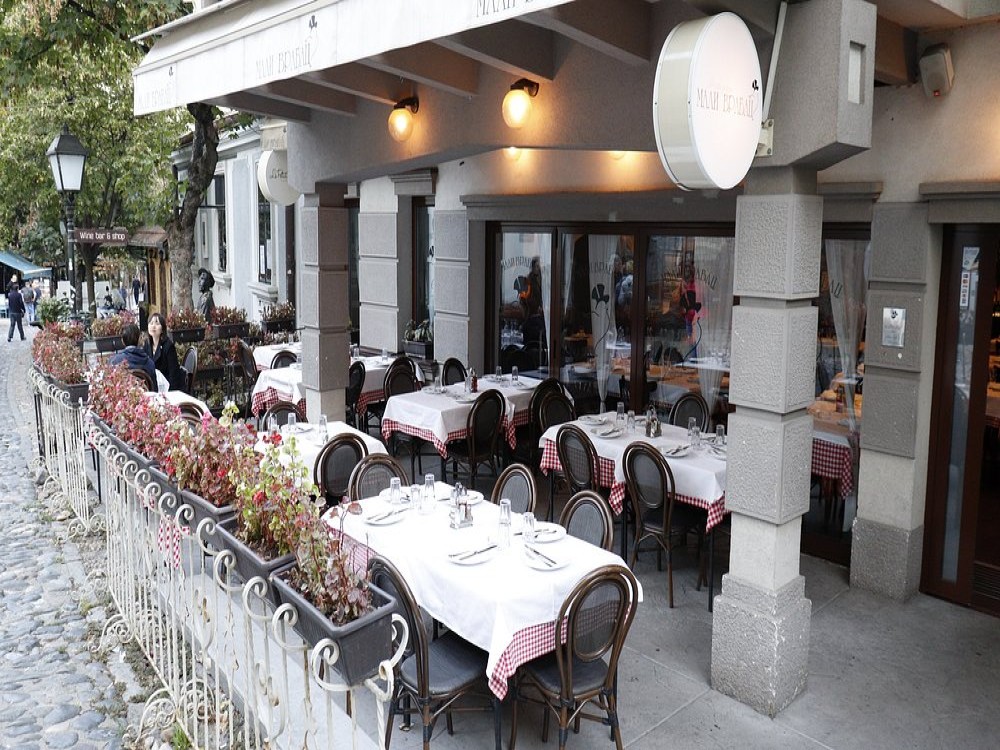
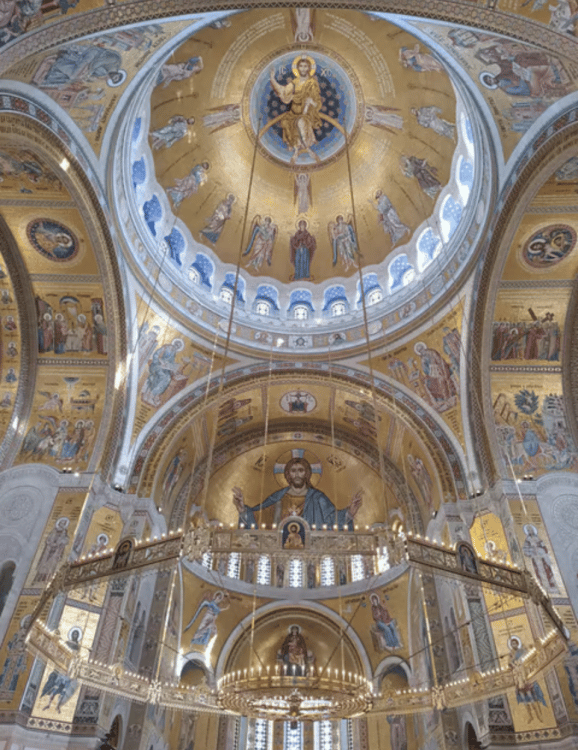
Belgrade’s food scene is a true reflection of Serbia’s history, geography, and lifestyle. Sitting at the crossroads of Central Europe and the Balkans, the city has absorbed influences from Ottoman, Austro-Hungarian, and Slavic cuisines, creating a rich and comforting food culture. Meals in Belgrade are rarely rushed; food is about sharing, conversation, and tradition. From smoky grilled meats to slow-cooked stews and sweet pastries, Belgrade offers flavors that feel hearty, honest, and deeply rooted in local life.
Grilled Meats and the Culture of the Grill
One of the first things visitors notice in Belgrade is the strong grilling tradition. Serbian cuisine is famous across the Balkans for its roštilj, or barbecue, and Belgrade is considered one of its capitals. Grilled meat dishes are found everywhere, from traditional kafanas to modern restaurants and street food stalls.
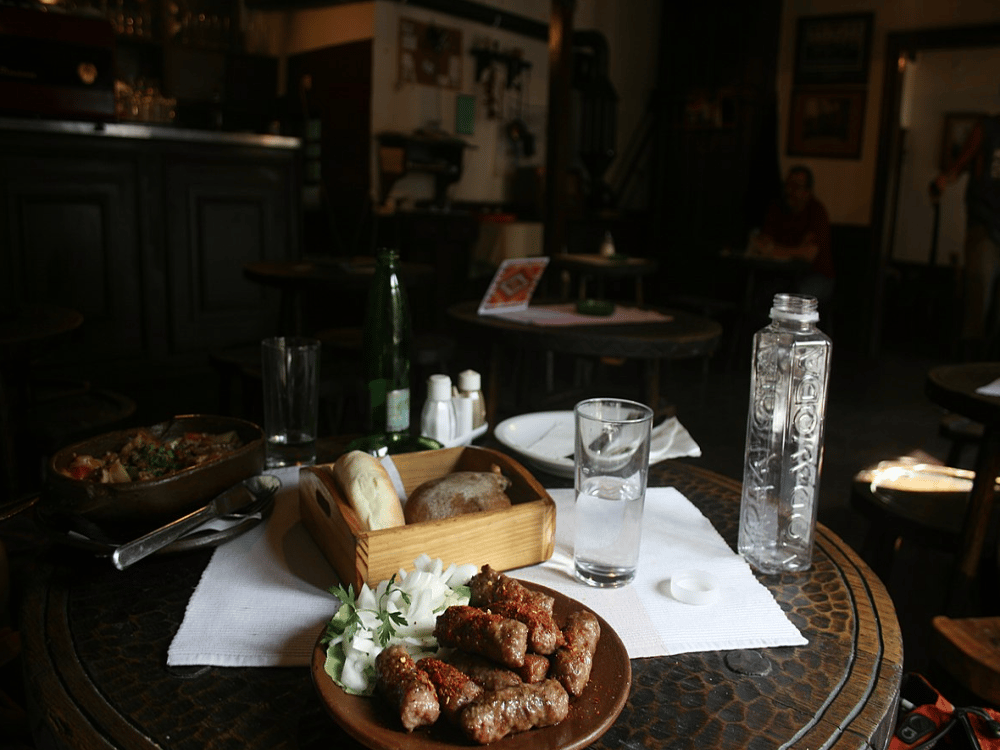
Ćevapi are perhaps the most iconic dish. These small, skinless sausages made from a mix of minced beef and sometimes lamb are grilled over an open flame and served hot. They are usually accompanied by flatbread, chopped onions, and kajmak, a creamy dairy spread. Pljeskavica, often described as a Balkan-style burger, is another favorite. It is larger, juicier, and more intensely seasoned than a typical burger, often stuffed with cheese or served with rich toppings.
Traditional Serbian Stews and Home-Style Dishes
Beyond the grill, Belgrade is known for its comforting, slow-cooked dishes that are especially popular in traditional restaurants. These meals reflect rural Serbian cooking, where time and patience play an important role.
Sarma is one of the most beloved dishes, especially during colder months. It consists of minced meat and rice wrapped in fermented cabbage leaves and slowly cooked for hours. The result is rich, slightly sour, and deeply satisfying. Goulash-style stews, influenced by Hungarian cuisine, are also common, featuring tender chunks of meat simmered with onions and paprika until soft and flavorful.
Another classic is pasulj, a thick bean stew often cooked with smoked meat. It is simple, filling, and considered a comfort food by locals. These dishes show how Serbian cuisine values warmth, nourishment, and bold but balanced flavors.
Bread, Pastries, and Savory Baked Goods
Bread holds a special place in Serbian culture, and Belgrade offers a wide variety of baked goods. Bakeries are everywhere, and locals often stop by several times a day. One of the most popular savory pastries is burek, a flaky pastry filled with meat, cheese, or spinach. It is commonly eaten for breakfast or as a quick meal, often paired with yogurt.
Other traditional baked items include various types of pita and homemade bread served with almost every meal. These foods highlight the importance of simple ingredients prepared with care, something that defines much of Belgrade’s culinary identity.
Dairy Products and Traditional Spreads
Serbian dairy products are another key part of Belgrade’s food culture. Kajmak deserves special attention, as it is one of the most distinctive local specialties. Made from slowly skimmed cream, kajmak has a rich, buttery flavor and a smooth texture. It is served fresh or aged and pairs perfectly with grilled meats or bread.
Cheeses made from cow’s or sheep’s milk are also common, often served as part of a shared table with cured meats, pickled vegetables, and fresh bread. These combinations reflect the Serbian habit of starting meals with small shared dishes, creating a social and relaxed dining experience.
Sweets, Desserts, and Coffee Traditions
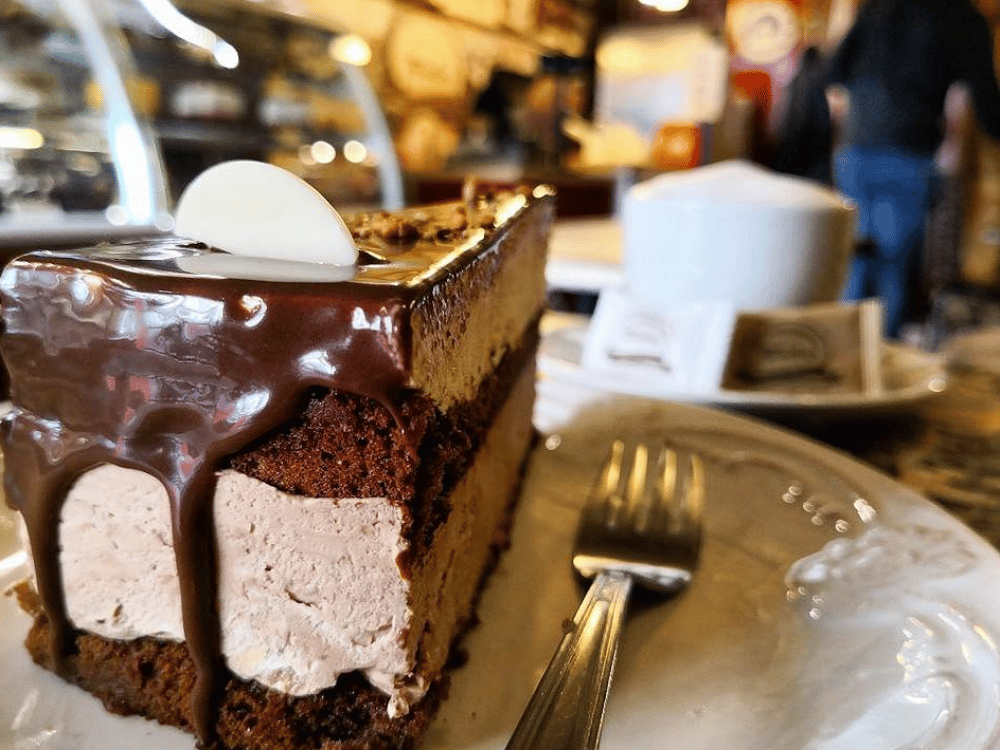
Desserts in Belgrade often reflect Ottoman influences, with syrup-soaked pastries and nut-based sweets. Baklava is widely available and enjoyed year-round. Another popular treat is palačinke, thin crepes filled with chocolate, walnuts, jam, or ground poppy seeds. They are a favorite dessert or late-night snack.
Coffee culture is also an important part of Belgrade life. Traditional Turkish-style coffee is still very popular, served strong and unfiltered, often enjoyed slowly during long conversations. Cafés are social hubs, and drinking coffee is as much about connection as it is about taste.
Modern Belgrade Cuisine and Street Food
While tradition remains strong, Belgrade’s food scene has also evolved. In recent years, modern restaurants have started reinterpreting classic Serbian dishes with contemporary techniques and presentation. At the same time, street food has gained popularity, offering quick but flavorful options rooted in local tastes.
Street stands serving grilled meats, pastries, and sandwiches are common, especially in busy areas. These places show how traditional food continues to adapt to modern urban life without losing its character.
A City Defined by Flavor and Hospitality
Belgrade is famous for food that is generous, comforting, and full of character. Its cuisine tells the story of the city’s past and present, shaped by different cultures but firmly grounded in Serbian tradition. Whether enjoyed in a historic kafana, a family-run bakery, or a modern restaurant, food in Belgrade is always about more than eating. It is about hospitality, shared moments, and the joy of simple, well-prepared dishes that leave a lasting impression on every visitor.