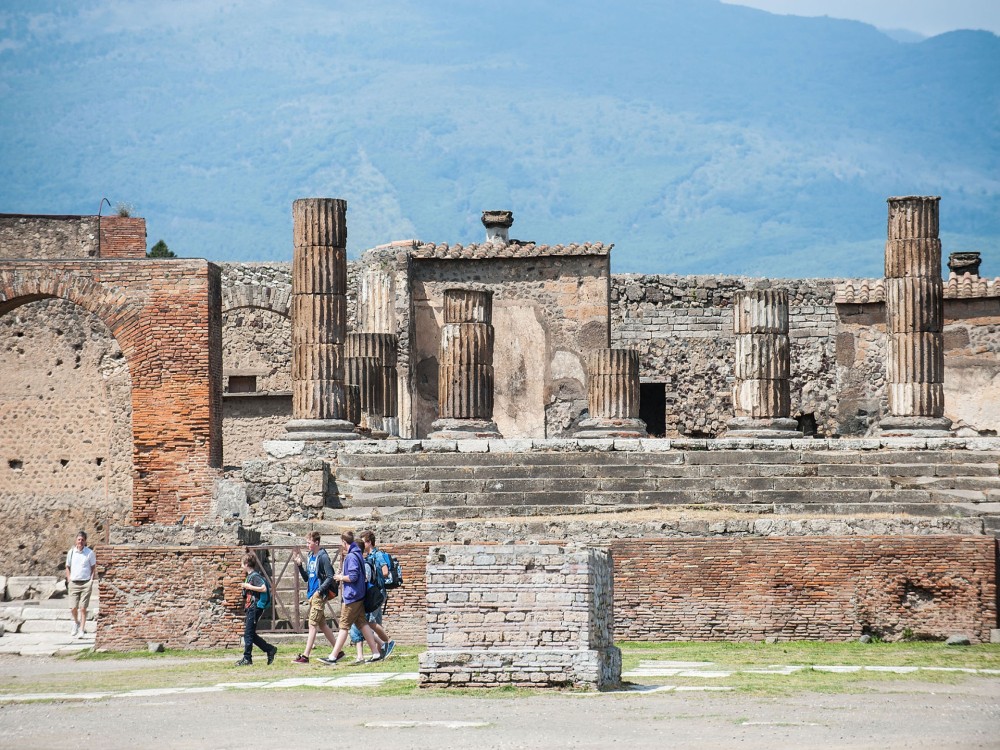
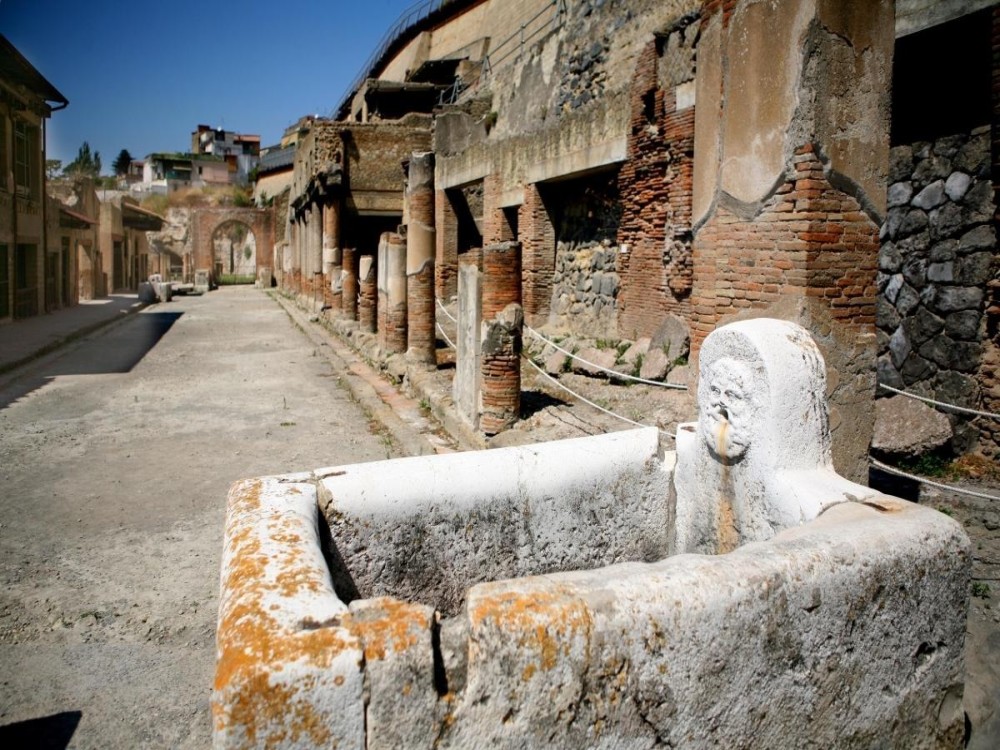
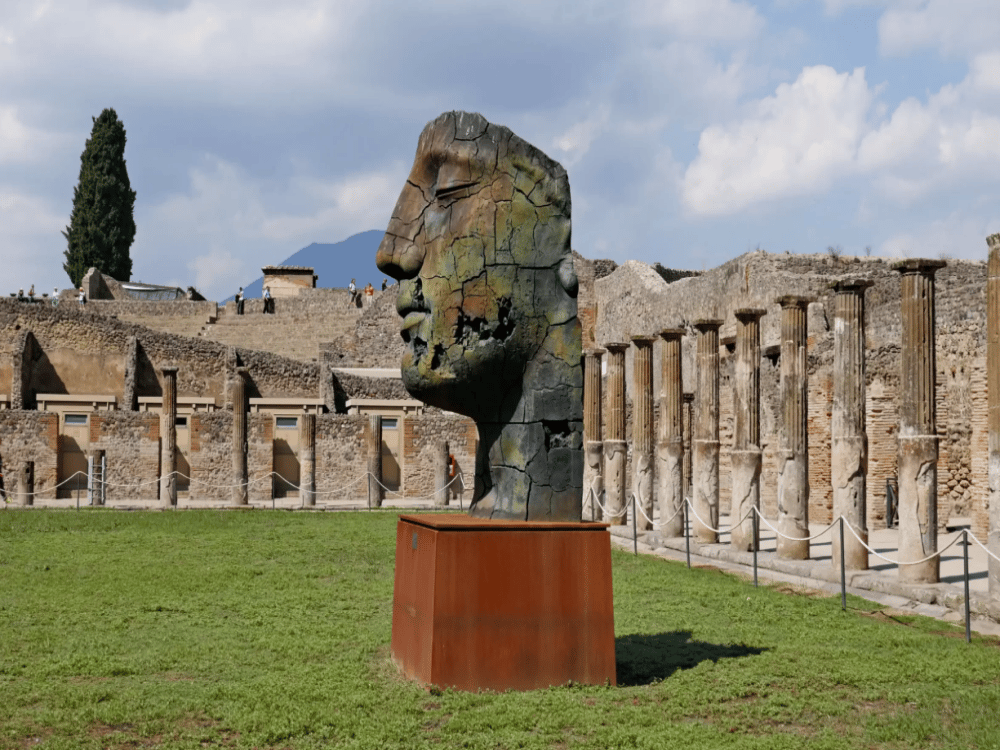
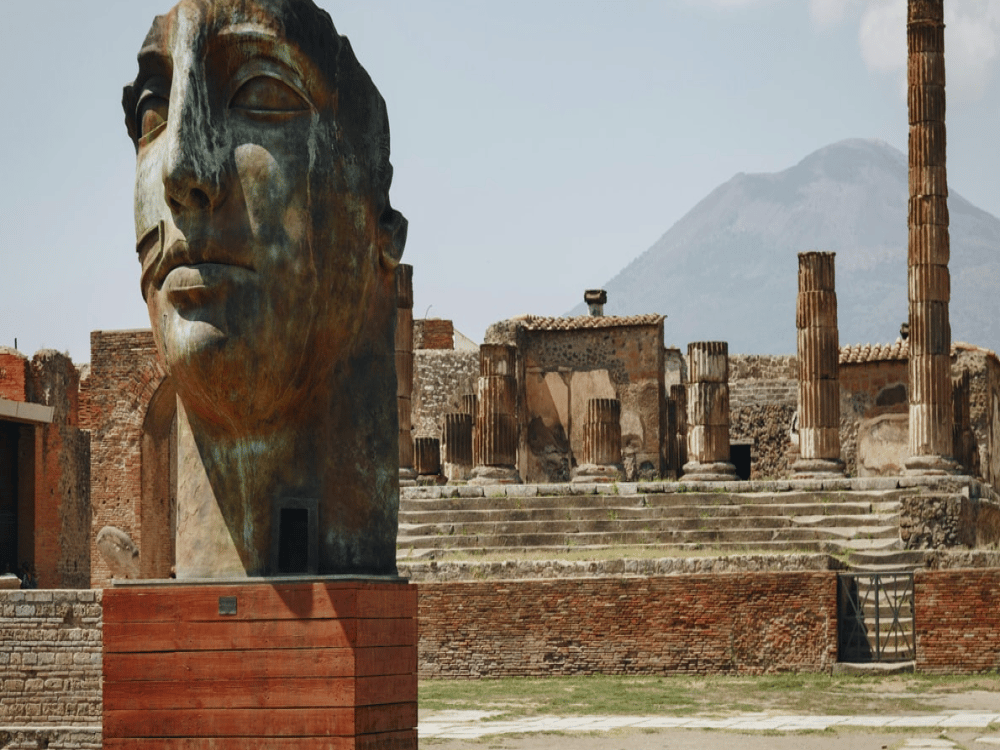
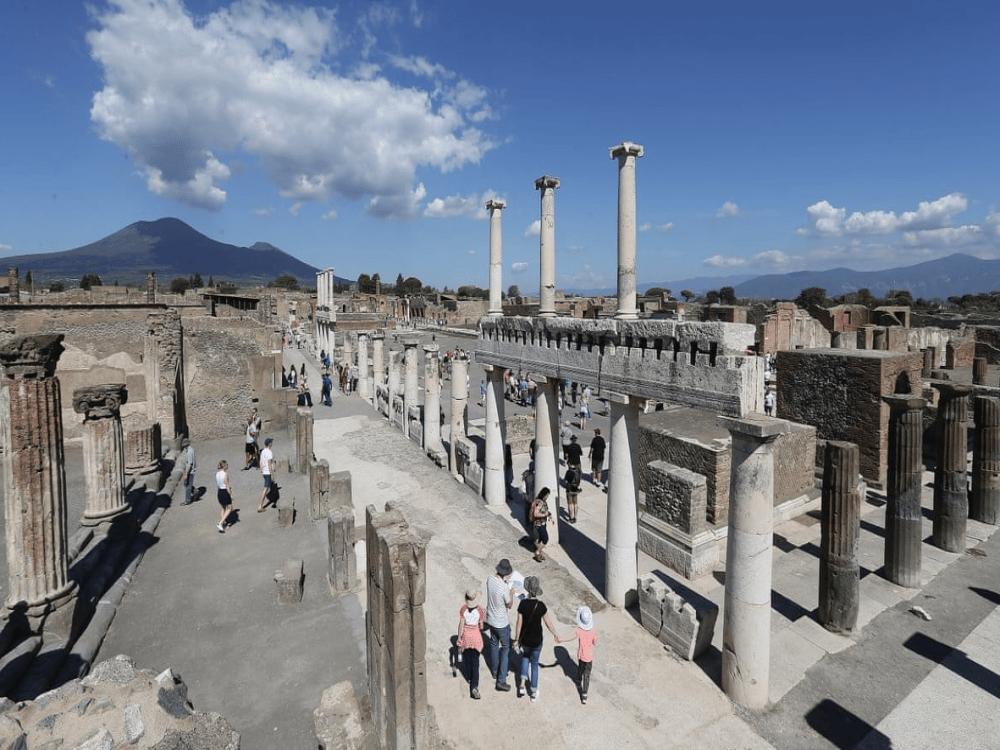
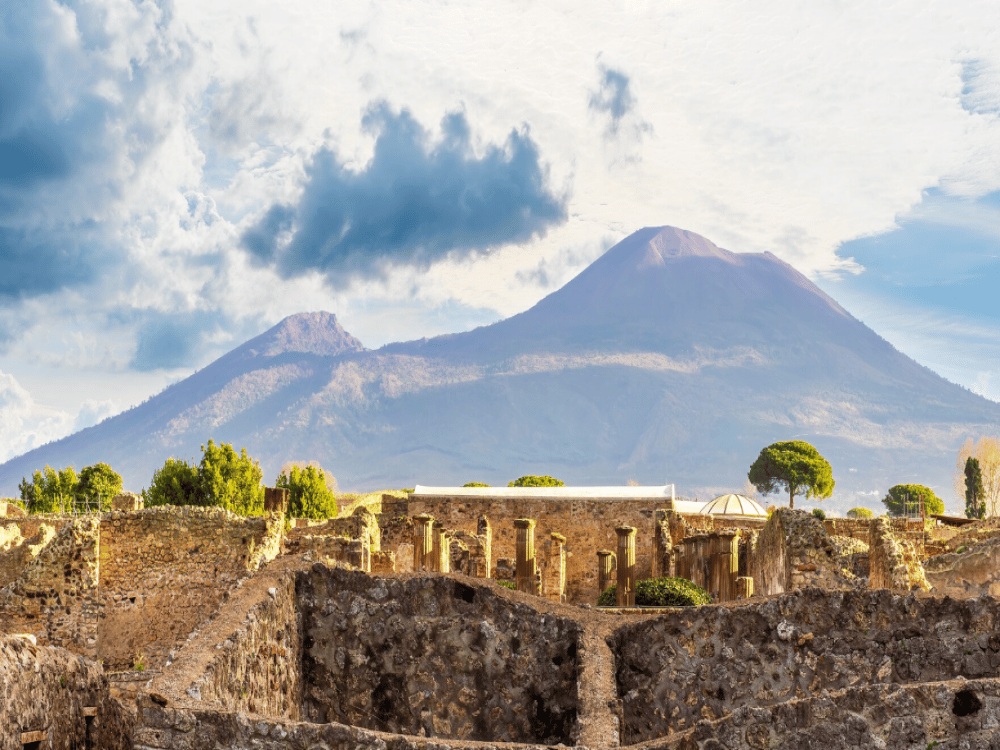
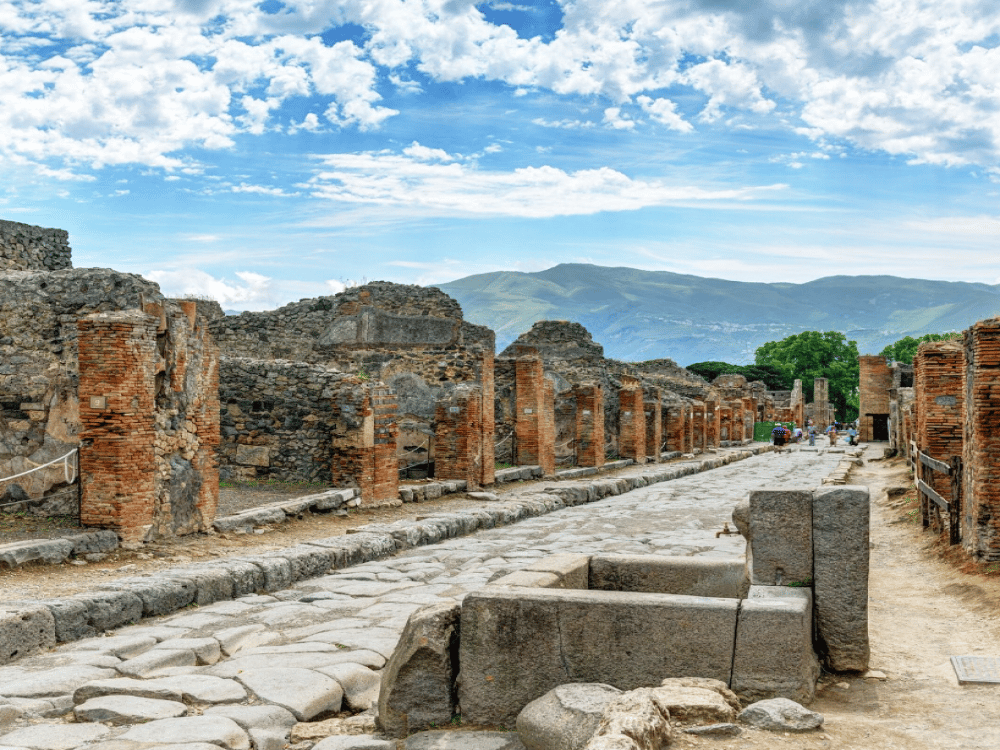
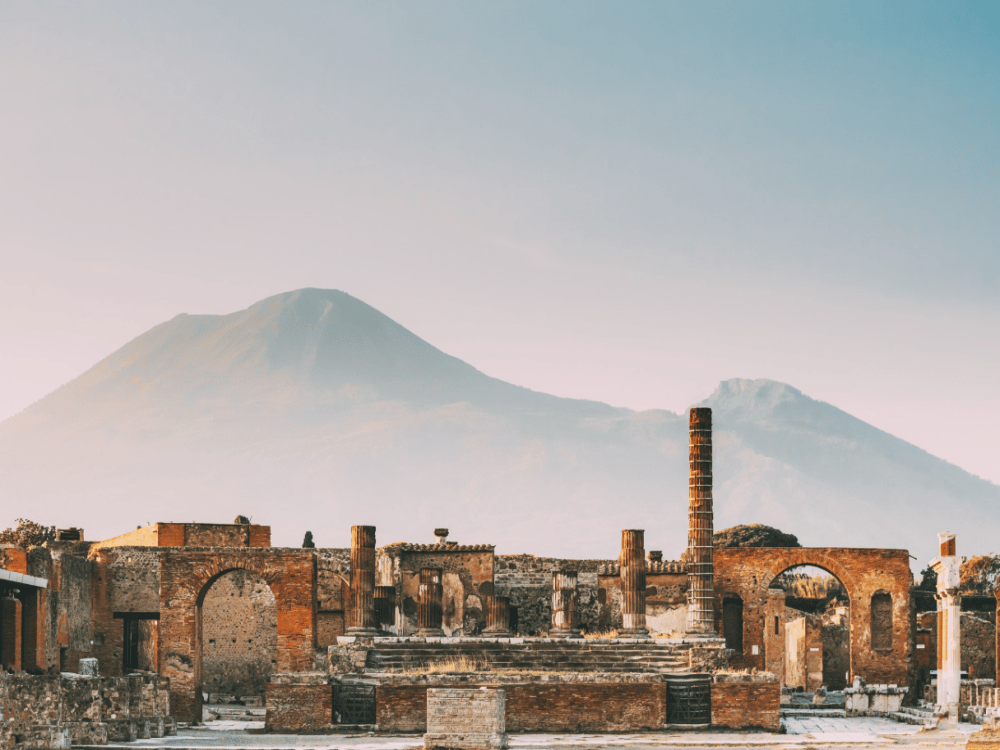
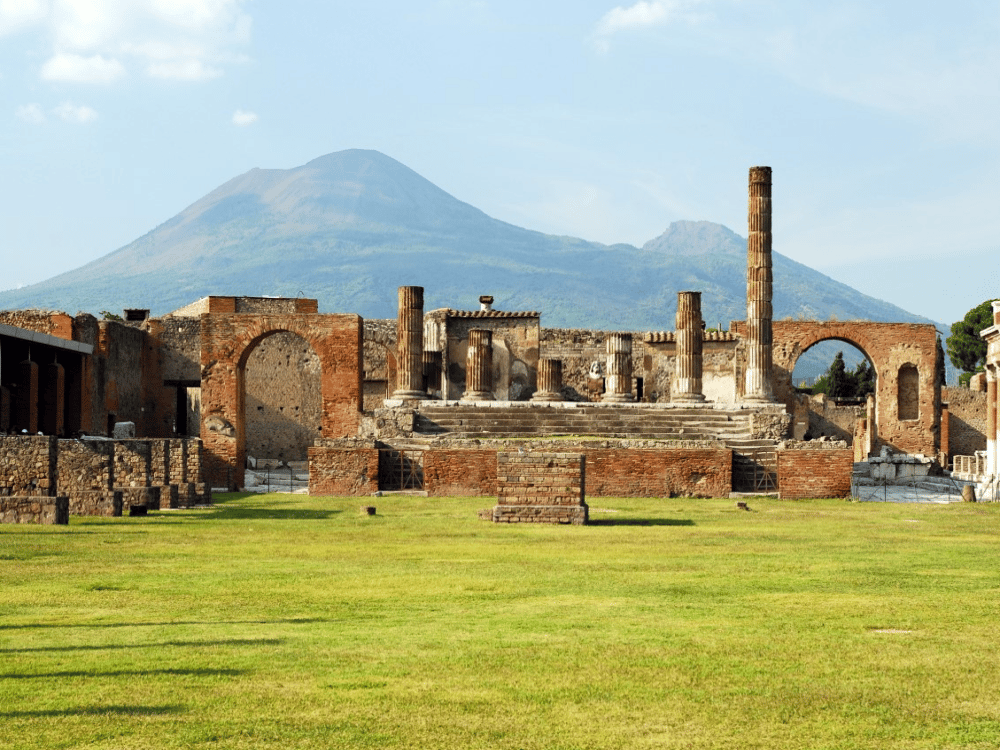
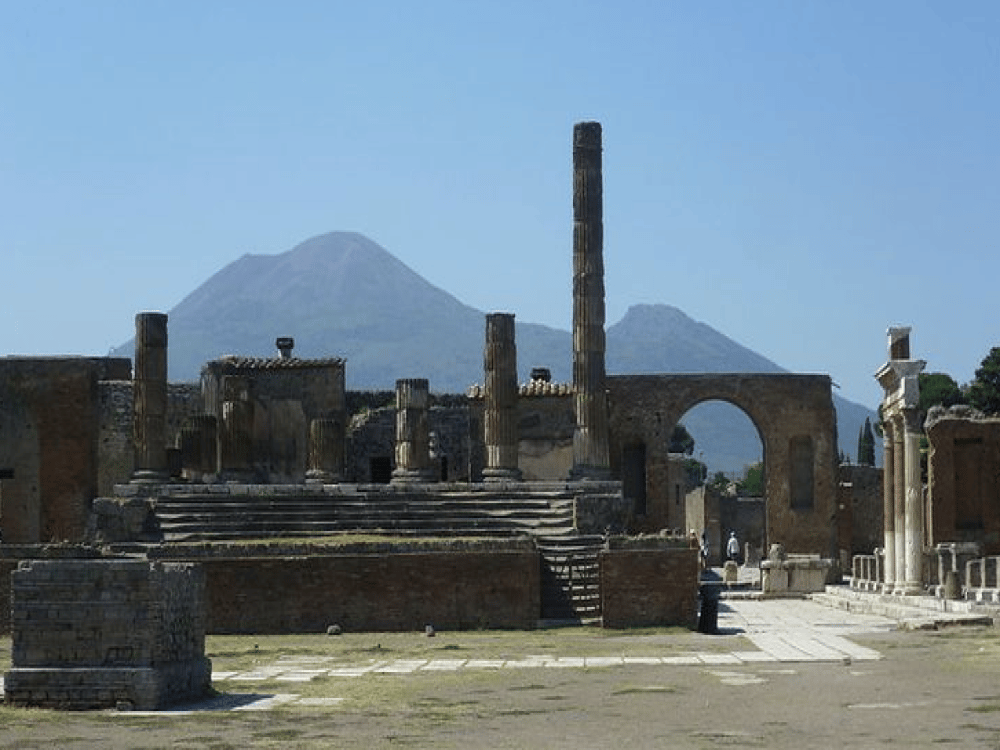
Pompeii, the ancient Roman city famously preserved by the eruption of Mount Vesuvius in 79 AD, is a fascinating destination not only for history lovers but also for food enthusiasts. Exploring Pompeii today, visitors can get a glimpse into the daily life of its ancient inhabitants, including their diet. Food in Pompeii was simple yet flavorful, reflecting the ingredients available in the Mediterranean region at the time.
Ancient Roman Cuisine in Pompeii
The diet of Pompeii’s residents revolved around fresh, local ingredients. Grains, vegetables, fruits, and seafood formed the core of their meals. Bread was a staple, often accompanied by olive oil, honey, or cheese. Wealthier citizens could enjoy more elaborate dishes, including meats such as pork, lamb, and fish. Herbs and spices like garlic, coriander, and dill were commonly used to add flavor.
Popular Street Food in Ancient Pompeii
Pompeii had bustling marketplaces and street food stalls that catered to locals and travelers. One of the most popular foods was the thermopolium, a kind of ancient fast-food restaurant where people could grab hot meals on the go. Archaeologists have uncovered counters with large jars embedded in them, which once held stews, soups, and other ready-to-eat dishes. Foods like lentil soup, chickpea stew, and fish were commonly served in these spots.
Seafood and Fish Dishes
Being close to the coast, seafood was a vital part of Pompeii’s diet. Anchovies, mullet, and shellfish were frequently eaten, often seasoned with olive oil and herbs. Garum, a fermented fish sauce, was a staple condiment used to enhance the flavor of many dishes. It was so popular that Pompeii’s ruins still show evidence of garum production sites, revealing how central it was to local cuisine.
Fruits, Vegetables, and Wine
Pompeiians loved fresh produce. Grapes, figs, apples, and pomegranates were commonly eaten, while vegetables such as cabbage, lettuce, leeks, and beans were dietary essentials. Wine was another popular item, often diluted with water and consumed daily. Olive oil and vinegar were key components, used for both cooking and seasoning. Meals were often simple, healthy, and based on what was available locally.
Modern-Day Culinary Inspiration
Today, visitors to Pompeii can experience flavors inspired by ancient Roman cuisine in nearby Naples and the Amalfi Coast. Many restaurants offer dishes that pay homage to what Pompeiians ate, such as fresh seafood, rustic breads, and Mediterranean salads. While the exact recipes from 2,000 years ago may be lost, the essence of Pompeii’s food culture lives on in these regional specialties.
Final Thoughts
When thinking about Pompeii, most people imagine ruins and mosaics, but food was an essential part of daily life in this vibrant city. From street food stalls serving stews to seafood seasoned with garum, Pompeii had a rich culinary tradition that reflected the abundance of the Mediterranean. Whether you are walking through the archaeological site or tasting local dishes nearby, the flavors of Pompeii provide a delicious window into the past.