Visiting Pompeii is like stepping back in time. This ancient Roman city, famously destroyed by the eruption of Mount Vesuvius in 79 AD, offers a rare glimpse into life almost 2,000 years ago. But if you’re planning a trip, one of the most common questions is: how much time should you actually spend exploring it? The answer depends on your interests, pace, and travel style.
Understanding Pompeii
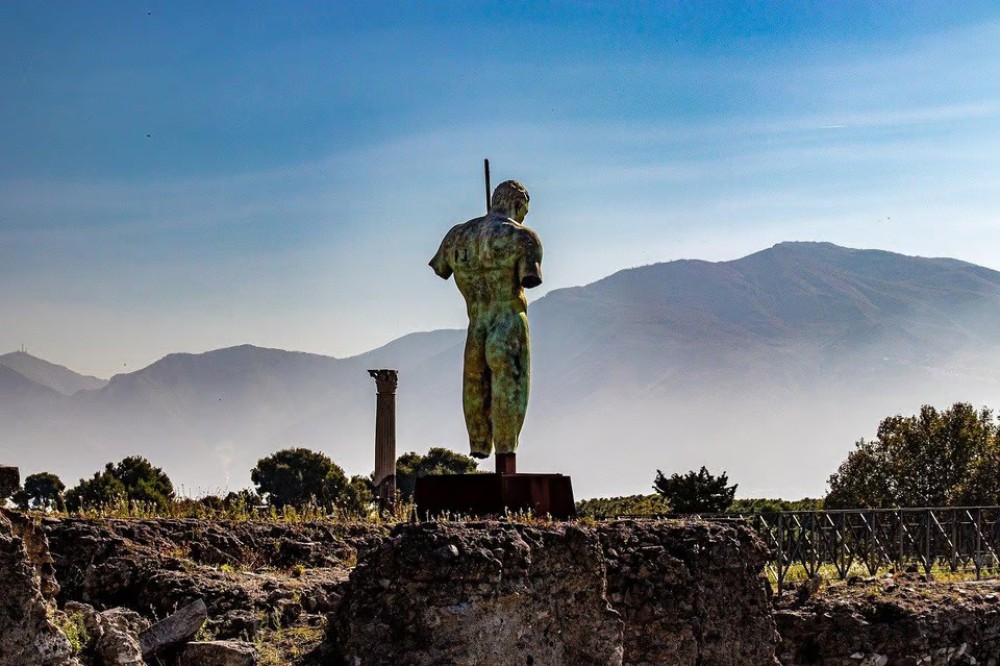
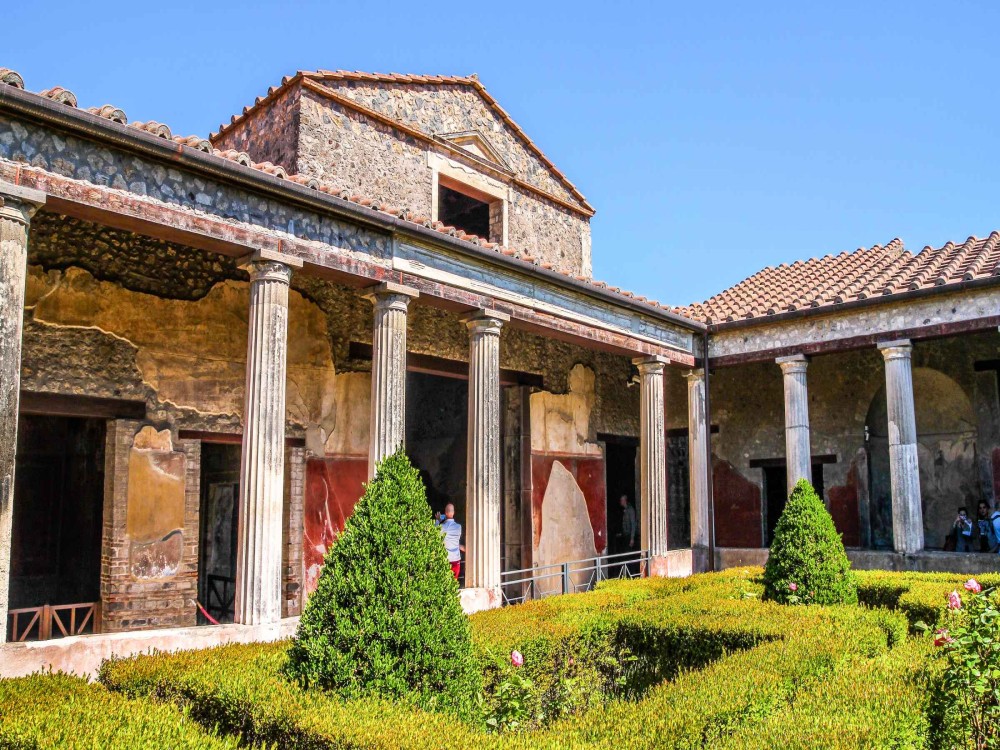
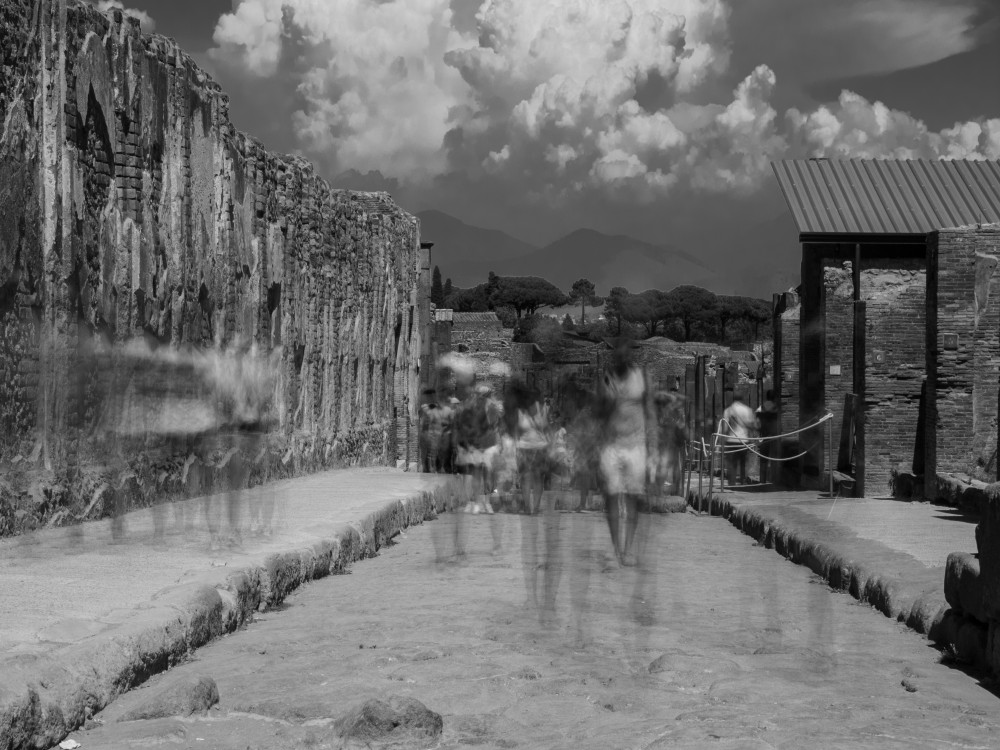
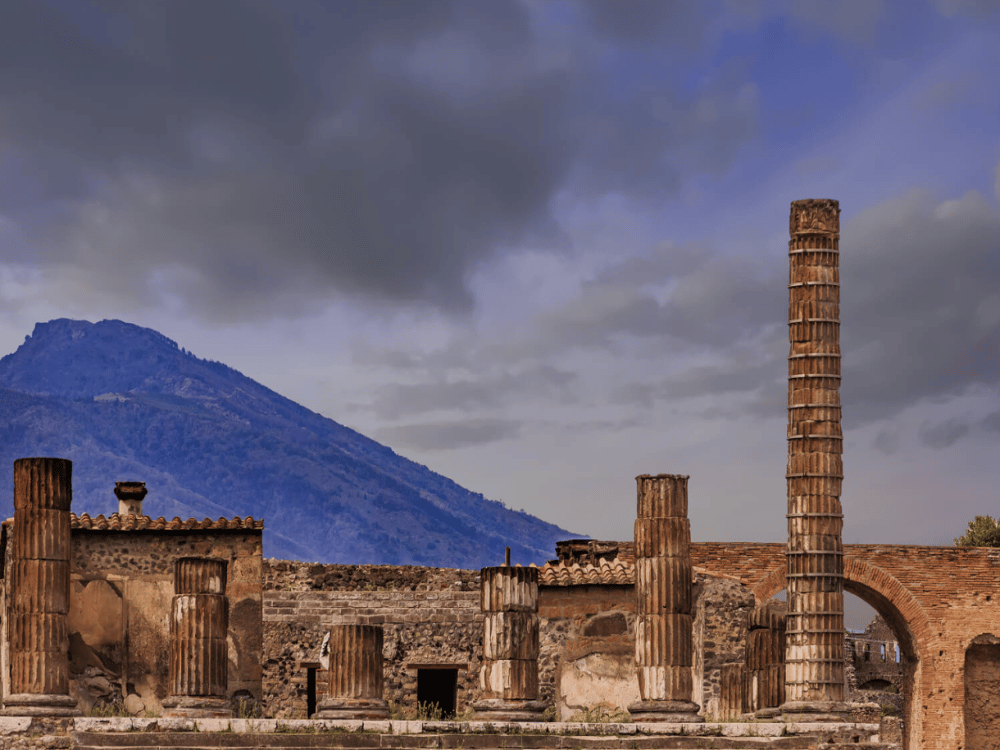
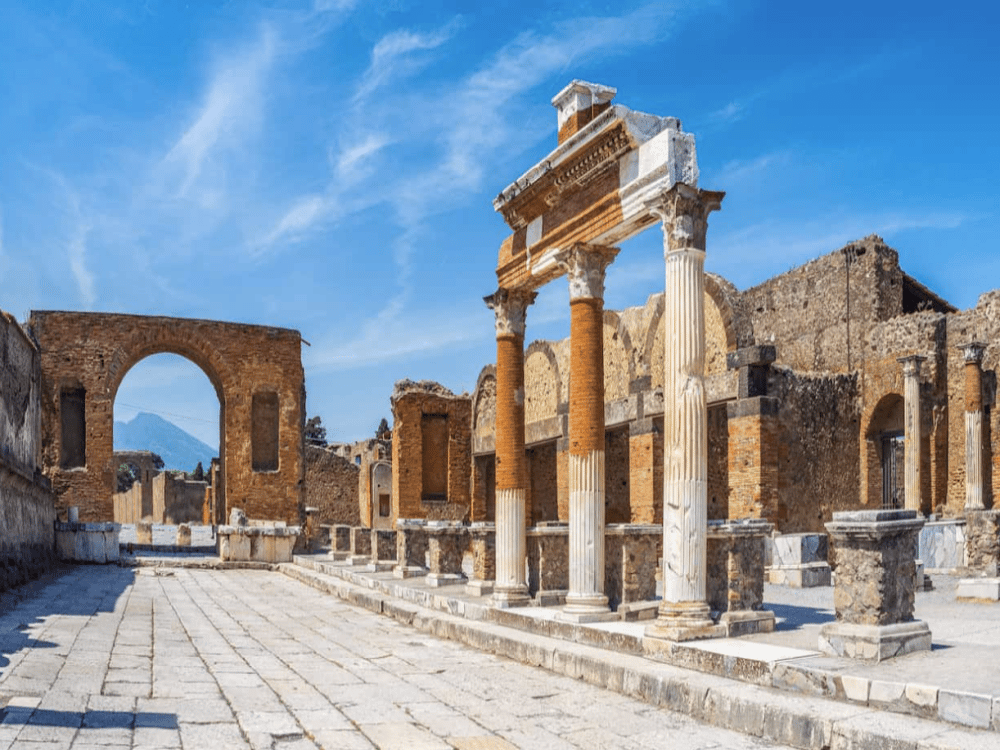
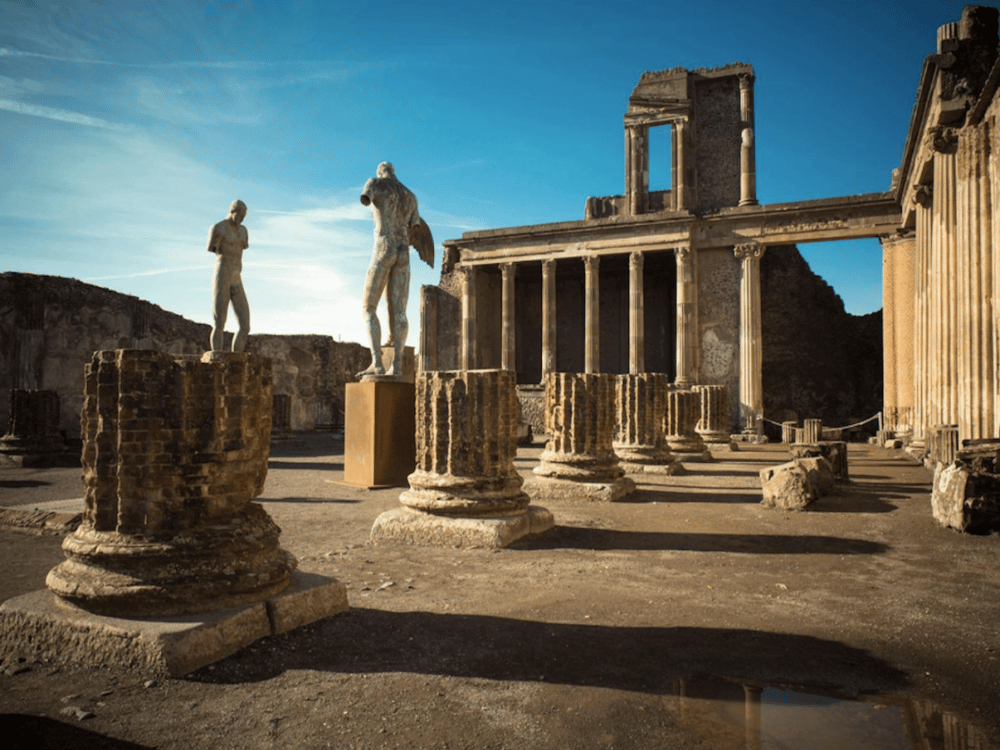
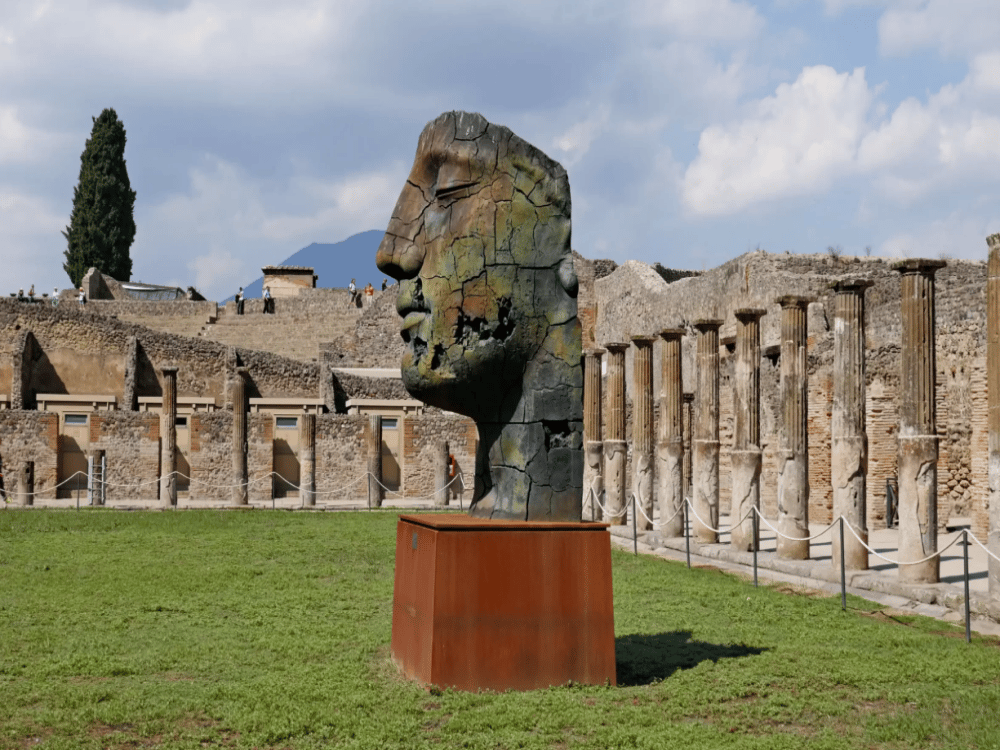
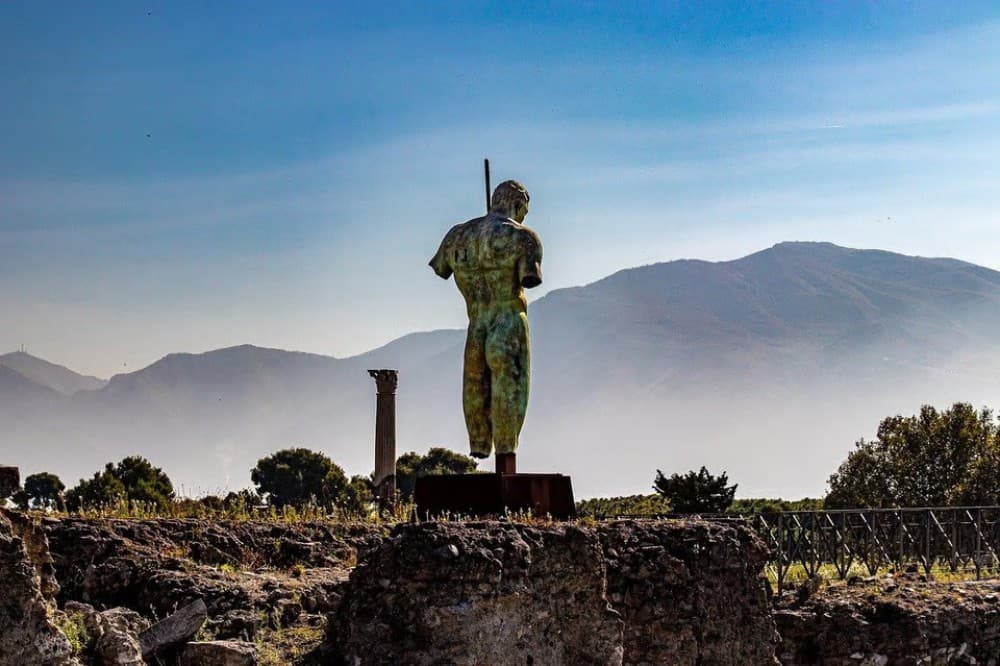
Pompeii is not just a small archaeological site. It covers around 170 acres and contains streets, houses, temples, theaters, bathhouses, and public buildings preserved under layers of volcanic ash. Walking through the ruins, you can see frescoes, mosaics, and even casts of people frozen in the moment of the eruption. It’s a place where history feels incredibly tangible, but it’s also much larger than it appears on a map.
Because of its size, rushing through Pompeii can leave you feeling like you’ve missed a lot. Many travelers underestimate how much walking is involved. Comfortable shoes, water, and sunscreen are essential. Even a half-day visit can be tiring if you want to explore thoroughly.
A Half-Day Visit
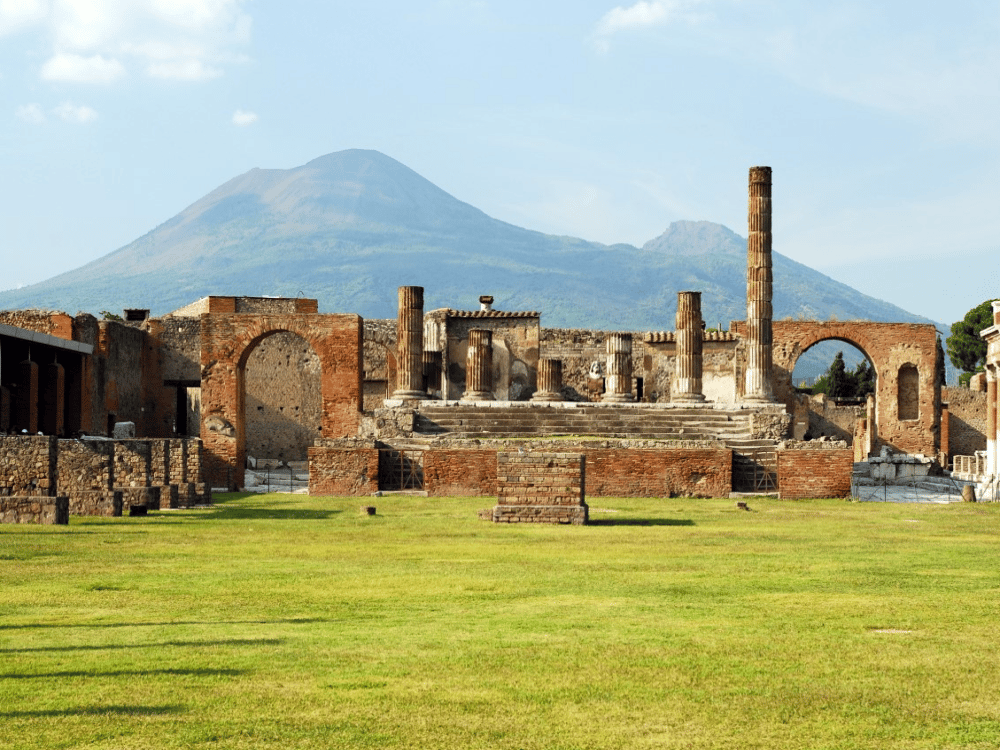
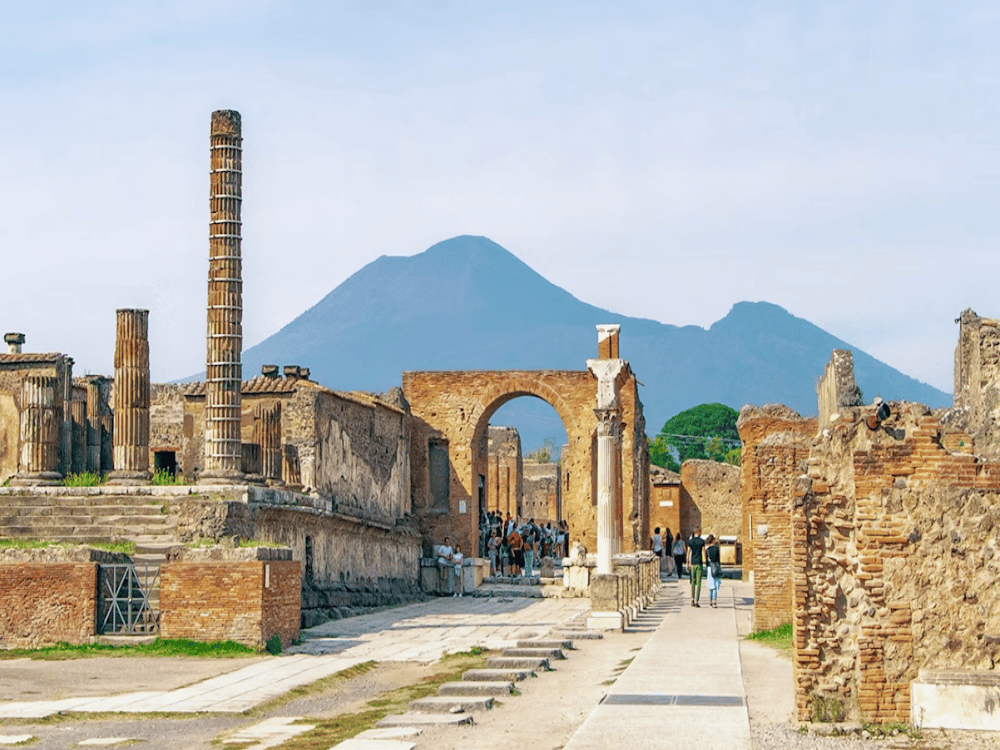
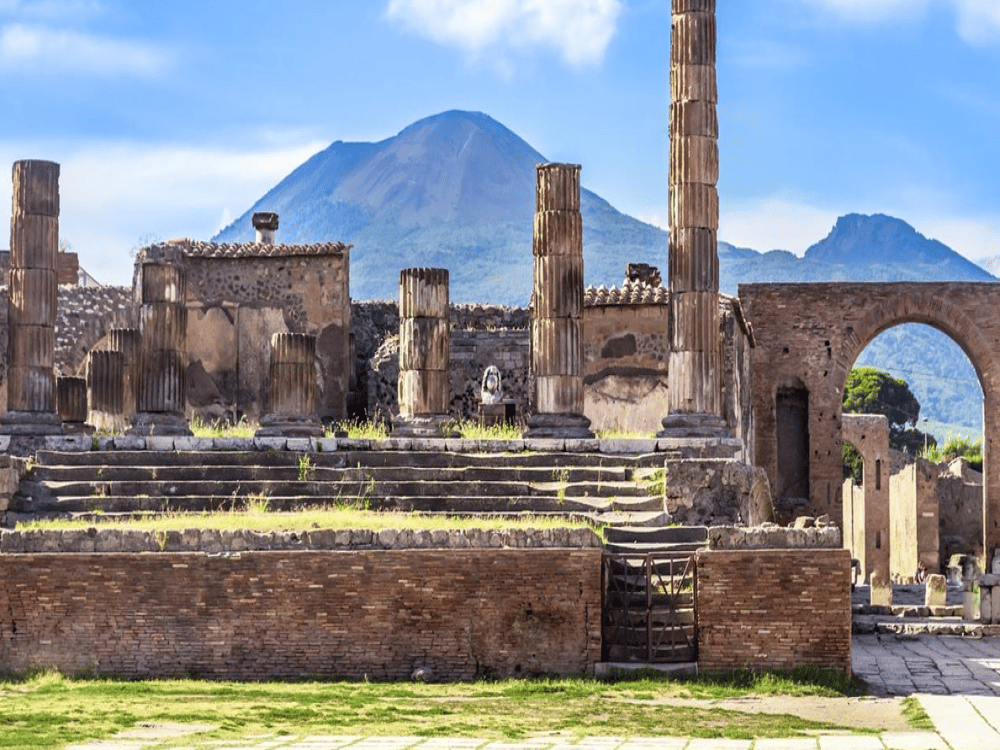
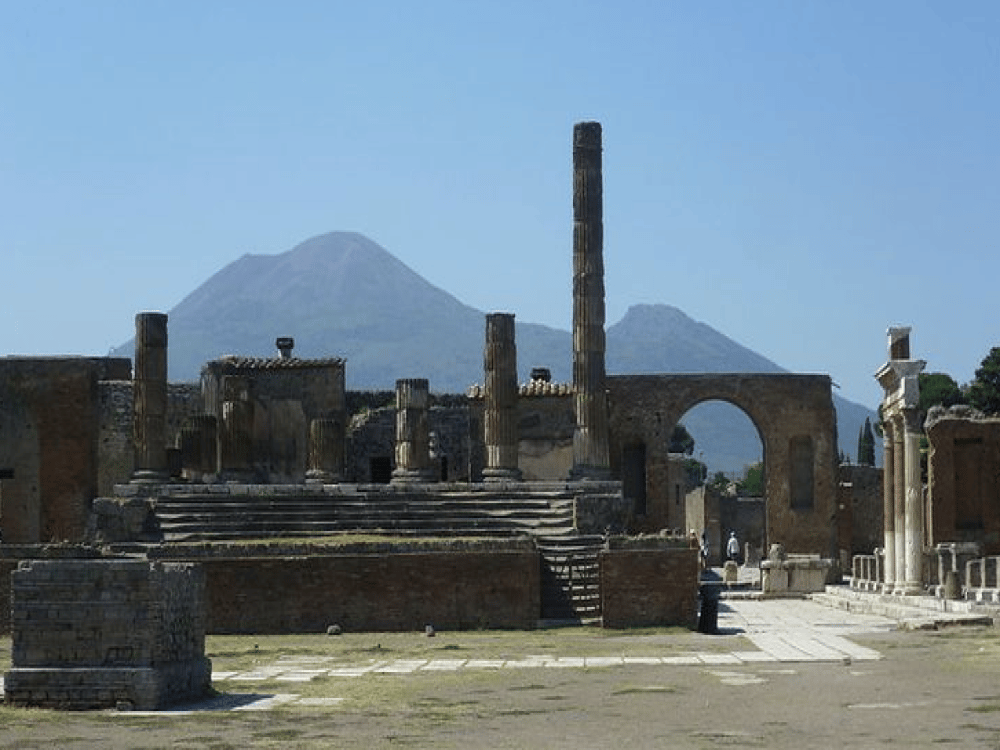
If your schedule is tight, you can see the highlights of Pompeii in about 3 to 4 hours. This is enough time to walk through the main streets and visit major sites like the Forum, the Amphitheater, and the Villa of the Mysteries. A half-day visit gives you a snapshot of the city’s history but leaves out many smaller streets, houses, and intricate frescoes.
This approach works best for those who are on a guided tour or combining Pompeii with a trip to Mount Vesuvius or the Amalfi Coast. You’ll get the essential experience, but it will feel like a surface-level exploration.
A Full-Day Visit
For a more in-depth experience, a full day is ideal. Spending 6 to 8 hours in Pompeii allows you to explore both the famous landmarks and the quieter corners of the city. You can take your time to appreciate the detailed artwork, climb the ancient streets, and even pause to imagine daily life in Roman times.
With a full day, you also have the option to hire a local guide or use an audio guide. These tools bring the ruins to life, explaining the stories behind the buildings, the people who lived there, and how the city functioned before the eruption. A leisurely pace also reduces fatigue, allowing you to enjoy the experience without feeling rushed.
Two Days or More
While most tourists find one full day sufficient, history enthusiasts and archaeology lovers might benefit from two days. This gives you time to explore not only Pompeii but also the nearby sites of Herculaneum and Oplontis, which were also affected by Mount Vesuvius. Spending extra time allows for a deeper understanding of Roman life and architecture.
A second day can also be less structured. You might revisit favorite areas, take better photos, or simply sit and soak in the atmosphere. Since Pompeii is a living classroom of history, the extra time can be especially rewarding.
Tips for Planning Your Visit
Timing your visit wisely can enhance your experience. Pompeii tends to be busiest between late morning and early afternoon, so arriving early can help you avoid crowds. Weekdays are generally quieter than weekends.
It’s also worth considering the weather. Summer can be very hot, so bringing water, a hat, and sunscreen is crucial. Spring and fall are ideal times for comfortable walking conditions.
If you’re visiting independently, downloading a site map or an audio guide app beforehand can help you navigate efficiently. Guided tours, whether in-person or virtual, offer historical context that can make the ruins much more meaningful.
Final Thoughts
The amount of time you spend in Pompeii ultimately depends on your interests. A few hours is enough for a quick overview, but a full day offers a more complete and immersive experience. History lovers may even consider two days to fully appreciate the scope of the city and surrounding sites.
No matter how long you stay, Pompeii is an unforgettable destination. Walking through streets frozen in time, imagining life before the eruption, and seeing ancient art preserved for centuries makes it a unique travel experience. Planning your visit carefully ensures that you don’t miss out on the incredible stories this city has to tell.