



Chiang Mai Chiang Rai: Transfer
(0.0/5)
(0 Bewertungen)
Transfers
€43.00
/ Person


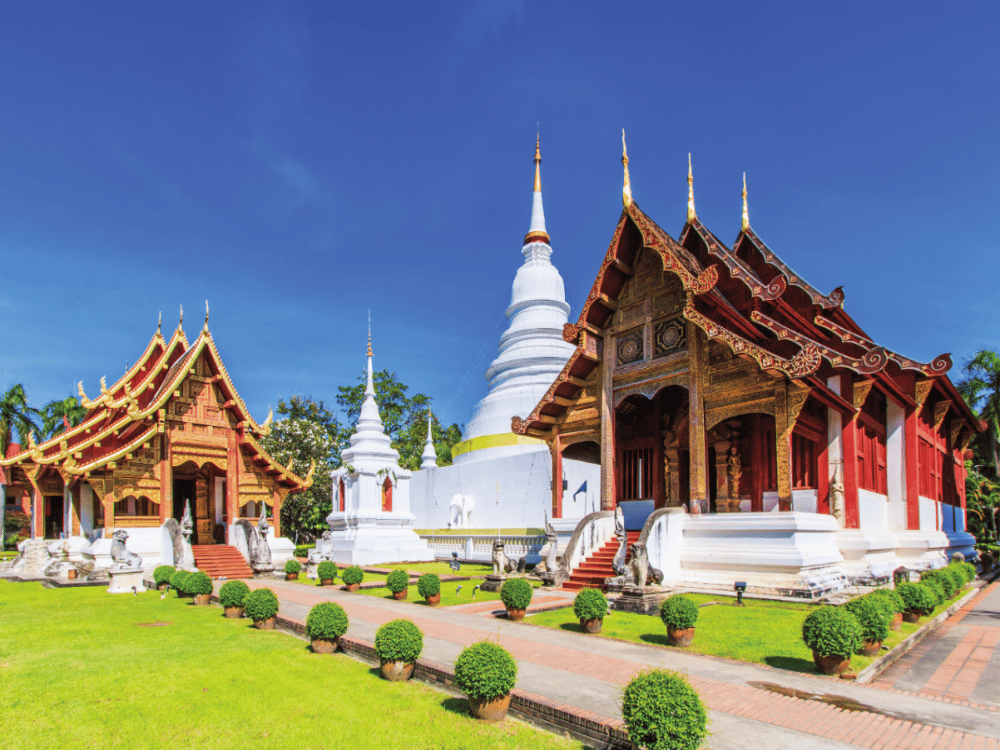
Chiang Mai is one of Thailand’s most beloved destinations, not only for its temples, mountains, and relaxed lifestyle, but also for its unique northern Thai cuisine. The food here is noticeably different from what travelers may already know from Bangkok or southern Thailand. Influenced by Lanna traditions, neighboring Myanmar, and local mountain ingredients, Chiang Mai’s cuisine is rich, aromatic, and deeply connected to daily life. Exploring the city through its food is one of the most rewarding experiences for visitors.
Khao Soi: Chiang Mai’s Signature Dish
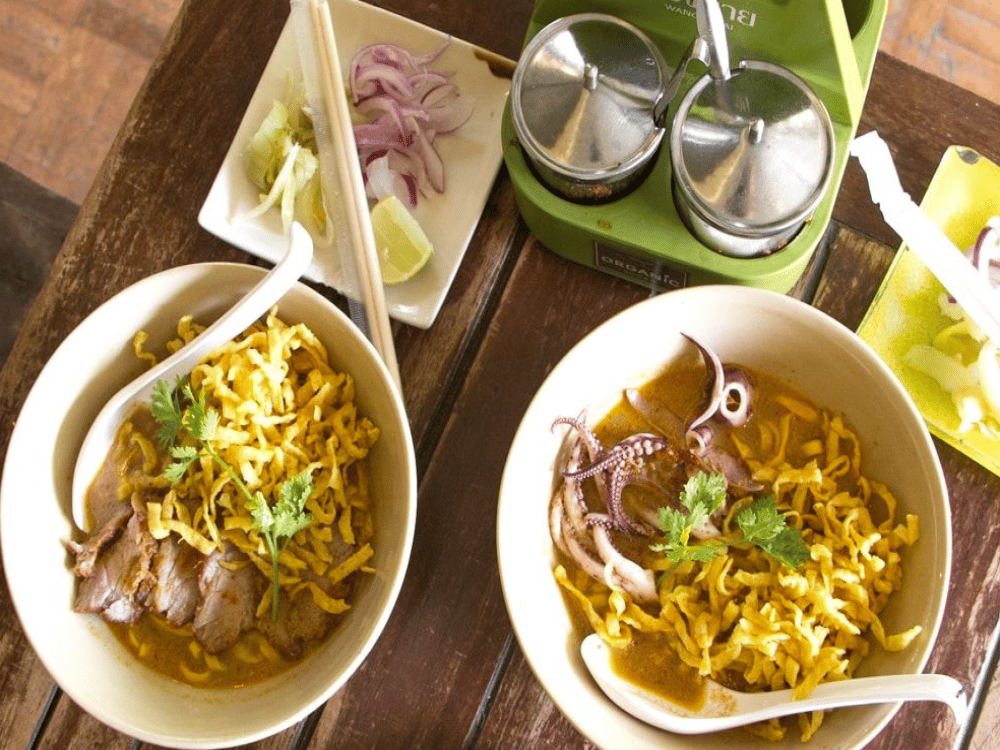
When people think of Chiang Mai food, khao soi is usually the first dish that comes to mind. This iconic northern Thai noodle soup is a perfect example of the region’s layered flavors. Khao soi is made with egg noodles in a creamy coconut curry broth, lightly spiced with curry paste and turmeric. It is usually served with chicken or beef, topped with crispy fried noodles for texture.
What makes khao soi special is the balance between richness and freshness. It is traditionally eaten with pickled mustard greens, raw shallots, lime, and chili oil on the side, allowing each person to adjust the flavor. You can find excellent khao soi in local restaurants, markets, and small family-run eateries throughout Chiang Mai.
Sai Ua: Northern Thai Sausage
Sai ua is a famous northern Thai sausage that reflects the bold, herbal flavors of the region. Made from minced pork, it is seasoned with lemongrass, kaffir lime leaves, galangal, garlic, chili, and spices before being grilled over charcoal. The result is a juicy, aromatic sausage with a smoky finish.
Sai ua is commonly sold at street stalls and local markets, especially at places like Warorot Market. Locals often enjoy it sliced and served with sticky rice and fresh vegetables. For visitors, it is an easy and delicious introduction to northern Thai flavors.
Nam Prik Ong and Nam Prik Noom: Traditional Chili Dips
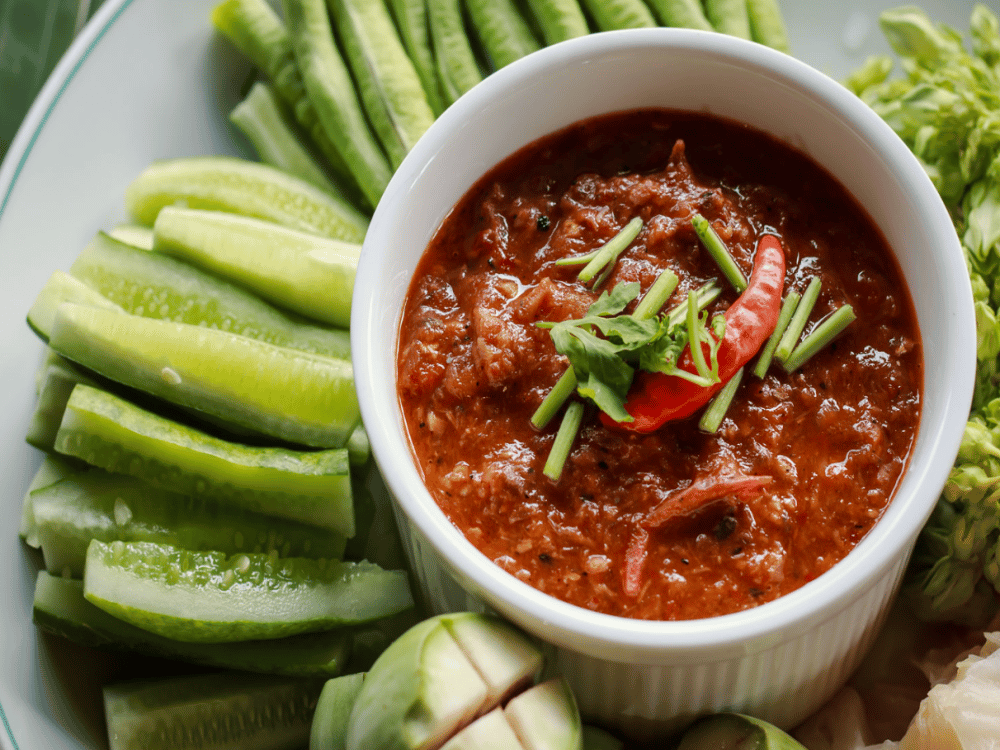
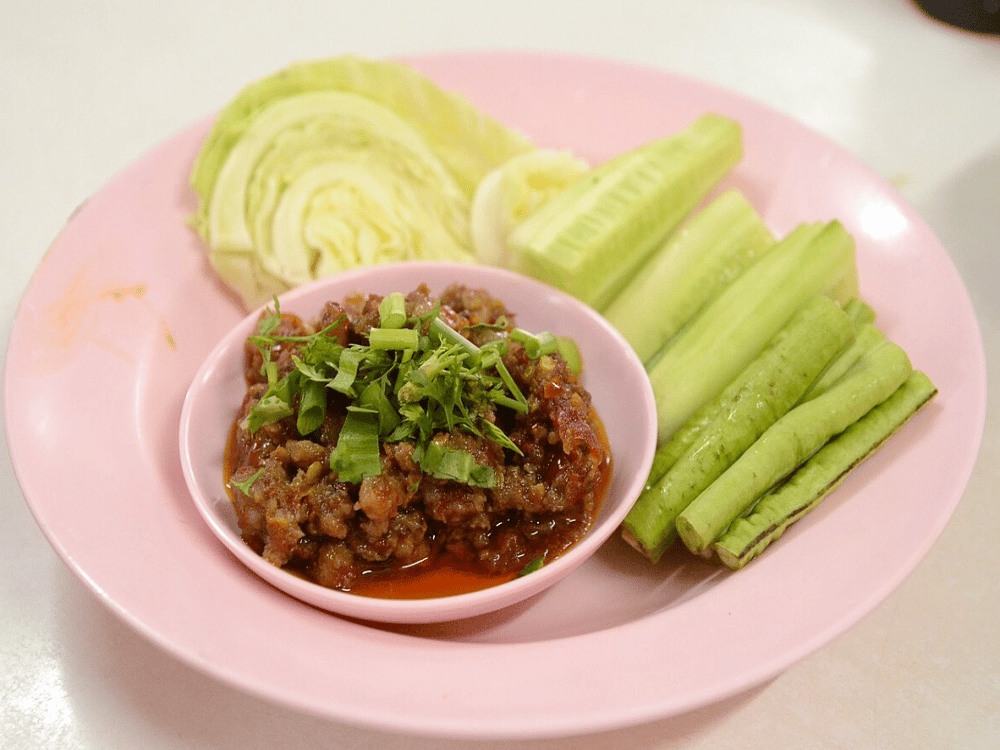
Chili dips, known as “nam prik,” are an essential part of northern Thai meals. In Chiang Mai, two types stand out. Nam prik ong is a mild tomato-based dip with minced pork and chili, while nam prik noom is made from roasted green chilies, garlic, and shallots.
These dips are usually served with raw or steamed vegetables and crispy pork rinds. They are not overly spicy but are full of smoky and savory flavors. Trying nam prik with local vegetables gives travelers insight into how northern Thai people traditionally eat at home.
Khan Toke Dining: A Cultural Food Experience
Khan toke is not a single dish but a traditional style of dining that originates from the Lanna Kingdom. Food is served on a low round table, and diners sit on the floor while sharing multiple small dishes. A typical khan toke meal may include khao soi, sai ua, fried chicken, chili dips, sticky rice, and seasonal vegetables.
Today, khan toke dinners are often offered as cultural experiences with traditional music and dance performances. While some versions are more tourist-oriented, they still provide a valuable opportunity to sample several northern Thai dishes in one setting.
Gaeng Hang Lay: Northern Thai Pork Curry
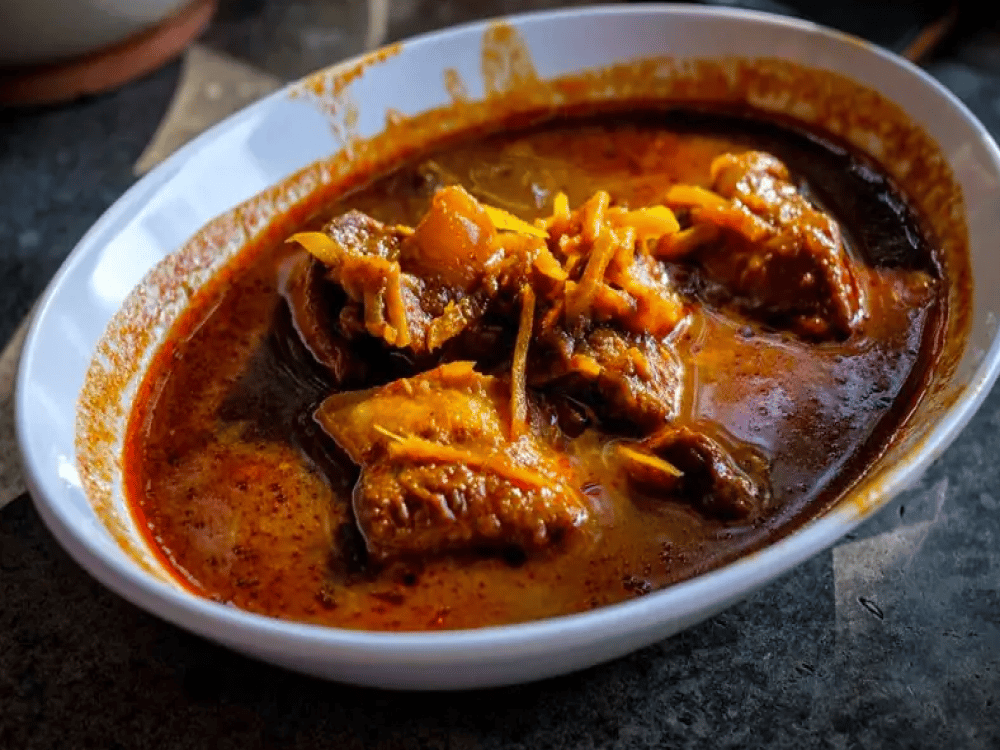
Gaeng hang lay is a rich pork curry that shows the Burmese influence on northern Thai cuisine. Unlike many Thai curries, it does not use coconut milk. Instead, it is slow-cooked with ginger, garlic, tamarind, and spices until the pork becomes tender and flavorful.
This curry has a slightly sour and sweet taste, with warm spices that make it comforting and satisfying. It is often served at family gatherings, festivals, and local restaurants, making it a great dish for travelers looking to try something less common outside northern Thailand.
Sticky Rice: A Daily Staple in Chiang Mai
Sticky rice, known as “khao niaow,” is the main carbohydrate in northern Thailand, unlike jasmine rice which is more common elsewhere. It is steamed and eaten by hand, often paired with sausages, curries, or chili dips.
You will see locals carrying small bamboo containers filled with sticky rice, especially in markets and rural areas. For visitors, eating sticky rice the local way adds an authentic touch to the food experience in Chiang Mai.
Local Markets and Street Food Culture
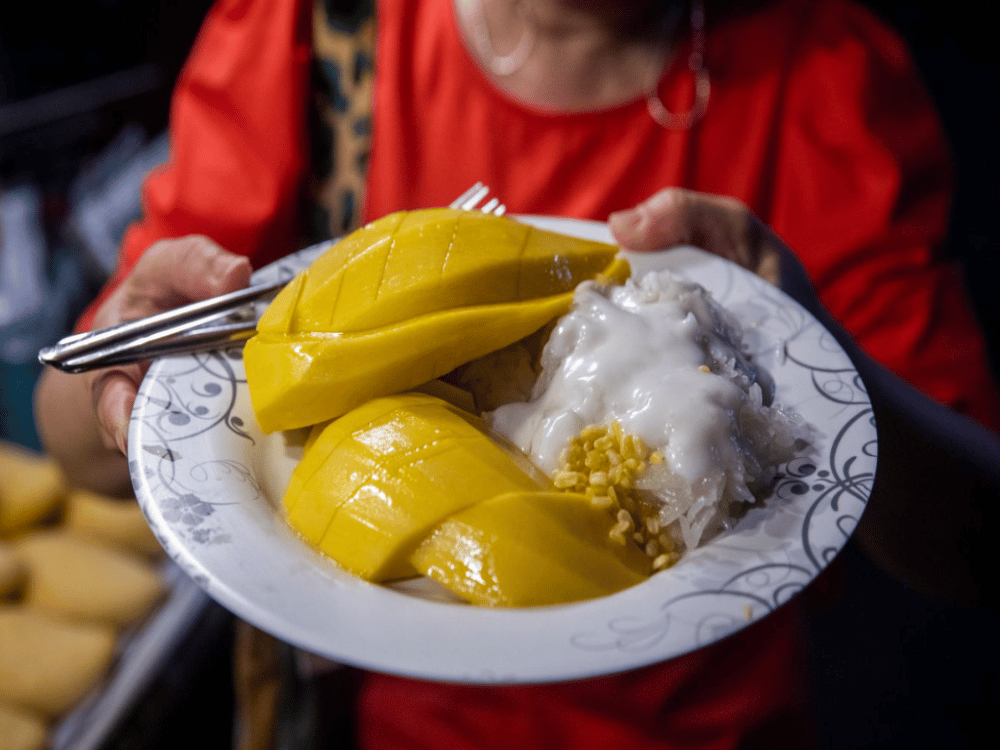
One of the best ways to experience Chiang Mai’s famous food is by visiting its markets. Places like Sunday Walking Street, Saturday Night Market, and local morning markets offer a wide range of northern Thai dishes, snacks, and desserts. From grilled meats and noodles to fresh fruit and sweets, the variety is impressive.
Street food in Chiang Mai is generally affordable, freshly prepared, and full of flavor. It also gives travelers the chance to see how locals eat on a daily basis, making food exploration both enjoyable and educational.
A City Defined by Its Flavors
Chiang Mai’s food scene is deeply rooted in history, geography, and tradition. The dishes are not just meals but expressions of local identity and culture. Whether it is a bowl of khao soi at a humble roadside shop or a shared khan toke dinner, food in Chiang Mai offers a memorable journey into northern Thailand’s way of life.
For travelers who want to understand Chiang Mai beyond its temples and landscapes, tasting its famous food is an essential part of the experience.

Transfers
Guided Tours
Private Tours
Workshops