




Chiang Mai Chiang Rai: Transfer
(0.0/5)
(0 Bewertungen)
Transfers
€43.00
/ Person

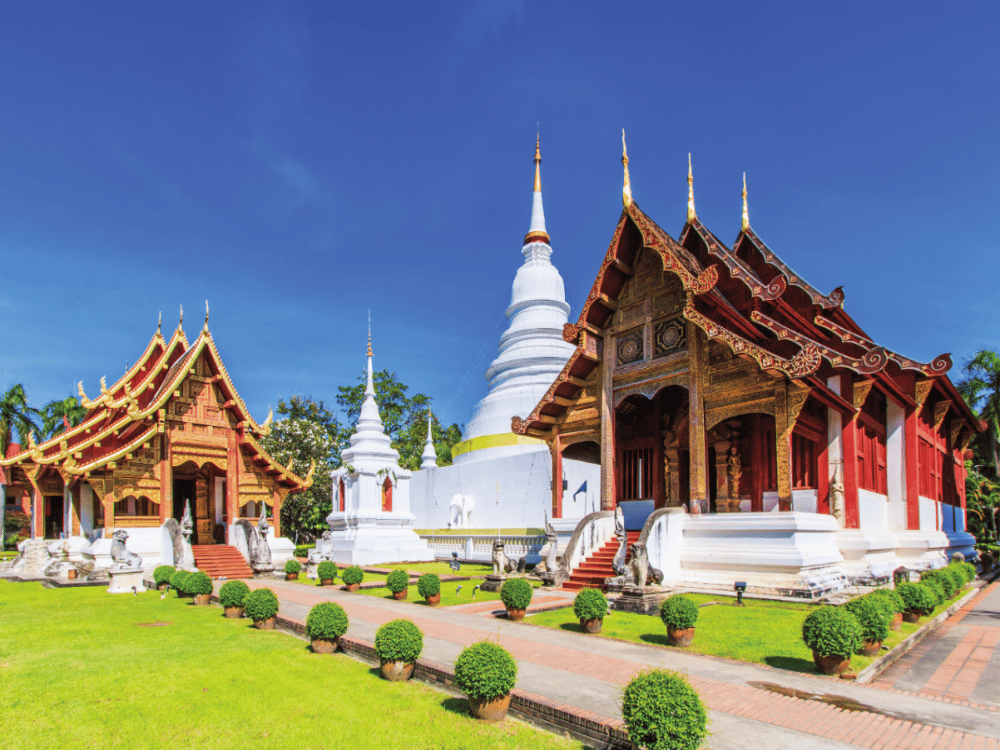


Chiang Mai, located in northern Thailand, is one of the country’s most culturally rich and naturally beautiful cities. Known for its ancient temples, vibrant markets, delicious cuisine, and relaxed atmosphere, it is often a top choice for travelers seeking a combination of culture and nature. But is Chiang Mai really worth visiting? The answer largely depends on what kind of travel experience you are looking for, but for many visitors, the city offers an unforgettable and multifaceted experience.
Culture and History
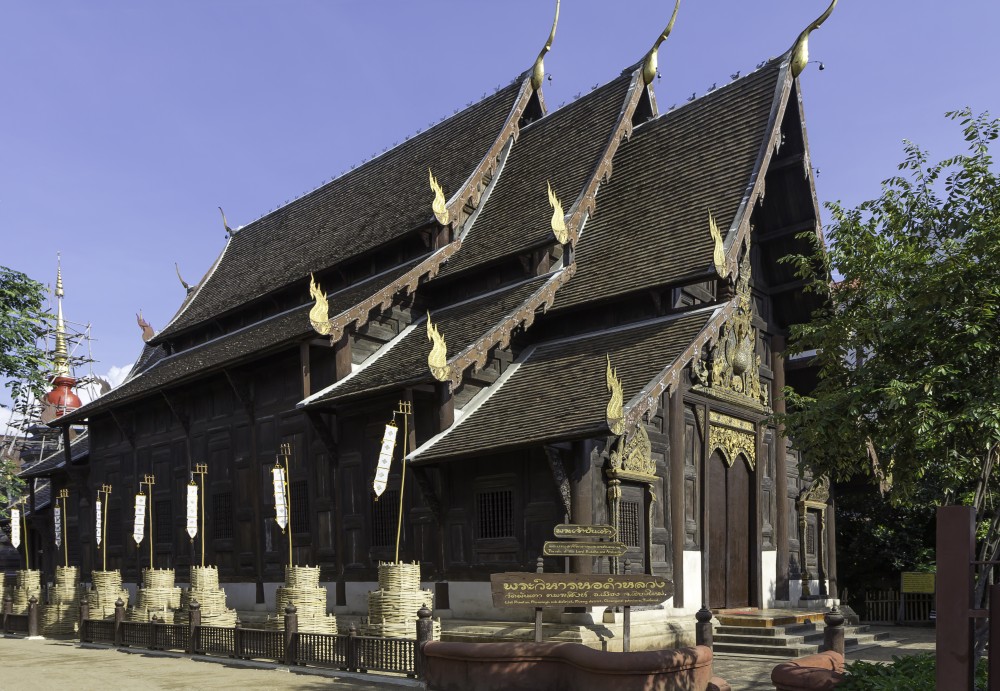
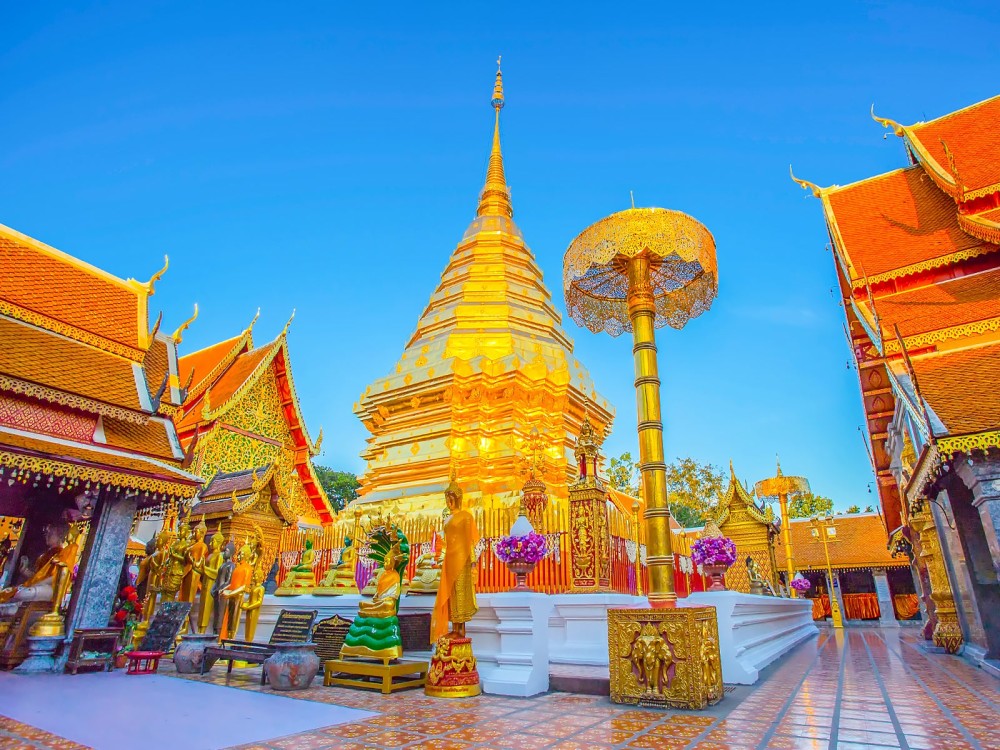
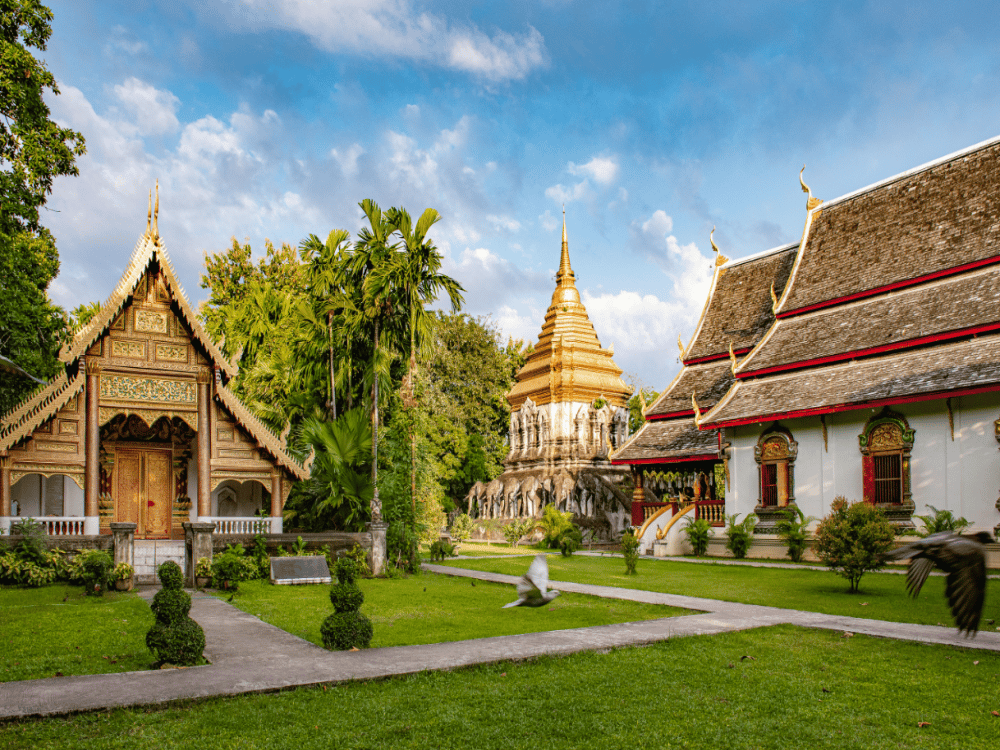
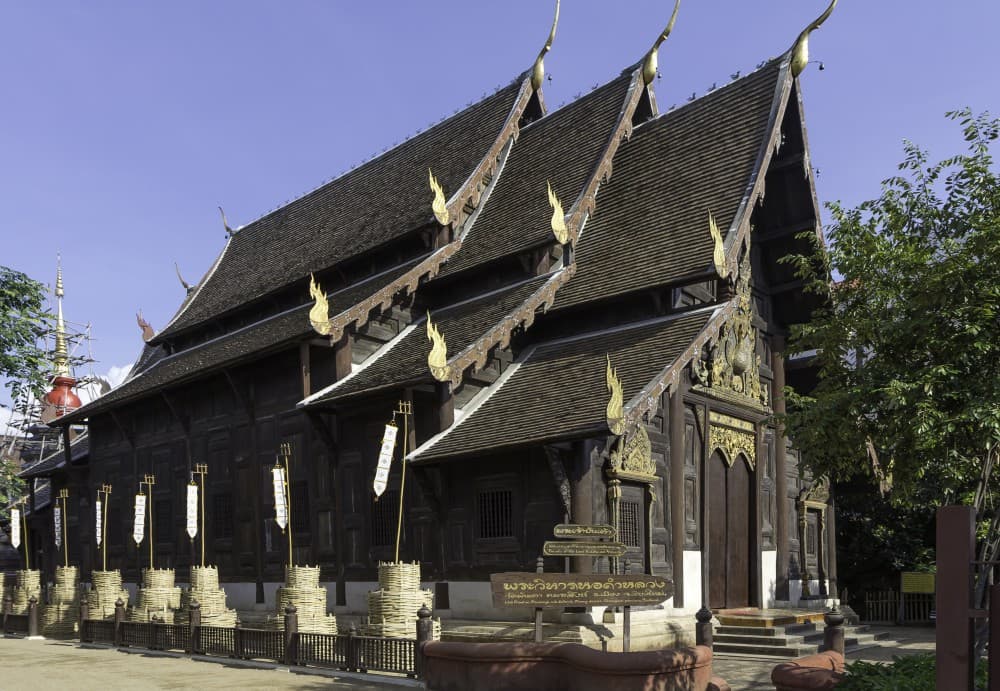
One of Chiang Mai’s main attractions is its rich cultural and historical heritage. The city is home to hundreds of Buddhist temples, some dating back centuries, each offering insight into Thailand’s spiritual and artistic traditions. Wat Phra That Doi Suthep, perched on a mountain overlooking the city, is one of the most iconic sites, combining breathtaking views with intricate architecture. Walking through the Old City, visitors can explore narrow streets lined with temples, small shops, and traditional homes, gaining a glimpse of everyday life in northern Thailand. The city’s cultural vibrancy and historic charm make it an ideal destination for travelers interested in history, religion, and traditional practices.
Food and Affordability
Chiang Mai is also famous for its food, offering a unique culinary experience that stands out even in a country known for its cuisine. Dishes such as Khao Soi, a creamy coconut curry noodle soup, and Sai Ua, a northern Thai sausage, are local specialties that can be enjoyed at markets, street stalls, and small restaurants throughout the city. Compared to other tourist-heavy areas in Thailand, Chiang Mai tends to be more budget-friendly. Accommodations, meals, and daily expenses are generally affordable, making it accessible for both short-term visitors and long-term travelers. This combination of excellent food and cost-effectiveness adds to the city’s appeal, especially for those who want a rich travel experience without overspending.
Nature and Relaxed Atmosphere
Another advantage of Chiang Mai is its balance between urban convenience and natural beauty. The Old City is compact and walkable, with cafés, shops, and cultural sites all within easy reach. At the same time, mountains, forests, waterfalls, and nature reserves surround the city, providing opportunities for hiking, wildlife spotting, and outdoor activities. This combination allows travelers to enjoy a calm and slower pace compared to the bustling energy of Bangkok or other large cities. Visitors can spend the morning exploring temples, the afternoon wandering markets, and the evening relaxing in a quiet café or taking a short trip to nearby nature spots, making Chiang Mai ideal for a diverse itinerary.
Safety and Local Hospitality
Many travelers describe Chiang Mai as safe and welcoming. The locals are generally friendly and accustomed to tourists, offering hospitality that enhances the travel experience. Solo travelers often feel comfortable exploring the city, and families can enjoy cultural and recreational activities without major safety concerns. The city’s atmosphere encourages exploration and meaningful engagement with local culture, whether through food, markets, festivals, or casual conversations with residents.
Things to Keep in Mind
Despite its many attractions, Chiang Mai does have some drawbacks. One of the most notable is the seasonal air quality issue known as the “burning season,” which occurs roughly from late February to mid-April. During this time, farmers burn fields in the region, causing heavy smoke and haze that can affect visibility and health. Travelers with respiratory issues may find this period uncomfortable. Additionally, some areas of the city can feel crowded and touristy, especially near popular temples and markets. While Chiang Mai still offers authenticity, visitors seeking a completely off-the-beaten-path experience may need to explore more carefully or avoid peak tourist spots.
Transportation is another consideration. While the Old City is walkable, reaching more distant temples, mountains, or countryside attractions usually requires taxis, scooters, or guided tours. Public transportation is limited, so planning ahead is important. Moreover, Chiang Mai’s nightlife is relatively subdued compared to larger cities; it features relaxed bars, live music venues, and casual evening entertainment rather than nightclubs and luxury shopping districts. Travelers seeking high-energy nightlife may find the options more limited.
Who Should Visit Chiang Mai
Chiang Mai is ideal for travelers who enjoy cultural exploration, culinary experiences, and a combination of city life and nature. It is especially suitable for those who prefer slower-paced travel, meaningful experiences, and budget-friendly options. On the other hand, it may be less appealing for visitors who are sensitive to seasonal air pollution, dislike tourist crowds, or expect a vibrant nightlife and high-end shopping. Choosing the right time to visit and managing expectations are essential for having a rewarding experience in the city.
Conclusion
Overall, Chiang Mai is a destination that blends tradition, nature, and modern convenience in a way that few other places can. The city offers rich cultural heritage, authentic food experiences, and accessible natural attractions, making it a versatile choice for many types of travelers. With careful planning to avoid seasonal haze and a willingness to embrace the city’s slower pace, Chiang Mai is absolutely worth visiting. Spending several days exploring temples, markets, and nearby nature will provide a well-rounded experience and a deeper appreciation for northern Thailand’s unique charm.

Transfers
Guided Tours
Private Tours

Workshops