




Shuttle bus Da Nang- Hoi An Memories Show- Da Nang
(0.0/5)
(0 Bewertungen)
Transfers
€10.00
/ Person



Understanding Dong Hoi’s Climate
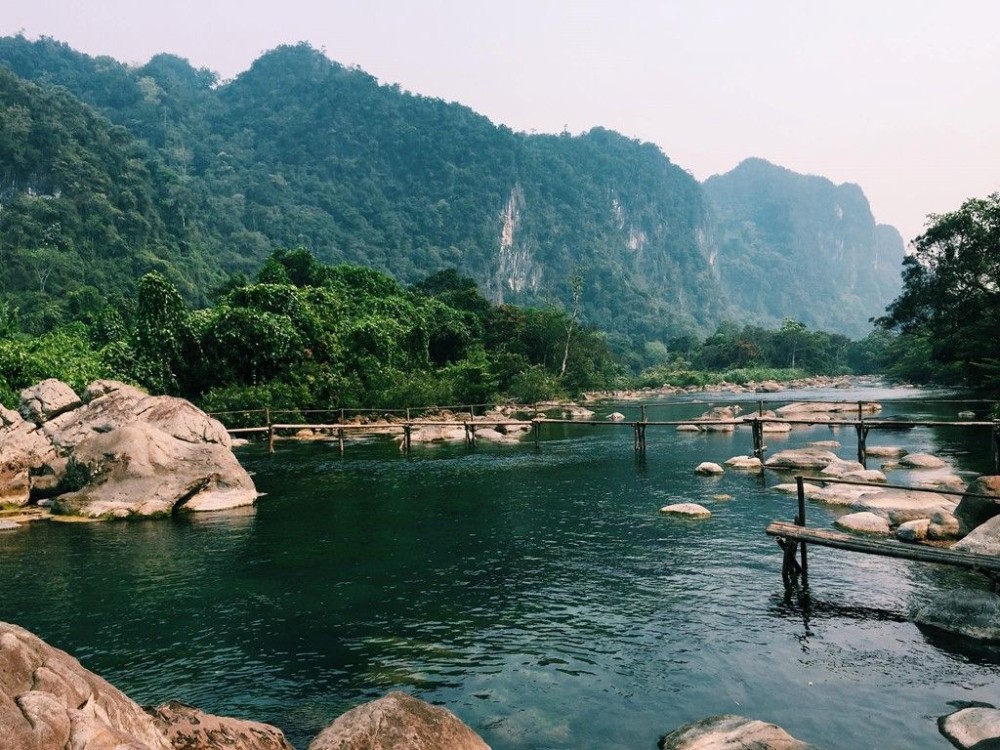
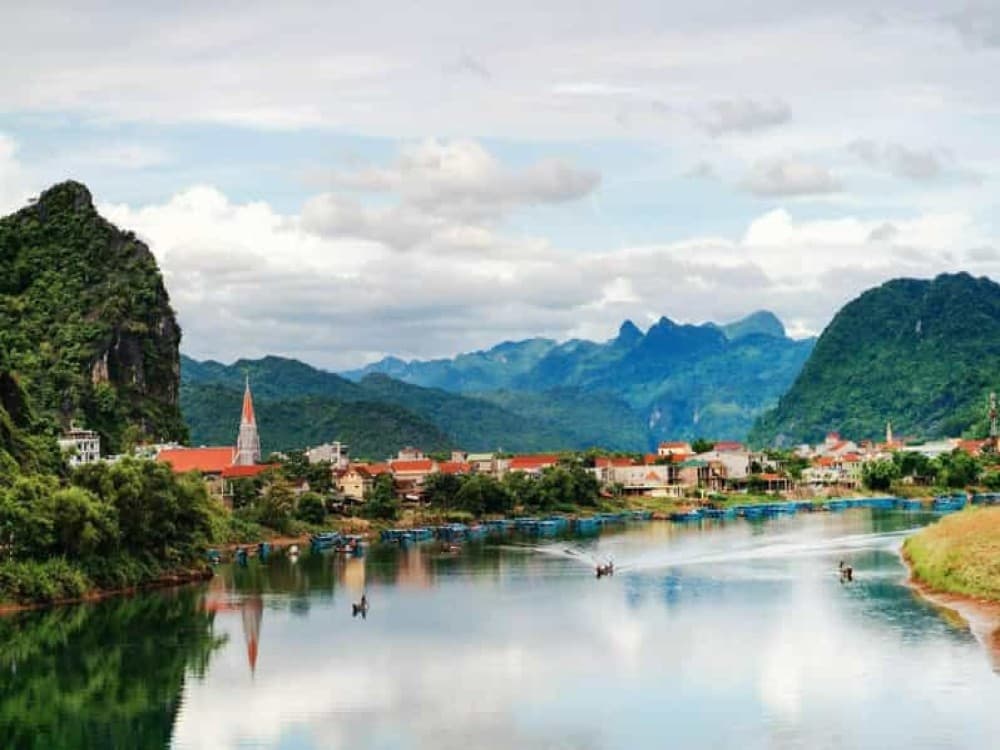
Dong Hoi, located along Vietnam’s central coast, experiences a tropical monsoon climate that brings warm temperatures year-round but also clear seasonal changes. The weather plays a big role in how enjoyable your trip will be, especially since many of Dong Hoi’s highlights—like Phong Nha-Ke Bang National Park, beaches, riverfront areas, and caves—are best explored in stable, dry conditions. Choosing the right month ensures you get the most out of both city experiences and outdoor adventures without interruptions from heavy rain or heat.
The Best Overall Period: February to April
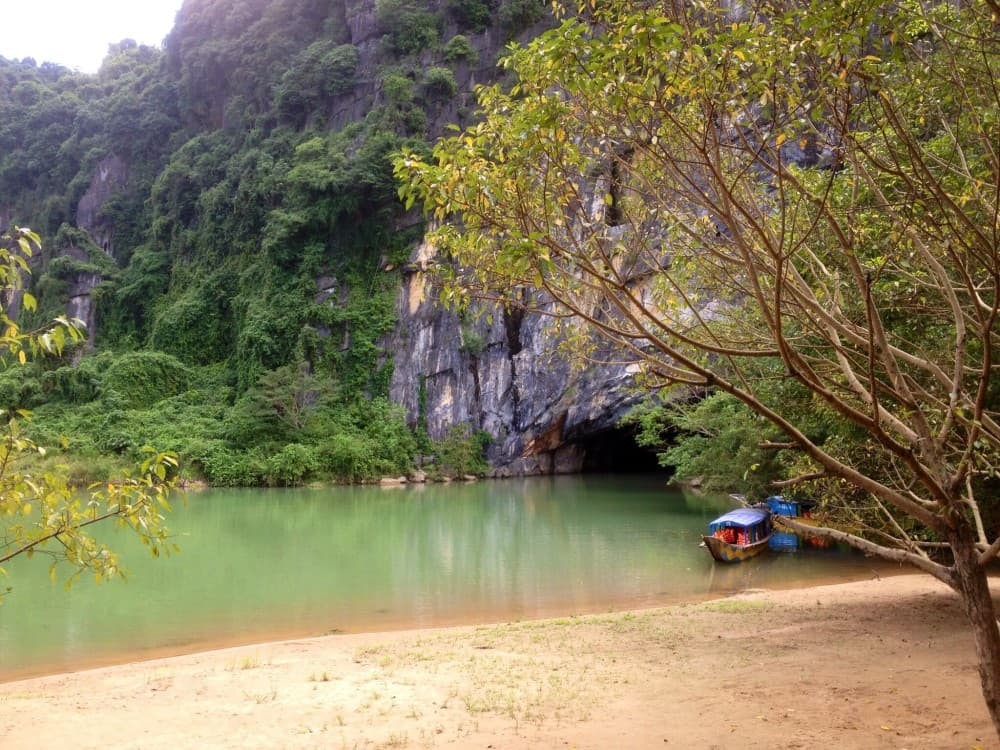
The ideal time to visit Dong Hoi is February through April, when the weather is comfortably warm, humidity is lower, and rainfall is minimal. During these months, temperatures sit between 20°C and 28°C, giving you perfect conditions to explore the region’s caves, join boat tours, walk around the city, or relax by the beach. Visibility inside caves like Paradise Cave or Phong Nha Cave is at its best, and outdoor excursions feel enjoyable rather than exhausting. This season also avoids the intense heat of early summer and the unpredictable storms of autumn.
Summer Season: May to August
If you enjoy beach time and don’t mind warmer temperatures, summer can still be a great time to visit. From May to August, Dong Hoi becomes hotter, with temperatures often rising above 32°C. The sea is usually calm and ideal for swimming, and the long days give you plenty of time to explore. However, humidity increases sharply, and some days may feel extremely hot, especially during midday. The advantage of this season is that it brings the most vibrant beach atmosphere and clear waters, making it ideal for relaxation-focused trips.
Rainy and Stormy Season: September to November
The months from September to November are considered the least favorable period to visit Dong Hoi. This is when central Vietnam enters its rainy season, often bringing heavy downpours, floods, and occasional typhoons. Many outdoor activities may be canceled, and some cave entrances can be restricted due to rising water levels. Travel schedules may also face disruptions. Unless you are flexible with your plans and prepared for unstable weather, it’s best to avoid this period.
Winter: December to January
Winter in Dong Hoi is cooler and cloudier, with temperatures ranging between 18°C and 22°C. While it’s far from cold by global standards, the weather can feel damp, and the sea is not always suitable for swimming. However, sightseeing in the city, exploring historical landmarks, and taking cave tours remain possible. This season is also less crowded, offering a quieter travel experience—though it lacks the bright, sunny days many visitors hope for.
Choosing the Best Time Based on Activities
If you want outdoor adventures, cave exploration, and water activities, the dry months are by far the most rewarding. Beach lovers will enjoy the early summer period, while travelers who prefer crowd-free exploration might choose winter. The key is to match your expectations with Dong Hoi’s seasonal patterns so you get the most value out of your trip.
Final Thoughts
Overall, February to April stands out as the best time to visit Dong Hoi, thanks to its mild temperatures, minimal rainfall, and ideal conditions for both city sightseeing and nature activities. While each season offers something different, choosing the right month ensures a comfortable, enjoyable, and memorable travel experience in one of Vietnam’s most peaceful coastal destinations.

Transfers