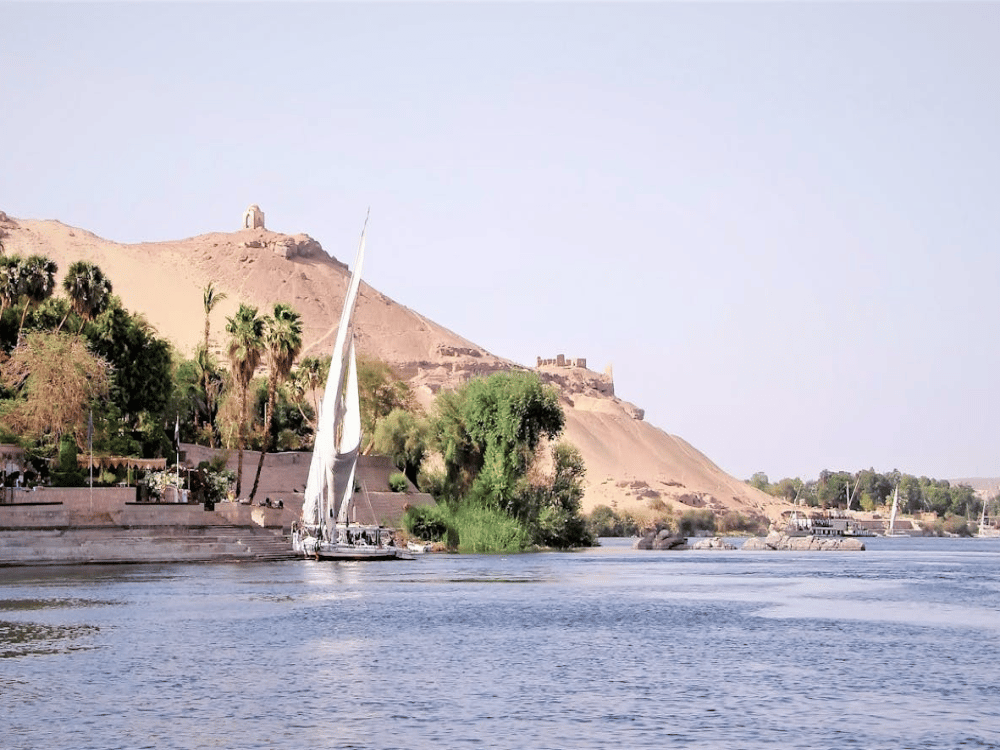
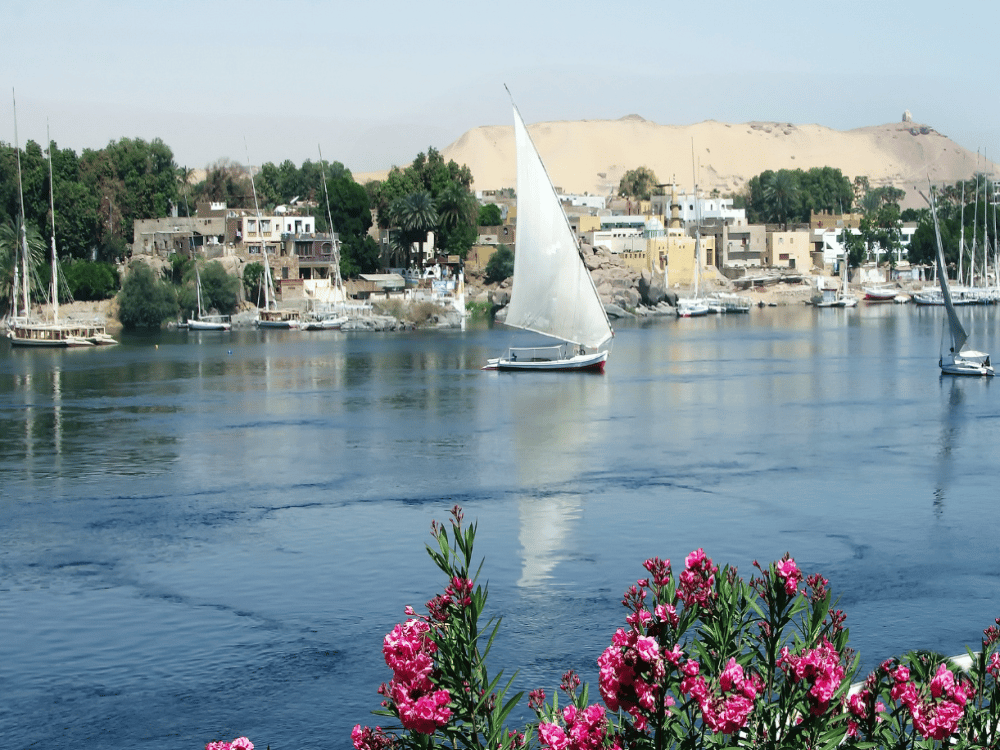
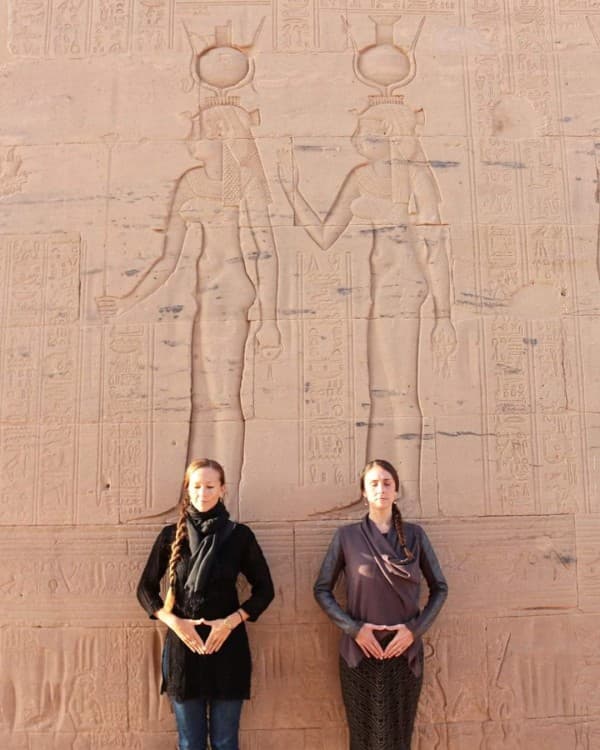
Aswan, located in southern Egypt along the banks of the mighty Nile, is one of the country’s most charming destinations. Known for its warm climate, stunning river views, and rich cultural heritage, Aswan offers a unique blend of history, natural beauty, and relaxation. However, because of its desert climate, the time of year you visit can significantly affect your experience. In this guide, we’ll explore the best seasons to visit Aswan, what to expect during each, and tips to make your trip as enjoyable as possible.
Understanding Aswan’s Climate
Aswan has a hot desert climate, with extremely high temperatures in summer and mild, pleasant weather in winter. Summers, from May to September, can be scorching, with daytime temperatures often exceeding 40°C (104°F). Nights are warmer than in other parts of Egypt, but the desert sun can make outdoor activities challenging.
Winters, on the other hand, from November to March, are much more comfortable. Daytime temperatures usually range from 20°C to 25°C (68°F to 77°F), while nights can be cooler, sometimes dropping to around 10°C (50°F). This makes winter the most popular season for travelers who want to explore Aswan comfortably.
Spring (March to May) and autumn (September to November) are transitional seasons. They are generally warm, but sudden heat waves can occur, particularly in late spring. These months are less crowded than the peak winter season, which may appeal to travelers seeking a quieter experience.
Peak Tourist Season: Winter
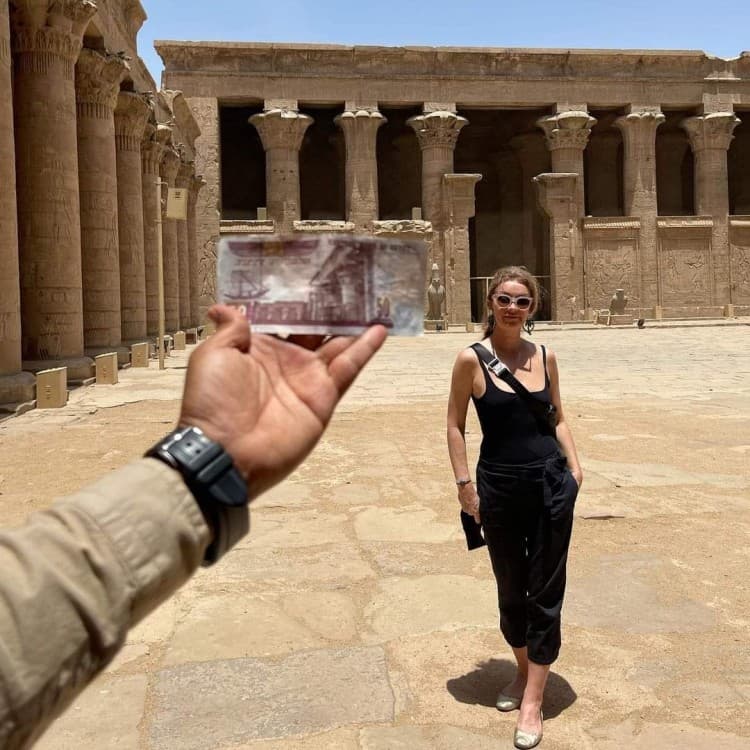
For most travelers, the ideal time to visit Aswan is during the winter months, from November to March. During this period, the weather is mild and ideal for outdoor sightseeing, making it much easier to explore the city’s many attractions. Nile cruises are particularly enjoyable at this time, as the cooler temperatures create a comfortable environment for sailing along the river. Visiting historical landmarks such as Philae Temple, the Unfinished Obelisk, and the Nubian villages is also far more pleasant compared to the hotter months. However, winter coincides with the peak tourist season in Egypt, so while the weather is excellent, visitors should expect larger crowds and slightly higher prices for accommodations and tours. To ensure a smooth experience, it is highly recommended to book hotels and excursions in advance.
Shoulder Seasons: Spring and Autumn
Spring and autumn are also excellent times to visit Aswan, especially for travelers who prefer to avoid large crowds. In spring, from March to May, the desert occasionally comes alive with patches of greenery, creating beautiful scenery along the Nile. While temperatures can rise in late April and May, early spring generally offers more comfortable conditions. Autumn, from September to November, follows the intense heat of summer, with gradually milder temperatures. Although the landscape may still retain some warmth, evenings are pleasantly cool, making outdoor activities more enjoyable. Traveling during these shoulder seasons allows visitors to explore Aswan’s attractions at a more relaxed pace, with lower accommodation costs and fewer crowds at popular sites.
Summer in Aswan
Summer in Aswan, from June to September, is extremely hot and generally not ideal for sightseeing, with temperatures often exceeding 40°C (104°F), making outdoor activities exhausting. Despite the intense heat, some travelers still visit during this period to take advantage of special hotel deals or to enjoy the tranquility of fewer tourists. If you choose to travel to Aswan in summer, it is important to stay well-hydrated and wear lightweight, breathable clothing. Planning sightseeing excursions for early mornings or late afternoons can help avoid the peak heat, and taking advantage of indoor attractions or Nile cruises provides a comfortable way to experience the city while escaping the midday sun.
Special Events and Festivals
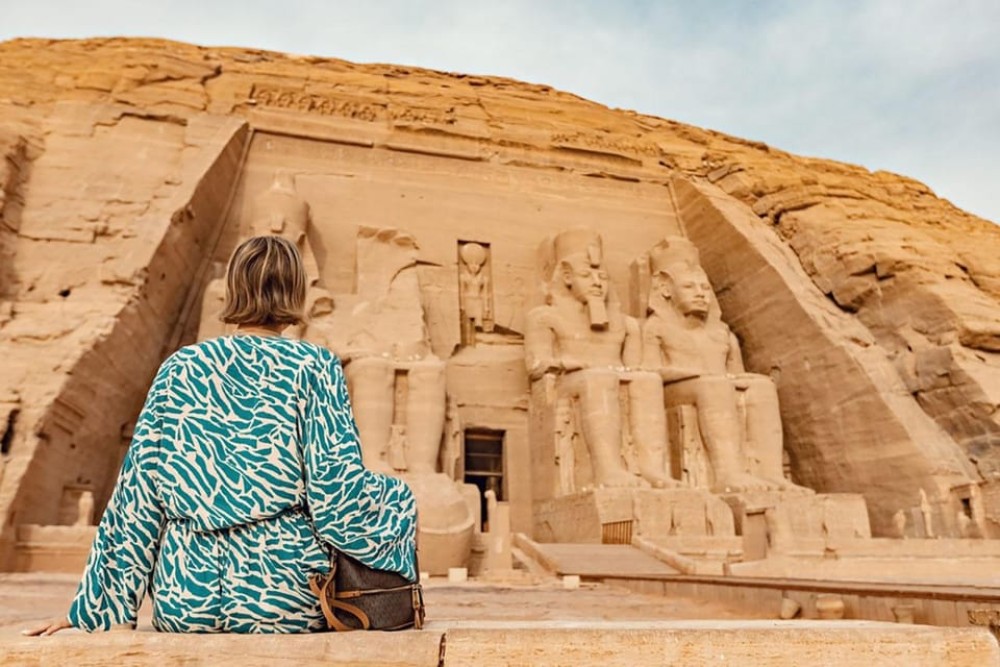
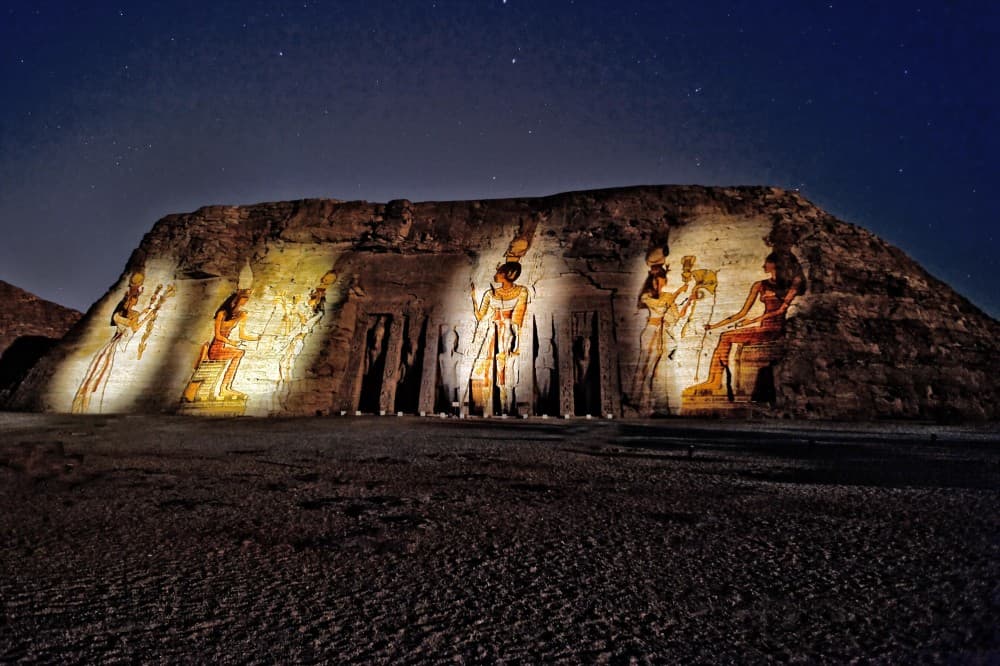
Timing your visit around local events can enhance your experience. The Abu Simbel Sun Festival, for example, occurs twice a year—in February and October—when the sun illuminates the inner sanctuary of the temple. Visiting during these events can make your trip extra memorable, but it also requires advance planning due to limited accommodation and transport options.
Practical Tips for Visiting AswanWhen visiting Aswan, it is important to dress appropriately for both comfort and cultural respect. Lightweight, breathable fabrics are ideal for daytime, while a light jacket may be needed for cooler evenings. Modest clothing is recommended, particularly when visiting cultural and religious sites. Sun protection is essential, so be sure to bring sunscreen, sunglasses, and a hat, especially if traveling outside the winter months. Staying hydrated is also crucial, as the desert climate can quickly lead to dehydration, so always carry water during excursions. In terms of transportation, taxis, private drivers, and Nile cruises offer convenient ways to explore the city, while walking can be particularly enjoyable along the Corniche and around local markets.
Conclusion
The best time to visit Aswan is undoubtedly during the winter months, from November to March, when temperatures are comfortable, and sightseeing is pleasant. However, spring and autumn can also provide enjoyable experiences with fewer crowds and unique natural scenery. Summer is generally best avoided unless you are well-prepared for extreme heat.
Planning your trip according to the season can make your experience in Aswan far more enjoyable, allowing you to fully appreciate its historical treasures, breathtaking Nile views, and the warm hospitality of its people.
Whether you want to explore ancient temples, sail along the Nile, or simply relax and enjoy the desert landscape, choosing the right time to visit Aswan is key to making your journey unforgettable.