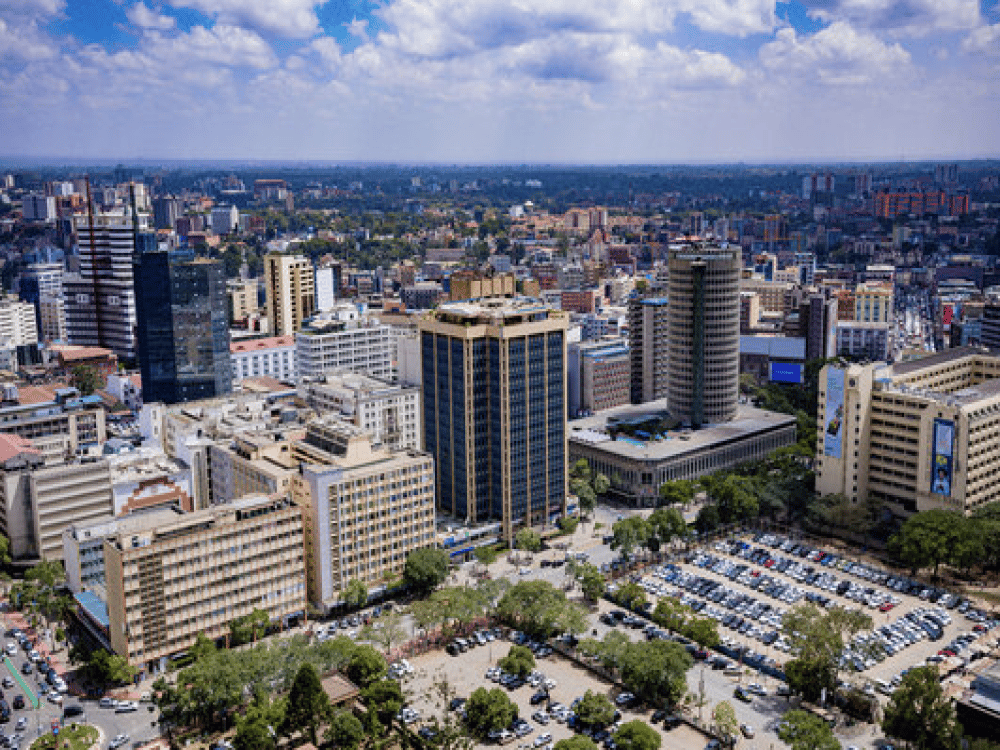
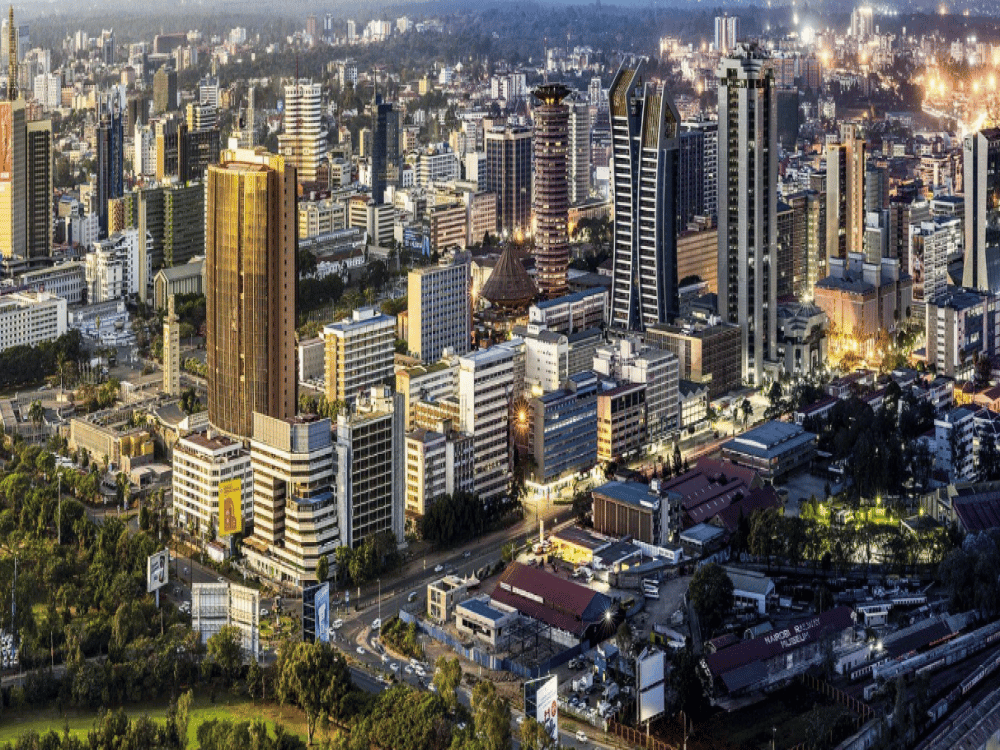
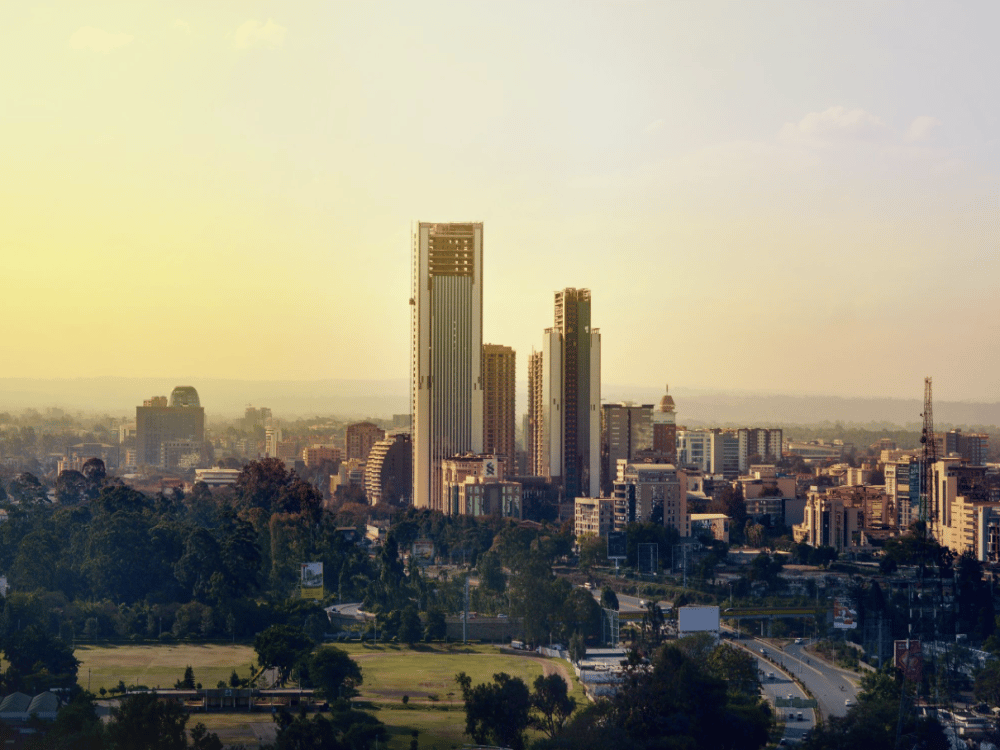
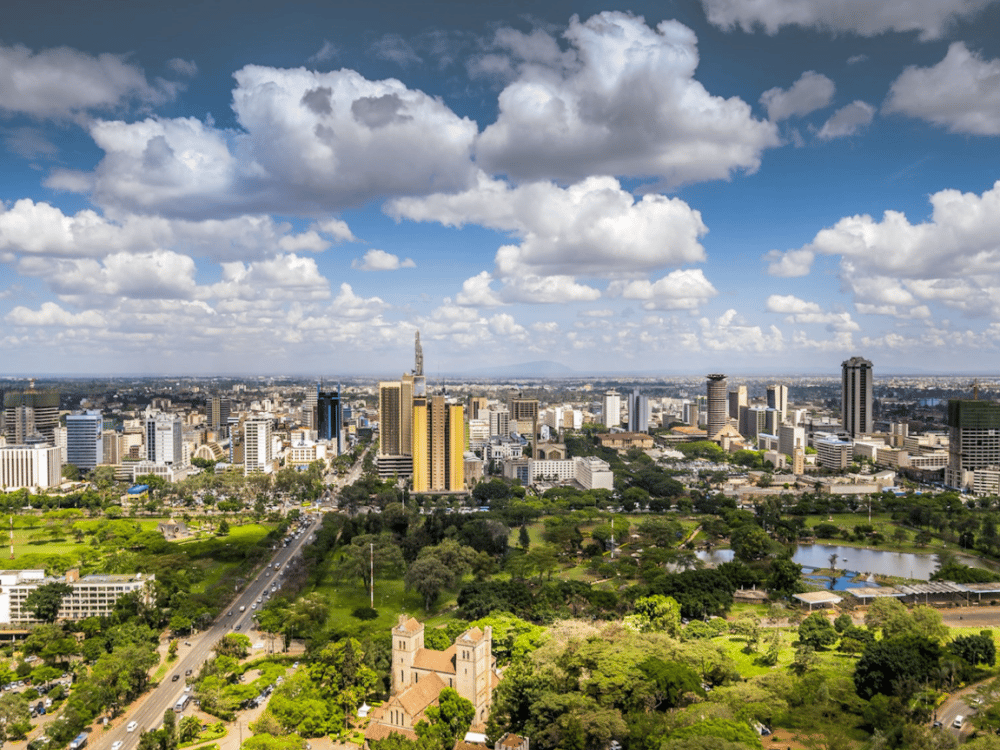
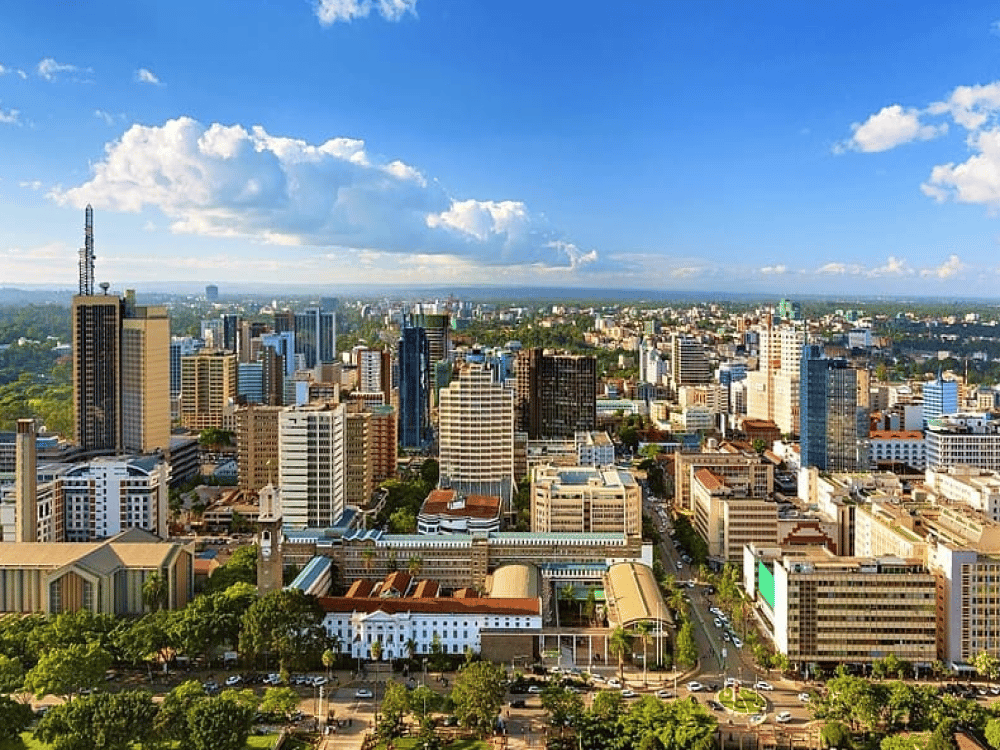
Nairobi, the vibrant capital of Kenya, is a city full of energy, culture, and natural beauty. From bustling markets and modern restaurants to wildlife parks and green hills, Nairobi offers a unique mix of urban life and nature. If you are planning a trip, one of the most important questions is: what is the best month to visit Nairobi? The answer depends on what kind of experience you want, but knowing the city’s weather patterns can help you plan the perfect trip.
Understanding Nairobi’s Climate
Nairobi lies at an altitude of about 1,795 meters (5,889 feet) above sea level, giving it a mild and comfortable climate throughout the year. Temperatures usually range from 10°C (50°F) in the early mornings and nights to around 26°C (79°F) during the day. Unlike many other African cities, Nairobi rarely experiences extreme heat, making it suitable for travel any time of the year.
The city has two main rainy seasons: the long rains from March to May and the short rains from October to December. During these months, heavy showers can occur, sometimes affecting travel plans and outdoor activities. The dry seasons, from June to September and January to February, are generally more favorable for tourists.
Best Months for Wildlife and Safari Trips
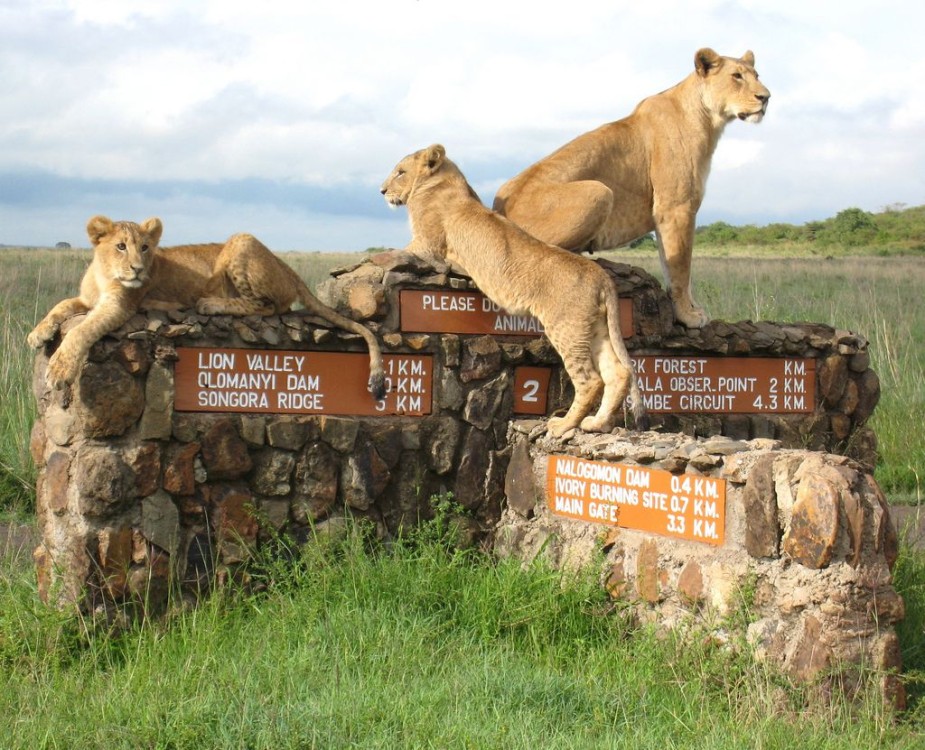
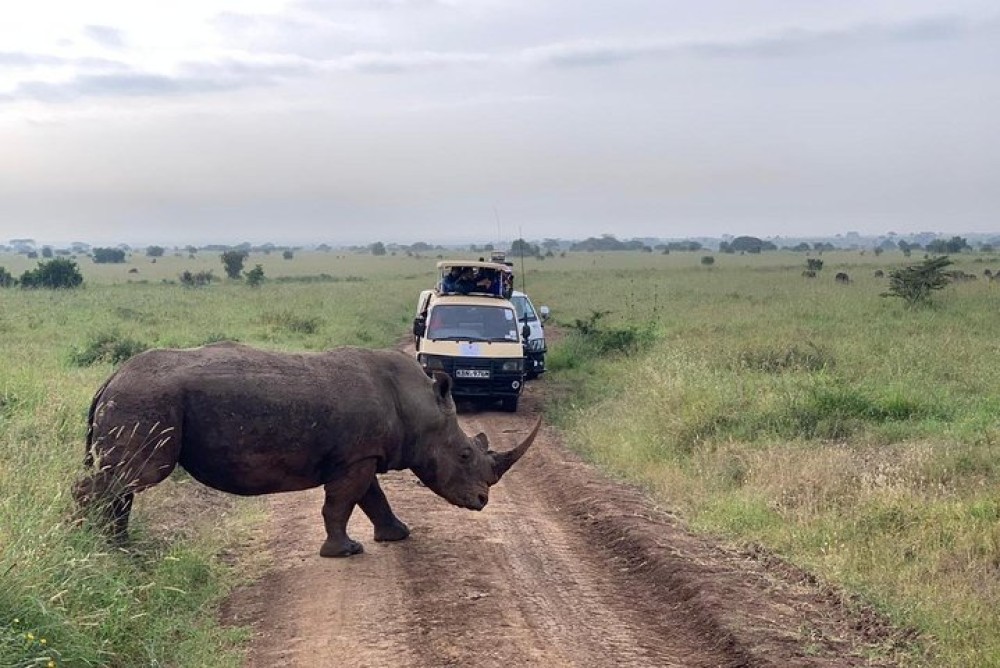
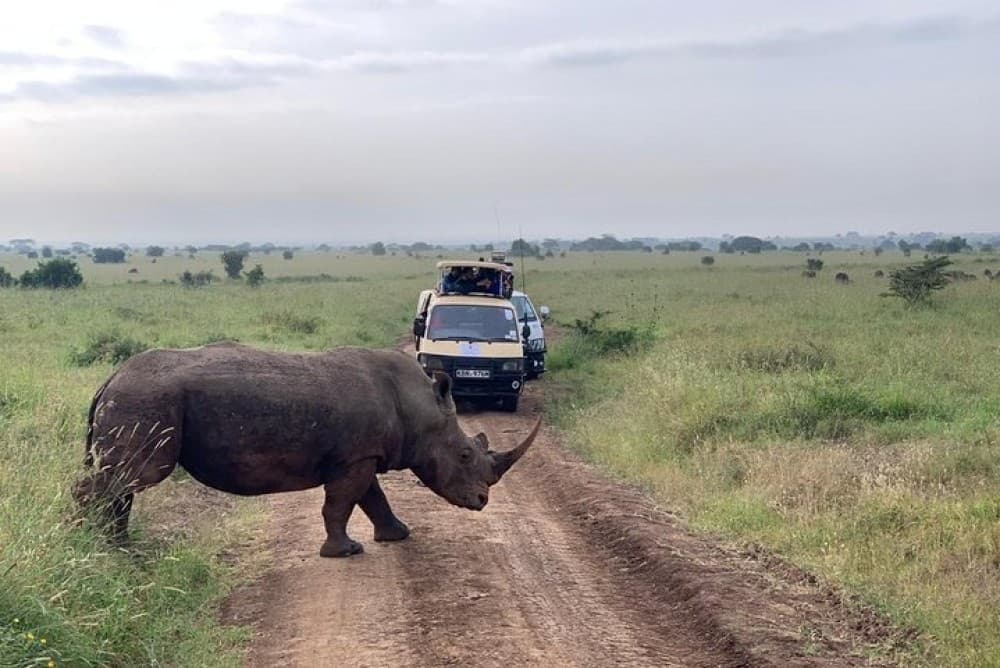
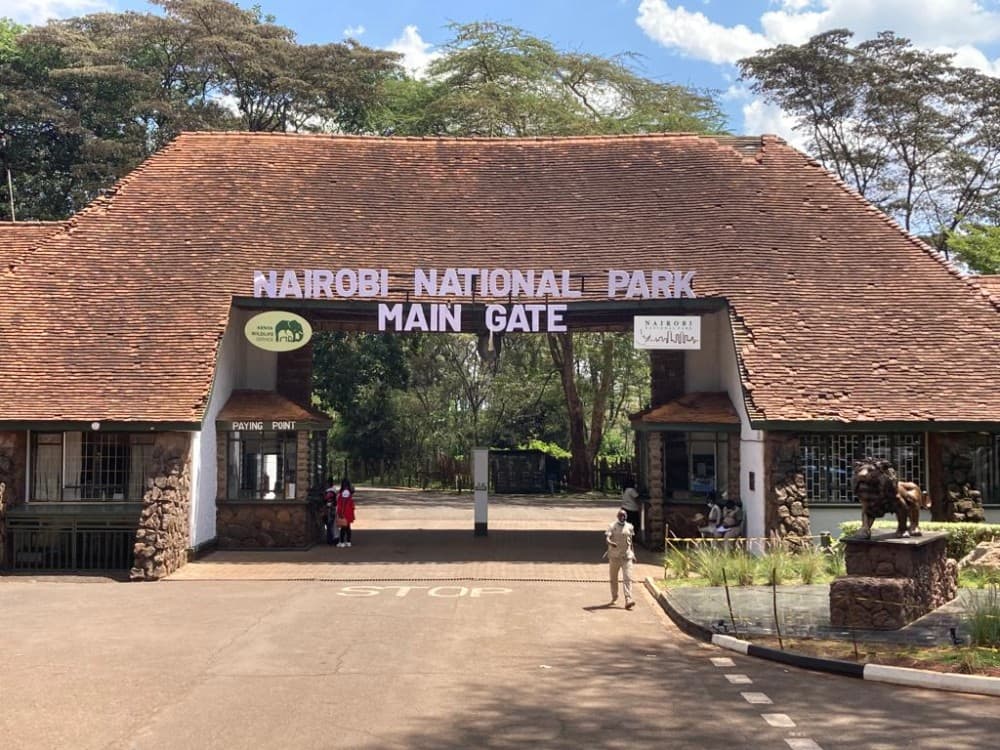
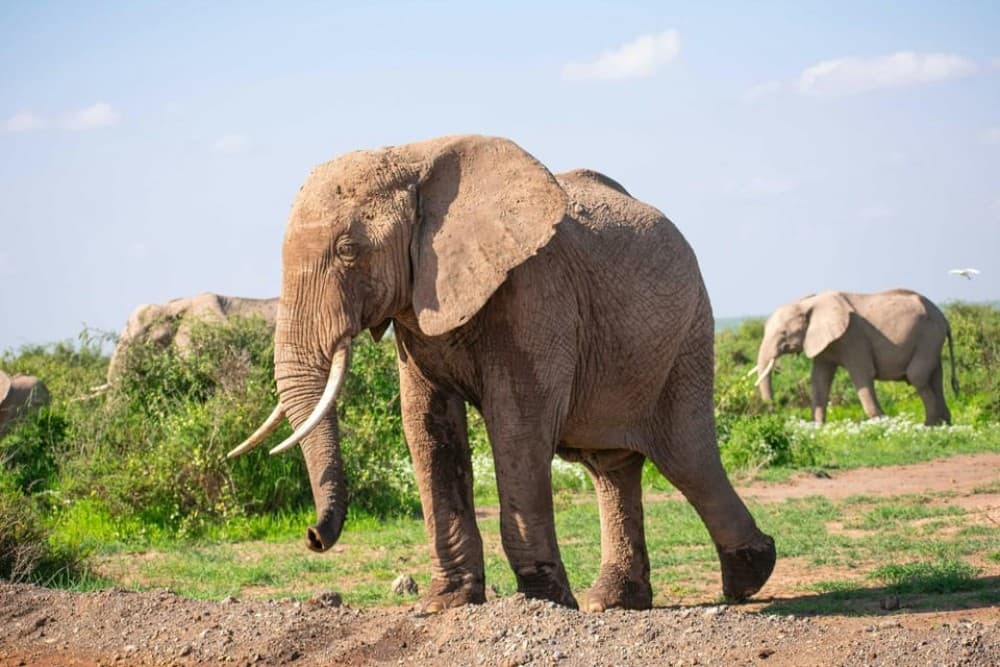
If you are planning to visit Nairobi National Park or nearby safari destinations like Amboseli or Maasai Mara, timing your trip is crucial. The dry months from June to October are ideal for wildlife viewing. During this period, animals gather around water sources, making it easier to spot lions, elephants, giraffes, and rhinos. The weather is also more predictable, with fewer rainy days to disrupt your plans.
January and February are also good months for safari lovers. While it’s warmer than the June–October period, the dry conditions still make wildlife sightings relatively easy. Keep in mind that March to May can be challenging for safaris, as heavy rains make some roads impassable and animals more dispersed.
Best Months for City Exploration
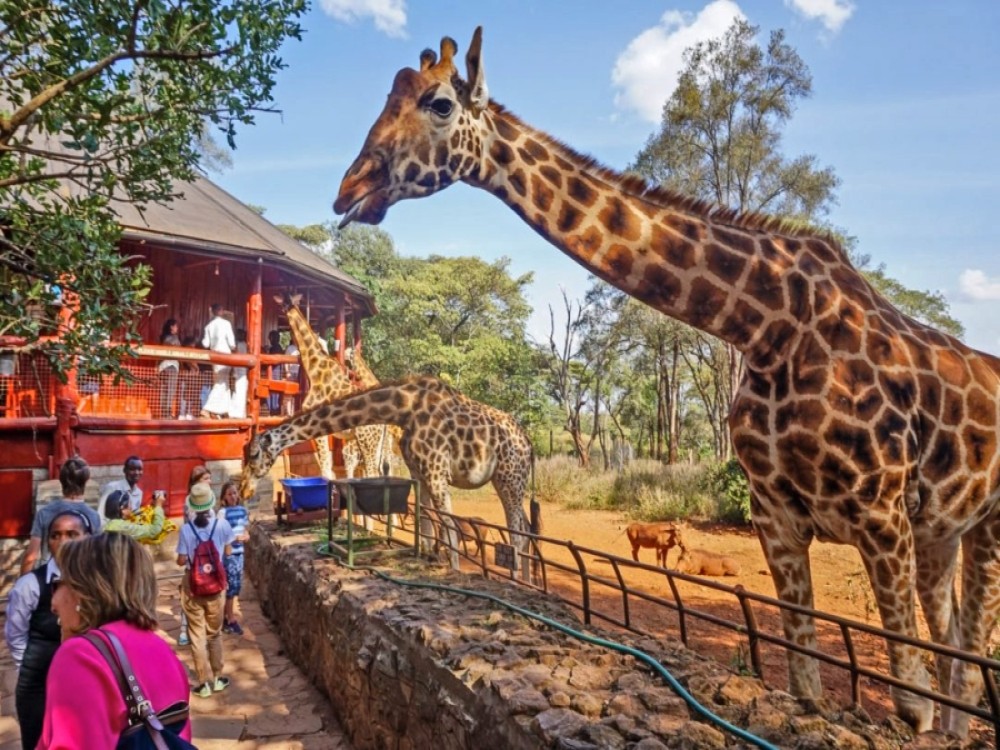
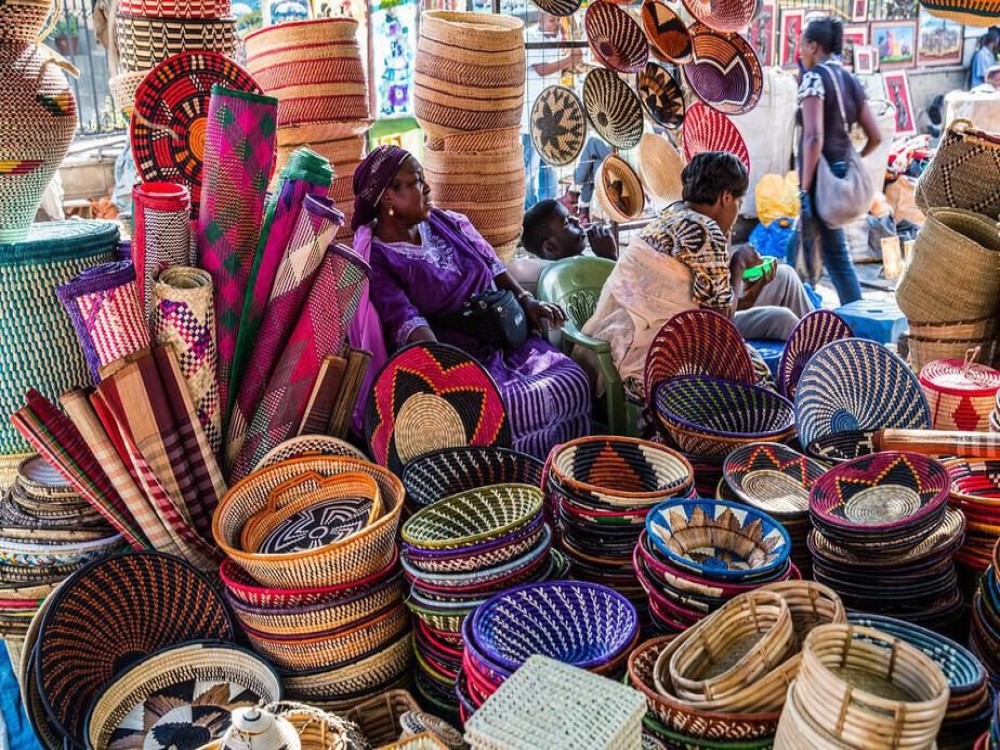
For travelers who prefer exploring Nairobi’s cultural and urban attractions, including the Karen Blixen Museum, Giraffe Centre, or local markets, January, February, June, and July are the most comfortable months. During these periods, the city enjoys sunny days and minimal rainfall, making sightseeing more enjoyable.
Visiting during the rainy seasons can still be rewarding, as Nairobi becomes lush and green. However, sudden showers can interrupt outdoor activities, and some attractions may be less accessible due to muddy conditions.
Festivals and Events
Nairobi hosts several exciting events throughout the year, which can influence the best time to visit. For example, the Nairobi International Trade Fair in July and the Nairobi Film Festival in October attract both locals and tourists. Planning your trip around these events can enhance your experience, though it’s worth noting that hotel rates and visitor numbers may rise during festival periods.
Balancing Weather and Costs
Travel costs are also an important factor when choosing the best month to visit Nairobi. High tourist season typically coincides with the dry months, so flights and accommodations may be more expensive. If you are looking for lower prices, consider traveling in the shoulder months of January, February, or November, when the weather is still favorable, but the city is less crowded.
Conclusion
The best month to visit Nairobi ultimately depends on your priorities. For wildlife enthusiasts, the dry season from June to October is perfect for safaris. For city explorers and cultural travelers, January, February, and July offer pleasant weather for sightseeing and outdoor activities. While the rainy months of March to May and October to December may present some challenges, they also bring lush landscapes and fewer tourists, offering a different but beautiful perspective of the city.
No matter when you choose to visit, Nairobi’s mix of wildlife, culture, and warm hospitality ensures a memorable experience. Planning ahead and understanding the city’s climate and events can help you make the most of your trip to Kenya’s dynamic capital.