Santiago is the largest and most culturally rich island in Cape Verde, offering visitors a deep and authentic look into the country’s history, traditions, and everyday life. Unlike the more resort-focused islands, Santiago is known for its strong cultural identity, historical importance, diverse landscapes, and vibrant local communities. It is an island where modern life, colonial history, and African heritage blend naturally, making it a meaningful destination for travelers who want more than just beaches.
The Cultural Heart of Cape Verde
Santiago is widely known as the cultural heart of Cape Verde. The island is home to Praia, the capital city, where political, economic, and cultural life is centered. Music, dance, and storytelling play a major role in daily life, and visitors often hear traditional rhythms like batuque and funaná performed at local gatherings and festivals. These musical styles originated on Santiago and are deeply connected to the island’s African roots and history of resistance and expression. Walking through neighborhoods, it is common to see locals playing music, dancing, or celebrating community events, giving Santiago a lively and authentic atmosphere.
Rich Historical Significance
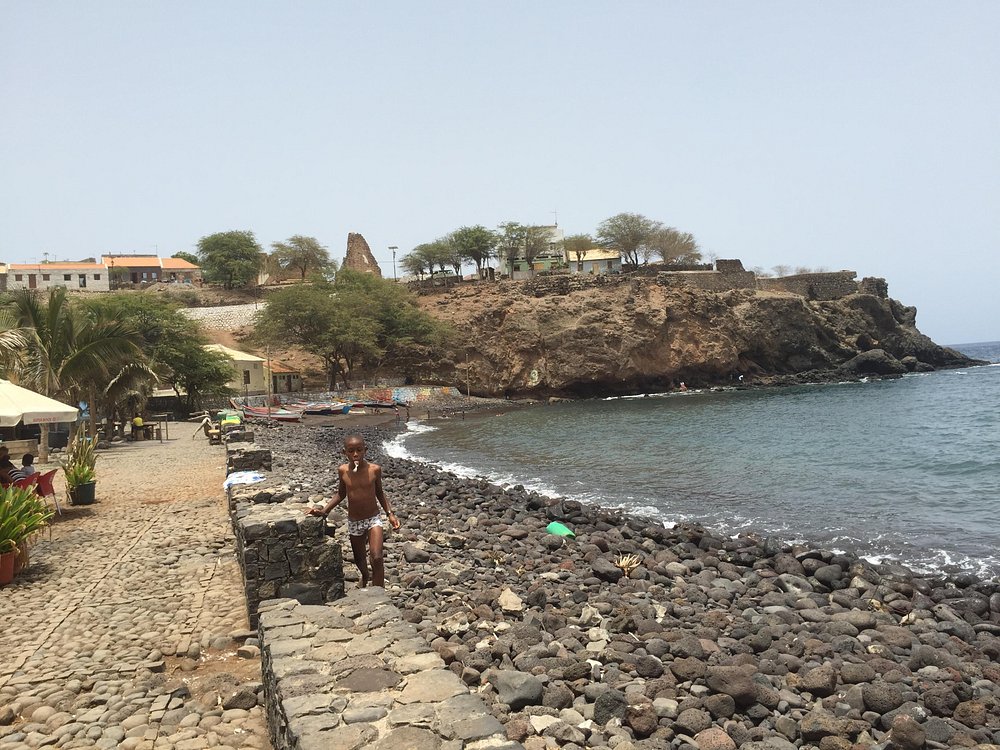
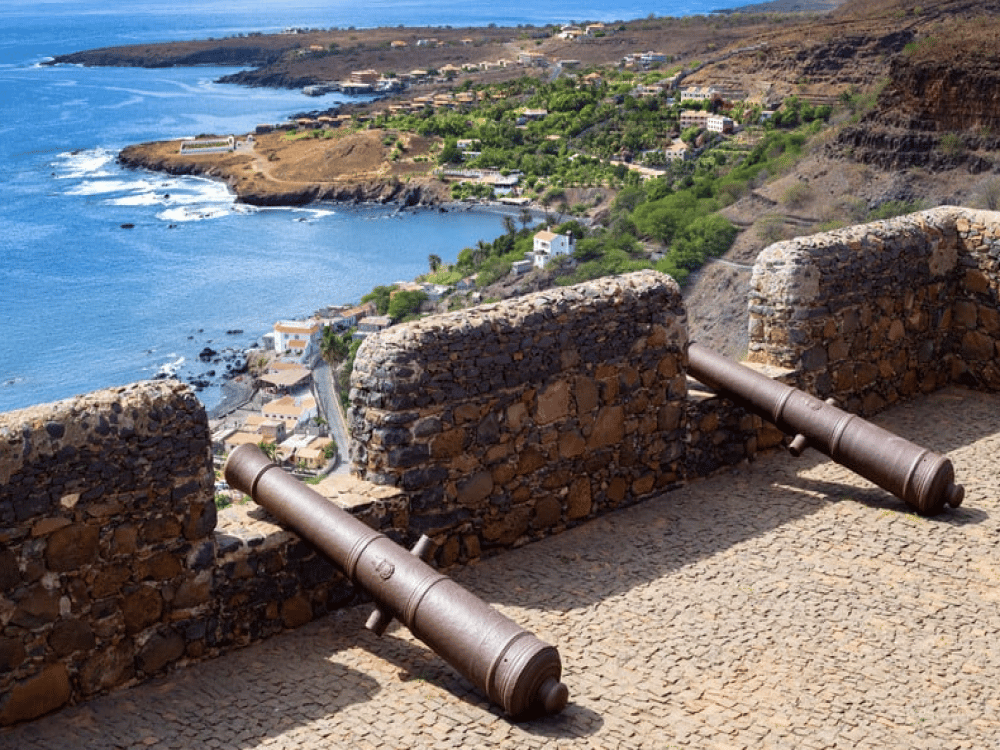
One of the main reasons Santiago is well known is its historical importance. The island was the first settled island in Cape Verde during the 15th century and became a key location in the transatlantic slave trade. Cidade Velha, a UNESCO World Heritage Site, is one of the most important historical landmarks on the island. Once the capital of Portuguese Cape Verde, it features colonial ruins, old churches, and the famous Pelourinho, a reminder of the island’s past. History lovers visit Santiago to better understand Cape Verde’s role in global maritime and colonial history.
Praia as a Dynamic Capital City
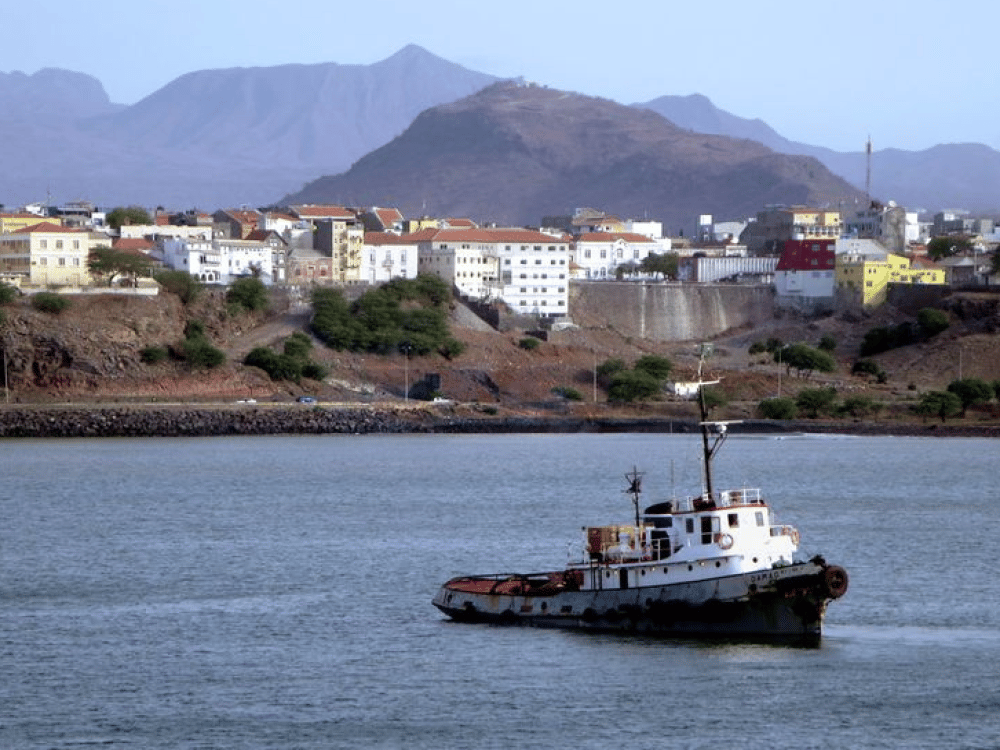
Santiago is known for being home to Praia, the country’s largest city and capital. Praia offers a mix of modern urban life and traditional culture. Visitors find government buildings, museums, local markets, restaurants, and nightlife all in one place. The Plateau area is particularly known for its colonial architecture, cultural institutions, and ocean views. Praia also serves as a gateway to the rest of the island, making it a practical and energetic base for travelers exploring Santiago.
Diverse Landscapes and Natural Beauty
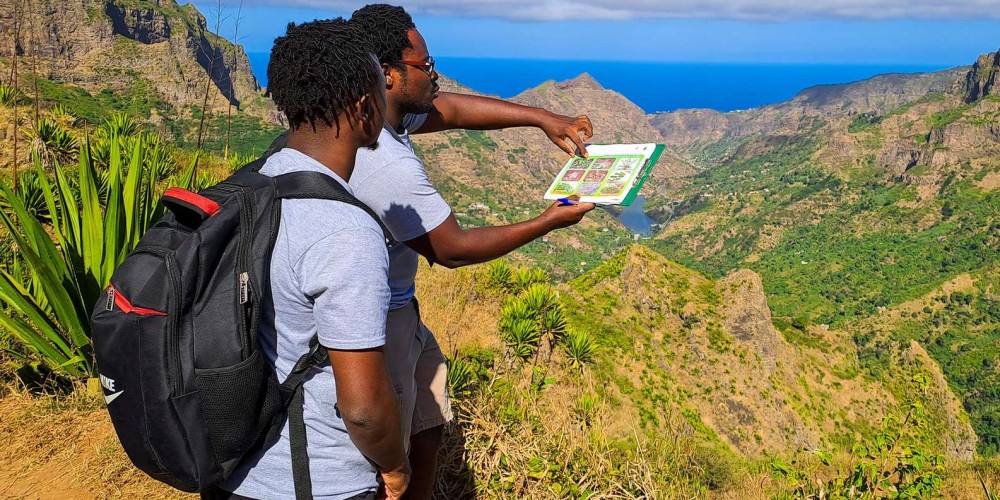
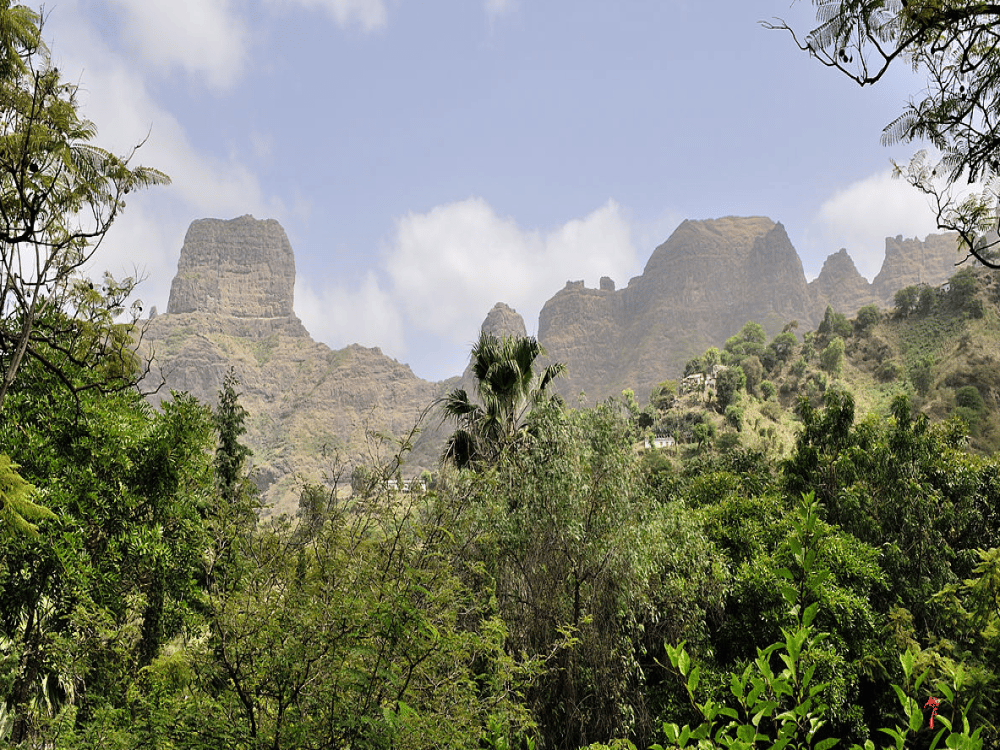
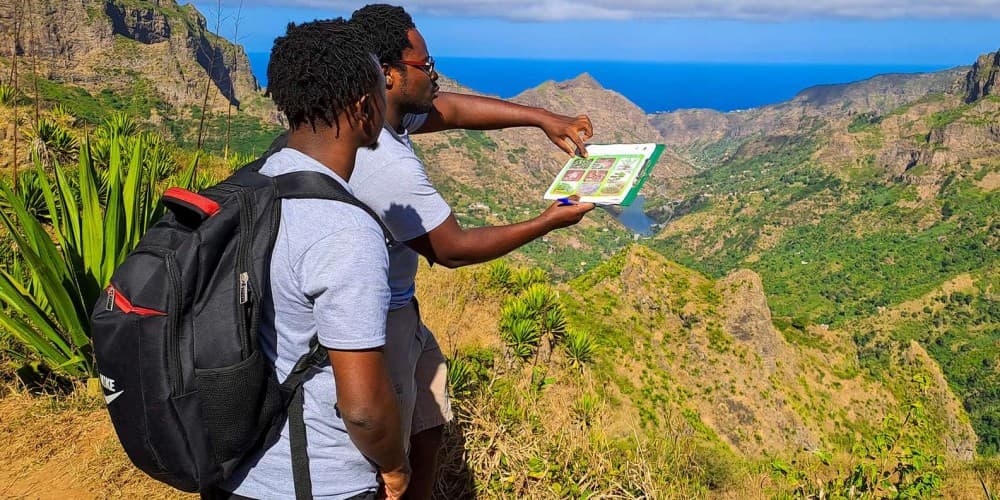
Another feature Santiago is known for is its varied natural scenery. Unlike the flat and sandy islands, Santiago has mountains, green valleys, rugged cliffs, and black sand beaches. The Serra da Malagueta Natural Park is especially popular with hikers and nature lovers, offering scenic trails and panoramic views. Inland areas are greener due to higher rainfall, supporting agriculture and small rural villages. This contrast between coastal and mountainous landscapes makes Santiago one of the most geographically diverse islands in Cape Verde.
Traditional Cuisine and Local Flavors
Santiago is also known for its traditional Cape Verdean cuisine. The island is famous for cachupa, the national dish made from corn, beans, vegetables, and meat or fish. On Santiago, cachupa is often prepared in more traditional ways, reflecting rural cooking styles. Local markets are filled with fresh produce, spices, and seafood, giving visitors a chance to taste authentic island flavors. Eating on Santiago is less about luxury dining and more about homemade food, local ingredients, and community-based restaurants.
Authentic Local Life and Rural Villages
Many travelers know Santiago for its strong sense of local life. Outside Praia, small towns and villages like Assomada and Tarrafal offer a slower pace and deeper cultural experiences. Weekly markets, known as “feiras,” bring people together to sell goods, socialize, and maintain traditions passed down through generations. Santiago gives visitors a chance to see how most Cape Verdeans live, work, and celebrate, making it ideal for cultural tourism.
Beaches with a Local Character
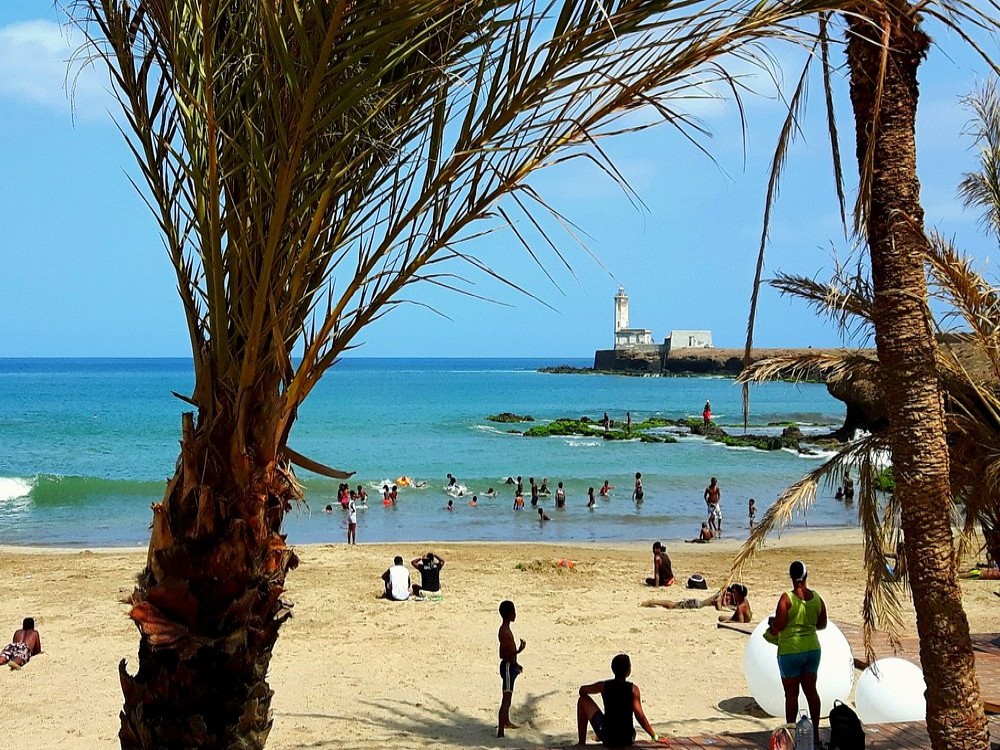
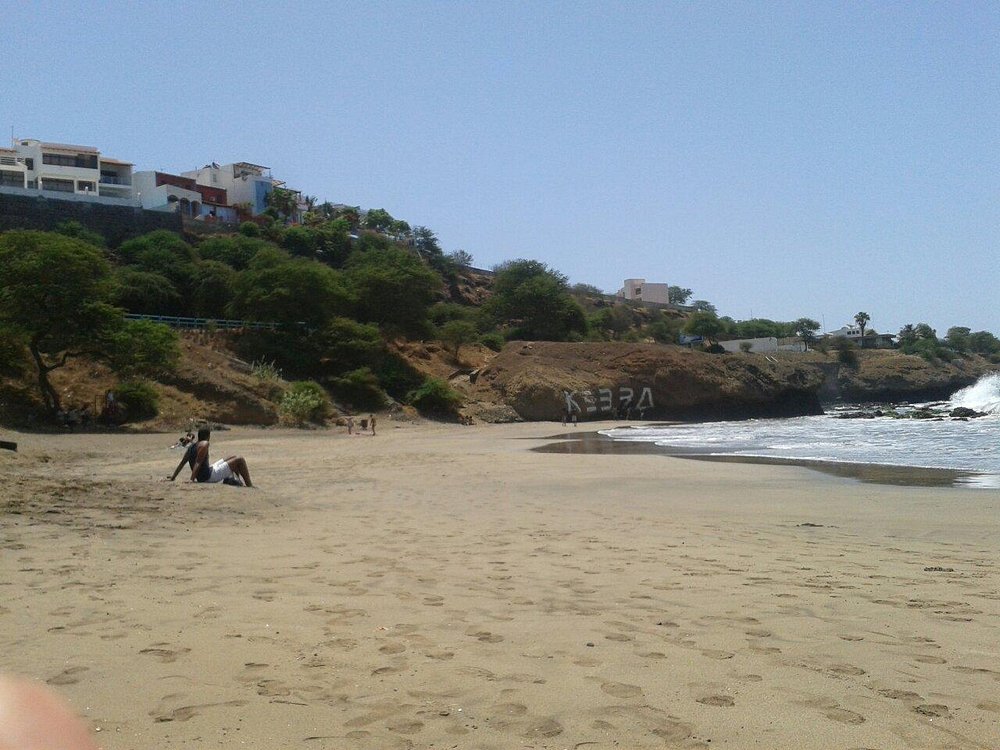
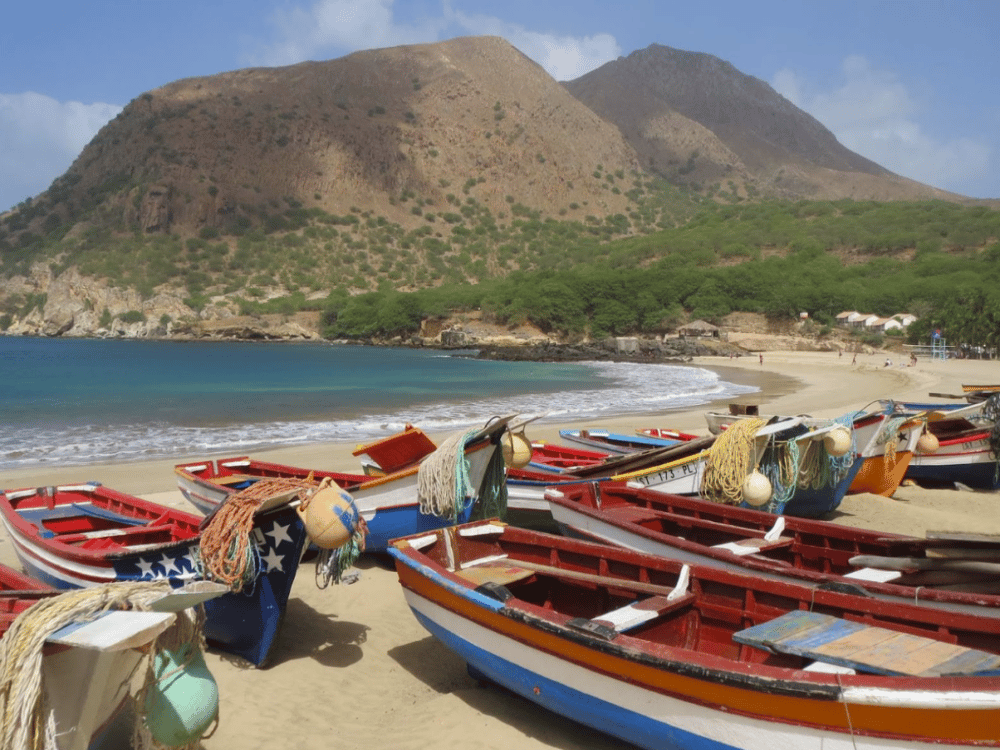
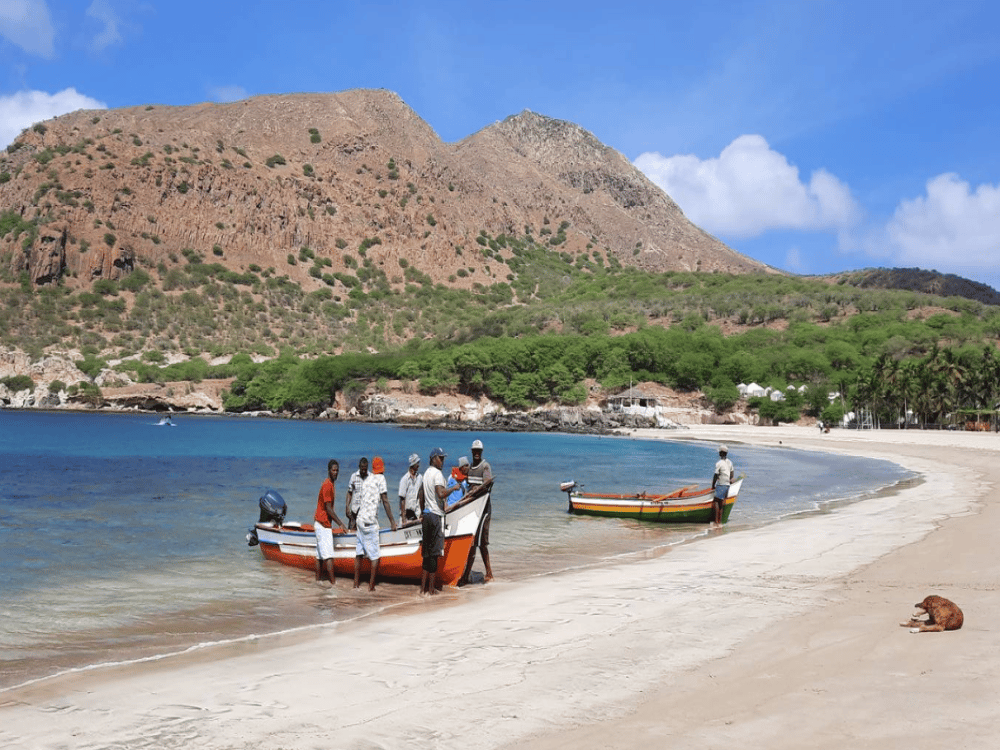
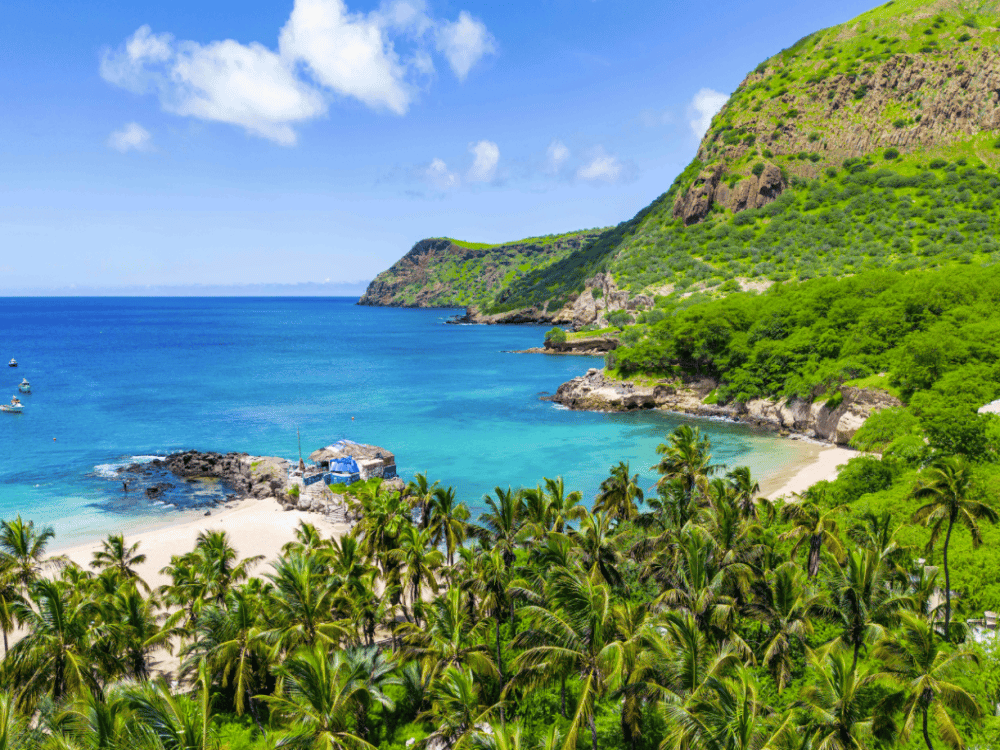
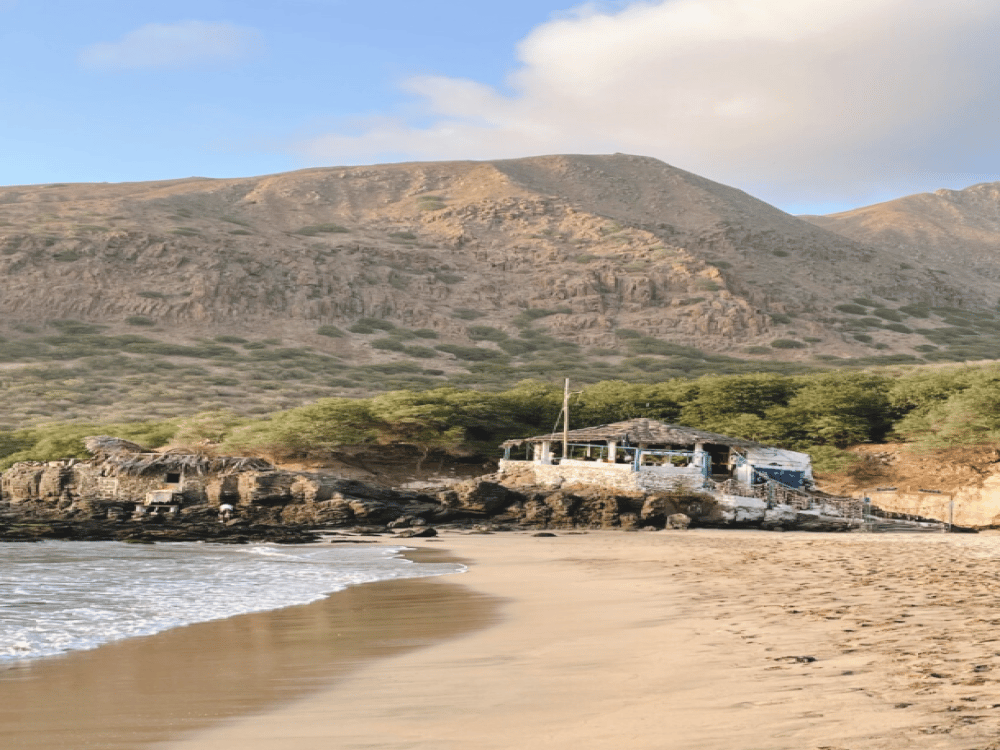
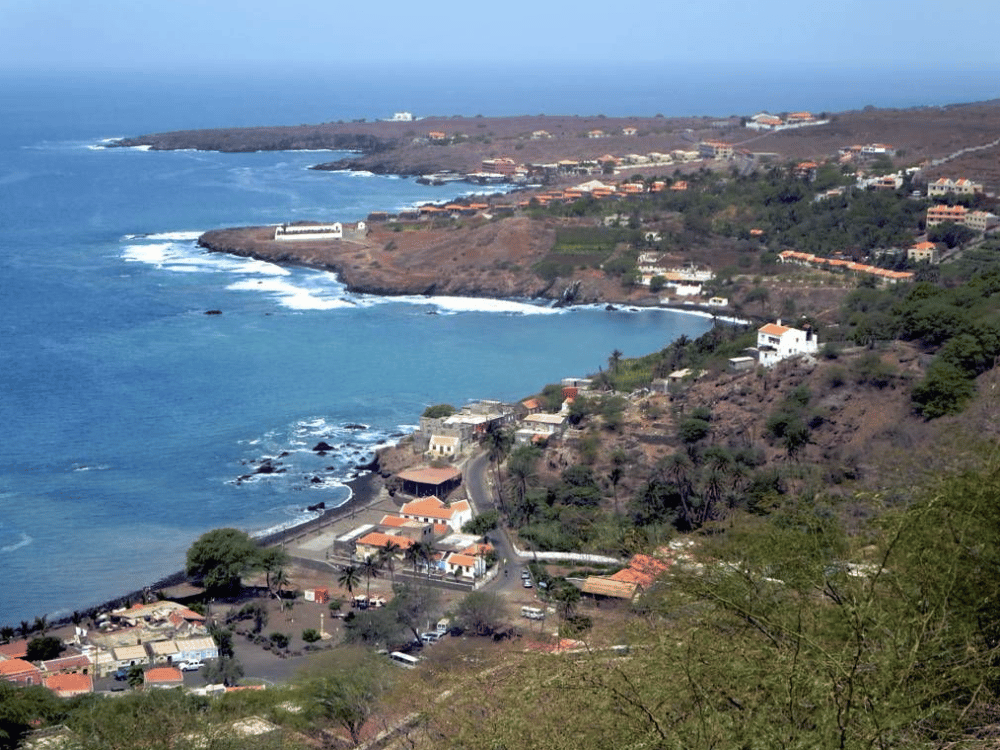
While Santiago is not as famous for luxury beach resorts as Sal or Boa Vista, it is known for its more natural and local beaches. Tarrafal Beach, with its calm waters and palm-lined shore, is one of the island’s most popular spots. Other beaches around the island are quieter and used mainly by locals, offering a relaxed and authentic seaside experience. These beaches reflect Santiago’s character, simple, natural, and closely connected to daily life.
Festivals and Community Celebrations
Santiago is well known for its vibrant festivals and religious celebrations. Events such as Carnival in Praia and local saint festivals bring color, music, and dance to the streets. These celebrations are deeply rooted in tradition and community, allowing visitors to experience Cape Verdean culture in its most joyful form. Festivals on Santiago are less commercial and more community-focused, which adds to their authenticity.
Why Santiago Stands Out
Santiago Cape Verde is known for offering a true and complete picture of the country. From its historical landmarks and cultural traditions to its diverse landscapes and everyday local life, the island represents the soul of Cape Verde. It may not be the most polished or resort-driven destination, but it is the island where visitors can truly understand the nation’s past, present, and identity. For travelers seeking culture, history, and authenticity, Santiago stands out as one of Cape Verde’s most meaningful destinations.