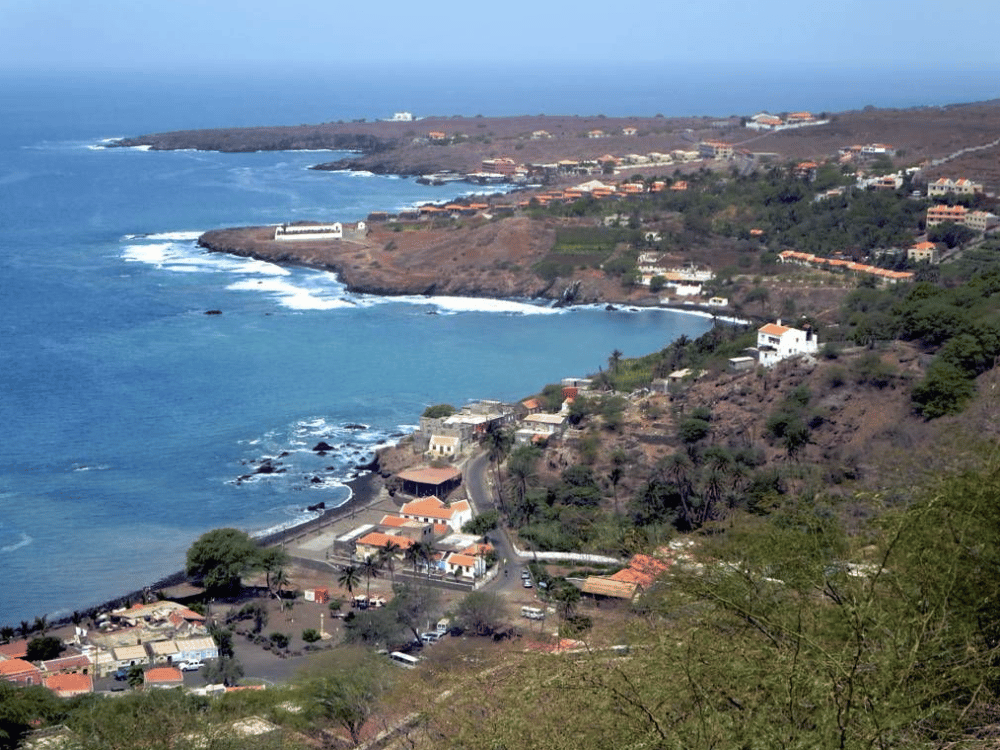
Santiago is often described as the heart of Cape Verde, and for good reason. Unlike some of the more resort-focused islands, Santiago offers a deeper and more authentic look into Cape Verdean life. It is the largest and most populated island in the country, home to the capital city, Praia. Visiting Santiago means experiencing everyday culture, history, and landscapes that feel genuine rather than staged for tourism. For travelers who want more than beaches and hotels, Santiago can be a very rewarding destination.
Rich History and Cultural Heritage
One of the strongest reasons Santiago is worth visiting is its historical importance. The island played a central role during the colonial era and the transatlantic slave trade. Cidade Velha, a UNESCO World Heritage Site, is one of the most significant places to visit. It was the first European settlement in the tropics and still preserves landmarks such as old churches, forts, and stone streets. Walking through Cidade Velha gives visitors a real sense of Cape Verde’s past and how it shaped the country’s identity.
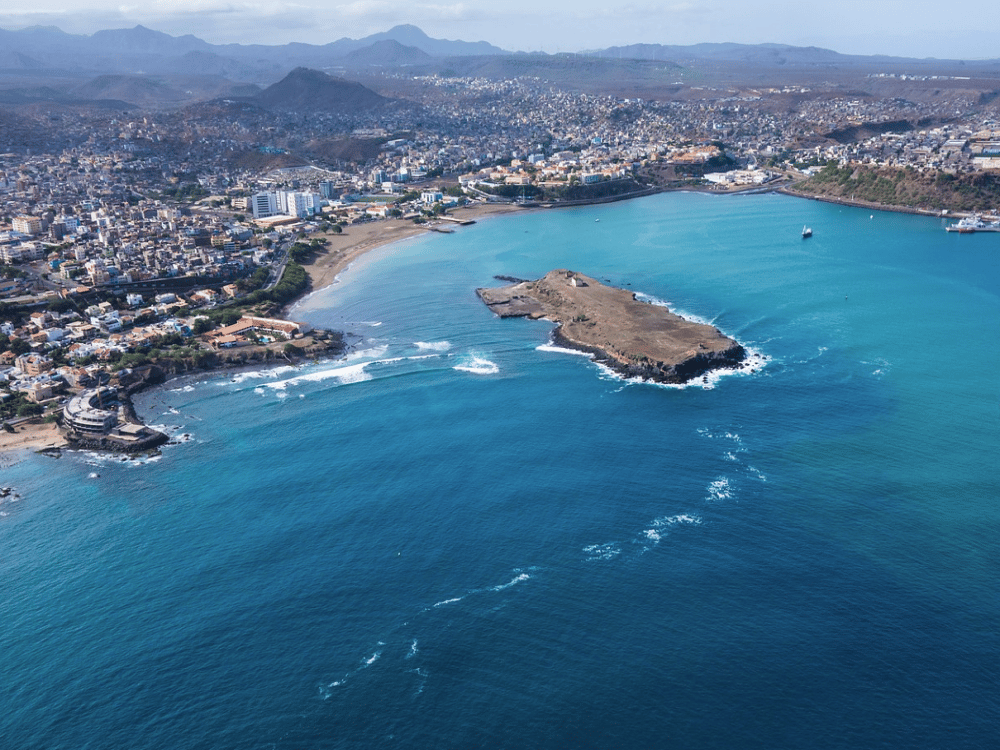
Praia, the capital, also reflects this history mixed with modern life. Museums, markets, and government buildings stand alongside lively neighborhoods. The city may not be traditionally beautiful, but it is full of character and energy, offering insight into how Cape Verde functions today.
Natural Landscapes Beyond the Beaches
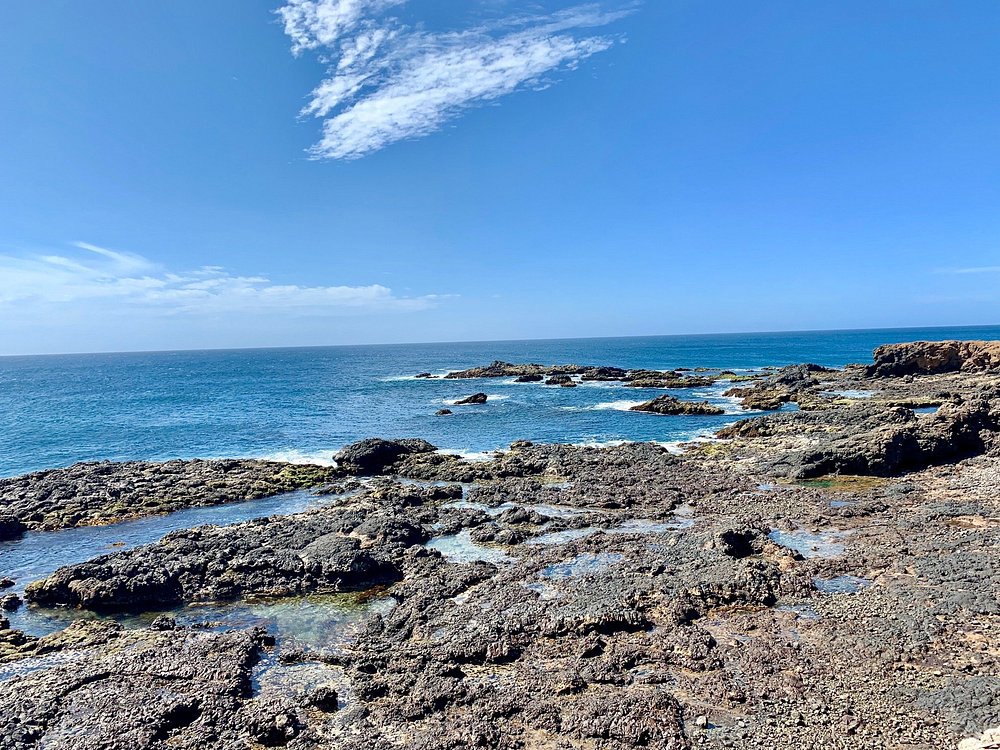
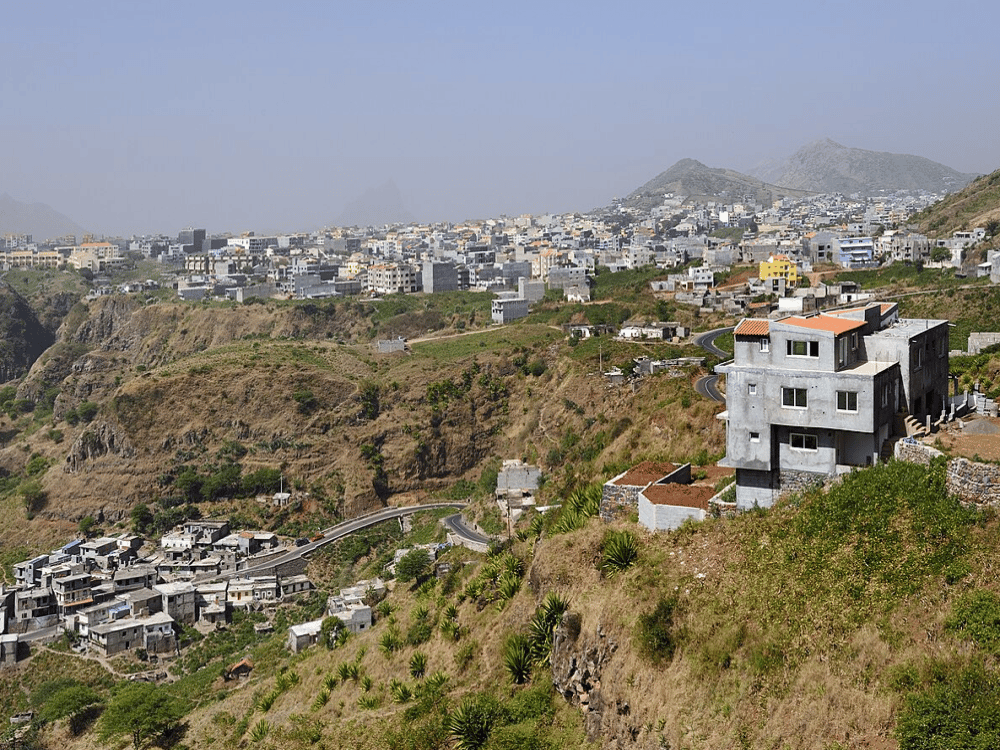
While Santiago does have beaches, its natural beauty goes far beyond the coastline. The island is known for its mountains, green valleys, and rural villages. Areas like Serra Malagueta Natural Park offer hiking opportunities with impressive views over volcanic landscapes and the Atlantic Ocean. During the rainy season, the island becomes noticeably greener, making it one of the most fertile islands in Cape Verde.
The contrast between dry coastal areas and lush inland regions makes Santiago visually diverse. Travelers who enjoy nature, photography, and outdoor activities often find Santiago more interesting than flatter, beach-focused islands.
Local Life and Authentic Experiences
Santiago is where many Cape Verdeans live and work, and this gives visitors a chance to observe daily life up close. Local markets are busy and colorful, filled with fresh produce, spices, and fish. Music plays an important role on the island, with styles like batuque and funaná originating here. These traditional rhythms are often performed at local events and celebrations, offering a cultural experience that feels natural rather than touristic.
Food is another highlight. Santiago is known for traditional Cape Verdean dishes, especially cachupa, a slow-cooked stew made with corn, beans, vegetables, and meat or fish. Eating in local restaurants allows visitors to taste authentic flavors and connect with the island’s culinary traditions.
Beaches That Are Quiet and Untouched
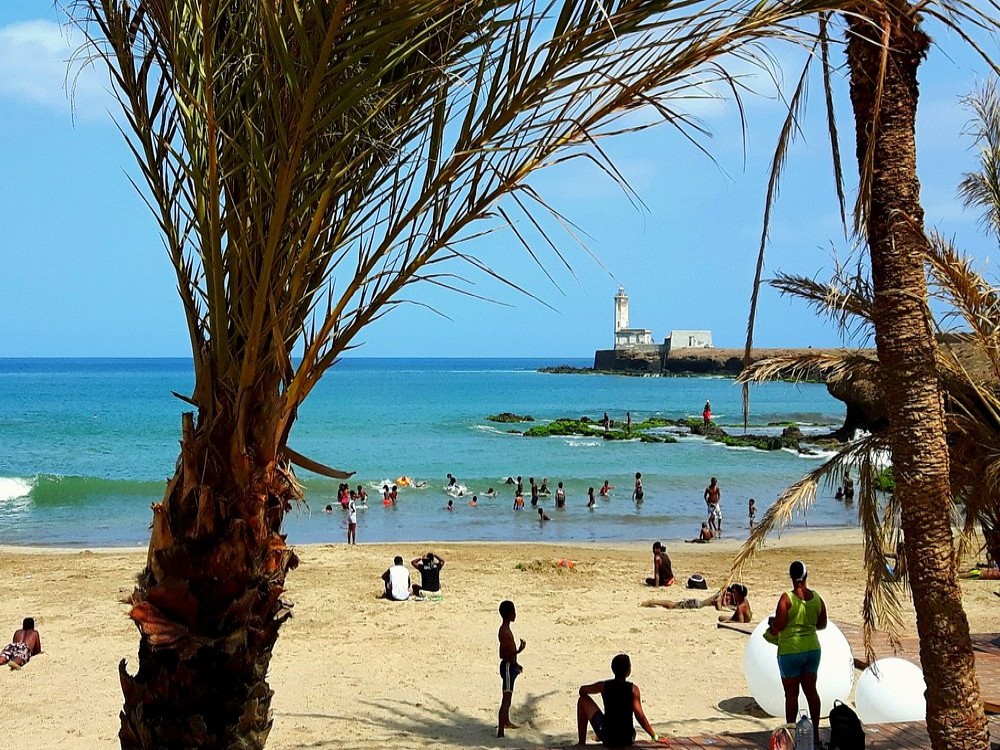
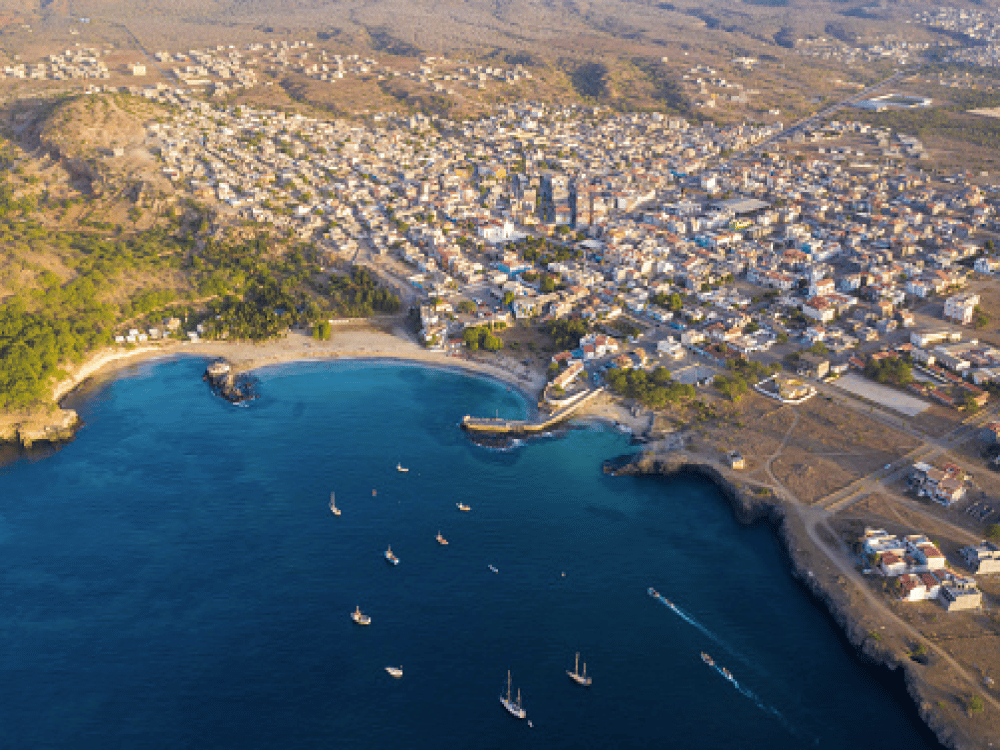
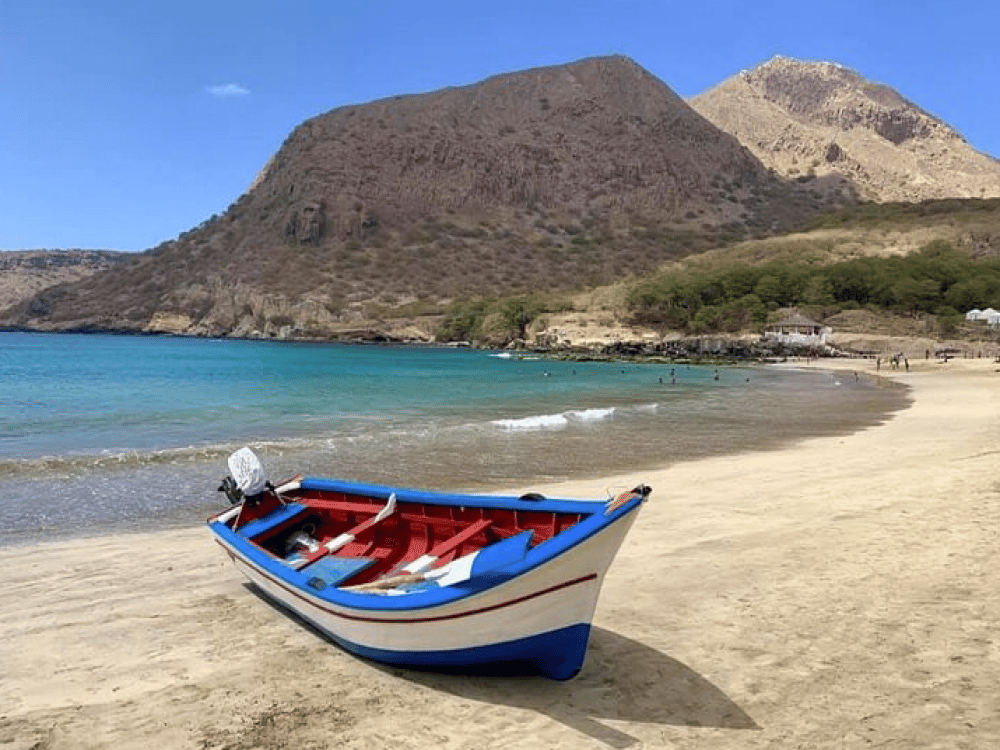
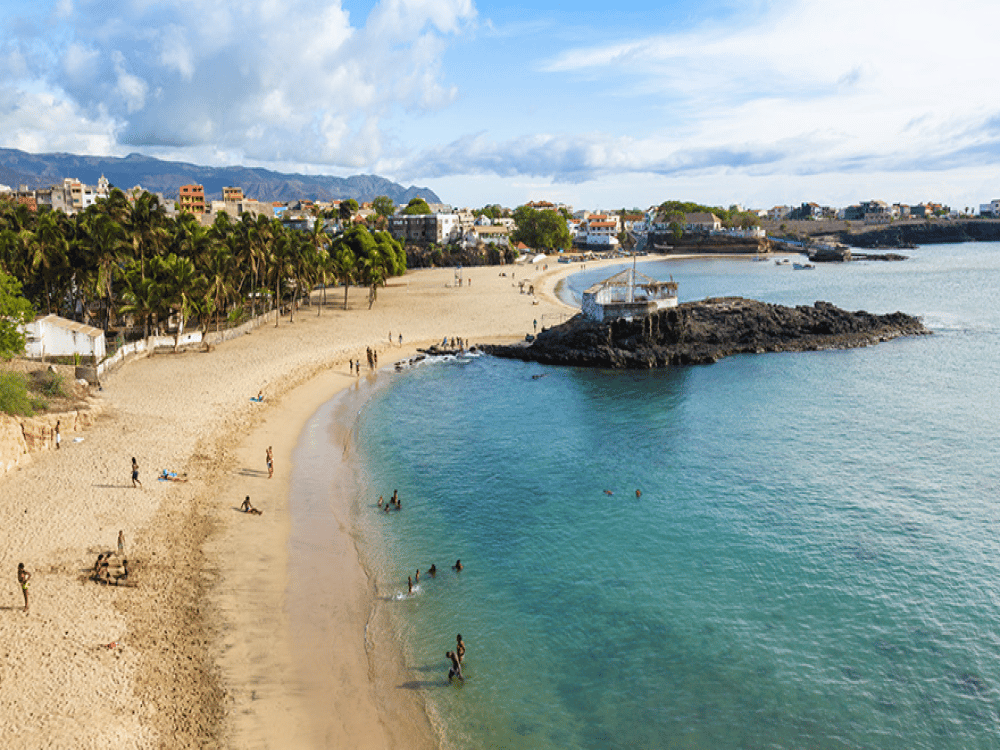
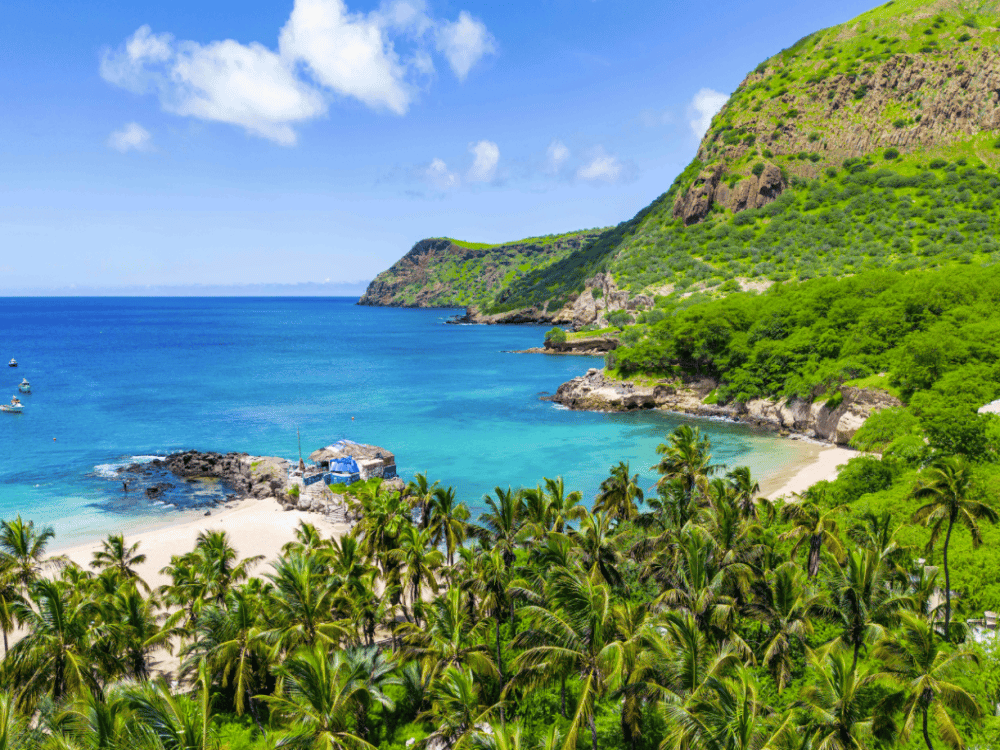
Although Santiago is not primarily known as a beach destination, it still offers several attractive beaches. Places like Tarrafal Beach stand out for their clear water and relaxed atmosphere. Tarrafal is especially popular with both locals and visitors looking for a calm seaside experience without large crowds. Other beaches around the island remain quiet and undeveloped, which can be appealing for travelers who prefer peaceful surroundings.
Swimming conditions vary depending on location and season, but many beaches are suitable for relaxing, sunbathing, and enjoying ocean views. Santiago’s beaches may not be as famous as those on Sal or Boa Vista, but they feel more natural and less commercial.
Who Will Enjoy Santiago the Most
Santiago is particularly worth visiting for travelers interested in culture, history, and local experiences. It suits people who enjoy exploring cities, visiting historical sites, hiking, and interacting with local communities. It is also a good choice for repeat visitors to Cape Verde who want to see a different side of the country beyond resort islands.
On the other hand, travelers looking mainly for luxury resorts, nightlife, or non-stop beach activities may find Santiago less suitable. The island’s charm lies in its authenticity rather than polished tourism infrastructure.
Practical Considerations for Visitors
Getting around Santiago usually involves taxis, shared minibuses, or car rentals. Roads have improved over the years, but travel times can still be longer due to the island’s size and terrain. Accommodation options range from small guesthouses to mid-range hotels, especially in Praia and Tarrafal.
Safety is generally good, especially in tourist areas, though basic precautions are recommended in busy city neighborhoods. English is spoken in some tourist settings, but Portuguese and Cape Verdean Creole are the main languages, which adds to the feeling of being somewhere truly local.
So, Is Santiago Cape Verde Worth Visiting?
Yes, Santiago is definitely worth visiting, especially for travelers who value authenticity, culture, and history. It may not be the most glamorous island in Cape Verde, but it offers depth, diversity, and real connections with the country’s roots. Santiago provides a meaningful travel experience that goes beyond beaches, making it a memorable destination for curious and open-minded visitors.