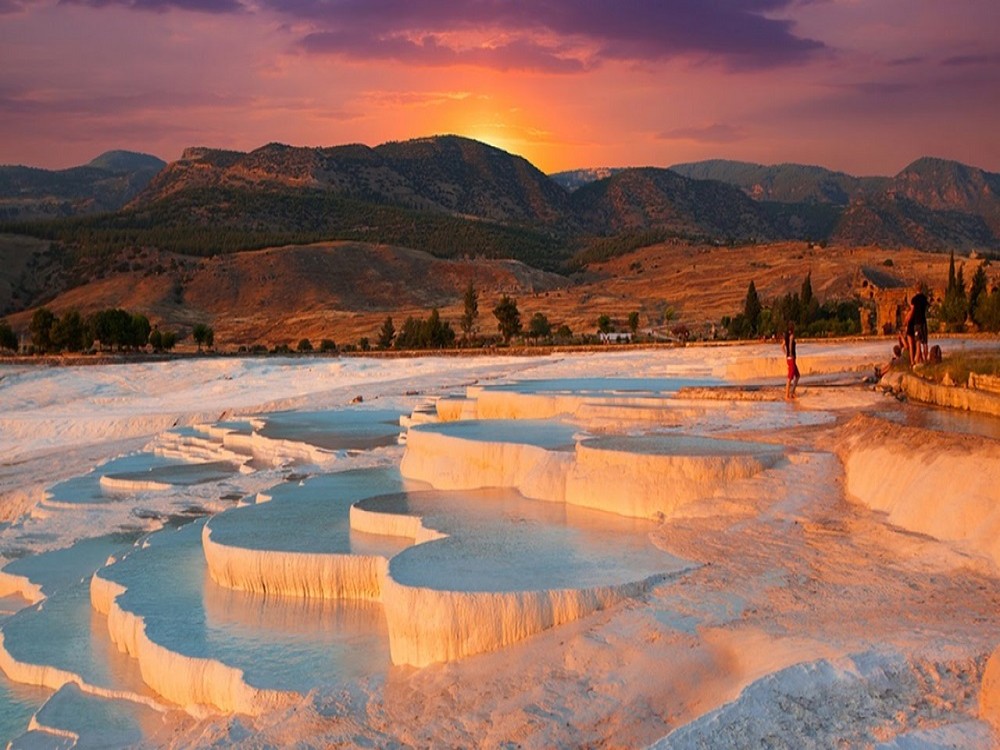
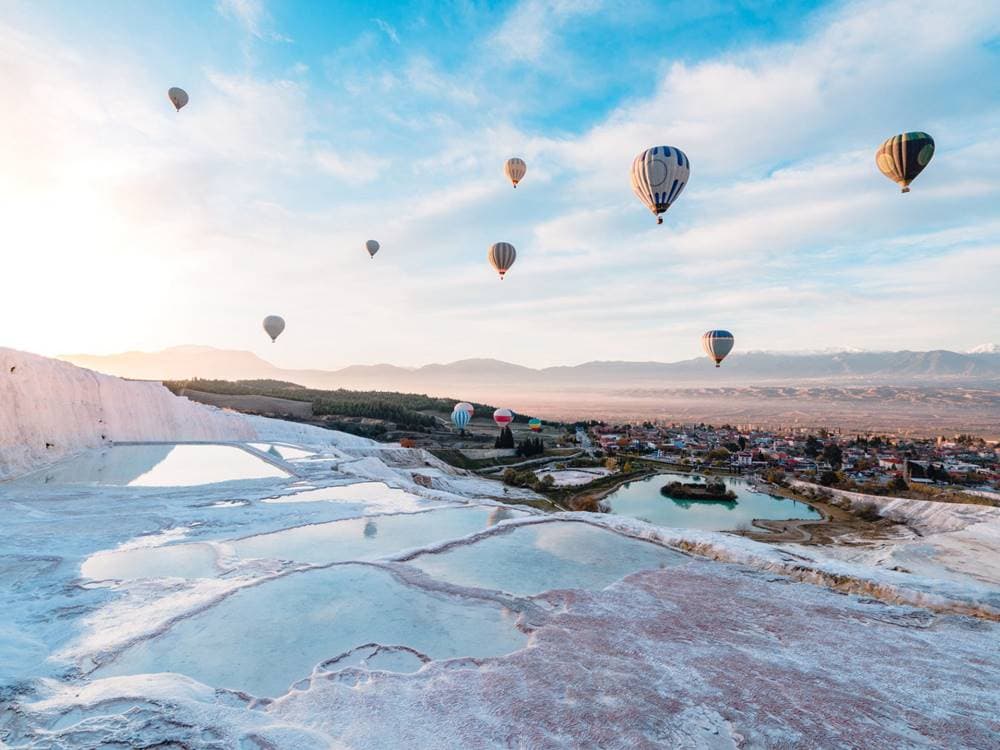
Pamukkale is not only famous for its white travertine terraces and thermal waters but also for a long-standing legend connected to Cleopatra. Many visitors hear that the Egyptian queen once bathed in Pamukkale, especially in what is now known as Cleopatra’s Pool. This story adds romance and mystery to the site, but it also raises an important question: is there any historical truth behind it, or is it simply a legend created over time?
Who Was Cleopatra and Why Is She Linked to Pamukkale?
Cleopatra VII was the last active ruler of the Ptolemaic Kingdom of Egypt and lived in the first century BC. She was known for her intelligence, political skill, and strong interest in beauty, health, and luxury. Throughout history, Cleopatra has often been associated with baths, perfumes, and natural treatments, which makes it easy to link her name to thermal pools like those in Pamukkale.
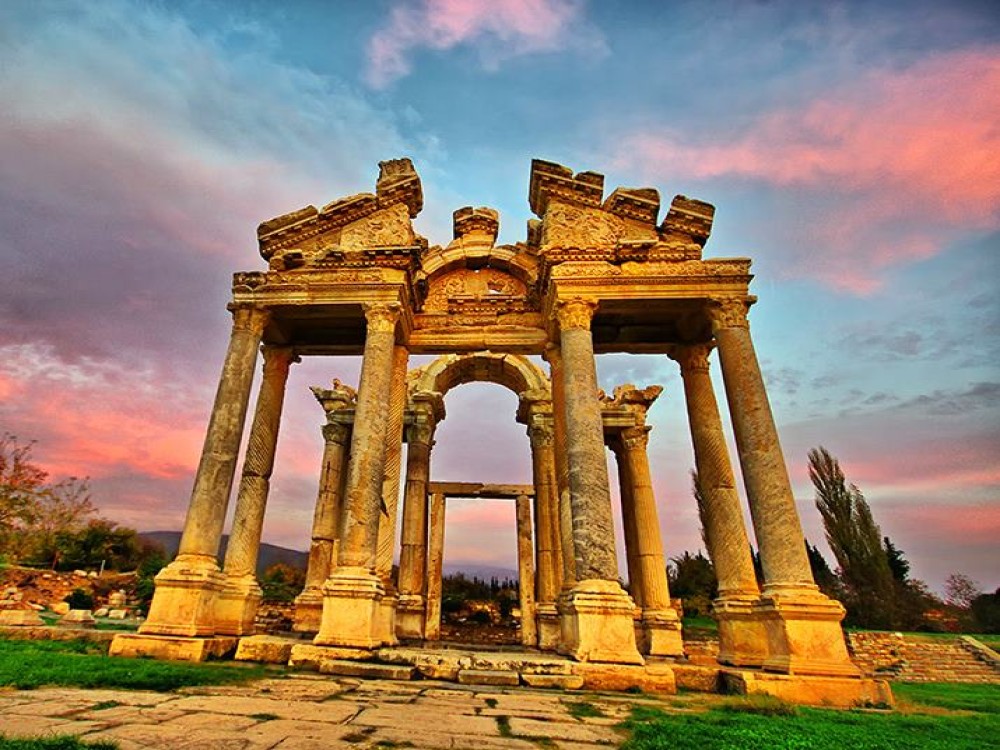
Pamukkale, located in present-day Turkey, was part of the ancient Greco-Roman world during Cleopatra’s lifetime. The nearby ancient city of Hierapolis was already a well-known spa and health center, attracting wealthy and influential visitors from across the region.
What Is Cleopatra’s Pool?
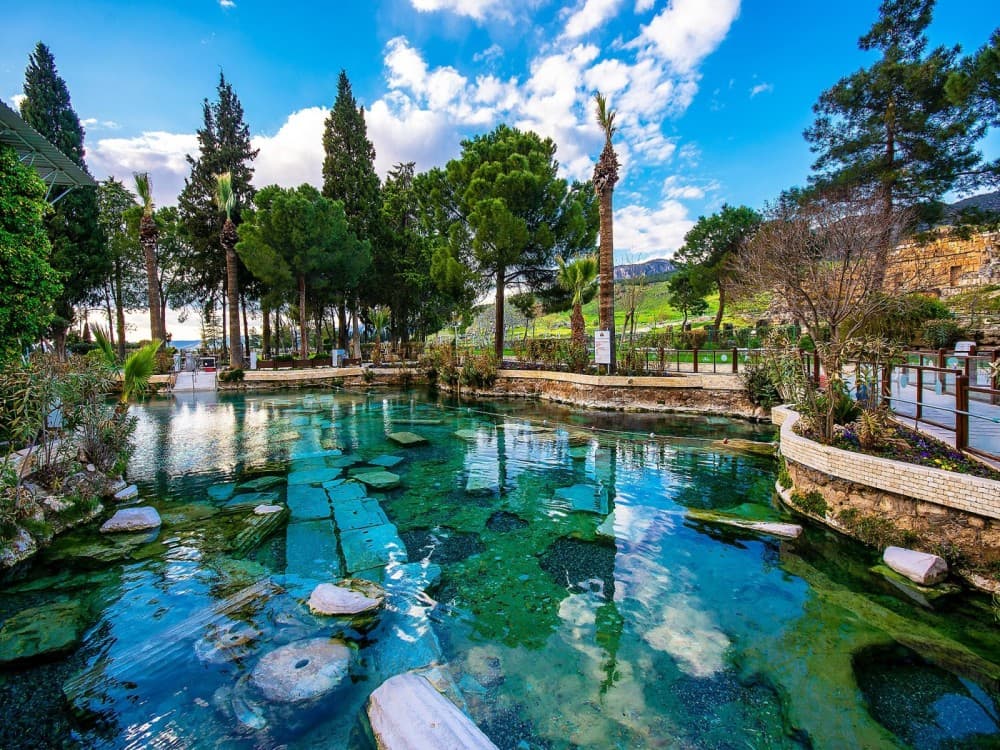
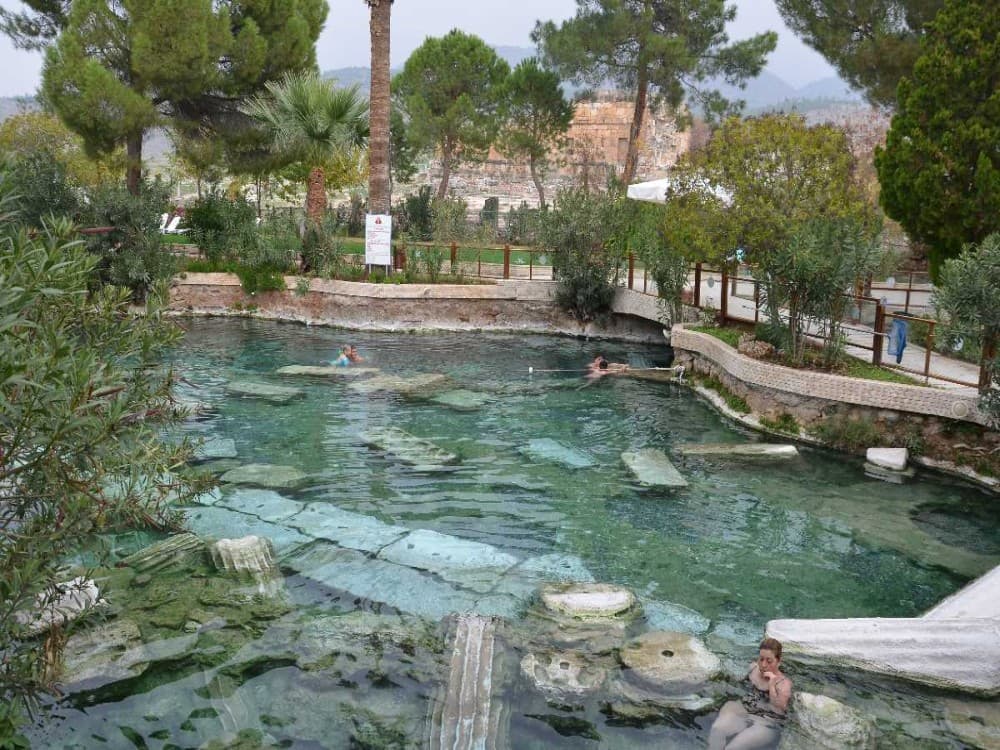
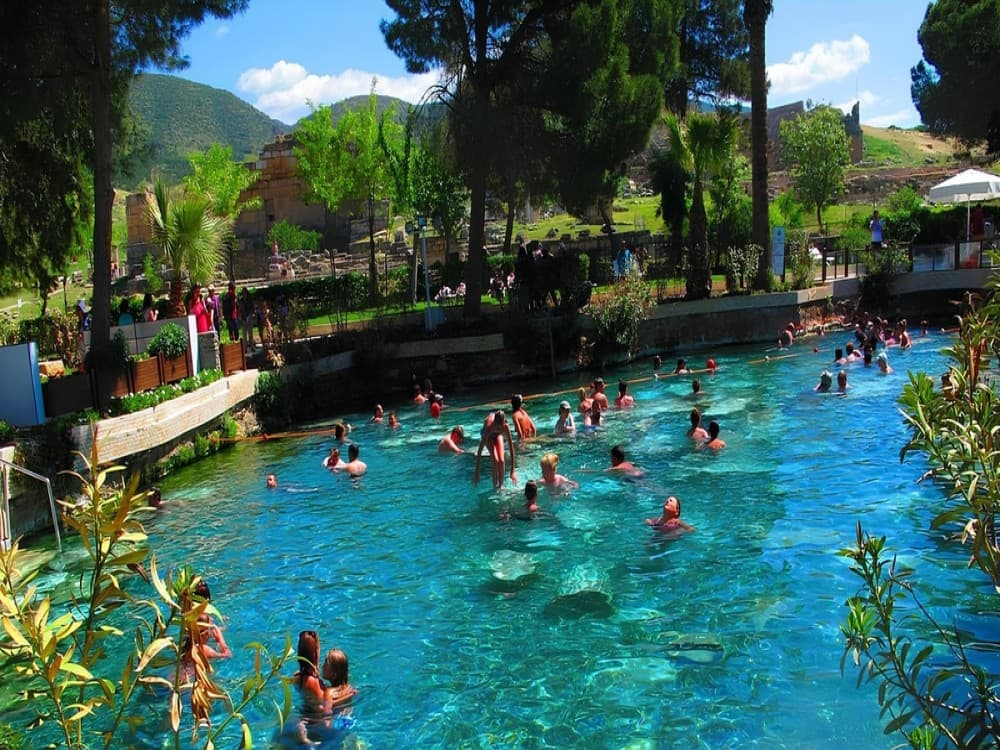
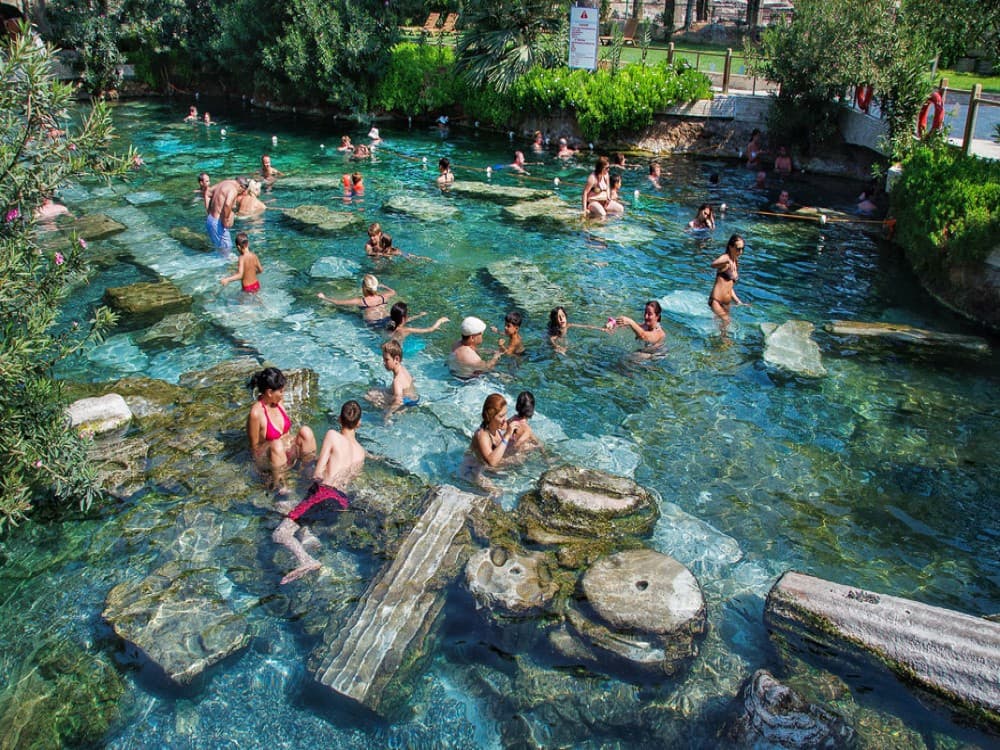
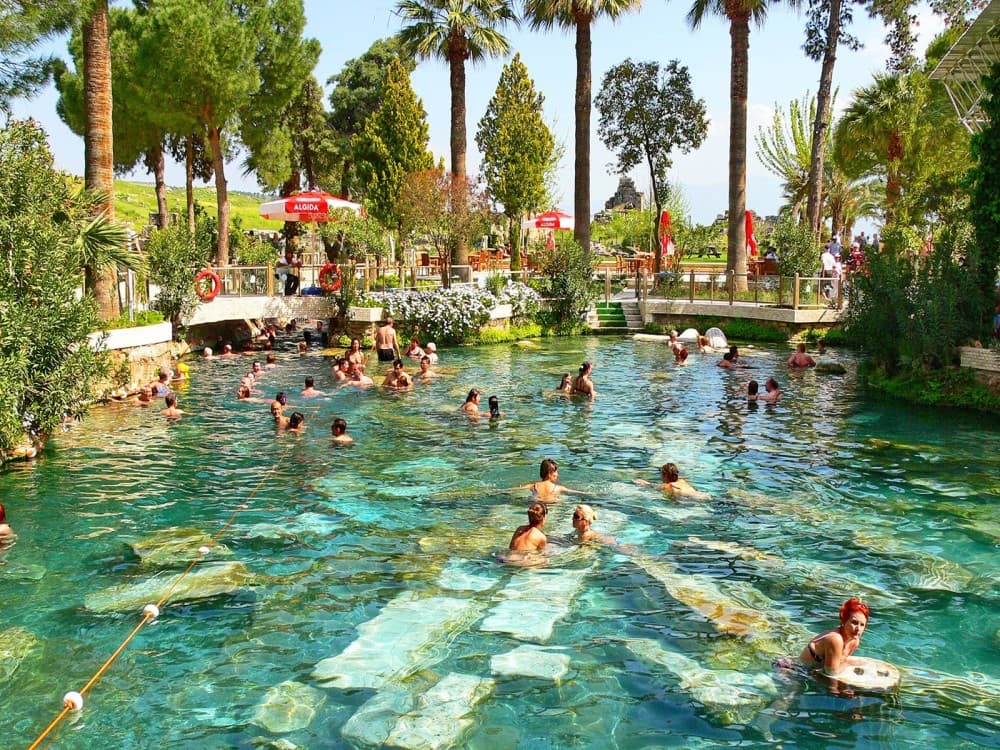
Cleopatra’s Pool, officially known as the Antique Pool, is a thermal pool within the ruins of Hierapolis. The pool is filled with warm mineral water and contains submerged ancient columns and stone blocks, believed to have fallen into the pool during earthquakes.
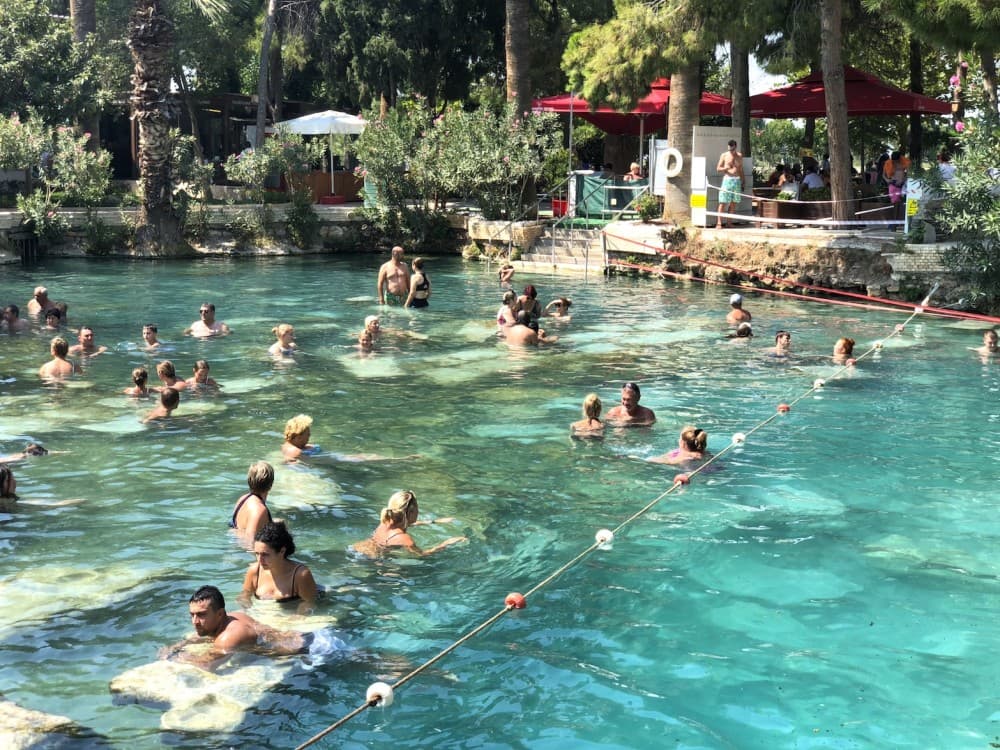
Today, visitors can swim in this pool, which adds to its fame. Over time, the pool became popularly known as Cleopatra’s Pool, largely because of the belief that such a luxurious and healing place would have appealed to someone like Cleopatra.
Is There Historical Evidence Cleopatra Visited Pamukkale?
There is no solid historical evidence proving that Cleopatra ever visited Pamukkale or bathed in its thermal pools. Ancient records, inscriptions, and historical texts do not mention her presence in Hierapolis or the region.
Historians generally agree that the connection between Cleopatra and Pamukkale is symbolic rather than factual. The story likely developed as a way to highlight the beauty, luxury, and supposed healing qualities of the thermal waters.
Why the Legend Became Popular
The legend of Cleopatra bathing in Pamukkale became popular largely through tourism and storytelling. Cleopatra represents beauty, elegance, and indulgence, all qualities that fit perfectly with a warm, mineral-rich pool surrounded by ancient ruins.
Naming the Antique Pool after Cleopatra helped create a romantic image and made the site more memorable for visitors. Similar legends exist in other parts of the world, where famous historical figures are linked to natural landmarks without clear evidence.
Did Important Figures Bathe in Pamukkale?
While Cleopatra’s visit is unproven, it is very likely that many important Roman figures visited Pamukkale. Hierapolis was a major spa city during Roman times, known for its healing waters. People traveled there to treat illnesses, relax, and socialize.
The Romans built bath complexes, temples, and accommodations around the thermal springs, showing how valuable the site was. So while Cleopatra herself may not have bathed there, the pool was certainly used by wealthy and powerful people of the ancient world.
Why the Thermal Waters Were So Valued
The thermal waters of Pamukkale were believed to have healing properties due to their mineral content. Ancient civilizations often associated hot springs with divine power and health benefits. Hierapolis was even considered a sacred city, and the waters were part of religious and medical practices.
This reputation makes it believable that a queen like Cleopatra could have been drawn to such a place, even if there is no proof she actually visited.
How Visitors Experience the Legend Today
Today, visitors are allowed to swim in Cleopatra’s Pool, which keeps the legend alive. Floating among ancient columns in warm water creates a strong emotional connection to history, whether or not Cleopatra was truly there.
Many visitors enjoy the idea of bathing where royalty might have bathed, and the story adds depth to the experience. Even as a legend, it enhances the atmosphere and cultural appeal of Pamukkale.
Separating Myth from History
It is important to understand the difference between legend and fact when visiting historical sites. Cleopatra bathing in Pamukkale remains a myth with no historical confirmation. However, the pool itself is genuinely ancient and was used extensively during Roman times.
The legend does not take away from the importance of the site. Instead, it reflects how people connect famous names to extraordinary places.
Conclusion: Did Cleopatra Really Bathe in Pamukkale?
There is no historical evidence that Cleopatra bathed in Pamukkale, and the story is best understood as a legend rather than a fact. The Antique Pool earned its name because of its beauty, luxury, and association with ancient spa culture, not because of confirmed royal visits.
Even without Cleopatra, Pamukkale remains one of Turkey’s most remarkable destinations. The combination of natural thermal waters, ancient ruins, and centuries of history makes it a place worthy of admiration, legend or not.