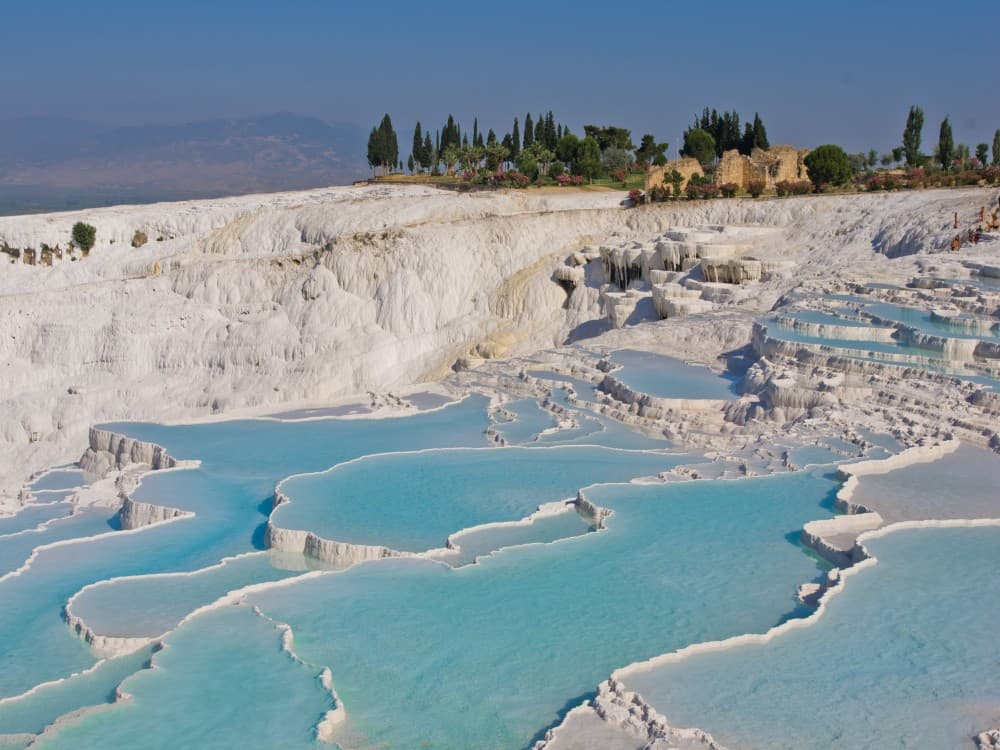
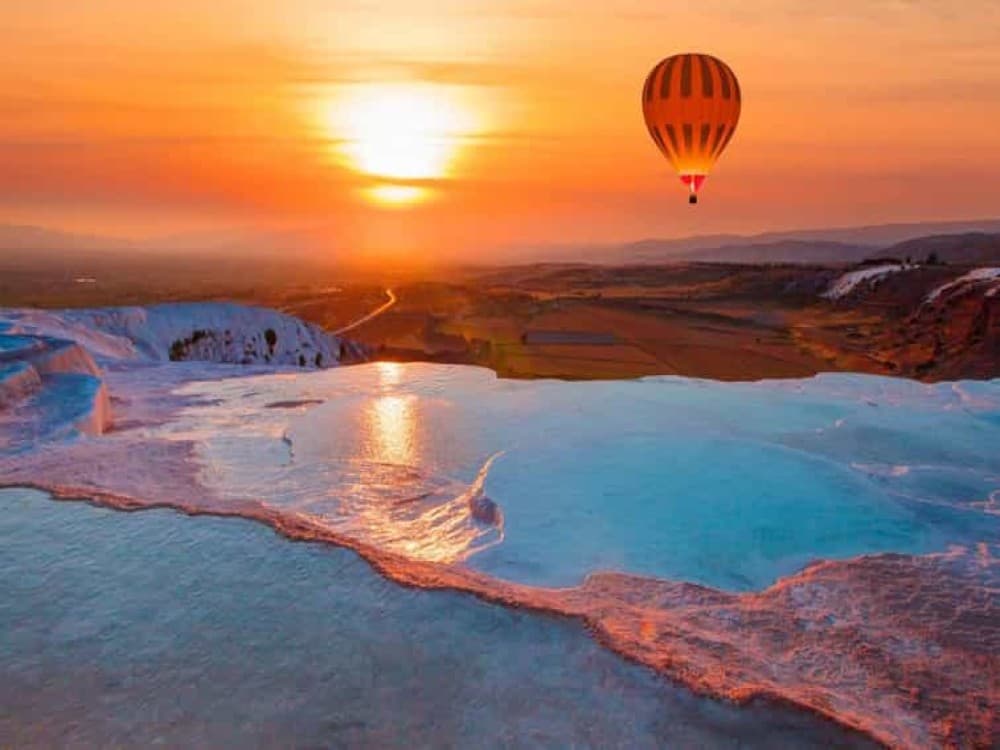
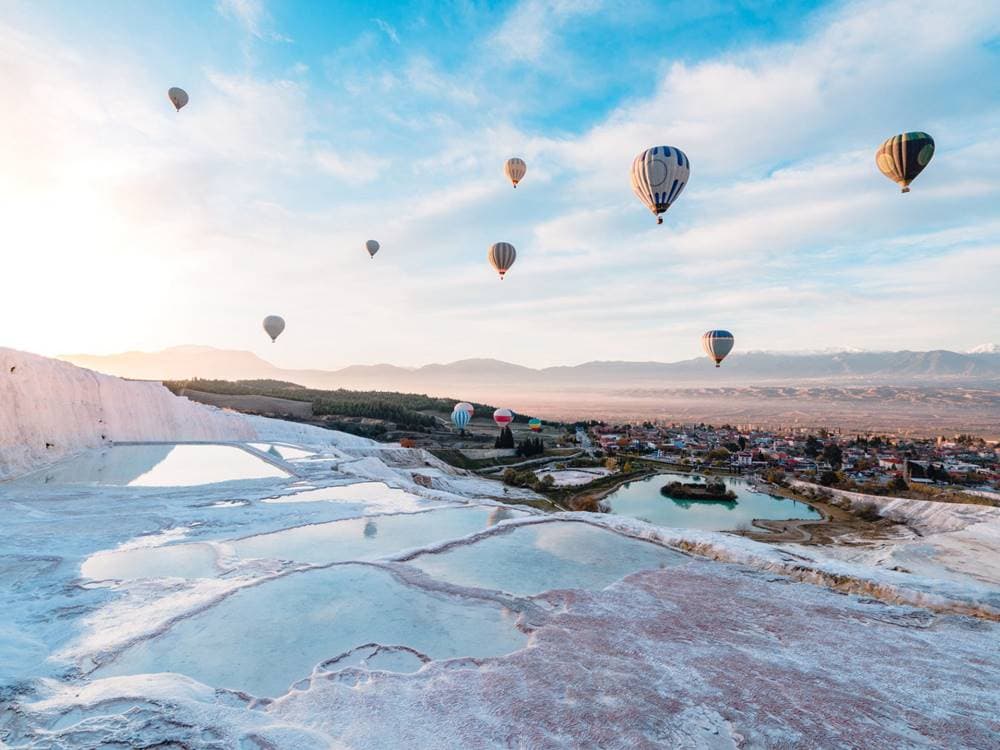
Pamukkale is one of Turkey’s most photographed natural landmarks, famous for its white terraces that look soft and smooth from a distance. Because the formations appear almost unreal, many visitors wonder whether it is actually allowed to walk on Pamukkale. The answer is yes, you can walk on Pamukkale, but only under specific rules and conditions designed to protect this fragile natural wonder. Understanding where and how walking is permitted will help you enjoy the site properly and avoid damaging it.
Walking on the Travertine Terraces
Visitors are allowed to walk on designated sections of the white travertine terraces. These areas are clearly marked and form part of the main visitor route. Walking on the terraces is one of the highlights of visiting Pamukkale, as it allows you to feel the warm thermal water and see the landscape up close.
However, walking is not permitted everywhere. Some terraces are closed to protect them or allow natural recovery. Following the marked paths is essential to preserve the white surface and maintain the beauty of the site.
Why Shoes Are Not Allowed
One of the most important rules at Pamukkale is that visitors must remove their shoes before walking on the terraces. Shoes can scratch the travertine surface and carry dirt, small stones, or chemicals that damage the calcium deposits.
Walking barefoot helps protect the terraces and also enhances the experience. The warm water flowing over the smooth white surface feels pleasant underfoot, especially on hot days. This rule is strictly enforced by site staff.
What the Surface Feels Like Underfoot
The travertine surface varies depending on whether water is flowing. In wet areas, the surface can feel smooth, slightly slippery, and cool to warm depending on water temperature. In drier sections, the surface is harder and rougher.
While the terraces may look soft like cotton, they are actually solid rock formed from calcium carbonate. Walking carefully is important, as some areas can be uneven.
Where You Cannot Walk
Not all parts of Pamukkale are open to walking. Dry, unused terraces and areas showing signs of wear are usually fenced off. These sections are closed to allow mineral deposits to rebuild and prevent further damage.
Climbing, sitting, or lying down on restricted areas is not allowed. Ignoring these rules can result in fines and contributes to long-term damage of the site.
Walking Paths and Accessibility
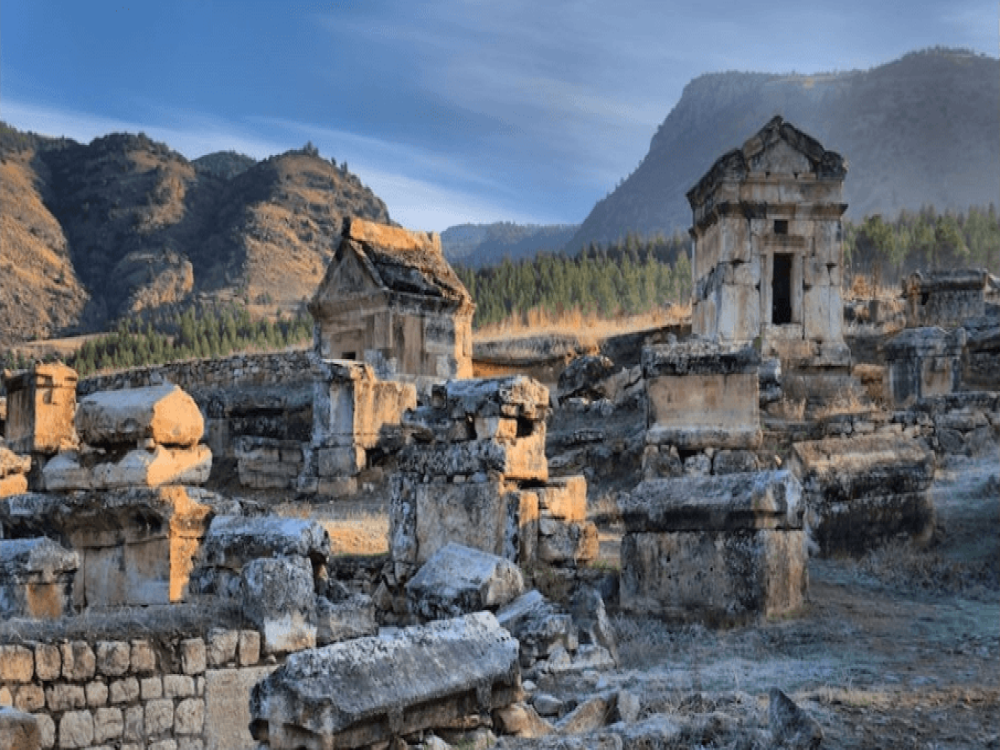
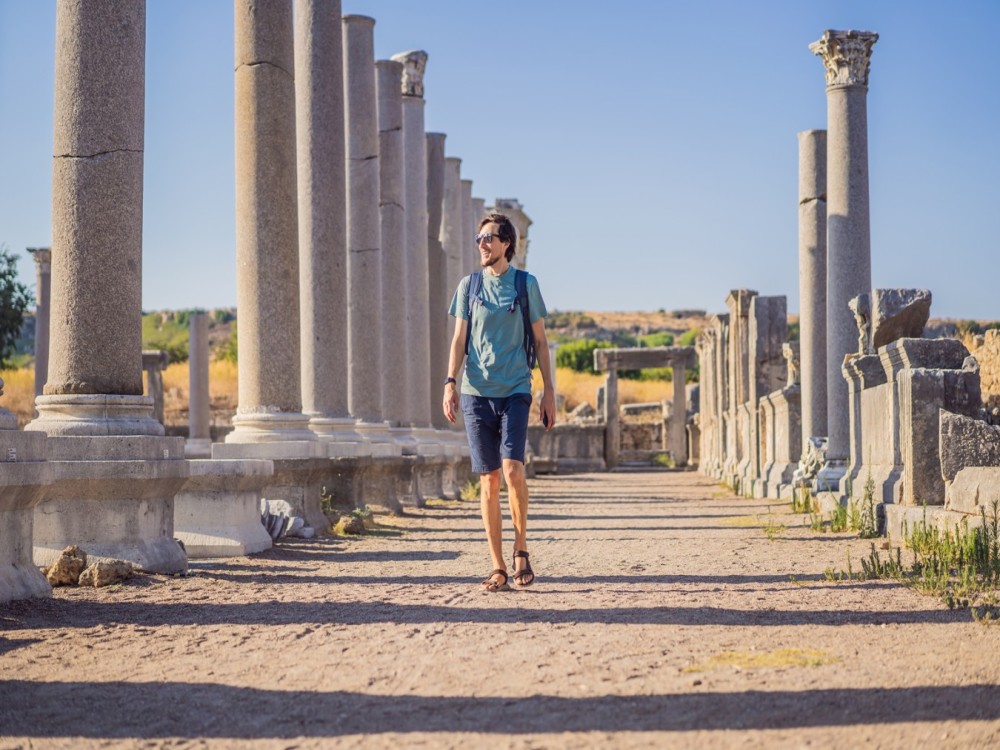
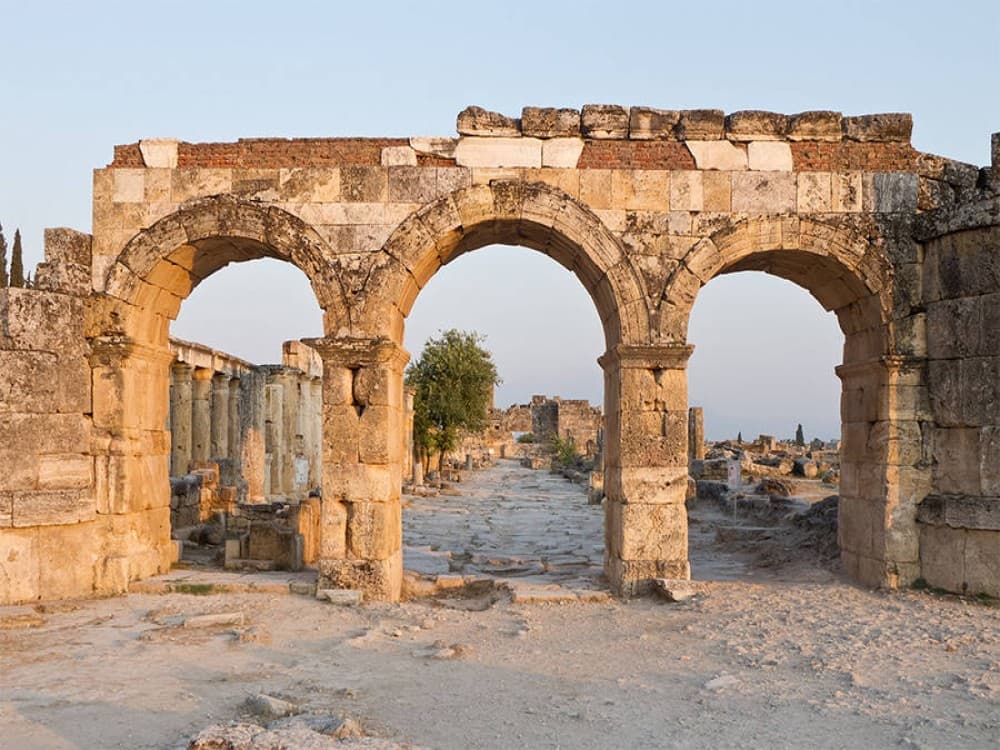
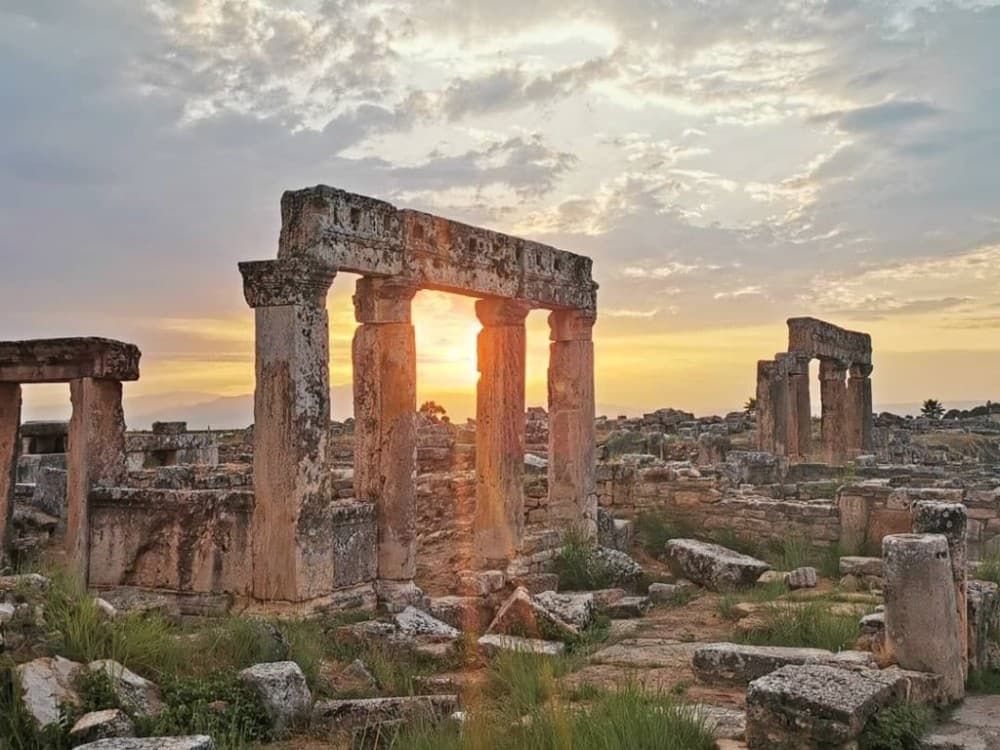
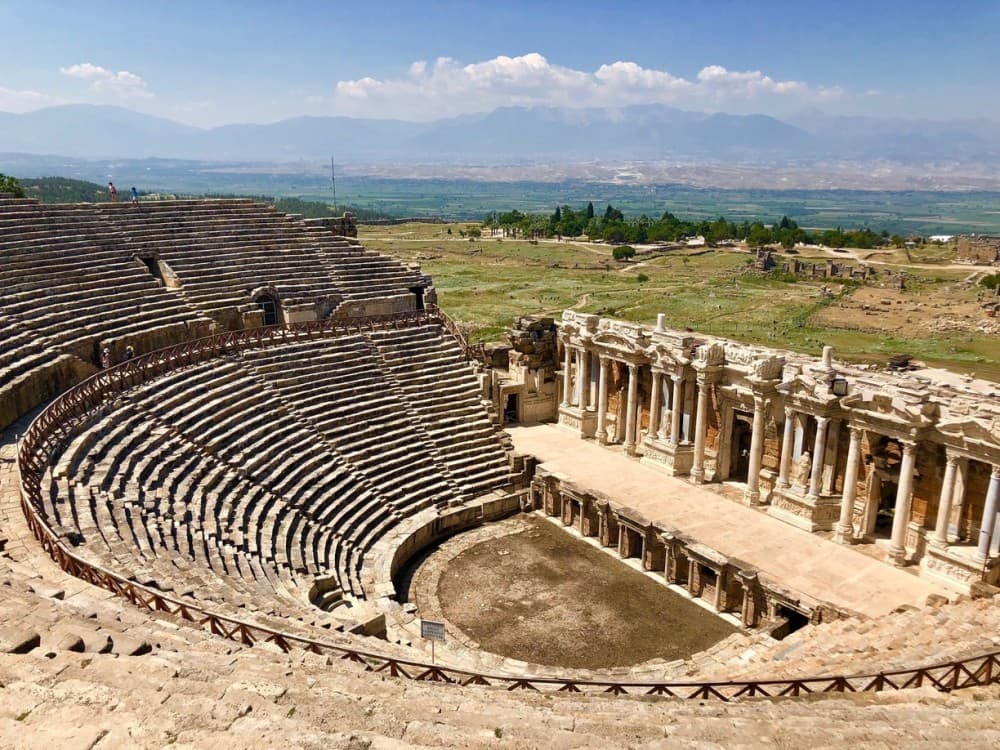
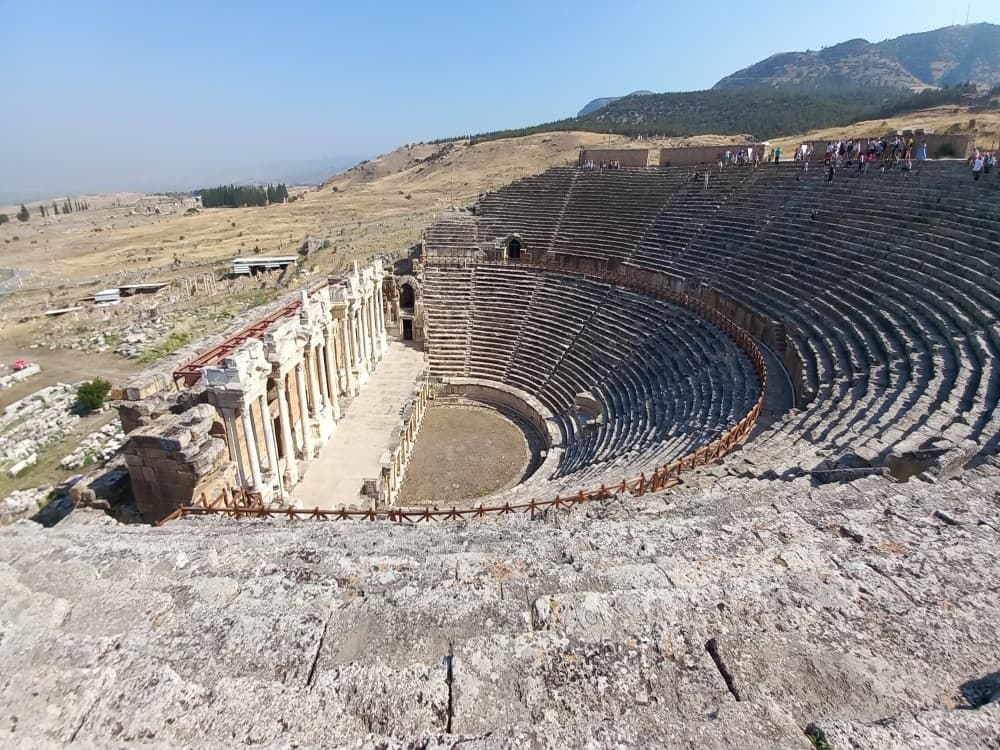
Pamukkale offers a combination of natural walking surfaces and constructed paths. Wooden walkways and stone paths guide visitors through sensitive areas and make the site more accessible. While walking barefoot is required on the terraces, shoes can be worn on surrounding paths and in the ancient city of Hierapolis above.
The overall walking experience involves gentle slopes rather than steep climbs, but it can still be tiring, especially in summer. Visitors should be prepared for some walking and standing throughout the day.
Walking Through Shallow Thermal Water
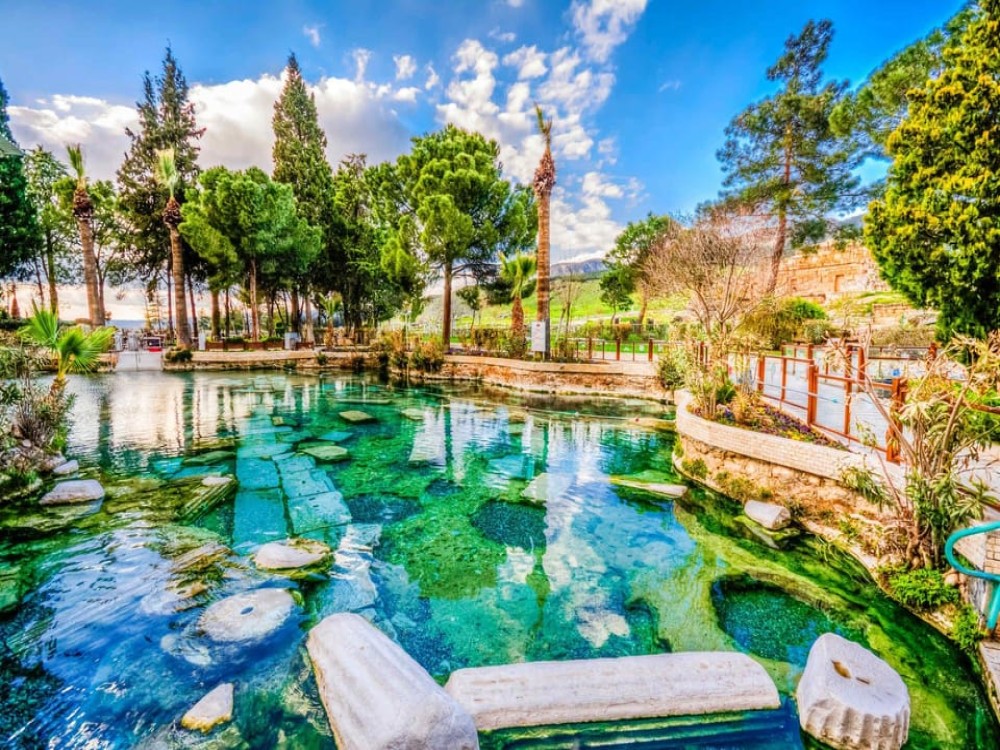
In some sections, walking involves stepping through shallow pools of thermal water. The water is usually ankle to calf deep and pleasantly warm. This is normal and part of the experience.
You are allowed to stand and walk in these pools, but swimming, splashing, or sitting for long periods on the terraces is not permitted. These restrictions help keep the water clean and the surface intact.
Safety While Walking on Pamukkale
Walking on Pamukkale is generally safe if you follow the rules. The main risk comes from slippery surfaces where water is flowing. Walking slowly and carefully helps prevent falls.
During summer, the white surface reflects sunlight strongly, which can increase heat exposure. Wearing a hat, using sunscreen before entering the site, and staying hydrated are important for comfort and safety.
Why Walking Is Carefully Controlled
In the past, unrestricted walking caused serious damage to Pamukkale’s terraces. Discoloration, erosion, and surface cracks became visible due to heavy foot traffic and improper behavior.
Today’s controlled walking system helps balance visitor access with conservation. By limiting where people can walk and enforcing barefoot rules, Pamukkale remains white, healthy, and naturally active.
Best Time of Day for Walking
Early morning and late afternoon are the best times to walk on Pamukkale. Temperatures are cooler, crowds are smaller, and the light is softer. Walking during these hours is more comfortable and allows you to enjoy the terraces at a relaxed pace.
Midday walking can be hot and crowded, especially during peak tourist season.
Conclusion: Can You Walk on Pamukkale?
Yes, you can walk on Pamukkale, but only in designated areas and always barefoot. Walking on the terraces is a key part of the Pamukkale experience, allowing visitors to connect directly with its natural beauty and warm thermal water.
By respecting the rules and walking carefully, visitors help preserve one of Turkey’s most unique natural wonders. When done properly, walking on Pamukkale is safe, enjoyable, and unforgettable.