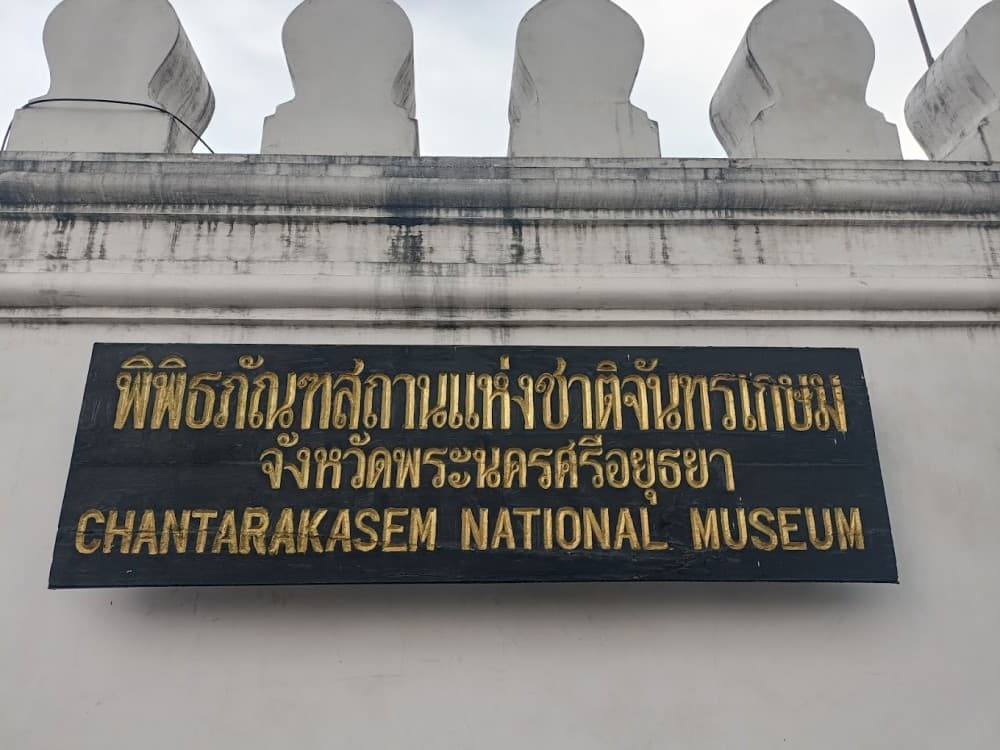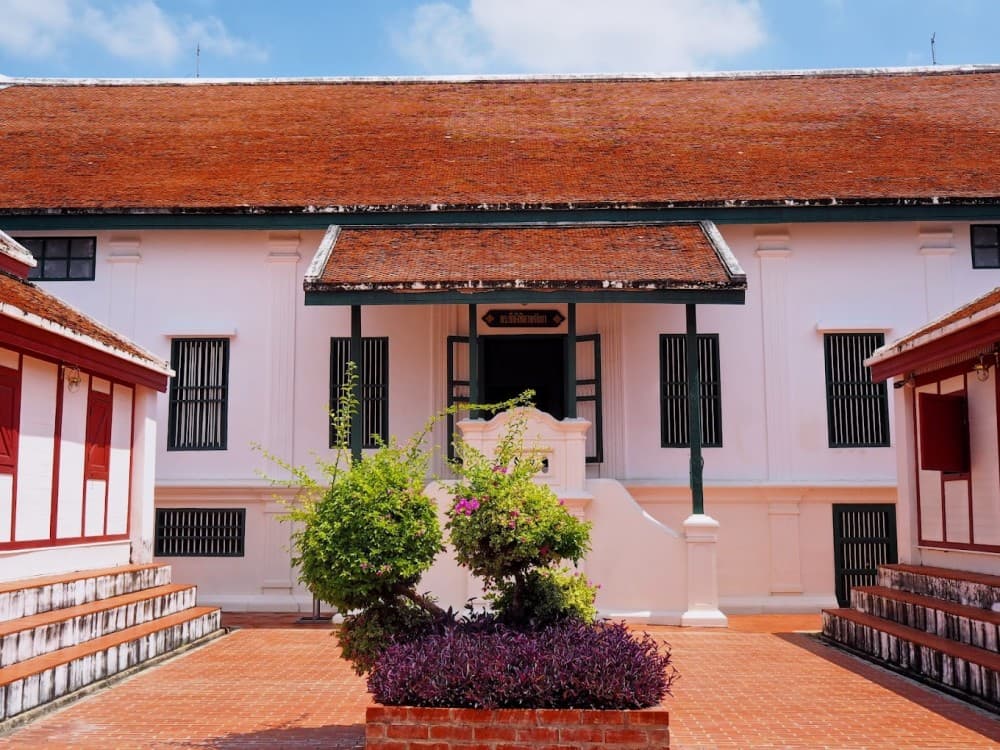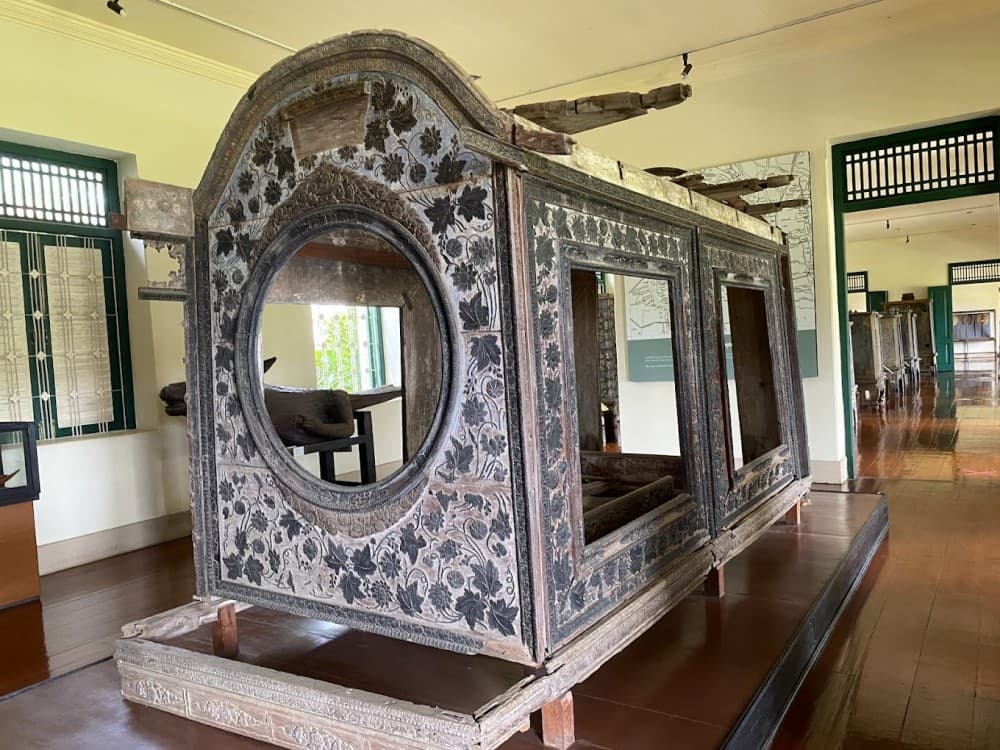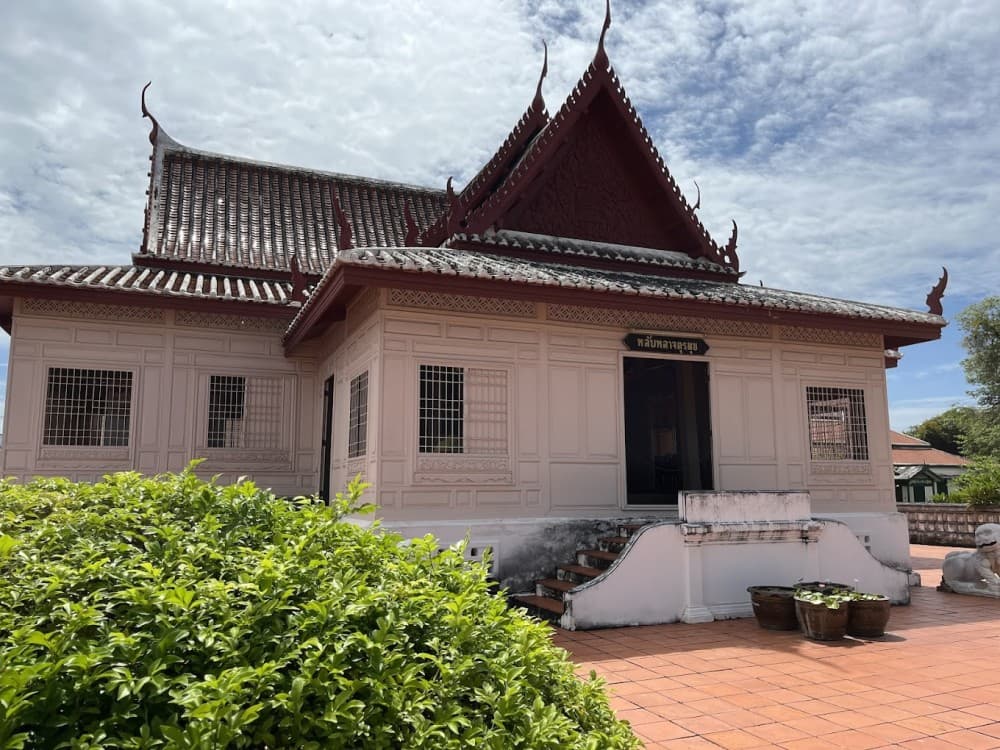
The Chantharakasem National Museum is a regal time capsule located within the beautifully restored Chantharakasem Palace, also known as the Front Palace. Originally built in 1577 for King Naresuan the Great, the palace served as a residence for the crown prince and several subsequent kings. After being destroyed during the fall of Ayutthaya, it was meticulously rebuilt in the mid-19th century by King Rama IV to serve as a temporary royal residence. Today, it stands as a unique architectural blend of classic Ayutthaya heritage and later Thai styles. Walking through its gates, you are transported into a world of royal elegance, where the buildings themselves are as significant as the treasures they hold. It offers a rare opportunity to see a palace that has been brought back to its former glory.
Es gibt noch keine Touren in Chantharakasem National Museum.
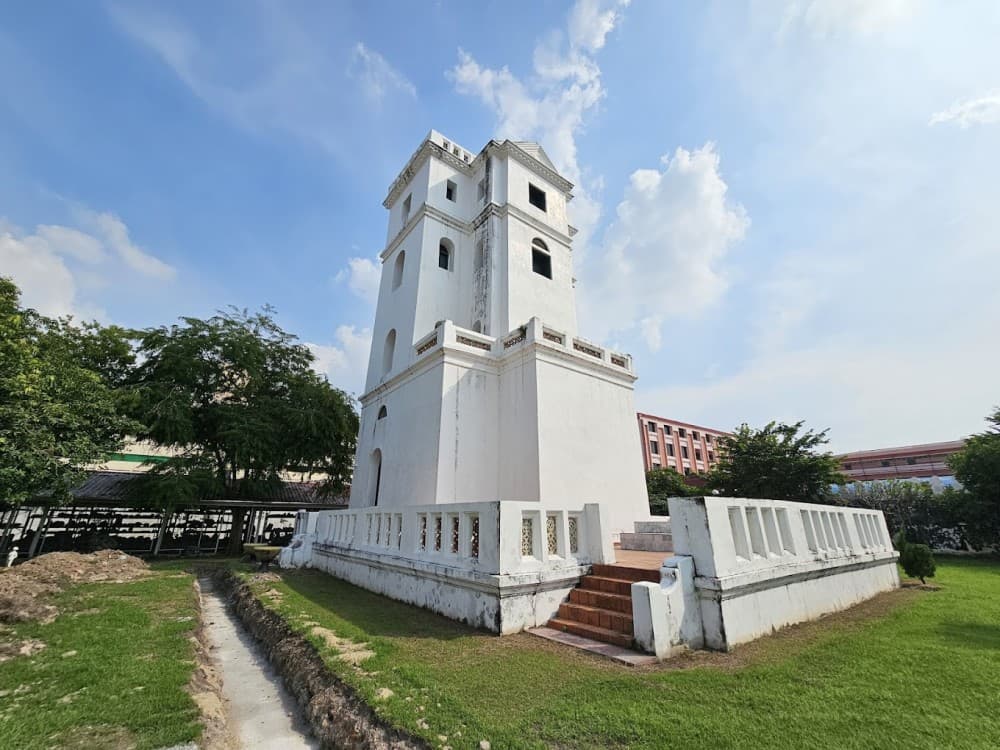
The museum is situated on U Thong Road at the northeast corner of the city island. It is generally open from Wednesday to Sunday, between 09:00 and 16:00, and is closed on Mondays, Tuesdays, and public holidays. The entrance fee for foreign visitors is 100 Baht, while Thai nationals pay 20 Baht. This museum is less crowded than the central archaeological sites, making it a peaceful place for a leisurely visit. The site is divided into several pavilions, including the stunning Chaturamuk Pavilion and the Phiman Rattaya Throne Hall. You can also climb the Phisai Sanlalak observatory tower for a panoramic view of the area. Most visitors find that one to two hours is sufficient to explore the galleries and the manicured palace grounds.
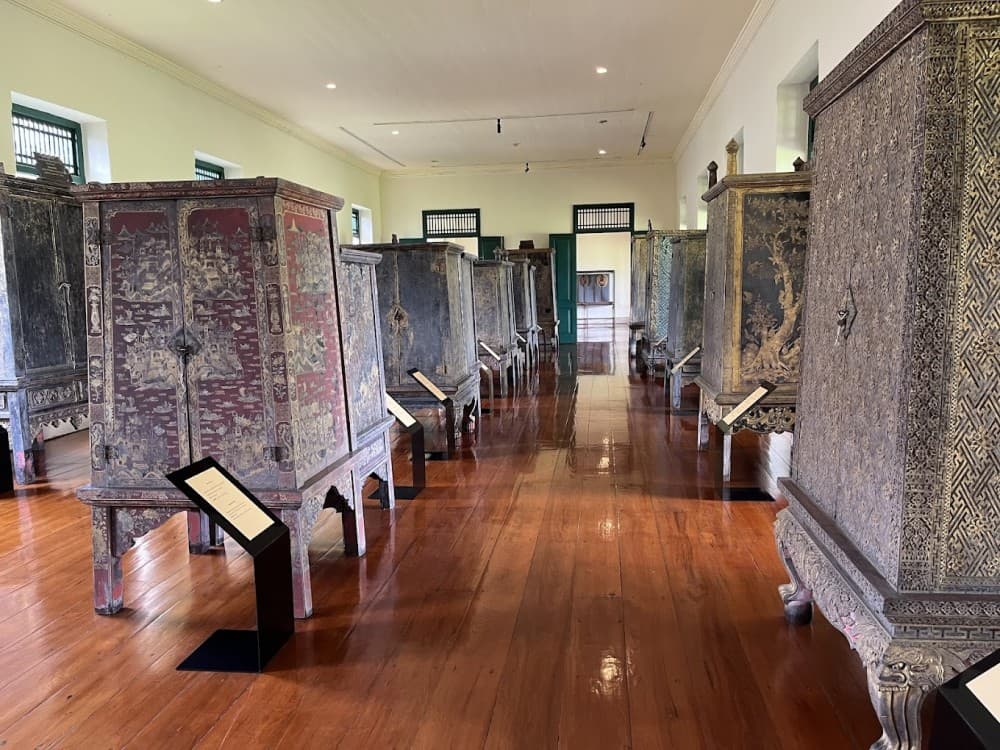
As with most historical and royal sites in Thailand, a respectful dress code is required. Please ensure your shoulders and knees are covered when entering the palace buildings. You will be asked to remove your shoes before stepping into the throne halls and exhibition rooms. Photography is generally permitted in the outdoor areas and some galleries, but always check for signs in specific rooms housing delicate artifacts. The museum is well-known for its collection of ancient weapons, ceramics, and personal items belonging to King Rama IV. While many signs have English translations, some areas may have limited signage, so taking your time to observe the intricate wood carvings and architectural details is key. There is a small café and restroom facilities available on the premises for visitors.
Chantharakasem National Museum is easy to find if you are staying in the Ayutthaya city center. If you have rented a bicycle or a motorbike, you can follow U Thong Road, which loops around the island, to the northeastern tip. For a more direct trip, a local three-wheeled tuk-tuk can bring you here from the train station or the central market for a small fee, usually between 60 and 100 Baht. If you are arriving at the Ayutthaya railway station, you can take a small ferry across the Pa Sak River and walk about ten minutes north to reach the palace entrance. Its location near the Hua Ro Market makes it a convenient stop for those exploring the local life on the northern side of the historical island.
The best time to visit is in the early morning, right at 09:00, when the air is fresh and the light on the white palace walls is perfect for photography. Because it is one of the quieter museums, you can enjoy the exhibitions without the large crowds often found at the central ruins. Alternatively, a mid-afternoon visit around 14:30 is a great way to escape the peak sun, as several of the galleries are housed in shaded or fan-cooled buildings. Since the museum is closed on Mondays and Tuesdays, be sure to plan your itinerary for the latter half of the week. Visiting on a weekday morning is particularly recommended if you want to experience the tranquil, scholarly atmosphere of the palace grounds in nearly total solitude.