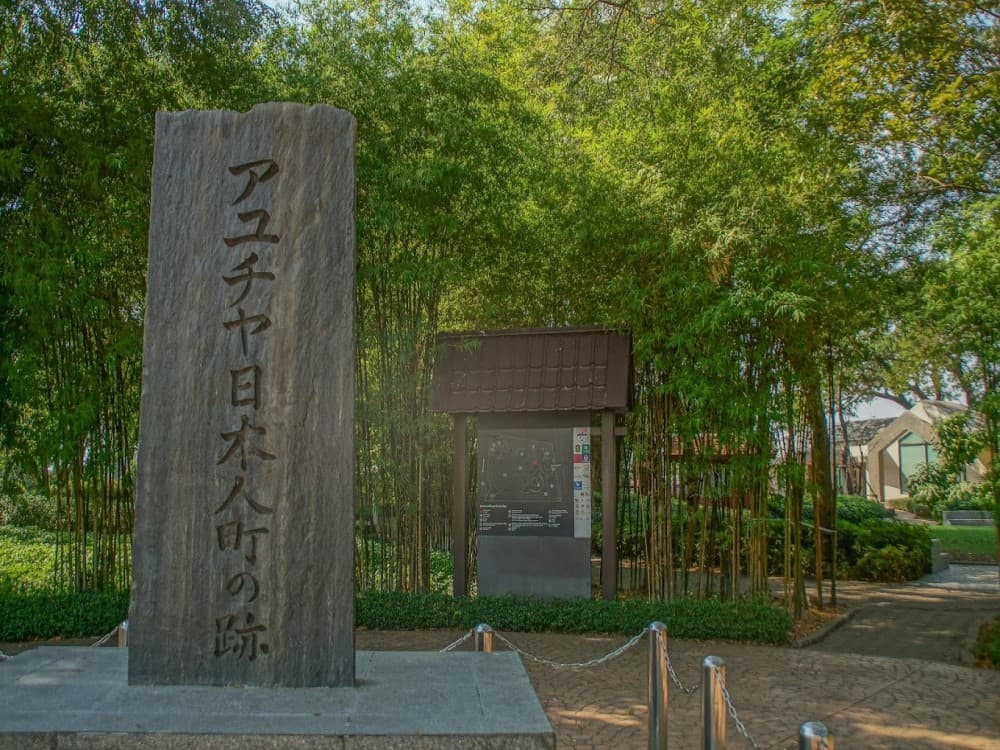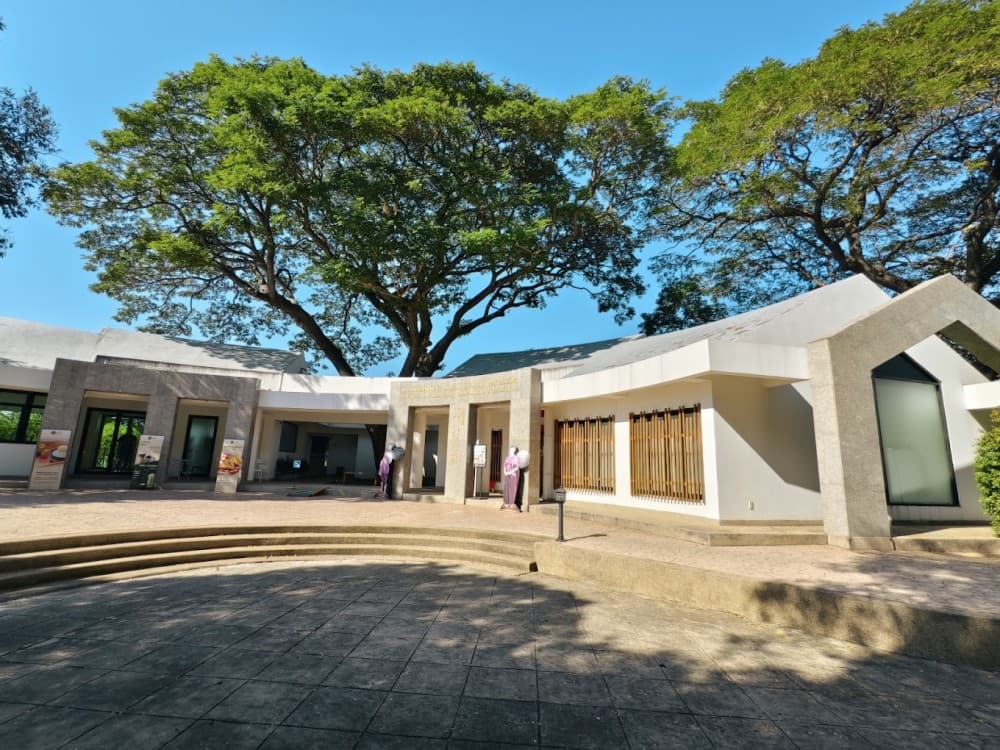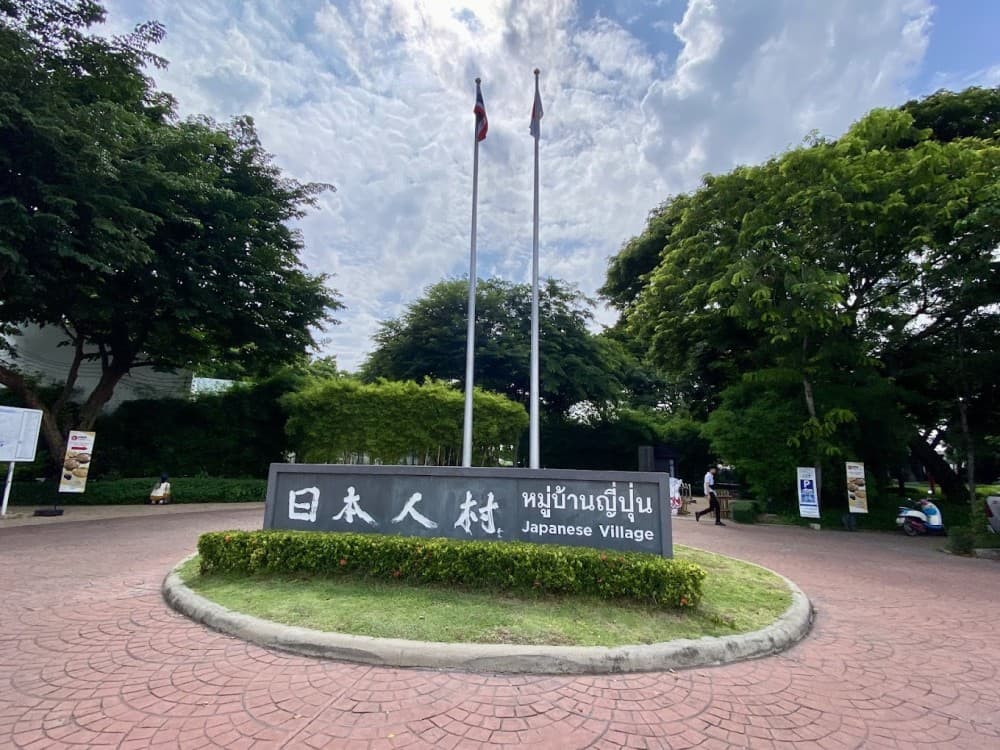
The Japanese Village, or Ban Yipun, is a serene memorial and museum situated on the site of a former 17th-century Japanese enclave. Once home to over a thousand samurai, merchants, and Christians fleeing persecution, this riverside settlement was a vital part of Ayutthaya's international trade network. Today, the village features beautifully landscaped Japanese gardens, traditional pavilions, and modern exhibition halls. Visitors can walk through a tranquil atmosphere that feels worlds away from the brick ruins of the main city. The site tells the story of prominent figures like Yamada Nagamasa, a Japanese adventurer who rose to high rank in the Siamese court, and Maria Guyomar de Pinha, who is credited with introducing famous Portuguese-influenced desserts to Thai cuisine.
Es gibt noch keine Touren in Japanese Village.
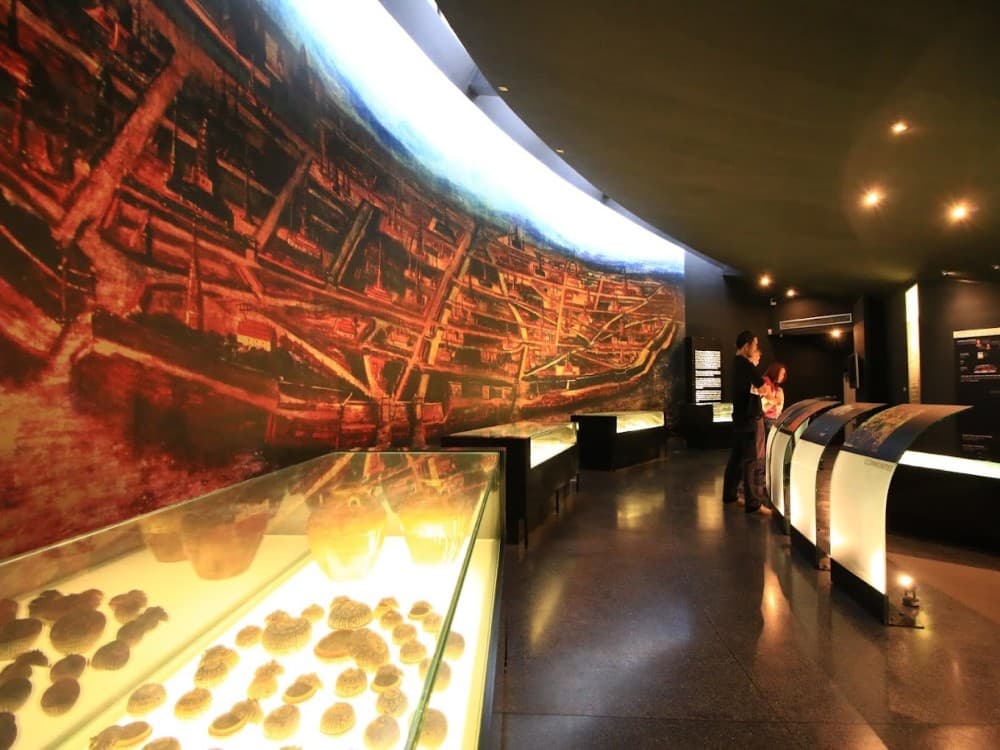
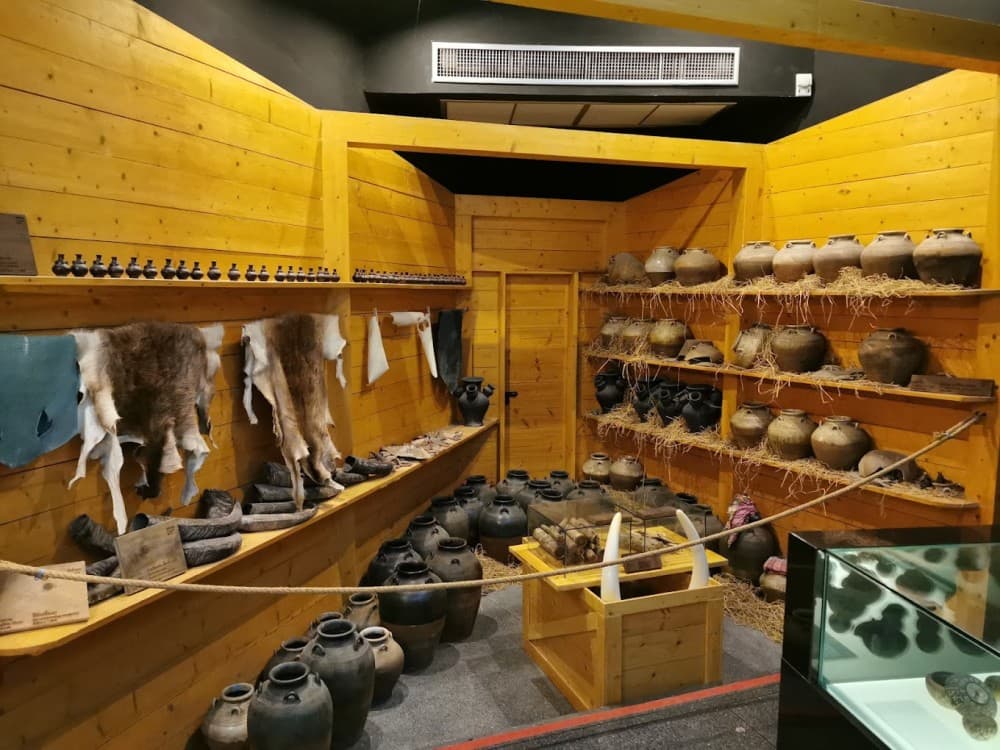
Located on the east bank of the Chao Phraya River, south of the main island, the village is generally open daily from 09:30 to 17:00. The entrance fee for foreign adults is 50 Baht, while children pay 20 Baht. This fee includes access to two main exhibition buildings and the outdoor gardens. Inside the air-conditioned galleries, you can view historical artifacts, wax figures, and multimedia presentations that detail the maritime history and diplomatic ties between Japan and Thailand. The complex is relatively small, so most visitors find that one hour is sufficient to explore everything. There is also a small souvenir shop and a cafe where you can enjoy traditional snacks while taking in the cooling breeze coming off the nearby river.
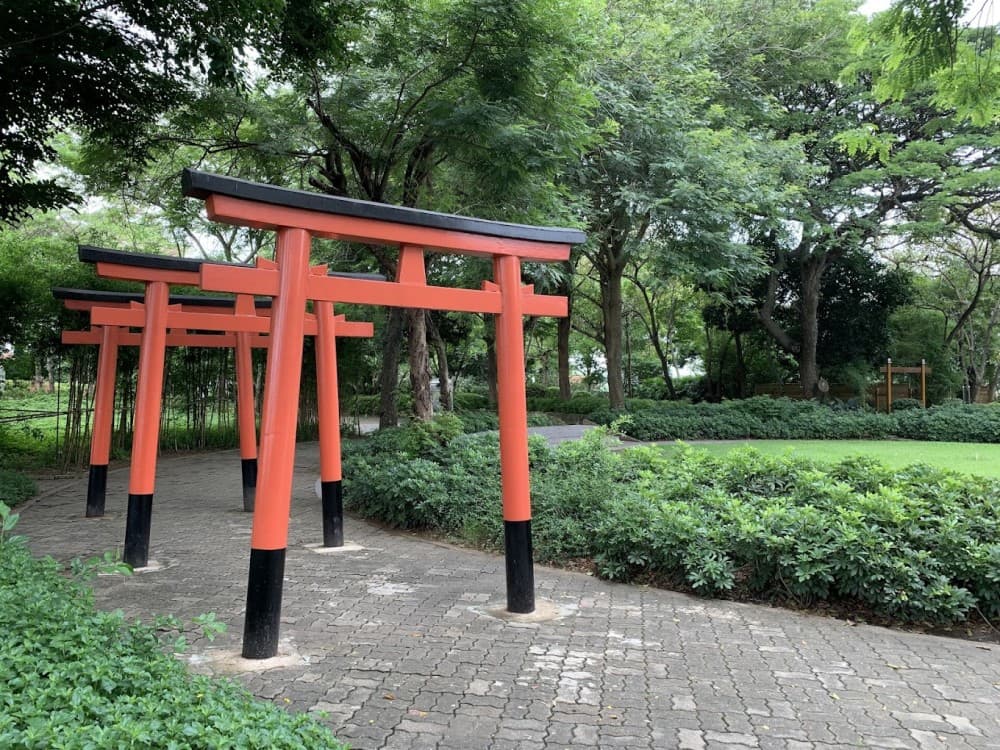
One of the most popular activities at the Japanese Village is renting traditional Japanese attire. You can hire a yukata for 100 Baht or a full kimono for 200 Baht per hour, providing a unique way to take photos among the Torii gates and bamboo groves. The site is pet-friendly, meaning you can bring your small companions along as you stroll through the gardens. Unlike many of the temple ruins, the museum buildings here are fully air-conditioned, making this an excellent midday stop to escape the Ayutthaya heat. While the dress code is more relaxed than at active Buddhist temples, respectful attire is still appreciated. It is also worth noting that the site features interactive VR displays that offer a 360-degree view of what the original settlement looked like centuries ago.
The Japanese Village is located about 1.5 kilometers south of Wat Phanan Choeng, making it a quick trip from the city center. If you are staying on the island or near the train station, the most flexible way to visit is by renting a bicycle or motorbike and following the river road south. For a more comfortable journey, you can hire a local three-wheeled tuk-tuk for approximately 100 to 200 Baht depending on your starting point. Another scenic option is to take a water taxi or include the village as a stop on a private long-tail boat tour. If you are coming from the city island, you may need to cross the Pridi-Thamrong Bridge or take a small cross-river ferry near the train station and then proceed south by road.
The best time to visit is in the early morning at 09:30 or the late afternoon around 16:00. Arriving early allows you to enjoy the gardens in the coolest part of the day, while late afternoon visits offer the softest lighting for photography, particularly near the riverside. Since the village is a popular spot for photos, visiting on a weekday will help you avoid the larger crowds of local tourists and students who often visit on Saturdays and Sundays. If you are planning a full day of sightseeing, the Japanese Village serves as a perfect final stop before watching the sunset at the nearby Wat Chaiwatthanaram, as both sites are located south of the main historical island.