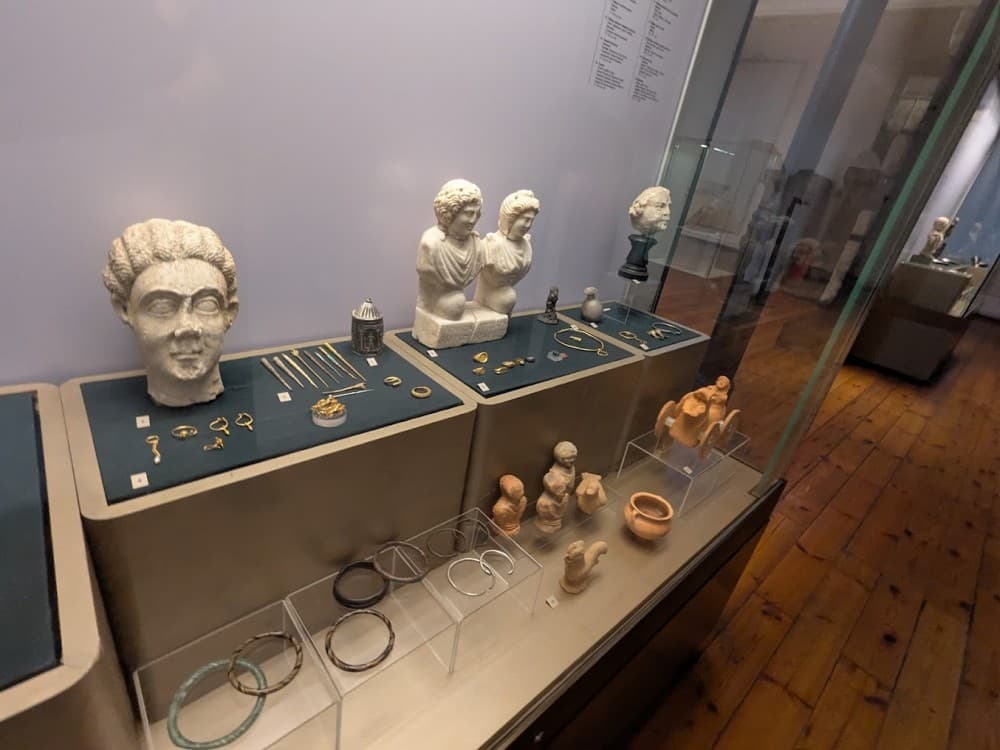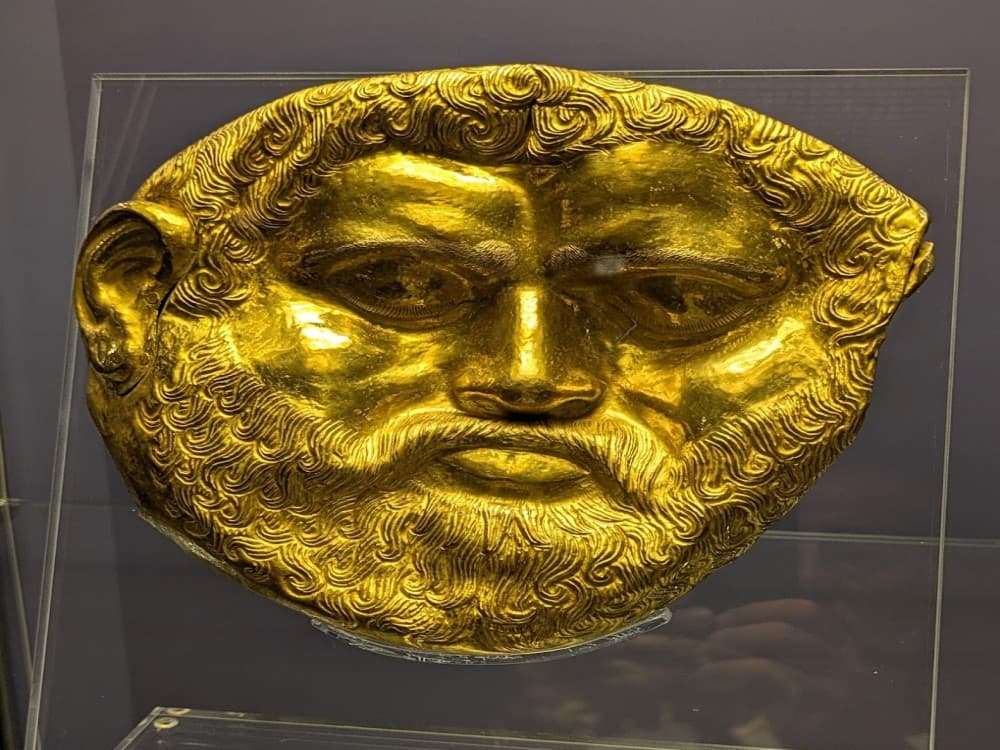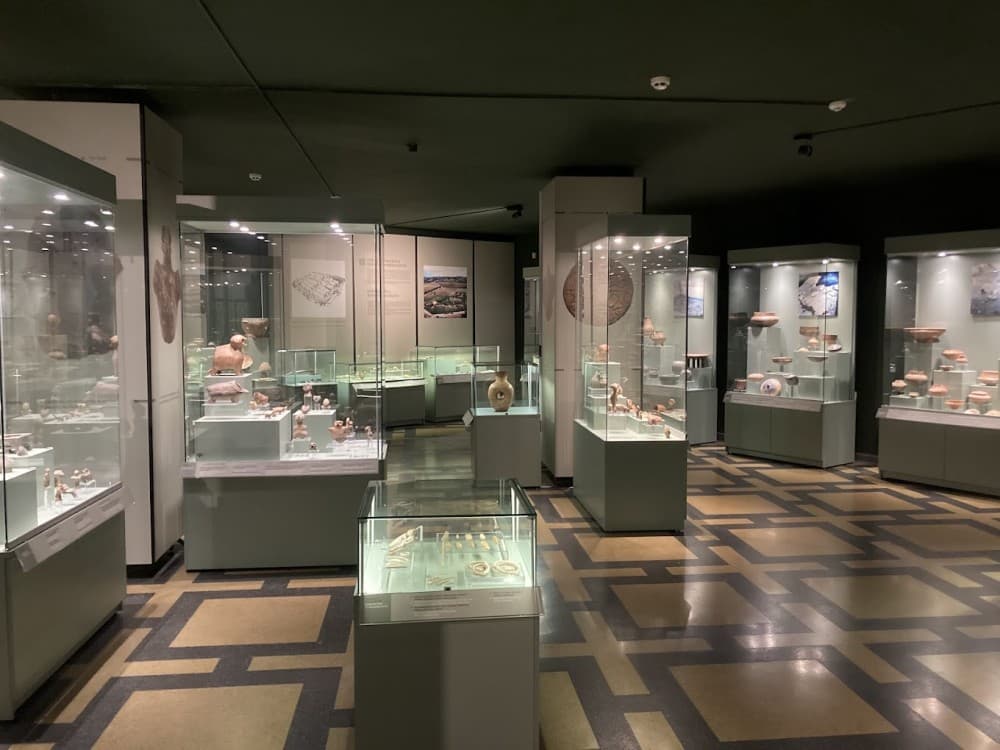
The National Archaeological Museum of Sofia is a captivating journey through eight millennia of human history, housed within the walls of the city’s oldest preserved Ottoman building. Originally the Great Mosque, built in the 15th century, the museum's nine white domes now shelter a vast collection of treasures from prehistoric, Thracian, Roman, and medieval eras. As you walk through the high-vaulted halls, you are greeted by the magnificent Madara Horseman replica and the world-famous Thracian gold treasures. The transition from an ancient place of worship to a modern repository of Bulgarian heritage creates a unique atmosphere where the architecture is as much a part of the exhibit as the artifacts themselves. It remains the most significant archaeological center in the Balkans, offering an unparalleled look at the civilizations that have shaped this land.
Located at 2 Saborna Street, directly across from the Presidency, the museum is easily accessible to all visitors. During the summer season from May to October, it is open daily from 10:00 AM to 6:00 PM. In the winter months from November to April, it operates from 10:00 AM to 5:00 PM and is closed on Mondays. As of 2026, a standard adult ticket costs 10 BGN, while students pay a significantly reduced rate of only 2 BGN. For those looking for a bargain, the museum offers free admission to all visitors on the last Sunday of every month. The museum is organized into four main sections: Prehistory, the Main Hall, the Medieval Section, and the highly secure Treasury, which houses the most valuable gold and silver finds.
Before you enter, be aware that while the museum is compact, it is packed with detail, so allow at least 90 minutes for a thorough visit. Photography for personal use is generally permitted, but flash is strictly forbidden to protect the delicate ancient pigments and metalwork. Many visitors are surprised by the high-tech security; a loud alarm may trigger if you lean too close to certain exhibits, particularly the icons, so maintain a respectful distance. Most displays feature excellent English descriptions, making it very user-friendly for international tourists. If you are visiting in the summer, the thick stone walls of the former mosque provide a naturally cool escape from the Sofia heat, though the humidity inside can occasionally be higher than expected.
The museum sits in the absolute heart of Sofia, making it one of the easiest sites to find. The most convenient way to arrive is via the Sofia Metro; the Serdika II station (Lines M2 and M4) is literally a one-minute walk away, while Serdika I (Line M1) is just four minutes away. If you are traveling by tram, the St. Nedelya Square stop is a five-minute walk from the entrance. Numerous bus lines, including the 20, 280, and 304, also stop at nearby Knyaz Alexander I Square. Because of its central location in the government district, it is within walking distance of almost every major downtown hotel, situated right between the Bulgarian National Bank and the Presidency building.
To enjoy the exhibits in a quiet and contemplative environment, the best time to visit is on a weekday morning right after the 10:00 AM opening. This allows you to view the popular Treasury hall before the school groups or organized city tours arrive. If you prefer a late visit, the hour before closing is also typically peaceful. Spring and autumn are the most pleasant seasons for a visit, as the museum is often used as a cool sanctuary during the hot July and August afternoons. For those on a budget, the last Sunday of the month is the best time for free entry, though you should expect significantly larger crowds and potential queues at the entrance during these times.