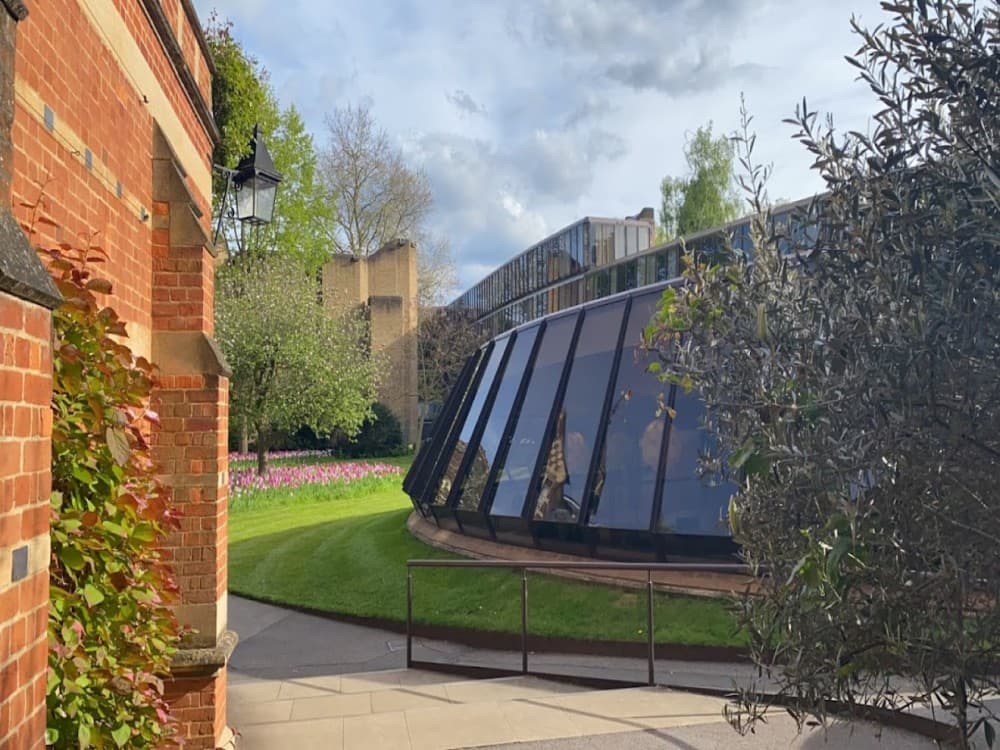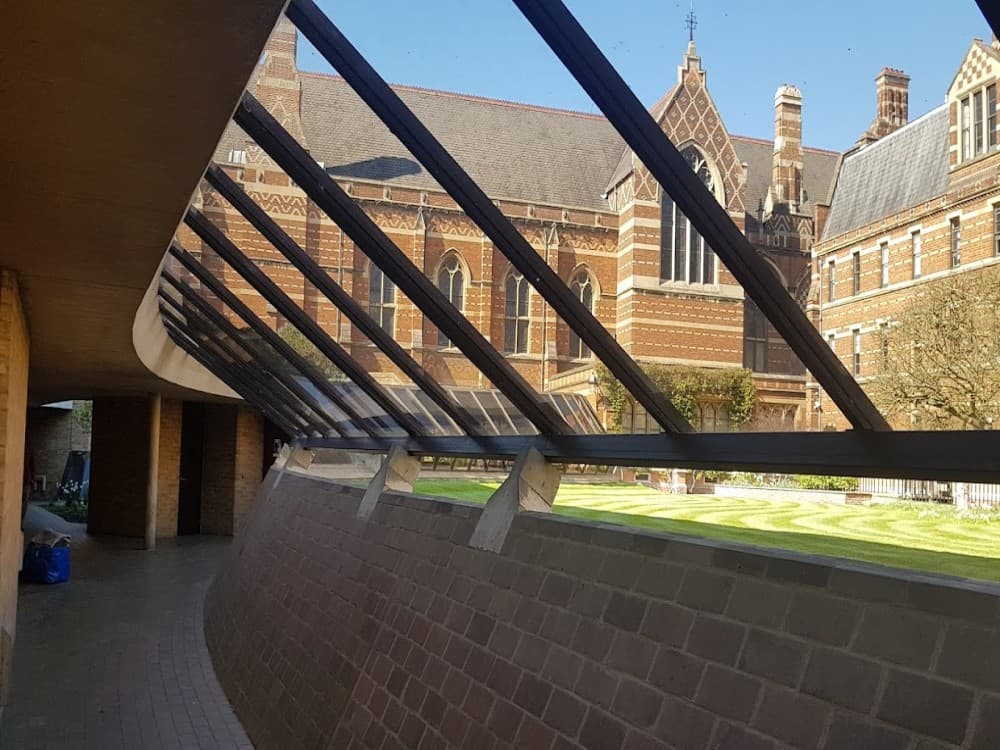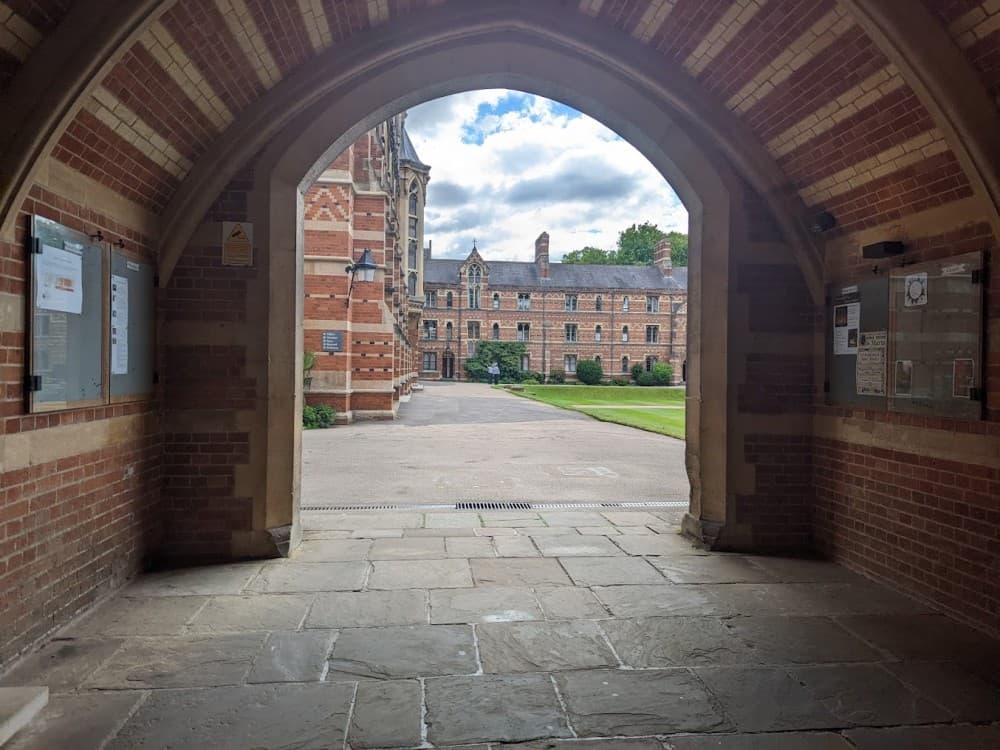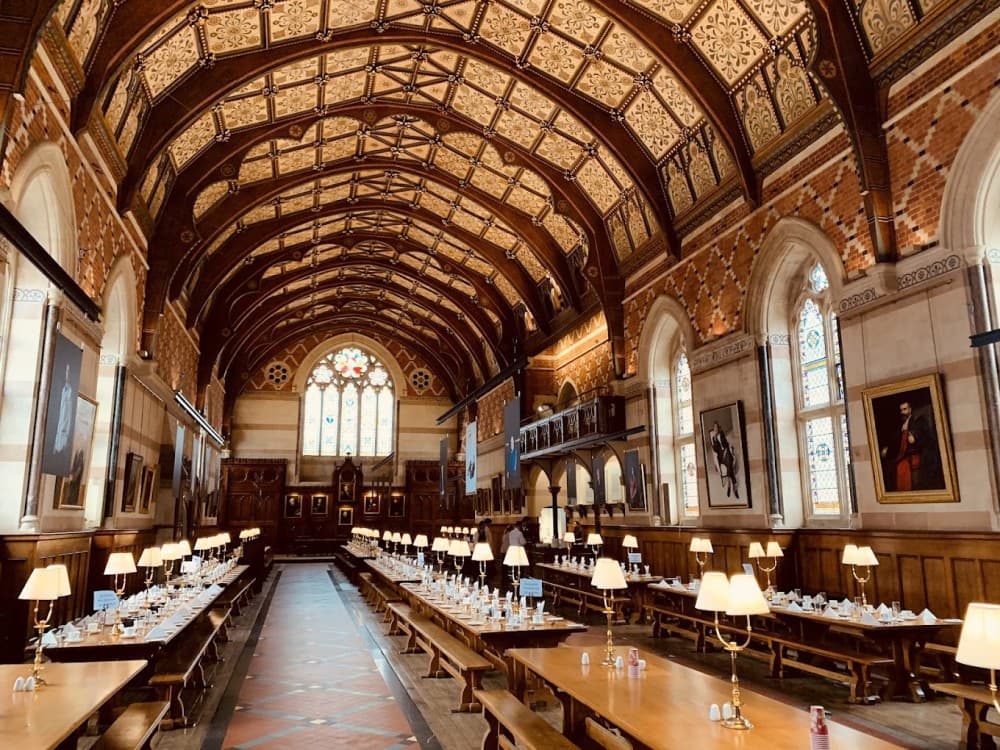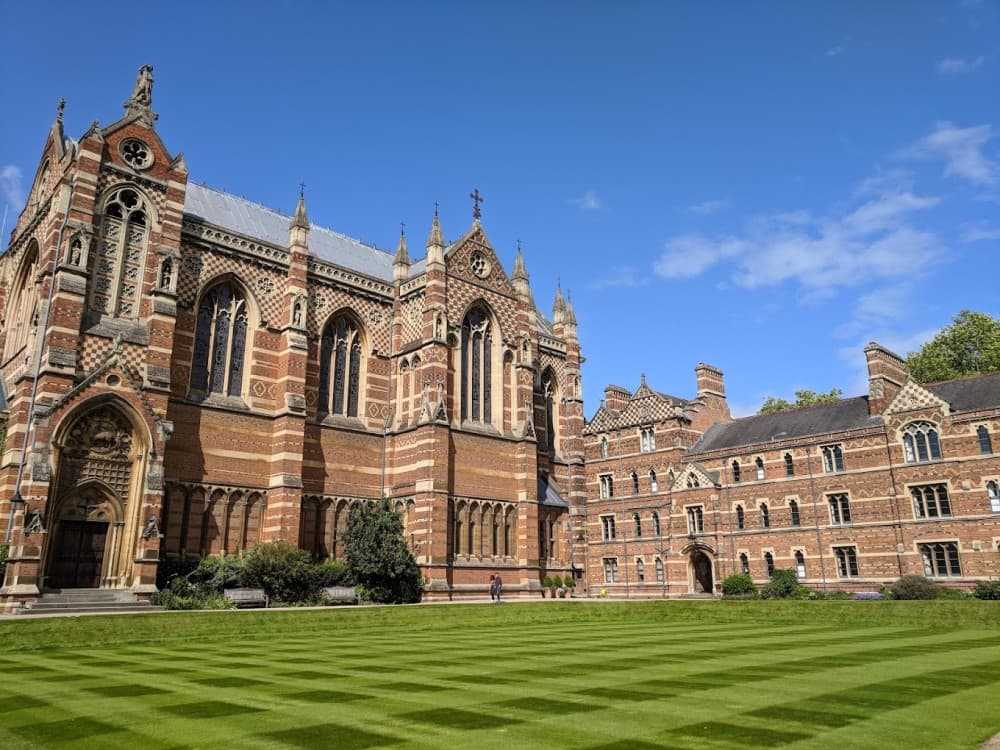
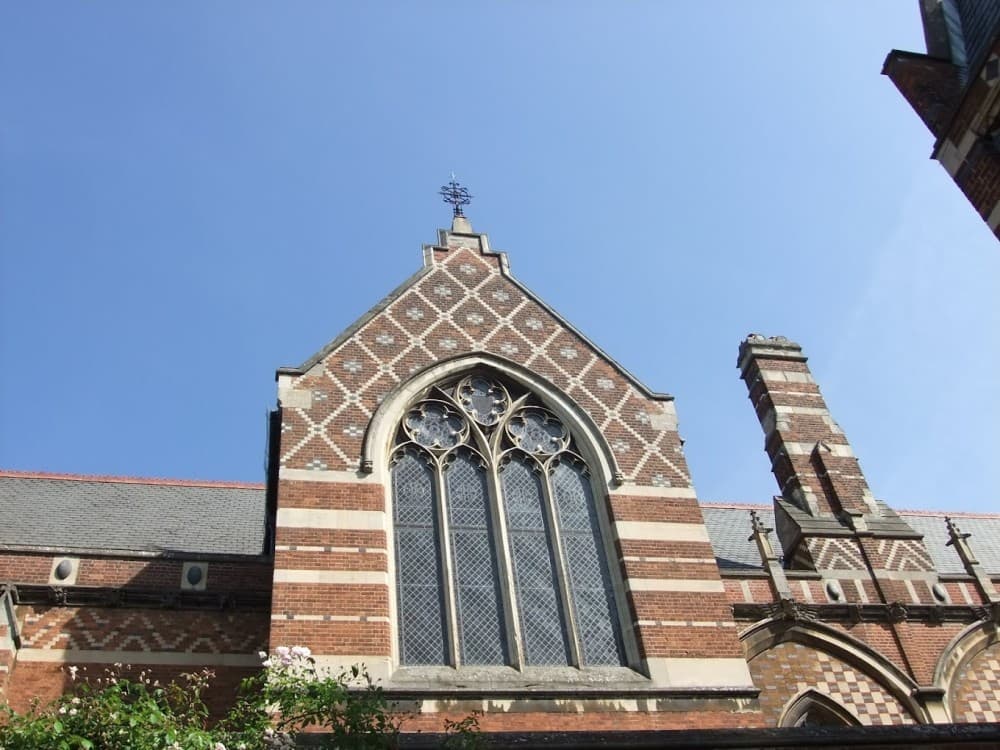
Keble College stands out among Oxford’s limestone colleges with its striking red, blue, and white patterned brickwork. Founded in 1870 in memory of John Keble, a leader of the Oxford Movement, the college was designed by architect William Butterfield to break the traditional mould. Its centerpiece is the massive, soaring Chapel, which is one of the largest in the university and features intricate mosaics and stained glass. Keble is most famous for housing the original version of The Light of the World, a globally renowned Pre-Raphaelite painting by William Holman Hunt. With its vast Liddon Quad and grand Victorian Gothic style, the college offers a unique and colorful architectural experience that contrasts beautifully with the city's older medieval structures.
Es gibt noch keine Touren in Keble College.
Keble College generally welcomes the public to visit its main Liddon Quad and Chapel daily from 14:00 to 17:00. As of 2026, entry to the college is free for individual visitors, though groups of more than eight people must book in advance through the Porters’ Lodge. The primary attraction, the Side Chapel containing the famous painting, is accessible through a door just before the choir stalls on the right side of the main Chapel. While there is no entry fee, donations toward the upkeep of the historic buildings are appreciated. Visitors should note that the college does not have a public café on the main Parks Road site, but the modern Robin Geffen Café at the nearby HB Allen Centre is open for light refreshments and drinks.
Inside the Side Chapel, you will find a small button on the wall to the right of the painting; pressing this illuminates The Light of the World for a short period, allowing you to see its vibrant details. Be aware that the Side Chapel is not wheelchair accessible due to its historic design, though the main Chapel and quads offer level access. As Keble is an active place of study, visitors must stay on the designated paths and keep noise to a minimum, particularly during term time. No animals are permitted on the grounds except for registered assistance dogs. Photography is allowed for personal use in the quads and the main Chapel, but flash is strictly prohibited near the painting to preserve its delicate pigments.
The college is located on Parks Road, directly opposite the University Museum of Natural History and the University Parks. From Oxford Railway Station, it is a pleasant 18-minute walk through the city via George Street and Broad Street. If you prefer to use the bus, several local services stop at the Keble Road stop, which is just a three-minute walk from the main entrance. For those coming from outside Oxford, the Park and Ride system is the best option, with buses from the Pear Tree or Water Eaton sites dropping you within easy walking distance. Driving directly to the college is not advised, as there is no on-site parking and the surrounding residential streets have very limited short-stay spaces.
The best time to visit is on a weekday afternoon shortly after 14:00 to enjoy the Chapel and painting before the late afternoon crowds. If you are a fan of choral music, attending Choral Evensong in the Chapel is a wonderful way to experience the building’s incredible acoustics; these services are usually held at 18:00 on selected evenings during the university term. The college is particularly beautiful in the summer months when the flower borders in the quads are in bloom, or in the winter when the warm glow of the Chapel interior provides a cozy refuge. Always check the college notice board at the Porters' Lodge, as the site occasionally closes for private university events, degree ceremonies, or weddings.