Liverpool: The Hardmans' House | ®ExcursionMania
Liverpool

The Hardmans' House

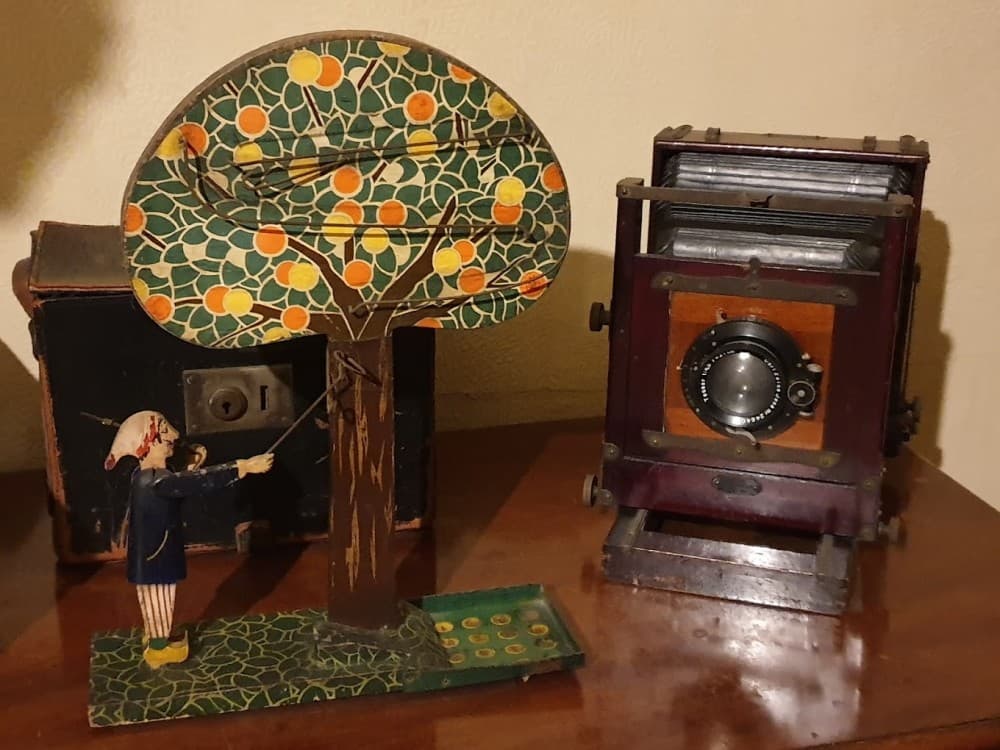
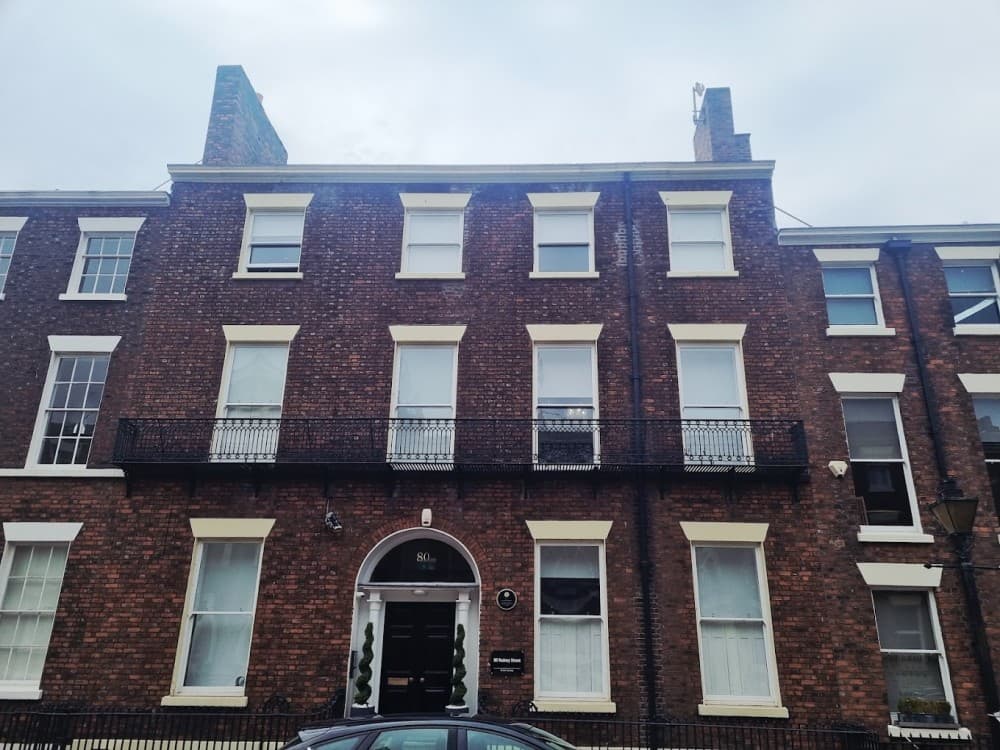
The Hardmans' House at 59 Rodney Street is a captivating time capsule that transports visitors back to the mid-20th century. This elegant Georgian terraced house served as both the home and the professional photographic studio of Edward Chambré Hardman and his wife Margaret from 1947 until the 1980s. It is the only intact 20th-century photographic studio open to the public in the UK. Inside, you will find a stark contrast between the neat, professional studio spaces where Liverpool's elite once posed and the eccentric, cluttered living quarters filled with the couple's personal belongings. From original cameras and darkroom equipment to vintage tins of food in the kitchen, every corner tells a story of a life dedicated to the art of photography.

The Hardmans' House Touren und Tickets

Es gibt noch keine Touren in The Hardmans' House.

Alles über The Hardmans' House

Was Sie erwartet

As a National Trust property, The Hardmans' House is managed with great care and is typically open on a seasonal basis, generally from March through October. Admission is strictly by guided tour only, which allows for an intimate exploration of the narrow hallways and preserved rooms. Tickets for non-members cost approximately 6.50 pounds for adults, while National Trust members can enter for free. Tours run at set intervals between 11:00 am and 3:30 pm on selected days, usually Wednesdays through Saturdays. It is highly recommended to book your timed slot online in advance via the National Trust website, as group sizes are kept very small to protect the fragile interiors and ensure everyone has a clear view of the unique artifacts.

Warum diese Tour buchen

The most important thing to remember is that the visitor entrance is located at the rear of the property on Pilgrim Street, not at the front door on Rodney Street. Because the house is a historic residence with multiple floors and narrow staircases, it is not fully accessible for those with limited mobility; however, a virtual tour is available for those who cannot climb the stairs. Flash photography is prohibited inside to protect the thousands of original photographic prints and negatives on display. The tours are quite detailed and last about 45 to 90 minutes, making them better suited for adults and older children with an interest in history or photography rather than very young children. There is a small reception area at the back where you can find basic toilets and a tiny gift shop.

Die richtige Tour auswählen

The house is located in the heart of Liverpool’s stunning Georgian Quarter. If you are traveling from the city center, it is a pleasant 15-minute uphill walk from Liverpool Lime Street station. Alternatively, several local bus routes stop nearby on Leece Street or Hardman Street, including the 82 and 86 services. If you prefer to drive, be aware that Rodney Street is largely reserved for permit holders and restricted pay-and-display parking. The easiest option for drivers is to use the large car park at the nearby Liverpool Anglican Cathedral, which is just a five-minute walk away. For a more scenic arrival, you can take a taxi directly to the Pilgrim Street entrance, which is well-signposted once you reach the top of the hill near the cathedrals.

Wissenswertes vor der Abreise

The best time to visit is during the spring and early autumn when the seasonal opening hours are in full effect. To avoid disappointment, aim to book a morning tour, as these are often less crowded and provide the best light for seeing the details in the photographic studio. If you are visiting in 2026, keep an eye out for special Heritage Open Days in September, when the house sometimes offers additional access or specialized themed tours. Since the house is located on one of the most beautiful streets in the city, arriving 30 minutes early allows you time to admire the external Georgian architecture of Rodney Street. Always check the National Trust website before your trip, as the house typically closes for "winter conservation" from November to February.