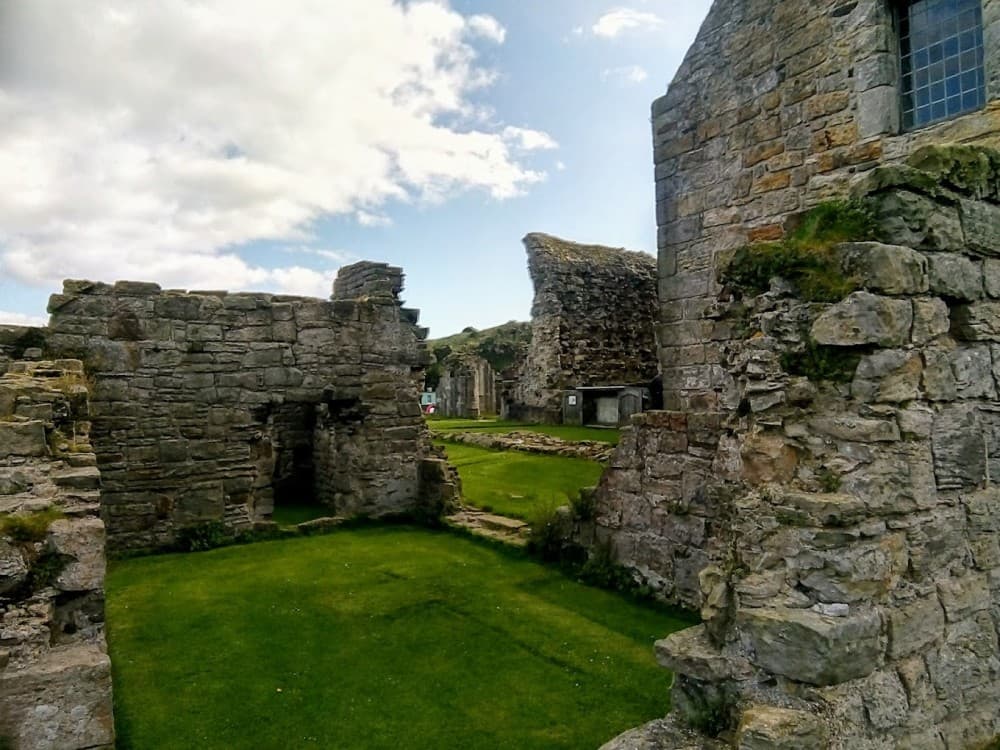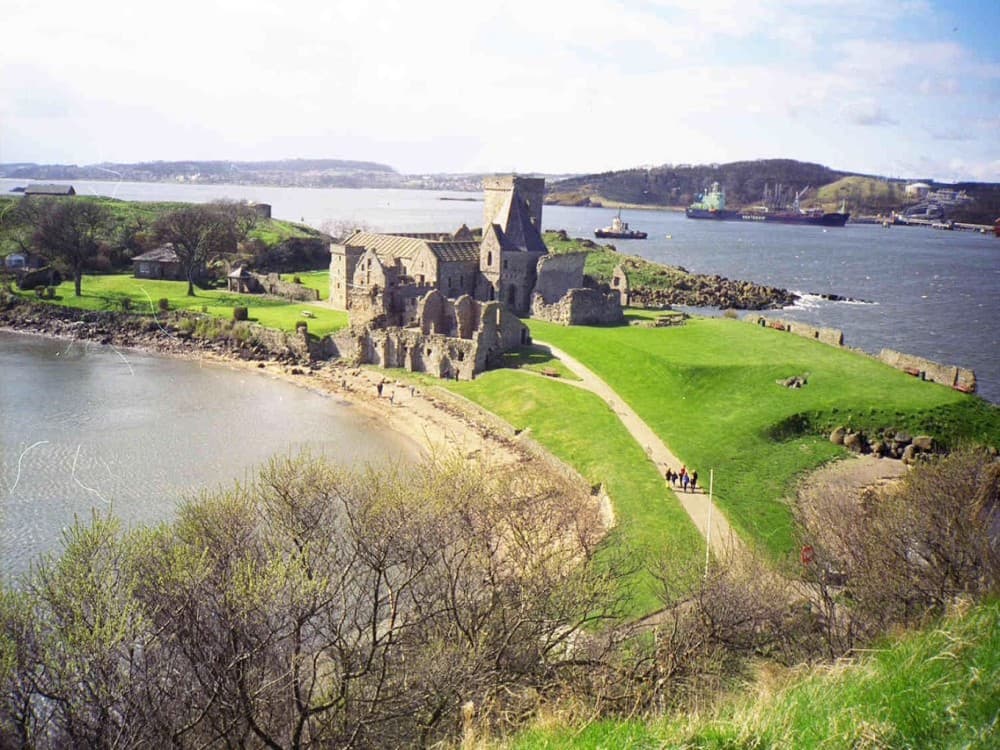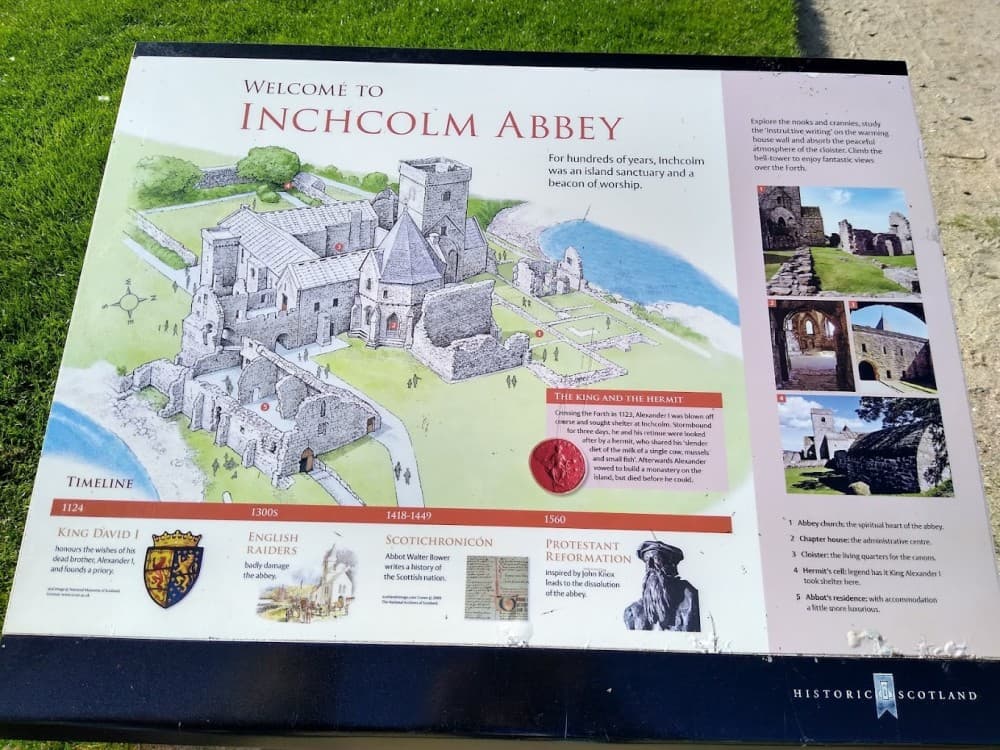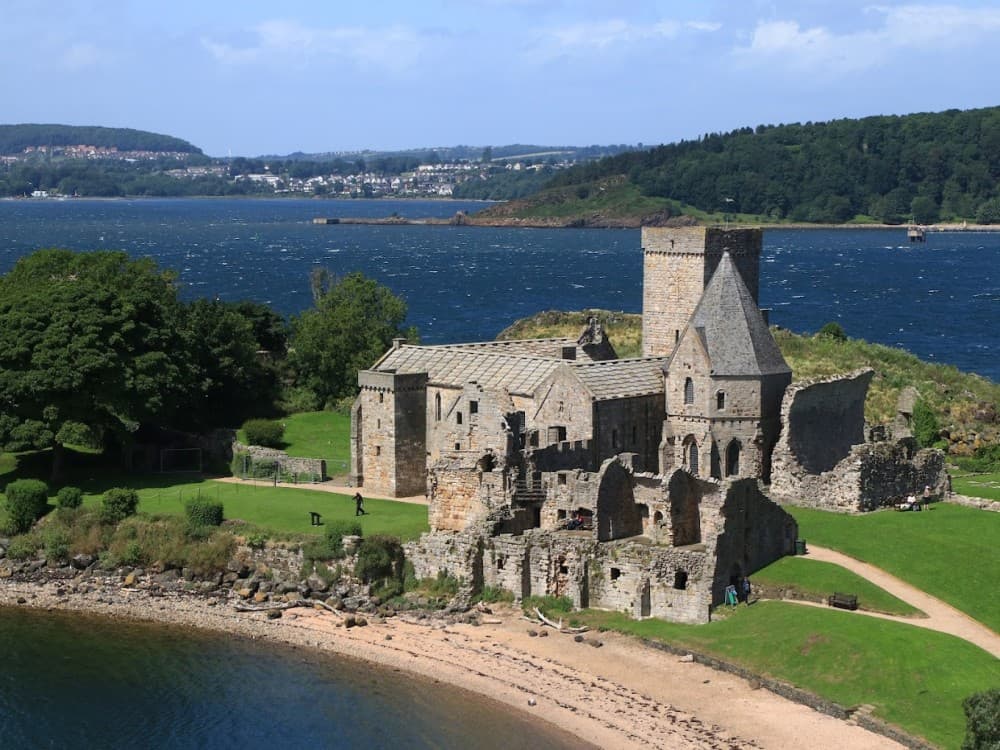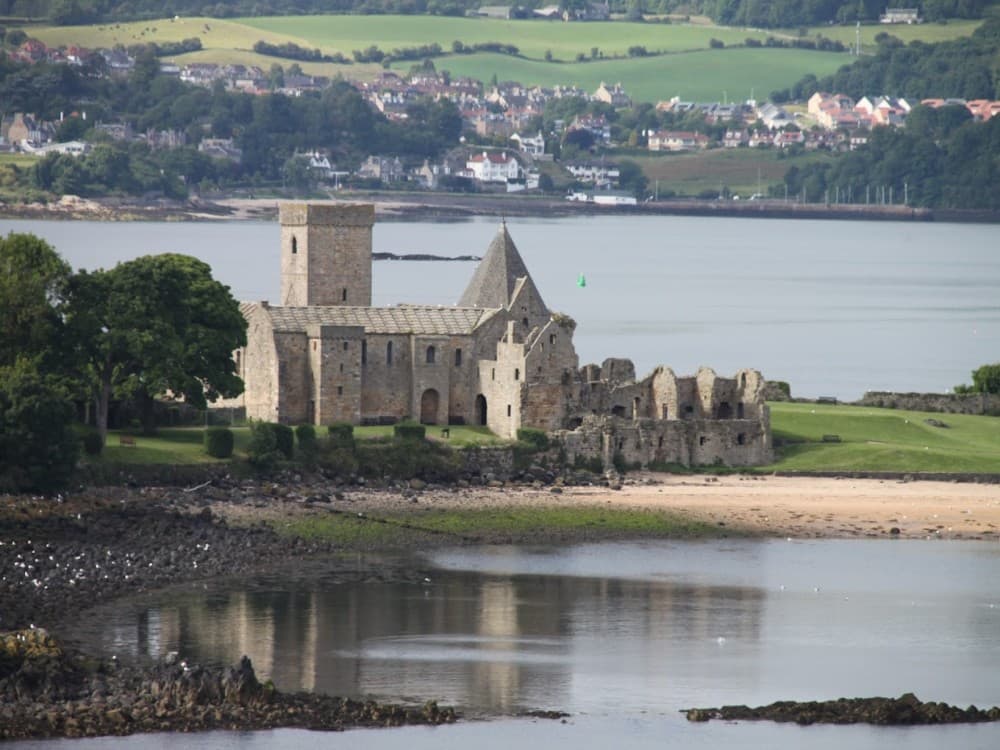
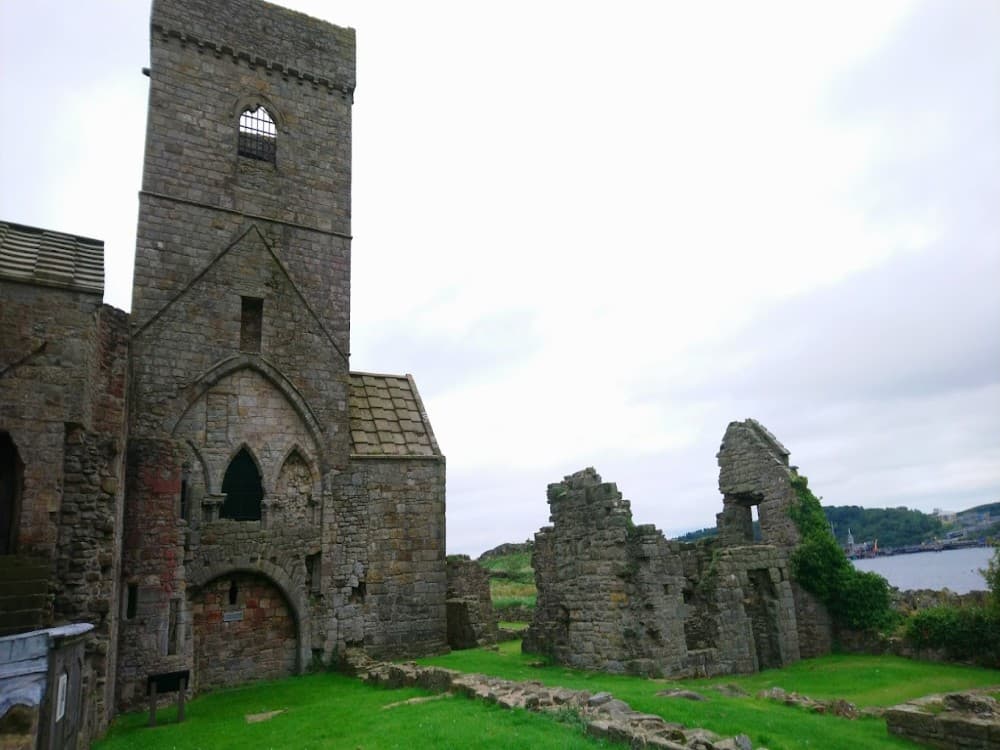
Inchcolm Abbey, often described as the Iona of the East, is a remarkably well-preserved medieval monastery situated on Inchcolm Island in the Firth of Forth. Founded in the 12th century by King David I, the abbey was once home to Augustinian canons and served as a tranquil sanctuary and a target during various Anglo-Scottish wars. The site features the best-preserved group of monastic buildings in Scotland, including a remarkably complete cloister, a rare 13th-century fresco, and a towering bell tower. Beyond its spiritual history, the island is a haven for wildlife—most notably seals and puffins—and contains intriguing wartime fortifications and tunnels used during the World Wars to defend the Forth Bridge and the naval base at Rosyth.
Es gibt noch keine Touren in Inchcolm Abbey.
The abbey and island are managed by Historic Environment Scotland and are open seasonally from April through October. During the peak summer months, it is typically open daily from 10:30 to 17:30, with slightly shorter hours in October. For 2026, admission to the abbey is approximately nine pounds and fifty pence for adults and five pounds and seventy pence for children. Please note that the landing fee for the island is often separate from the boat fare unless you hold a Historic Scotland membership. The island features a small visitor center with an exhibition and a gift shop, and basic toilet facilities are available. There is no café on the island, so visitors are encouraged to bring their own refreshments to enjoy at the picnic areas.
Visiting Inchcolm Island is an outdoor adventure that requires crossing the sea, so it is essential to dress in warm, waterproof layers as it can be quite windy even on sunny days. Sturdy walking shoes are recommended for exploring the rocky paths and wartime tunnels. Access to the island involves boarding and disembarking from a ferry, which may be challenging for those with significant mobility issues; however, the ground floor of the abbey is generally accessible. During nesting season, typically in late spring and early summer, the island's gulls can be very protective of their chicks, so following the marked paths is crucial for your safety and the welfare of the birds. There is currently no visitor access to the hermit's cell due to ongoing conservation work.
The only way to reach the island is by boat, with regular ferries departing from Hawes Pier in South Queensferry. Two main operators, Maid of the Forth and Forth Boat Tours, offer landing trips that allow for approximately ninety minutes of exploration on the island. To reach South Queensferry from central Edinburgh, you can take a fifteen-minute train from Waverley Station to Dalmeny Station, followed by a short ten-minute walk down to the pier. Alternatively, the Lothian Country bus service 43 runs frequently from the city center directly to the village. If you are driving, there is public parking available in South Queensferry, though it can be very busy during the summer months and on weekends.
The sailing season begins on April 1st and concludes at the end of October. For the best chance of spotting local wildlife, such as seals lounging on the rocks or puffins nesting on the cliffs, aim for a trip between May and July. Morning departures are highly recommended as the light is often clearer for photography and the island feels more peaceful before the afternoon visitors arrive. Since sailings are weather-dependent and can be canceled due to high winds or rough seas, it is wise to check the ferry operator's website on the morning of your trip. Booking your boat tickets and landing passes in advance is essential during the 2026 season to secure your spot, especially during the Edinburgh Festival in August.