Belfast: Peace Wall Belfast | ®ExcursionMania
Belfast

Peace Wall Belfast

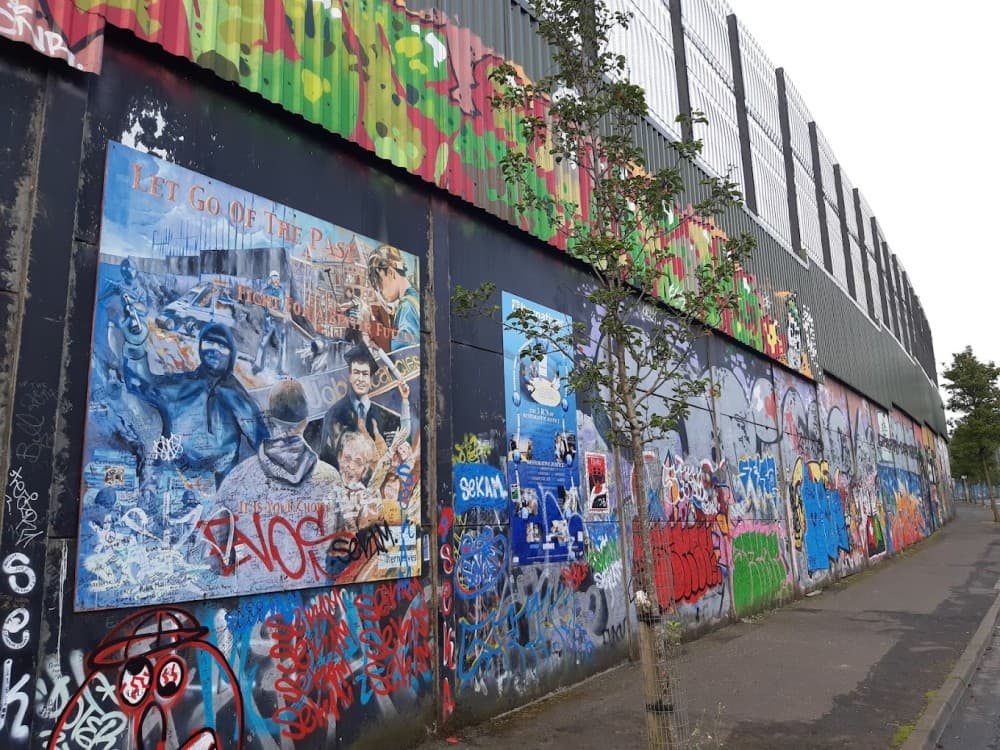
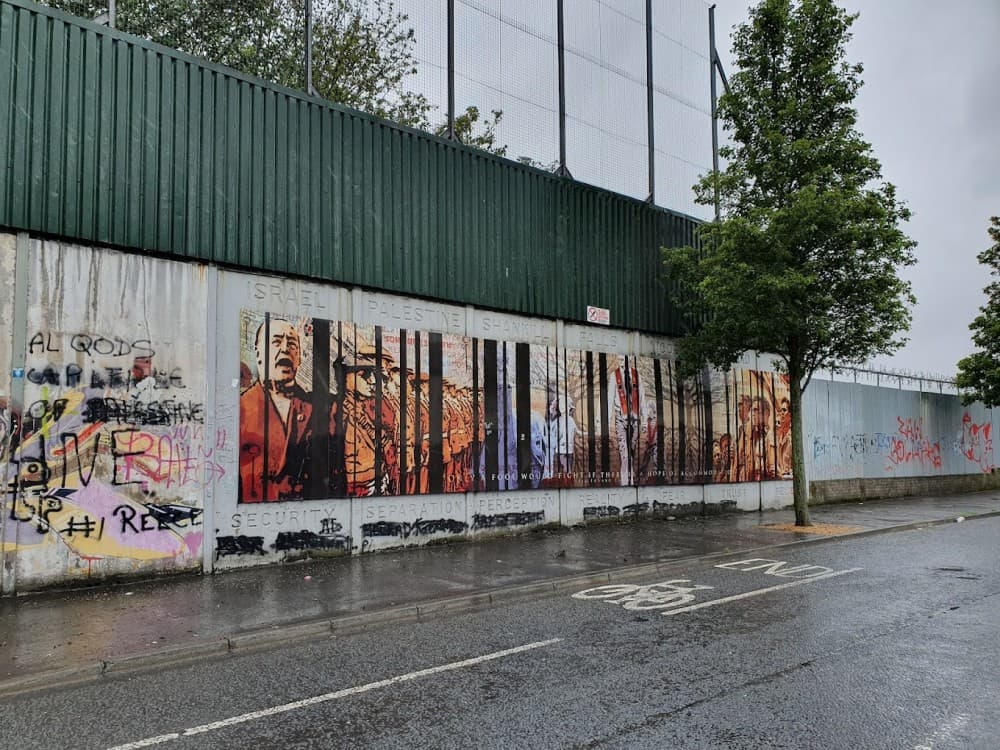
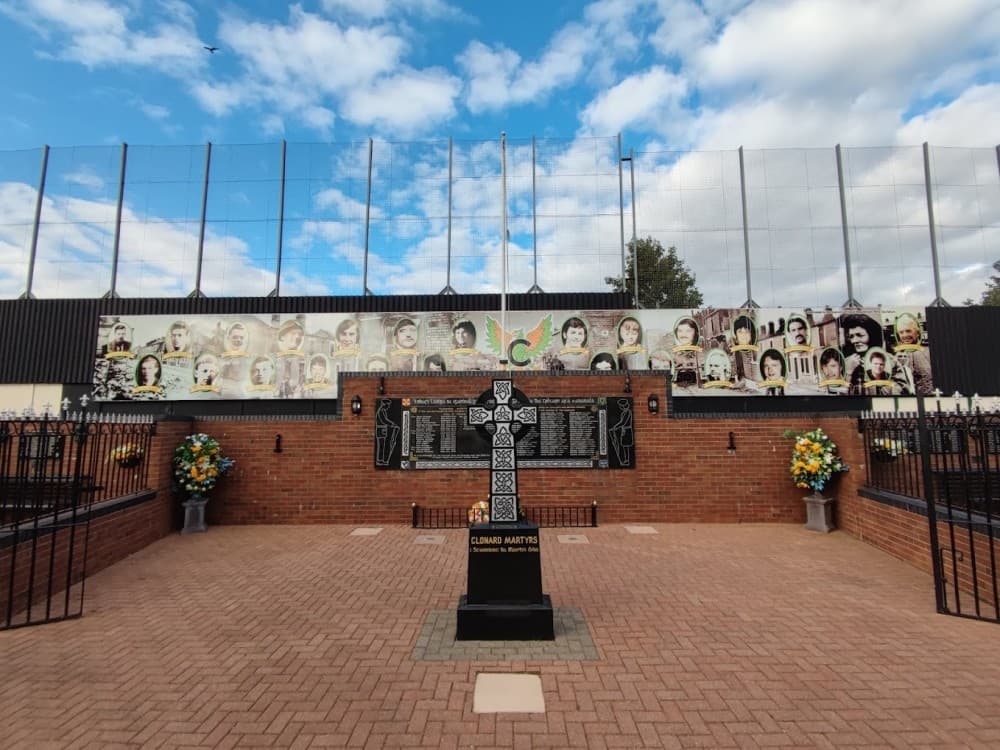
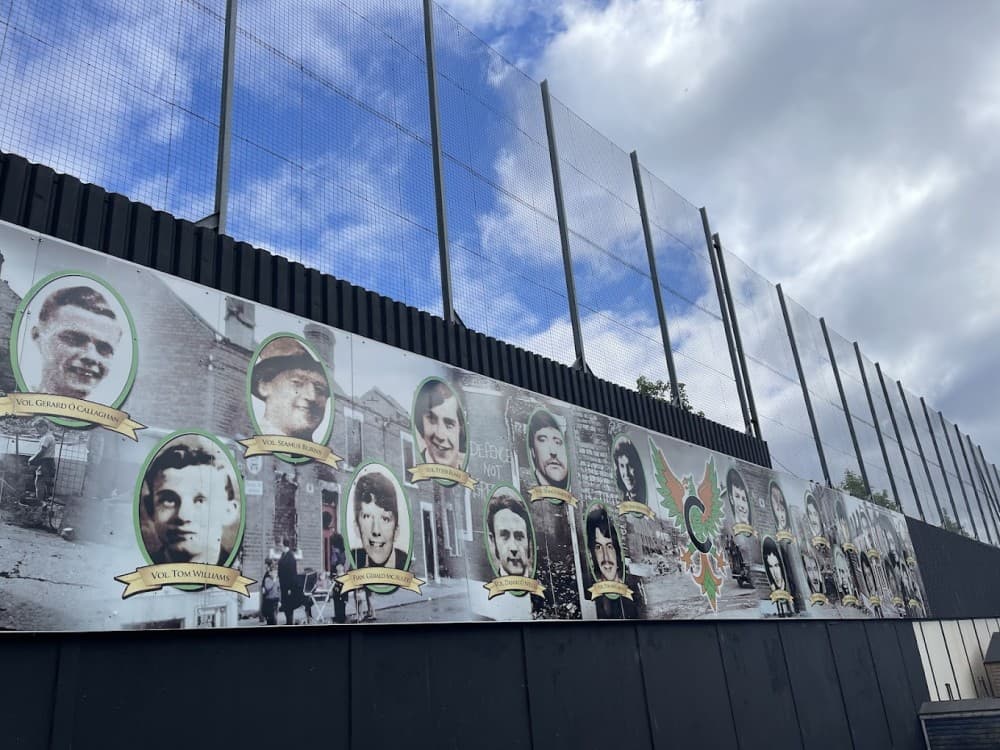
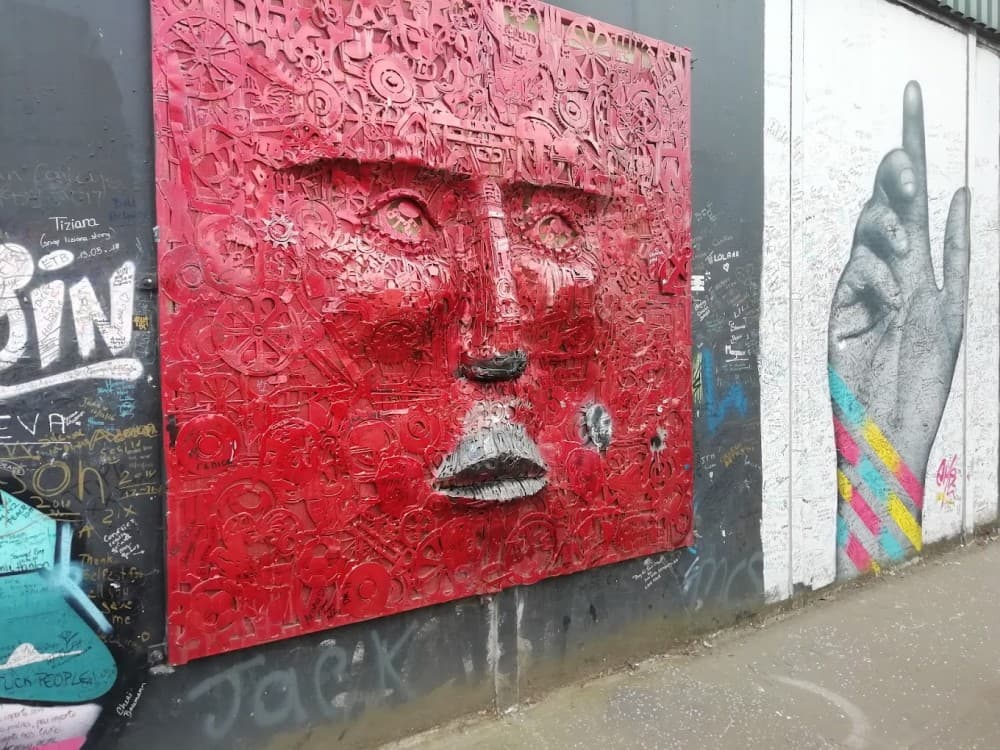
The Peace Walls of Belfast are some of the most striking and thought-provoking landmarks in the city. Originally built as temporary barriers in 1969 to separate the Nationalist and Unionist communities during the civil unrest known as the Troubles, many of these walls still stand today. The most famous section is found at Cupar Way, where the wall reaches up to 25 feet in height and stretches for nearly half a mile. Today, these structures have been transformed into a massive outdoor gallery covered in colorful murals, political art, and messages of hope from visitors around the world. Walking along the wall provides a raw and powerful insight into the city's complex past and its ongoing journey toward reconciliation, making it an essential stop for anyone wanting to understand the true heart of Belfast.
Peace Wall Belfast Touren und Tickets

Es gibt noch keine Touren in Peace Wall Belfast.

Alles über Peace Wall Belfast

Was Sie erwartet

Visiting the Peace Walls is a unique experience as there are no tickets or official gates to enter the public viewing areas. The site is completely free to visit and accessible to everyone. Most visitors head to the Cupar Way section in West Belfast, which is the most prominent and heavily decorated part of the wall. While the wall is always there, it is important to remember that it sits in the heart of residential neighborhoods where people live and work. There are no visitor centers or cafes directly on the wall, so it is best to plan for a self-guided walk or a guided tour. Many tourists choose to visit as part of a famous Black Taxi Tour, which provides a detailed narrative and personal context that you simply cannot get from a guidebook alone.

Warum diese Tour buchen

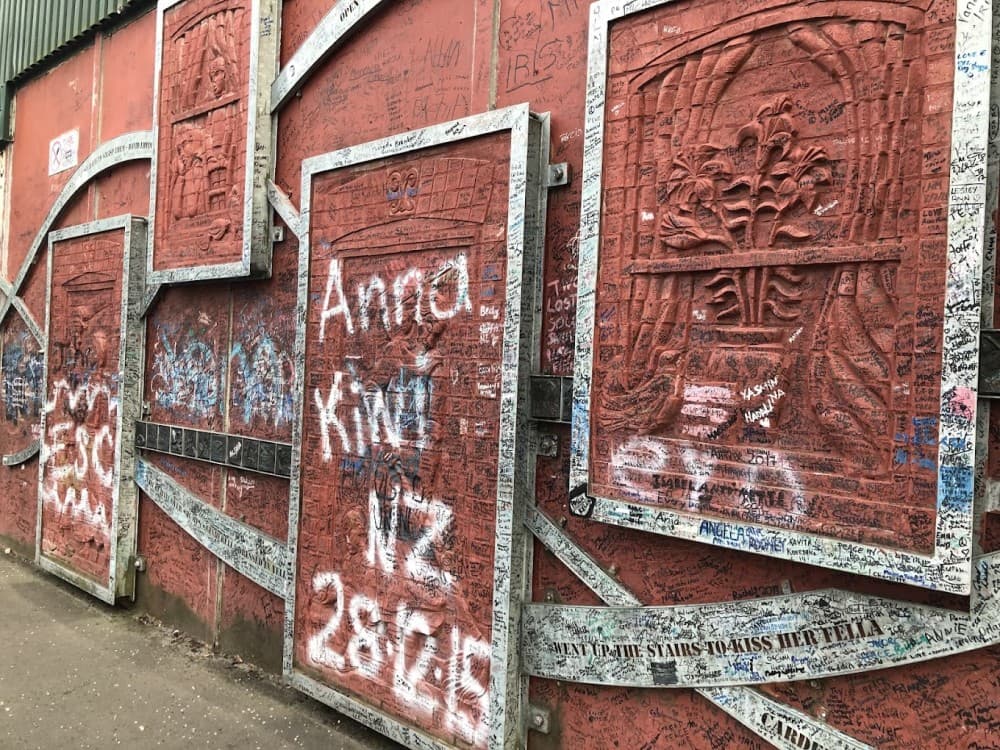
One of the most important things to know is that the Peace Walls are not just historical relics; they are still functional barriers with gates that close every evening. Most gates, including those at Lanark Way and Northumberland Street, are typically locked at night—often around 6:30 pm or 8:00 pm—and reopened in the morning. If you are walking, make sure you are on the side you need to be before they close to avoid a long detour. Bringing a permanent marker is a common tradition, as visitors are encouraged to add their own names or messages of peace to the designated areas of the wall. While the area is safe for tourists during the day, please remain respectful of the local residents by keeping noise levels down and not blocking private driveways with vehicles.

Die richtige Tour auswählen

The Peace Walls are located about two miles west of the city center. The most popular way to reach them is by booking a Black Taxi Tour, which usually includes a pick-up from your hotel or a central meeting point like Donegall Square. If you prefer public transport, you can take the Translink Metro Bus 10 or 11 from Chichester Street toward West Belfast; simply ask the driver for the Cupar Way stop. The journey takes about 15 minutes. For those who enjoy walking, it is a 25 to 30-minute stroll from the city center via Castle Street and Divis Street. If you are driving yourself, there is some street parking available on the Shankill Road or Falls Road sides, but be mindful of local parking restrictions and avoid leaving valuables in your car.

Wissenswertes vor der Abreise

To experience the walls at their most impactful, it is best to visit during full daylight. Arriving in the morning between 10:00 am and 12:00 pm is ideal for photography, as the light hits the murals beautifully and the area is generally quieter. Visiting on a weekday is often more relaxed than on a Saturday when the number of tour groups increases significantly. If you want to see the gates in action, try to arrive in the late afternoon, but ensure you finish your tour before the evening closures begin. The walls are accessible year-round, but because the experience is entirely outdoors, a dry day is definitely preferred. Even in light rain, however, the vibrant colors of the graffiti and the somber scale of the concrete barriers remain incredibly moving.