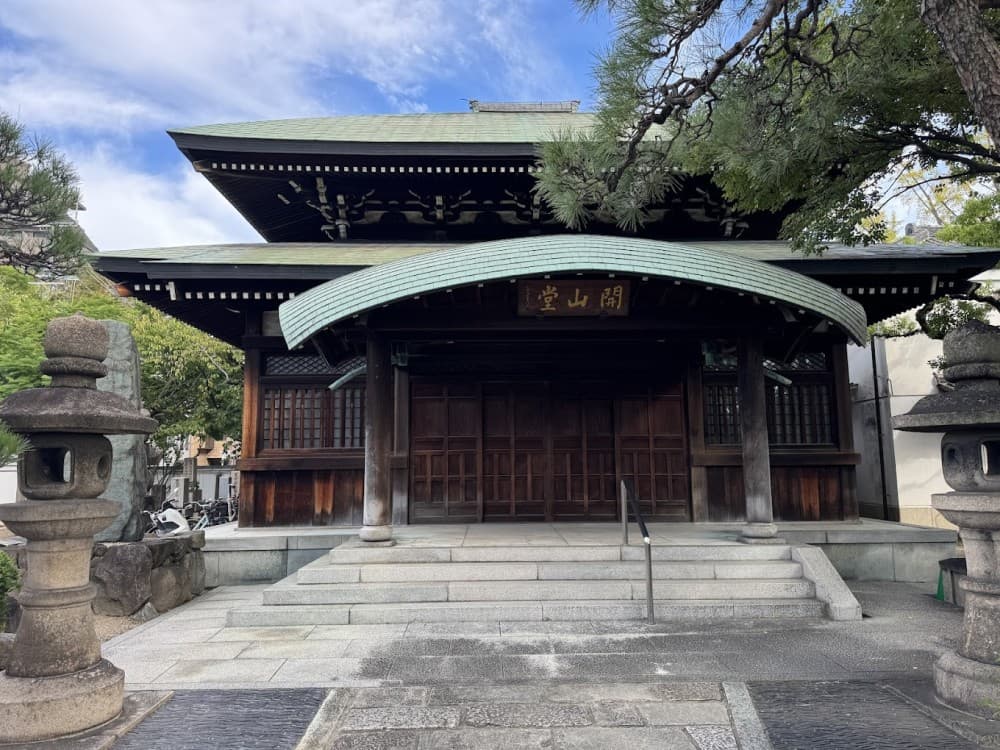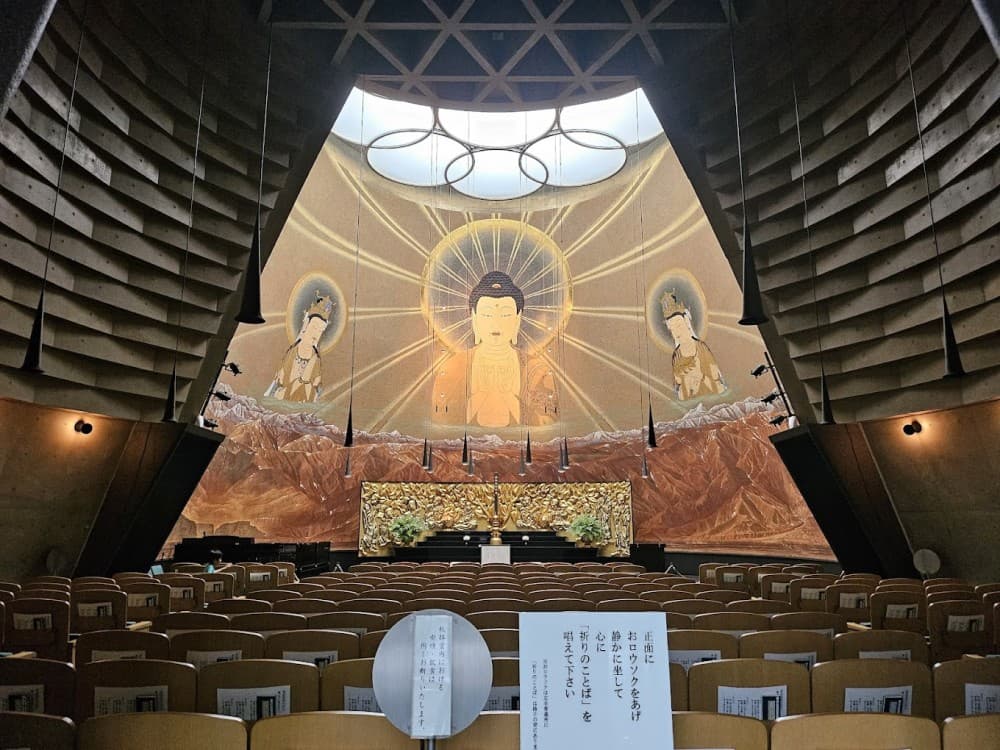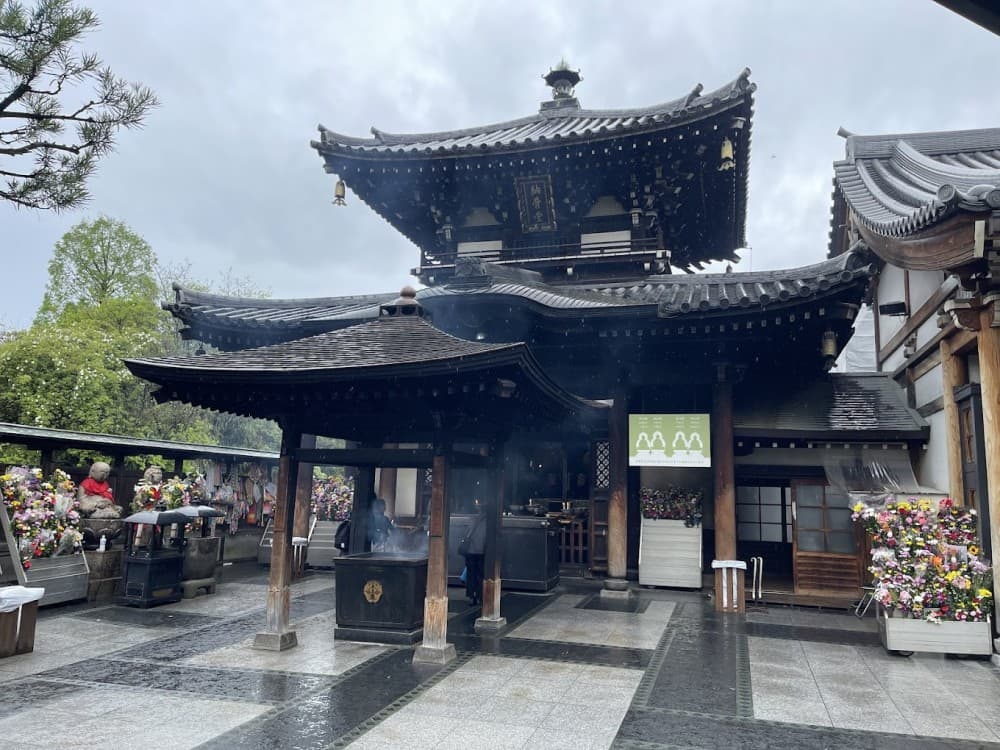
Isshin-ji Temple is a unique and deeply spiritual Buddhist temple located in the Tennoji area of Osaka. It is best known for its rare Buddha statues made from the ashes of devotees, a tradition that makes Isshin-ji unlike any other temple in Japan. Despite being close to busy urban streets, the temple grounds feel calm and reflective, offering visitors a quiet place for contemplation. For travelers on holiday in Osaka, Isshin-ji provides an authentic cultural experience that goes beyond sightseeing, revealing a more personal side of Japanese religious practice and local life.
Es gibt noch keine Touren in Isshin-ji Temple.
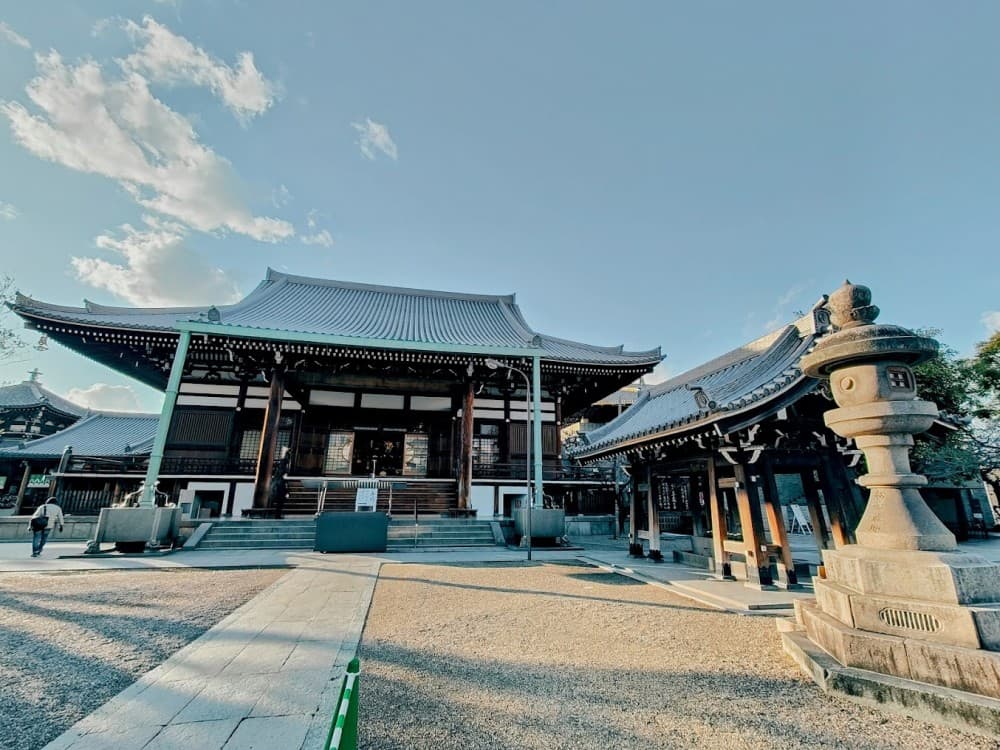
Isshin-ji Temple is an active Buddhist temple that welcomes visitors daily. Entry to the grounds is free, while certain halls or special areas may require a small donation. The temple complex includes a main hall, memorial spaces, and courtyards used for prayer and ceremonies. The architecture is simple but meaningful, reflecting the temple’s spiritual focus rather than decorative grandeur. Clear paths and signs make it easy to explore respectfully.
Isshin-ji is a place of worship, so visitors should behave quietly and dress respectfully. Photography is generally allowed outdoors but should be avoided inside halls unless clearly permitted. The temple is especially busy during memorial periods and Buddhist holidays, when locals come to honor family members. The atmosphere may feel more solemn than other temples, which is part of its character. Allow some quiet time to walk slowly and observe rather than rushing through.
Isshin-ji Temple is easy to reach from central Osaka. Travel to Tennoji Station, a major transport hub served by several train and subway lines. From the station, the temple is within comfortable walking distance, passing through familiar Tennoji streets and nearby cultural sites. Signage in the area makes navigation straightforward, even for first-time visitors.
The best time to visit Isshin-ji is morning or early afternoon, when the grounds are calm and less crowded. Spring and autumn offer the most comfortable weather for walking. Summer can be hot, but shaded areas help make visits manageable. Winter is quieter and peaceful, ideal for those seeking a reflective experience. The temple is open year-round.