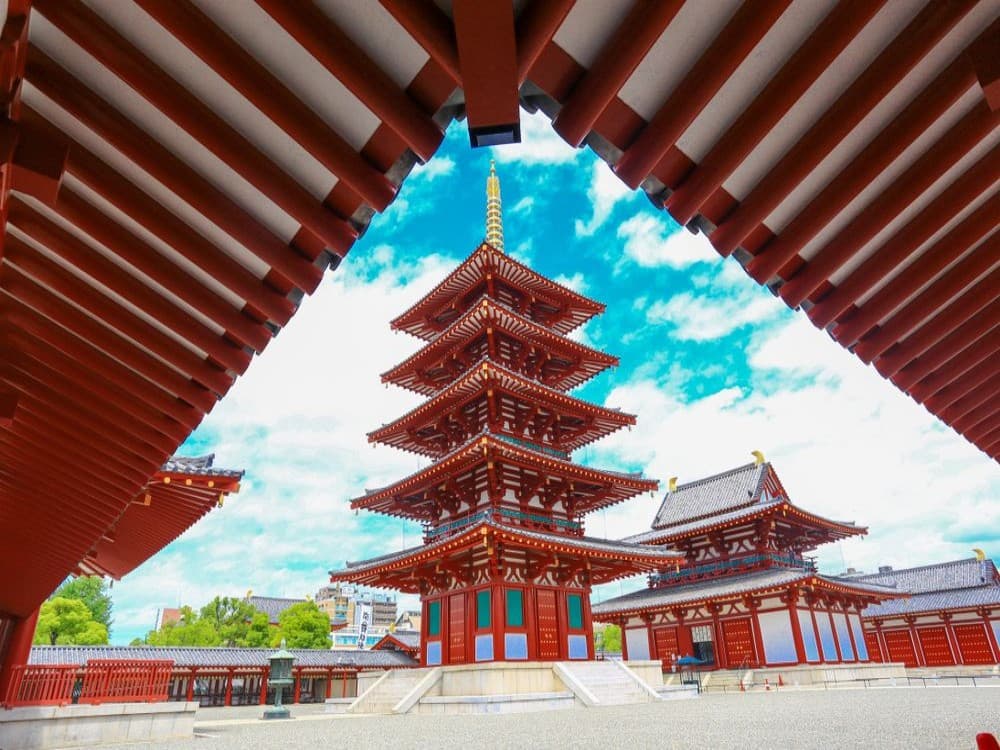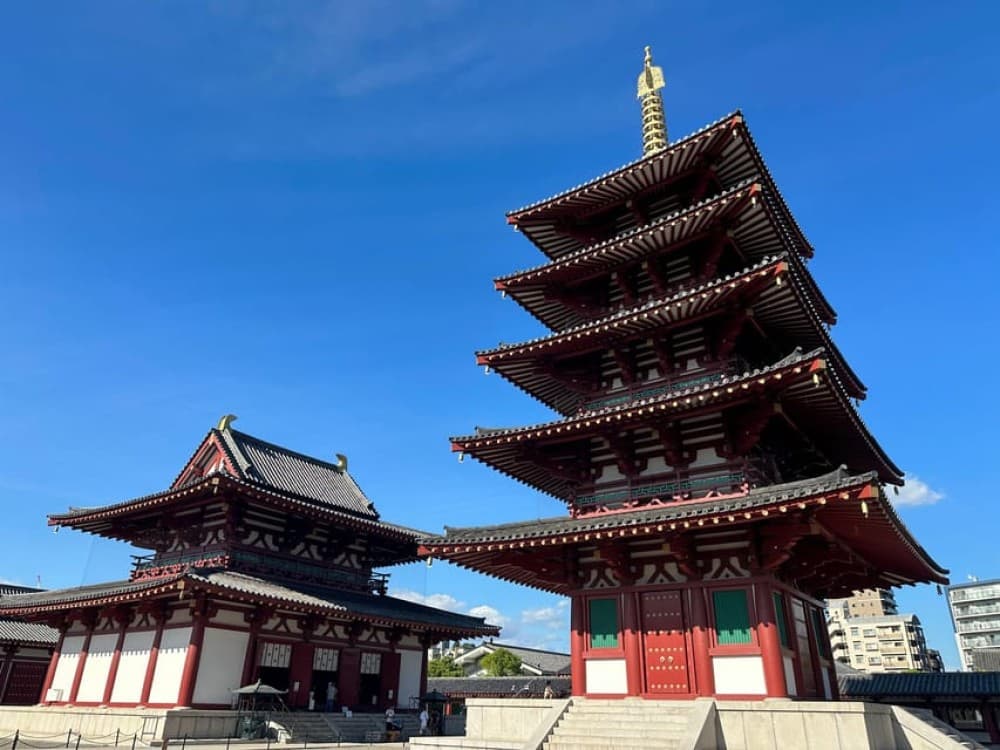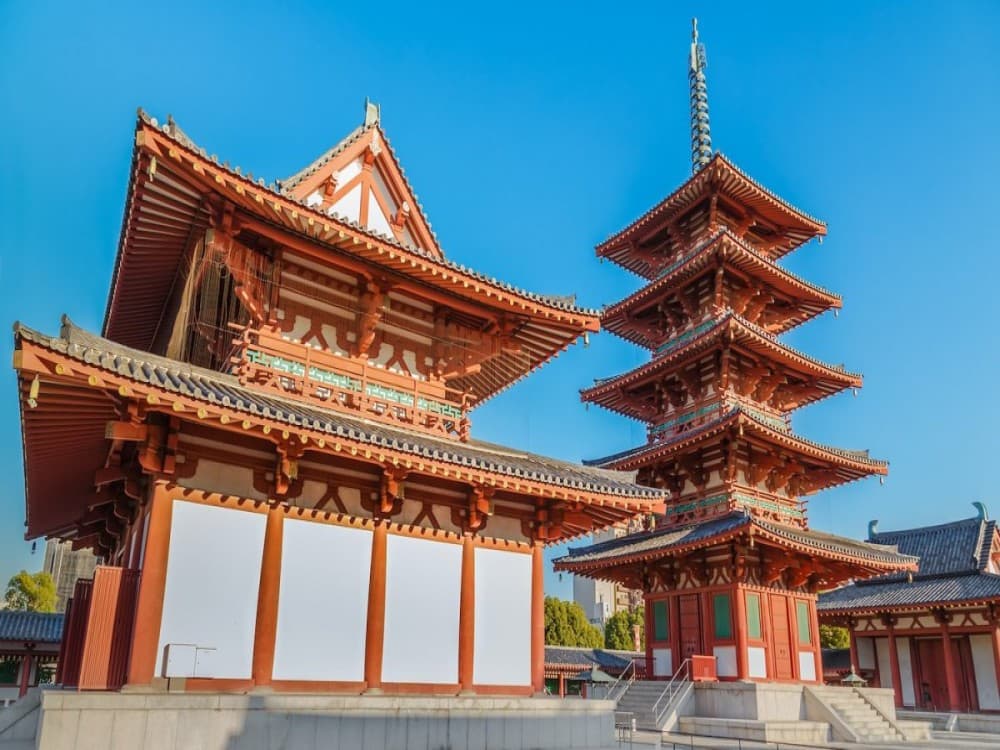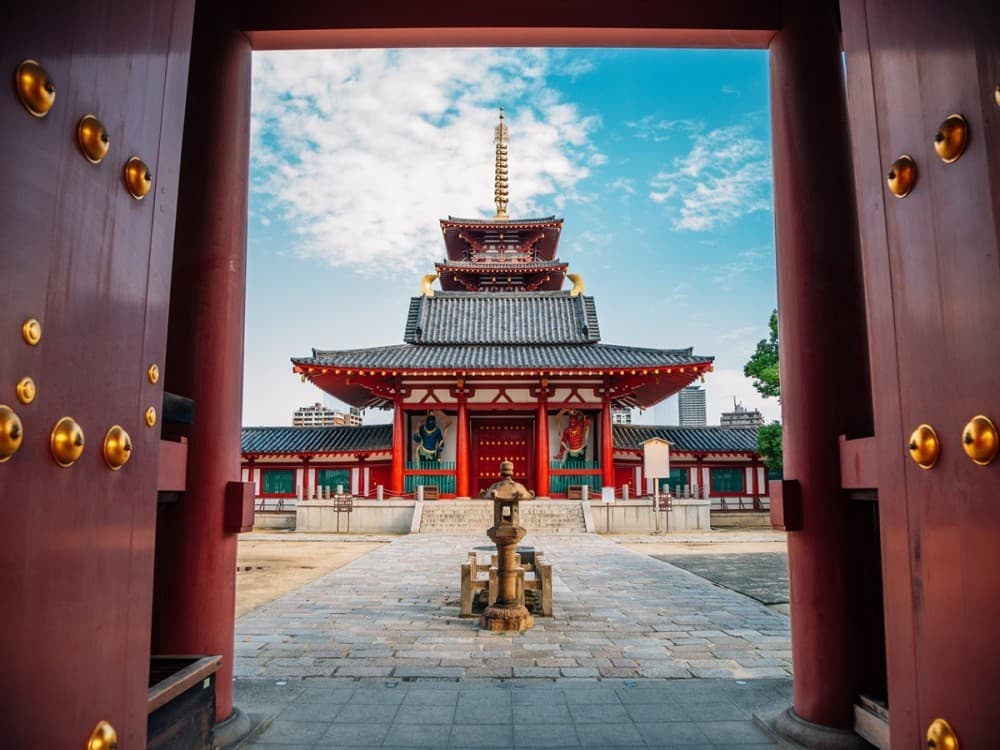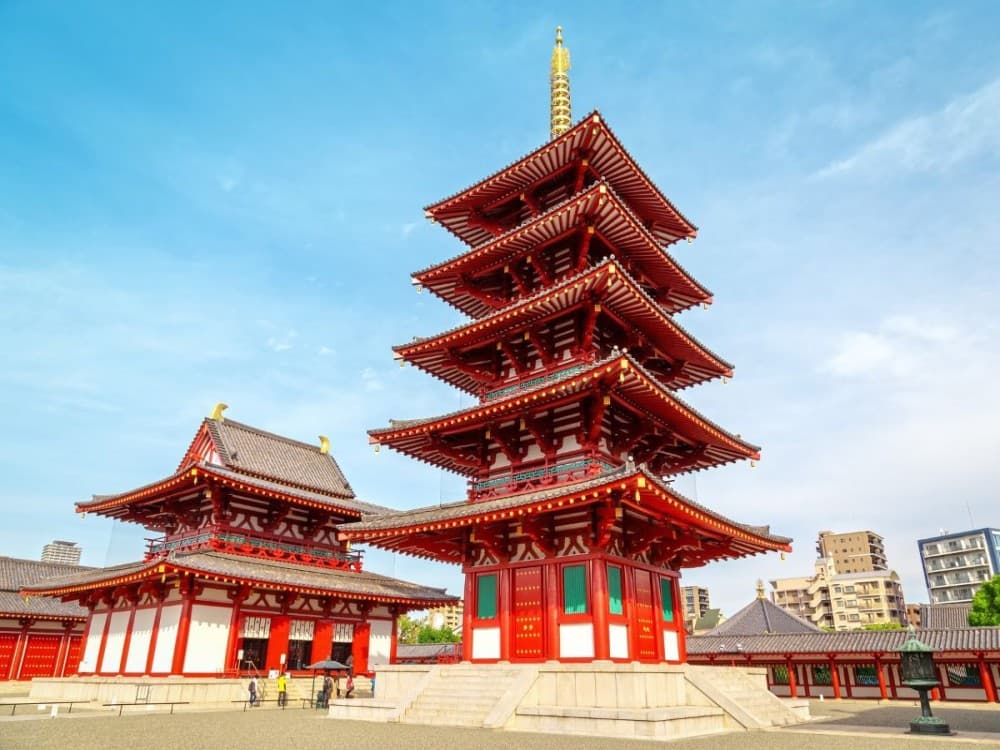
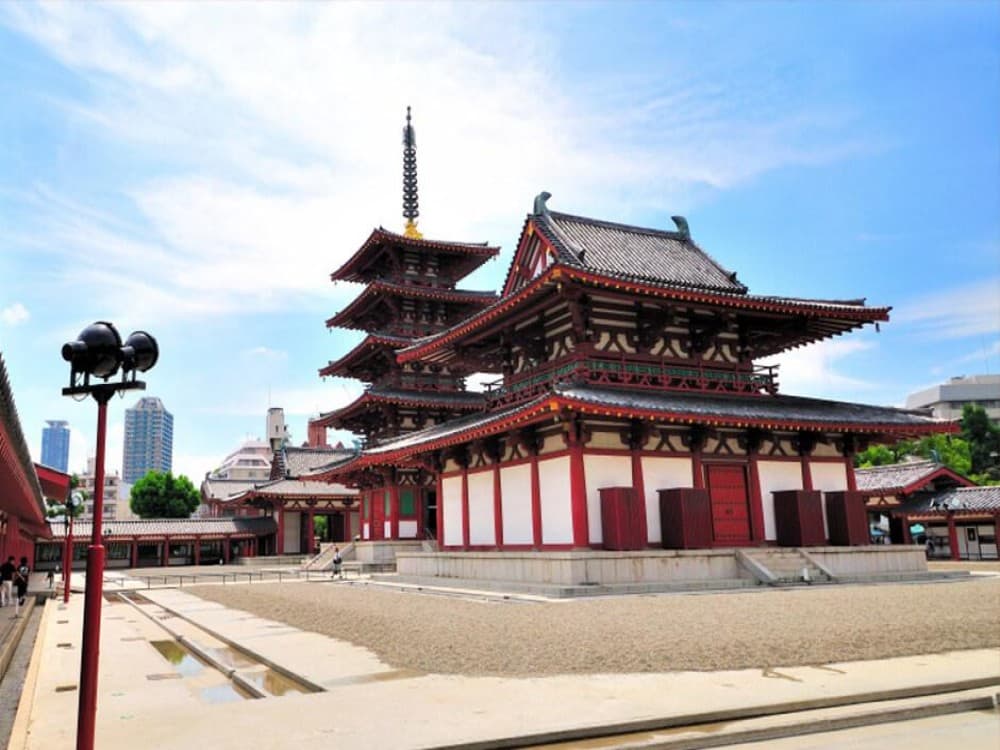
Shitennoji is one of Japan’s oldest Buddhist temples and a deeply important cultural landmark in Osaka. Founded in the 6th century, the temple offers visitors a peaceful atmosphere that contrasts strongly with the surrounding city. The spacious grounds include a central courtyard, a five-story pagoda, a main hall, and a serene garden area. Walking through Shitennoji gives travelers a sense of early Japanese Buddhist architecture and spiritual tradition. For visitors on holiday in Osaka, Shitennoji is an ideal place to slow down, reflect, and experience the historical roots of the city in a calm and authentic setting.
Es gibt noch keine Touren in Shitennoji.
Shitennoji is located in the Tennoji area of Osaka and is open daily. Entry to the outer temple grounds is free, while a small fee is required to access the inner courtyard and garden. A typical visit lasts around one to one and a half hours. The temple complex is flat and easy to walk, making it suitable for all ages. Information boards are available, and the site is well maintained throughout the year.
Visitors should dress modestly and behave respectfully, as Shitennoji is an active place of worship. Photography is allowed in many areas but may be restricted inside certain halls. The temple can feel very quiet compared to other attractions, so it is best suited for travelers interested in history, culture, and spirituality. On special Buddhist observance days, ceremonies may take place, which can be interesting to watch but may limit access to some areas.
Reaching Shitennoji from central Osaka is straightforward using public transportation. The temple is within walking distance from several nearby stations in the Tennoji area. From major districts like Namba or Umeda, travel time is usually under 30 minutes. Clear street signs and a short walk through residential streets lead directly to the main entrance.
The best time to visit Shitennoji is in the morning when the grounds are quieter and more peaceful. Weekdays are generally less crowded than weekends. Spring and autumn are especially pleasant due to mild weather and seasonal scenery in the temple garden. Summer visits can be hot, so earlier hours are recommended. The temple is open year-round, making it suitable for any season.