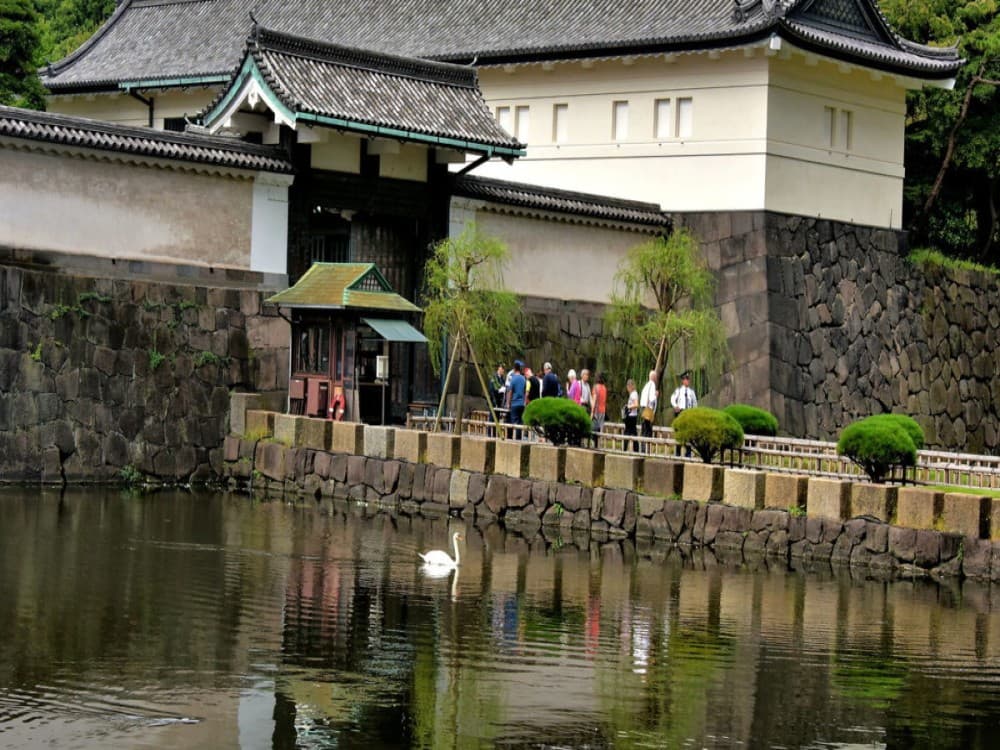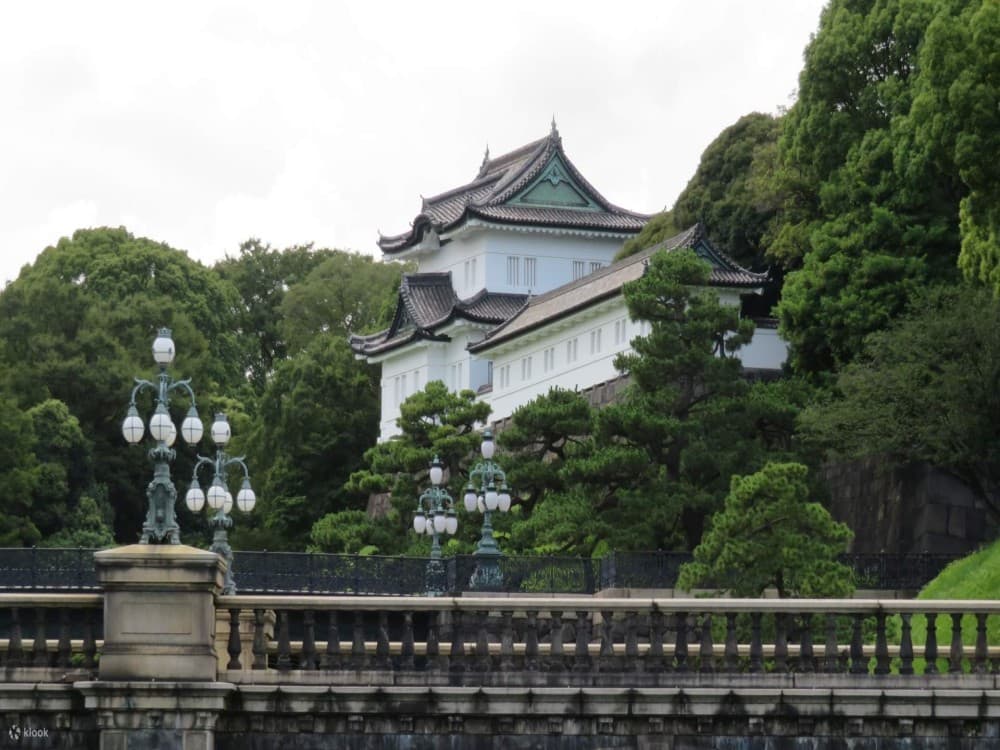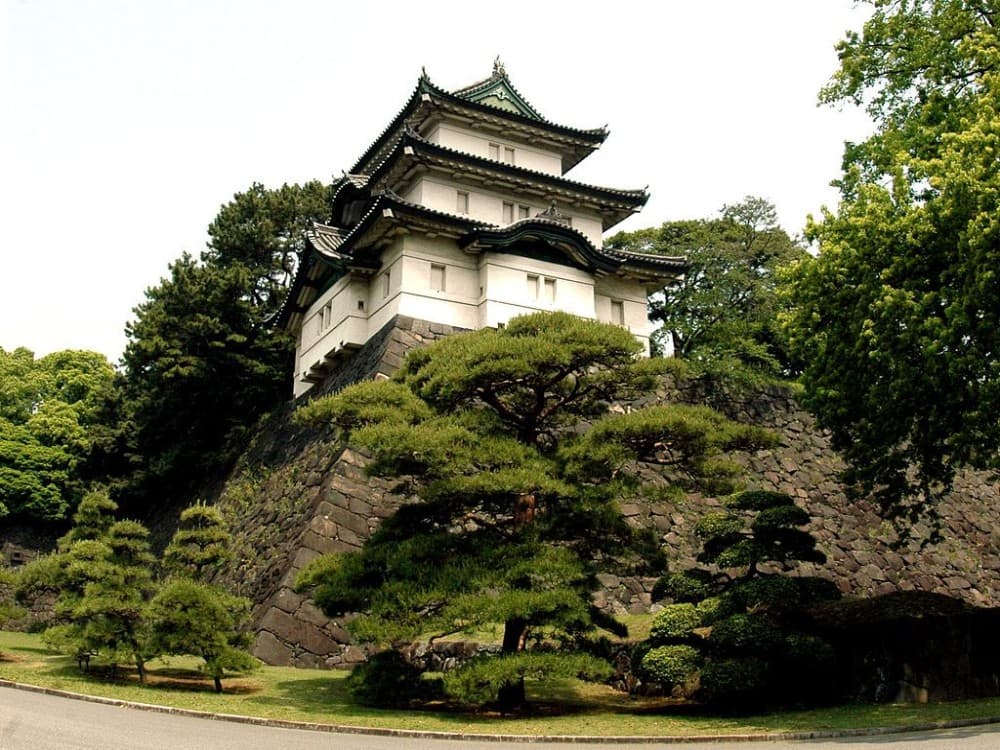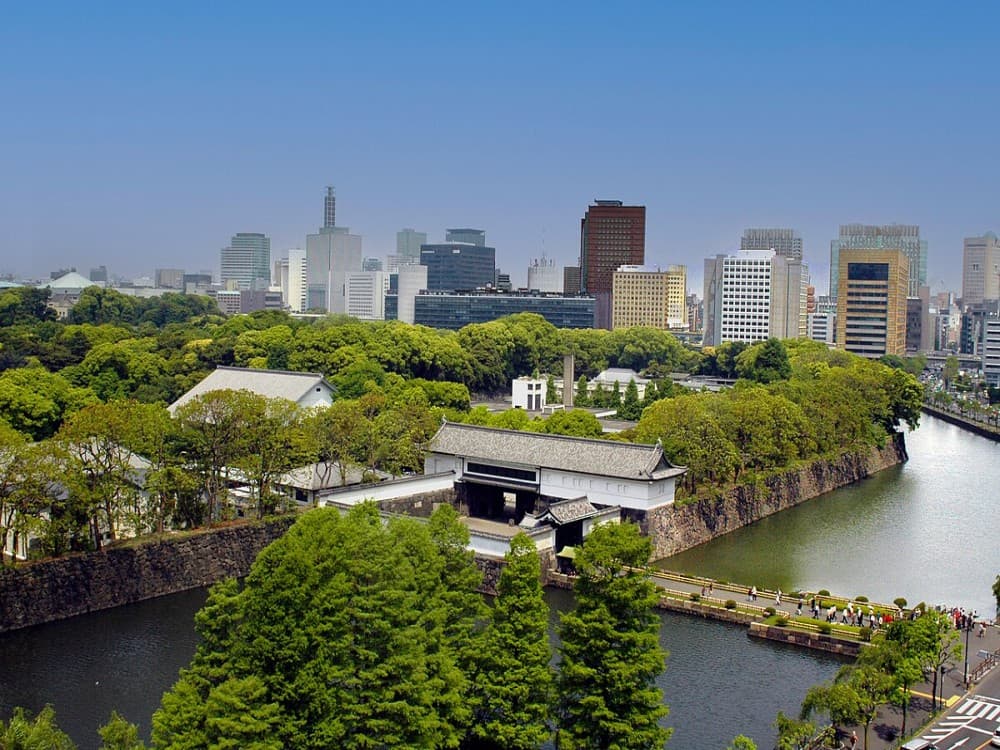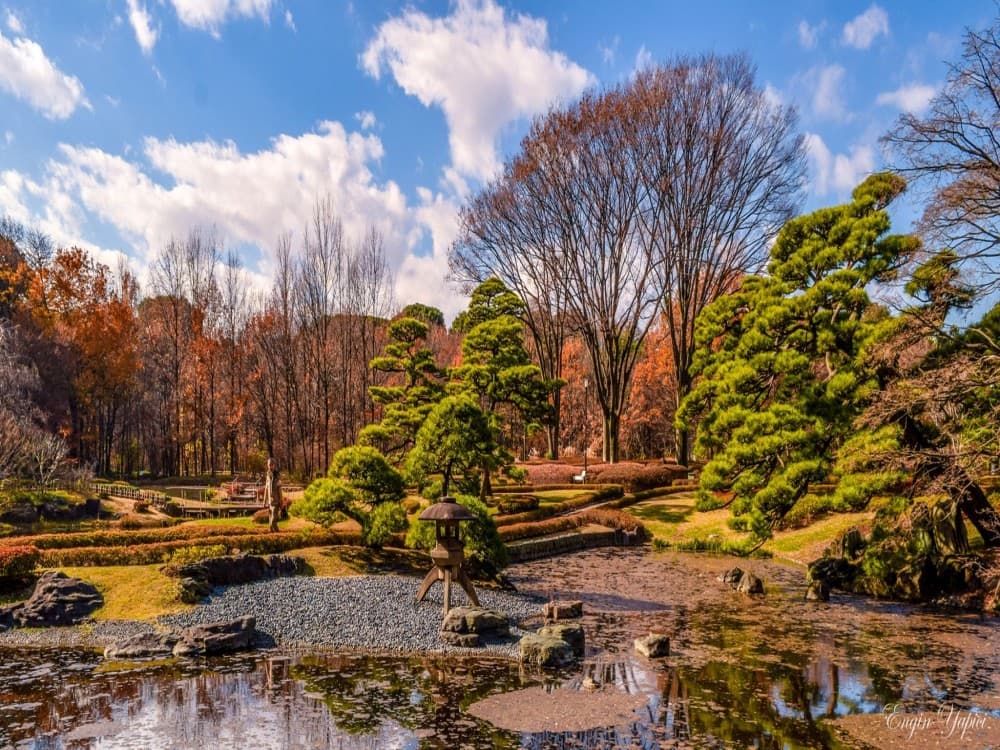
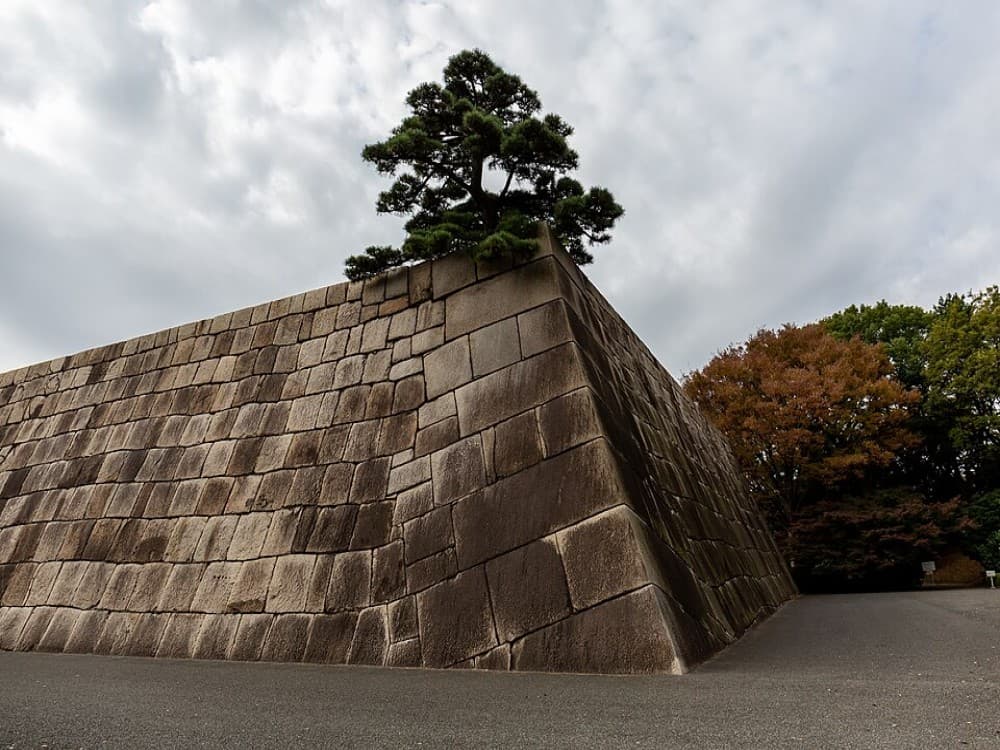
The East Gardens of the Imperial Palace offer a rare opportunity to explore historic Edo Castle ruins in the very center of Tokyo. Once the political heart of Japan during the Edo period, this area now combines history, nature, and calm walking paths. Visitors can see massive stone walls, old gate foundations, watchtowers, and beautifully landscaped gardens surrounded by modern skyscrapers. Unlike the inner Imperial Palace grounds, the East Gardens are open to the public and provide a peaceful escape from the busy city. Seasonal flowers, wide lawns, and traditional Japanese landscaping make this one of Tokyo’s most relaxing and historically rich sightseeing spots.
Es gibt noch keine Touren in The East Gardens of the Imperial Palace - Edo Castle Ruin.
The East Gardens are open to the public and free to enter, making them one of Tokyo’s best-value attractions. The site includes remains of Edo Castle, the Ninomaru Garden, open lawns, and historical markers explaining the area’s past. The gardens are well-maintained and easy to explore on foot. Information boards are available in English, helping visitors understand the historical importance of each area. This site is suitable for all ages and is ideal for travelers interested in Japanese history and architecture.
The gardens are closed on Mondays and Fridays, so it’s important to plan your visit accordingly. Visitors must pass a simple security check at the entrance. Comfortable walking shoes are recommended, as the grounds are large and include gravel paths and stone steps. Food is not allowed inside, but water is permitted. Photography is allowed, but drones are prohibited. During spring and autumn, the gardens can be busy due to cherry blossoms and autumn foliage, so arriving early is advised.
The East Gardens are easily accessible from central Tokyo. The closest stations include Tokyo Station, Otemachi Station, and Nijubashimae Station, all within walking distance. From Tokyo Station, it takes about 15 minutes on foot to reach the main entrance. Multiple subway lines serve the surrounding area, making access simple from districts like Shinjuku, Shibuya, and Ginza. Taxis are also convenient due to the central location.
The best time to visit is mid-morning, when the gardens are fully open and less crowded. Weekdays are quieter than weekends. Spring is especially popular for cherry blossoms, while autumn offers colorful leaves and cooler temperatures. Summer visits are still possible, but it’s best to go early in the day to avoid heat. The gardens close in the late afternoon, so afternoon arrivals should be planned carefully.