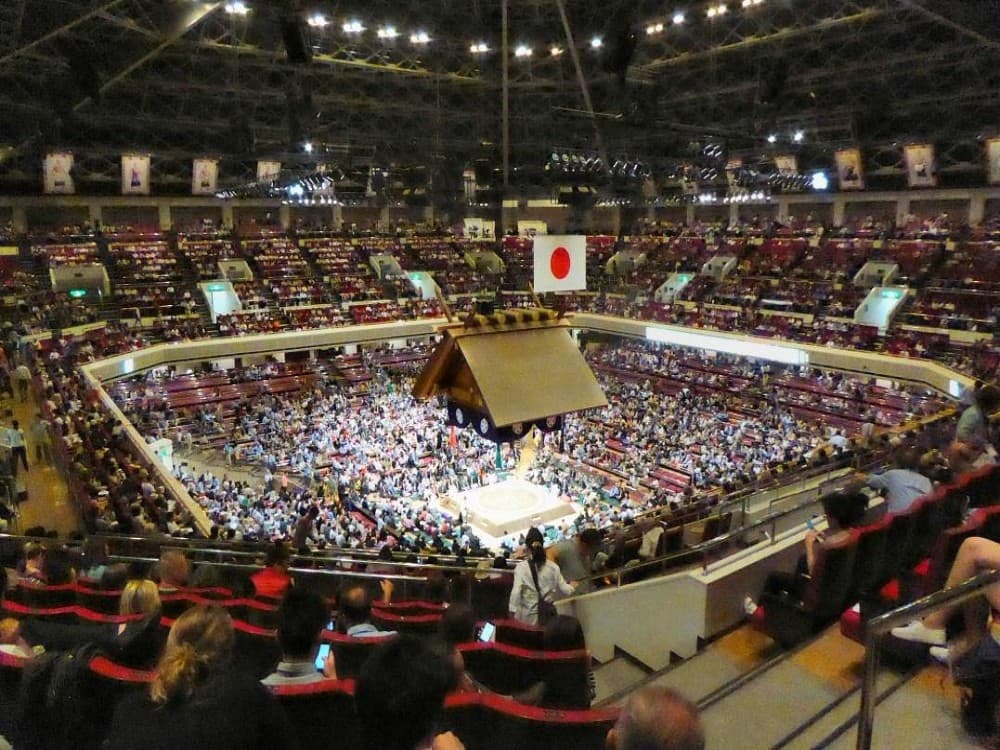
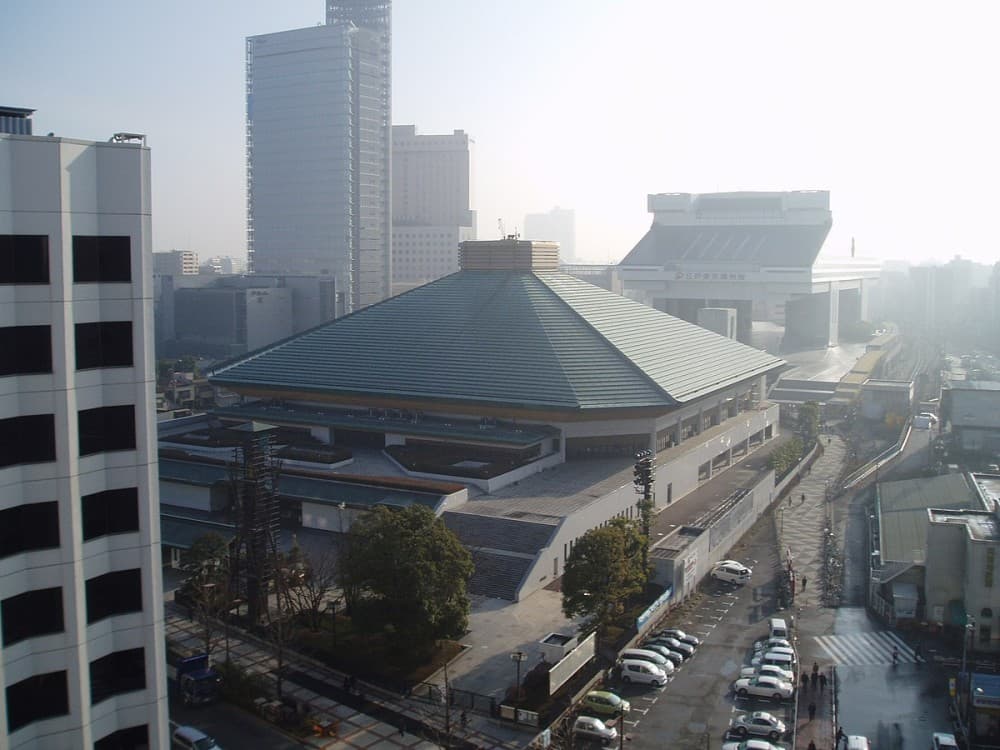
Ryogoku Kokugikan is Japan’s most famous sumo arena and the spiritual home of professional sumo wrestling. Located in the Ryogoku district of Tokyo, it offers visitors a deep insight into one of Japan’s oldest and most respected traditions. For travelers on holiday in Tokyo, a visit to Ryogoku Kokugikan is a chance to experience authentic Japanese culture beyond modern attractions. Even outside tournament days, the building and surrounding area reflect sumo heritage, with statues, themed shops, and a strong traditional atmosphere that connects the past with the present.
Es gibt noch keine Touren in Ryogoku Kokugikan.
Ryogoku Kokugikan is located in eastern Tokyo and hosts major sumo tournaments several times a year, as well as special events and exhibitions. During tournaments, thousands of spectators attend daily matches. Outside event days, visitors can still explore the area and view the arena from outside. A visit during a tournament can last several hours, while a casual stop in the area may take less than an hour. The venue is suitable for all ages and is well organized for international visitors.
Sumo tournaments follow strict traditions, so respectful behavior is expected inside the arena. Photography rules may vary depending on the event. Tickets for tournaments often sell out in advance, especially on weekends. Seating styles differ, including traditional floor seating, which may be uncomfortable for some visitors. Food and souvenirs related to sumo are available inside during events. Outside tournament periods, the interior may not be accessible.
Ryogoku Kokugikan is easy to reach from central Tokyo by train. The nearest station is Ryogoku Station, which is only a short walk from the arena. From areas such as Shinjuku, Shibuya, or Tokyo Station, travel time is usually between 20 and 30 minutes. Clear signs guide visitors from the station to the venue, making navigation simple.
The best time to visit Ryogoku Kokugikan is during official sumo tournament seasons, which take place several times a year. During these periods, daytime visits allow you to watch matches and experience the full atmosphere. Outside tournament days, the area is quieter but still interesting for cultural exploration. Visiting earlier in the day is recommended to avoid crowds on event days.