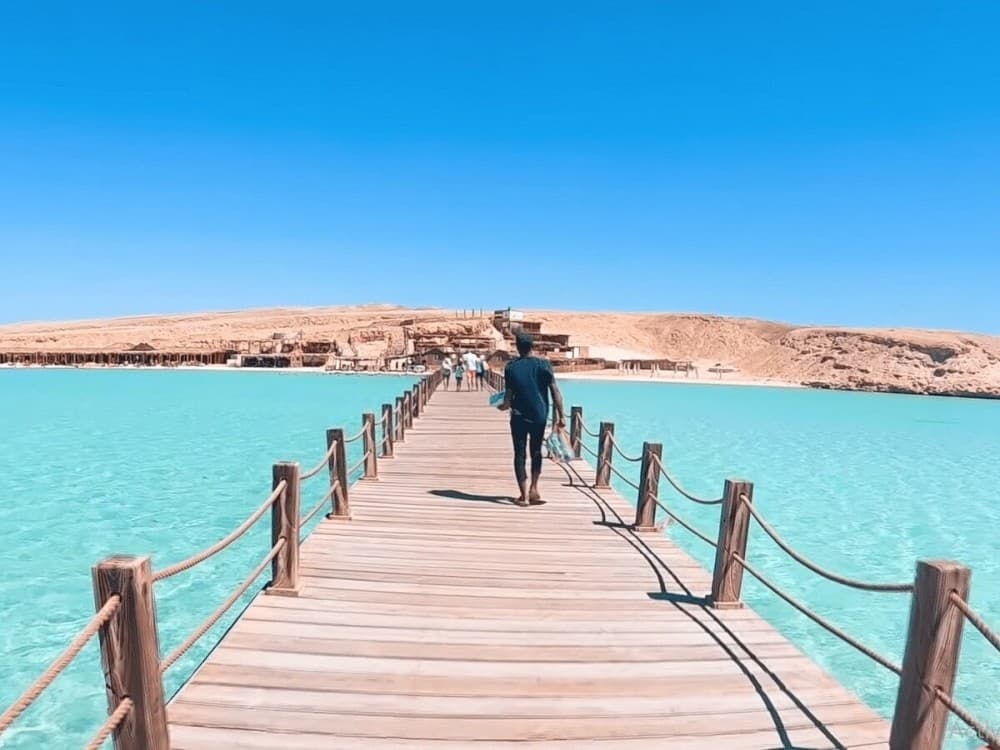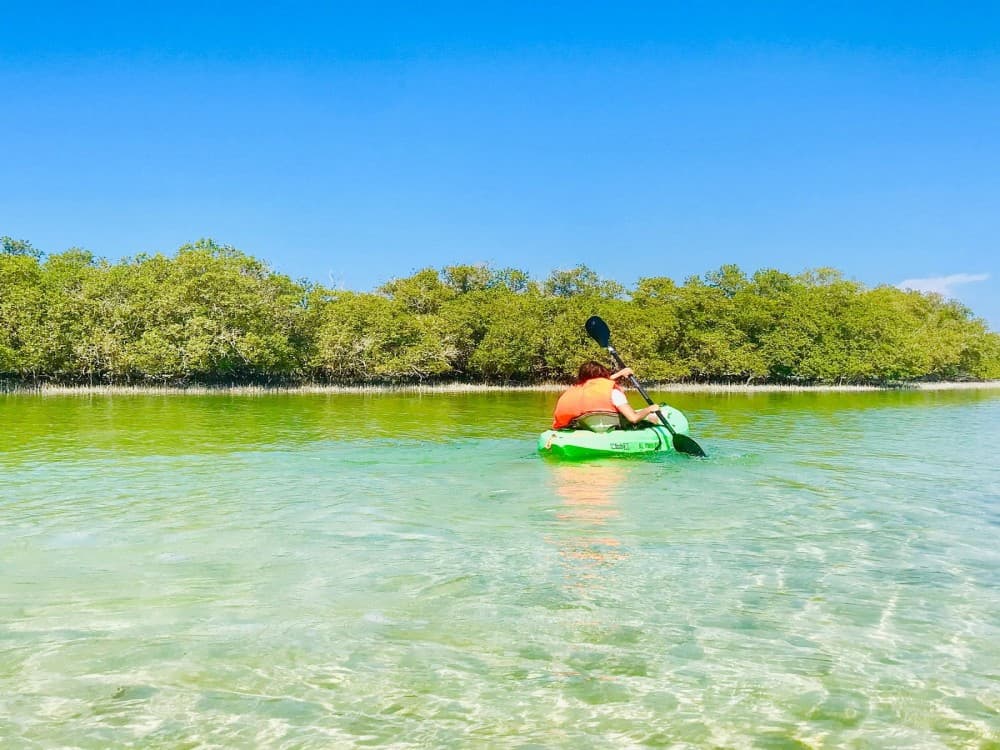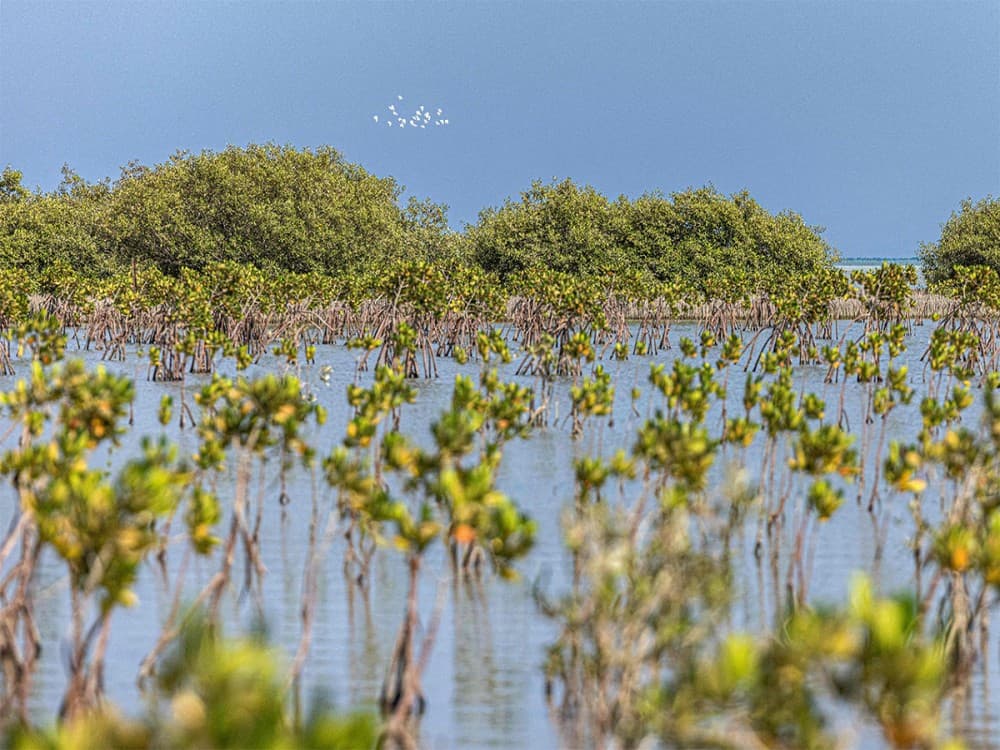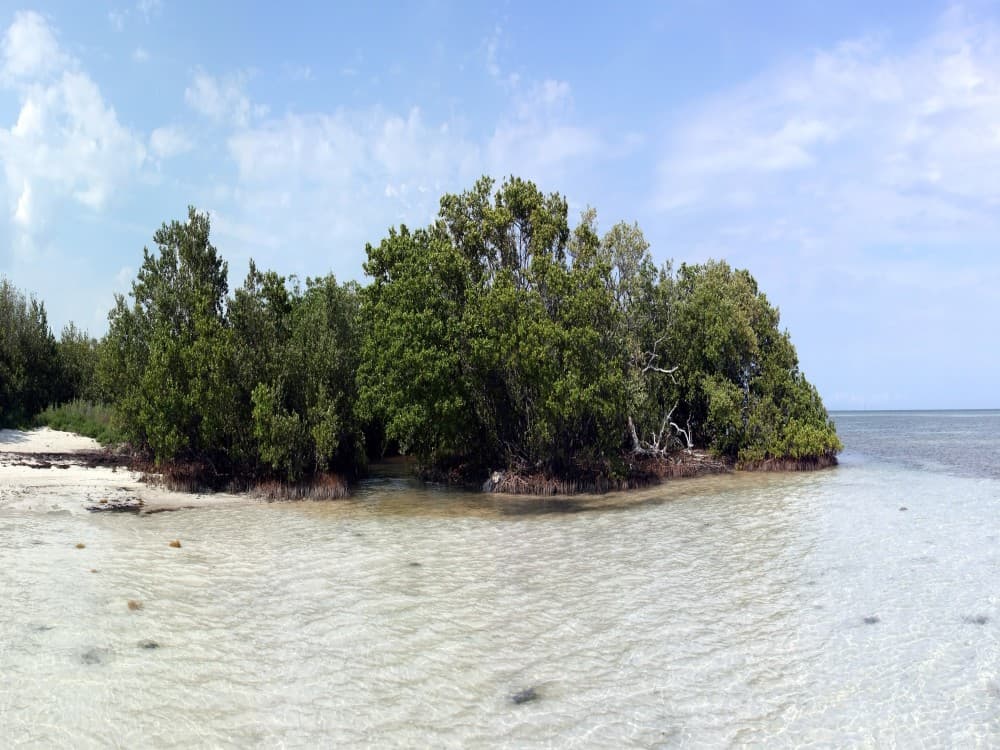
El Qulaan Mangrove Forest is one of the most peaceful and photogenic natural spots along the Red Sea coast. Located in the protected Wadi El Gemal National Park, it features a shallow turquoise bay dotted with ancient mangrove trees that grow directly from the water. The area feels untouched and incredibly calm, with soft sand, warm lagoons, and rich marine life. Many visitors enjoy walking through the shallow water, spotting small fish, crabs, and birds while taking in the unique desert-meets-sea scenery.
Es gibt noch keine Touren in El Qulan Mangrove Forest.
The mangrove forest sits inside a national park known for wildlife, coral reefs, and desert landscapes. El Qulaan is a small Bedouin settlement, and the mangroves here are among the oldest on the Red Sea. The bay is shallow and protected, making it safe for swimming and easy to explore on foot. Facilities are simple, with small shaded huts and tea offered by local Bedouins, giving the visit an authentic and relaxing atmosphere.
Bring water shoes to comfortably walk through the shallow lagoon. Sun protection is essential as shade is limited. Since the area is protected, visitors must respect local guidelines: no littering, no damaging mangrove roots, and limited noise to protect wildlife. The water is usually calm, making it great for families. Carry cash if you want to enjoy Bedouin tea or support local crafts.
From Marsa Alam, El Qulaan is about an hour to an hour and a half by car, depending on where your hotel is located. Most visitors join organized excursions through hotels or local tour operators, which include transport, entry fees to Wadi El Gemal National Park, and time to explore the mangroves. Private transfers or 4x4 trips are also available for those who prefer a quieter, customized outing.
The best time to visit is from October to May when temperatures are pleasant. Early morning or late afternoon offers cooler weather and the best light for photos. Summer visits are possible but can be very hot, so bring extra water and sun protection. Low tide often makes the mangrove roots more visible, adding to the experience.