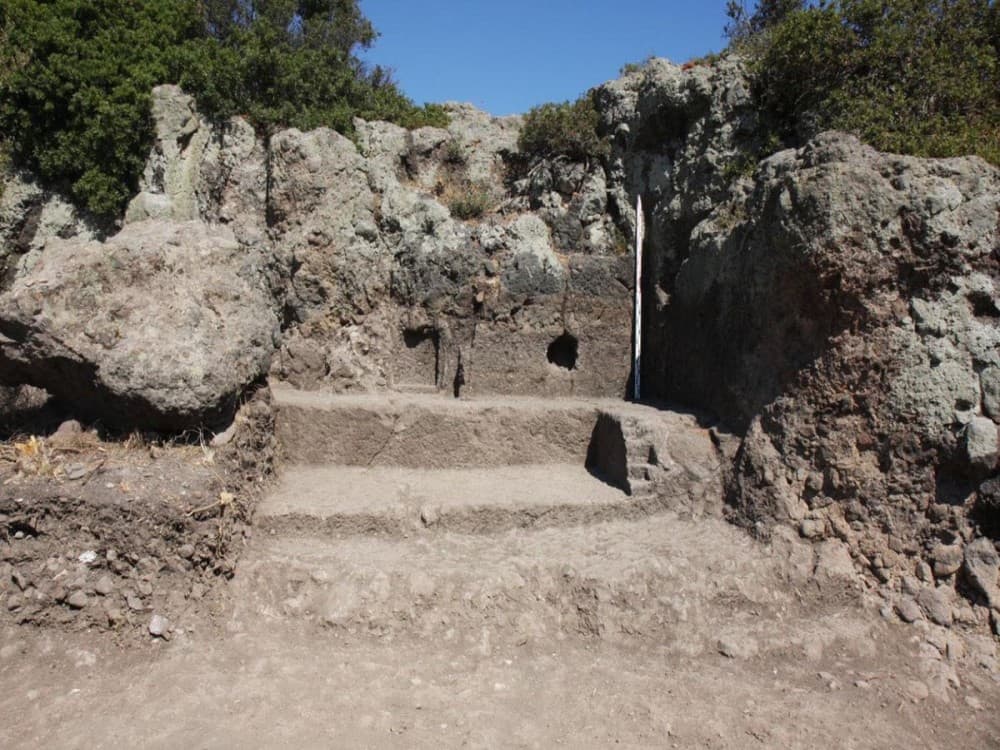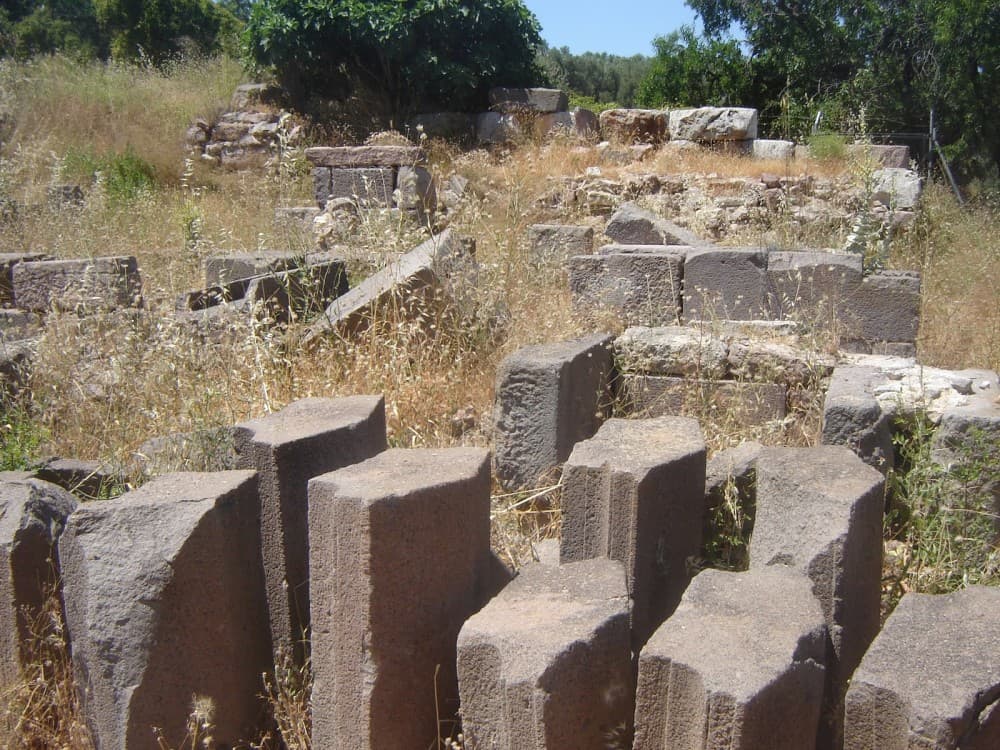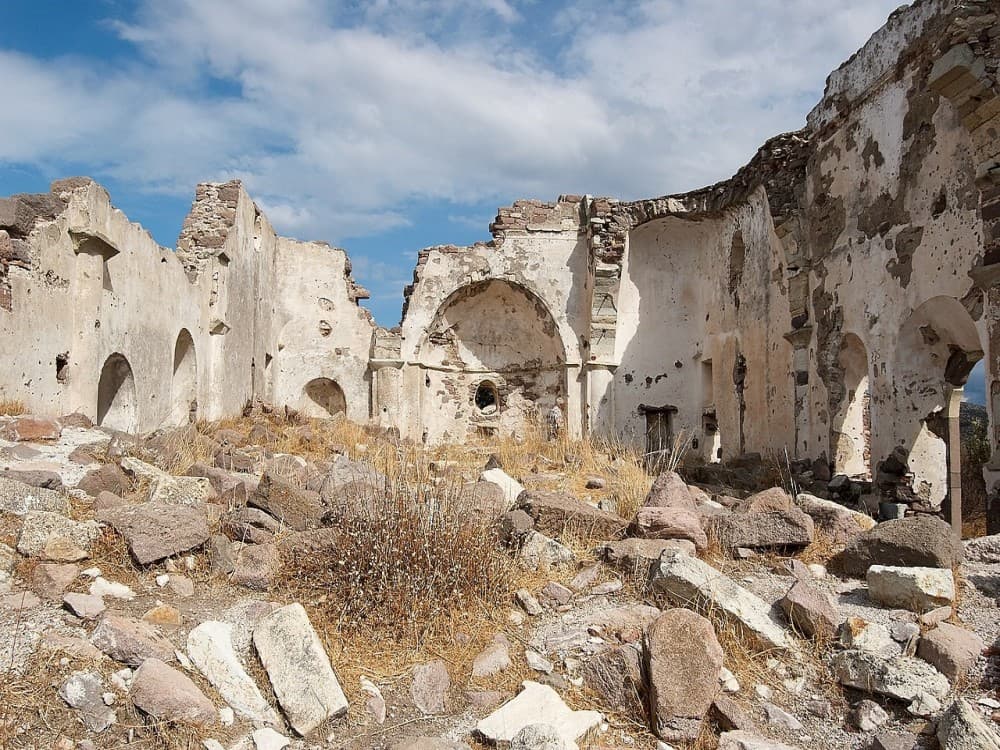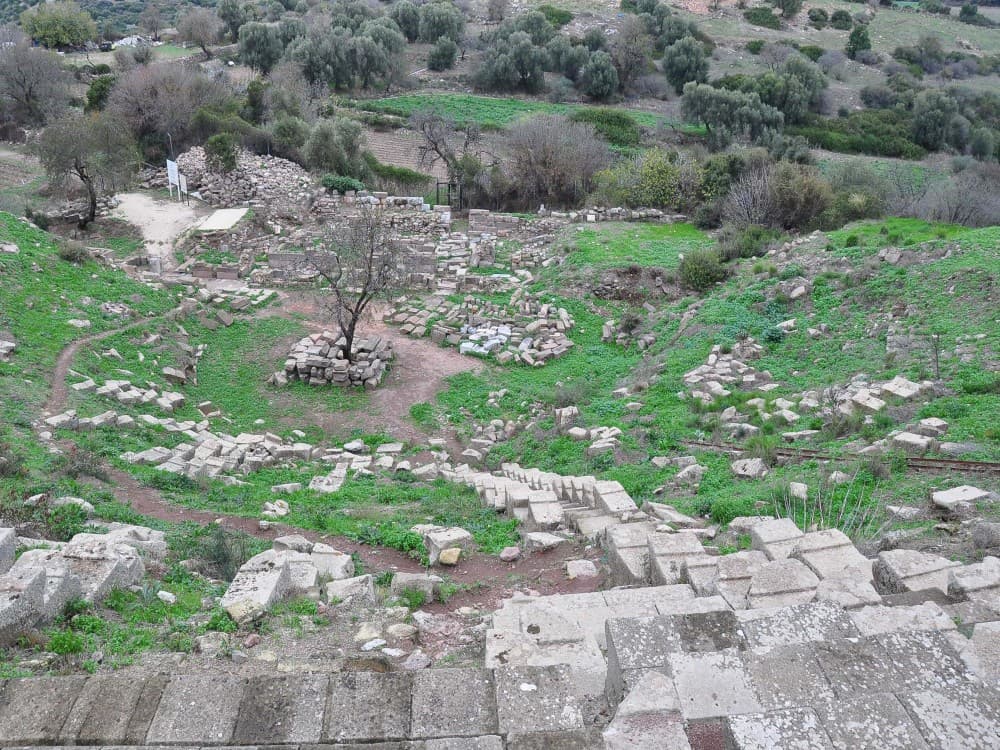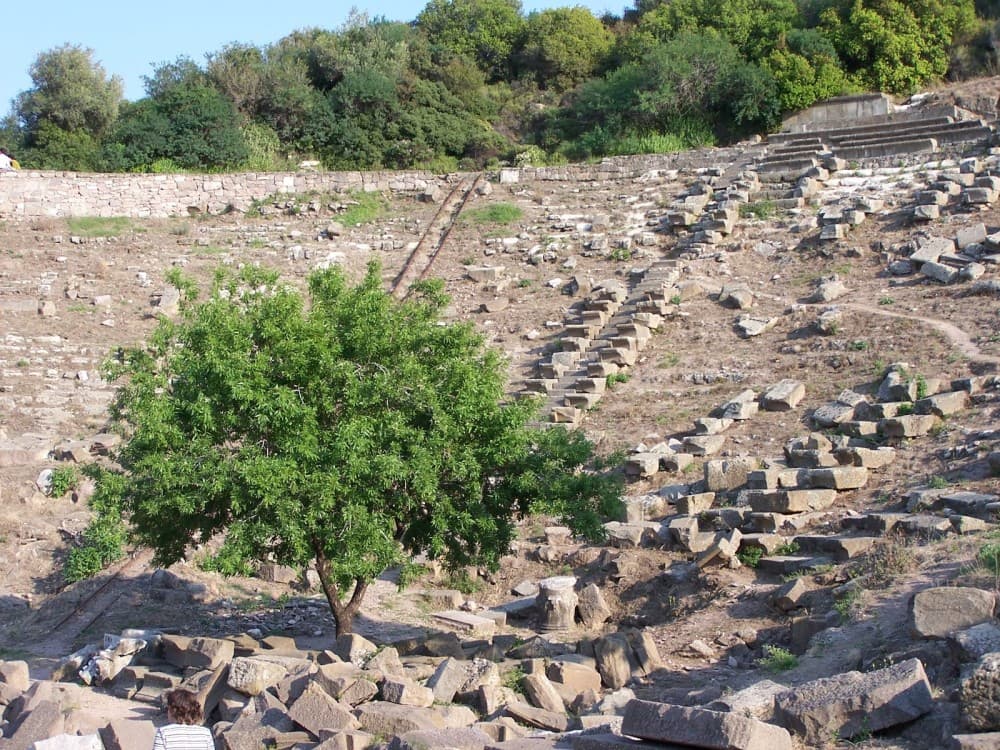
The archaeological site of Erythrai (ancient Erythrae) sits above the Aegean village of Ildırı, about 20 km from Çeşme. Once a prominent Ionian city, it offers ruins of a hilltop acropolis, an ancient theatre, city walls, and a temple dedicated to Athena. Perched on cliffs overlooking the sea, the site combines panoramic coastal views with the quiet beauty of stone ruins, giving visitors a peaceful glimpse into the region’s rich ancient past.
Es gibt noch keine Touren in Erythrai Archaeological Site.
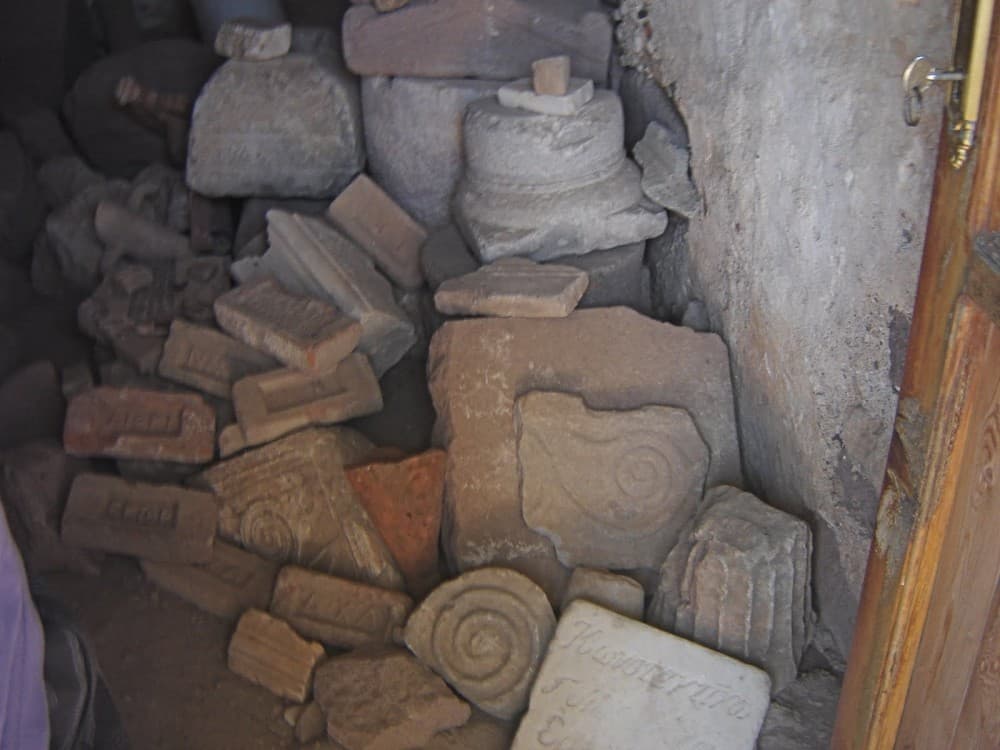
Erythrai dates back to the Early Bronze Age and later thrived under Ionian, Persian, Hellenistic, and Roman influence. Excavations have revealed the ancient city walls, a partially restored theatre, Hellenistic and Roman villas, a temple of Athena, and Byzantine-era remains. A sacred area dedicated to the goddess Kybele is also present. The site is protected as an important archaeological area and offers an educational look at the ancient urban layout and cultural history of the region.
Wear sturdy walking shoes, as paths are uneven and rocky. Bring water, sunscreen, and a hat, as shade is limited. There are no cafés or restrooms on-site, so plan accordingly. Respect the ruins and avoid climbing on fragile structures. A camera or binoculars helps you appreciate details like the theatre, city walls, and remains of homes. The site is generally quiet, making it ideal for history enthusiasts and photographers.
The site is in Ildırı village, about 30 minutes by car from Çeşme. Taxis and local minibuses are available, but a short uphill walk is required to reach the hilltop ruins. Walking paths are clearly marked, though some parts are uneven. Parking is limited in the village, so arriving early during peak season is advisable. The route is scenic, with views of olive groves and the Aegean coast along the way.
Early morning or late afternoon visits are ideal. Morning visits offer cooler temperatures and quiet surroundings, while late afternoon provides softer light for photography. Summer midday heat can make the walk uphill challenging. Sunset from the acropolis is particularly stunning, with panoramic views over the sea and coastline. A visit typically takes one to two hours, depending on your interest in exploring the ruins.