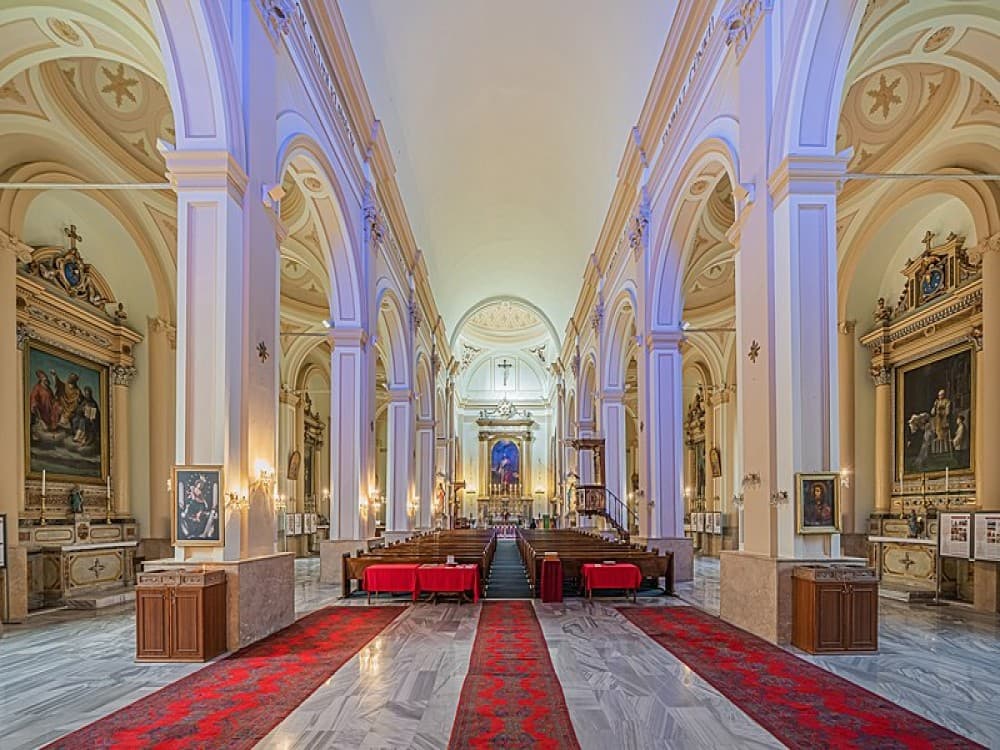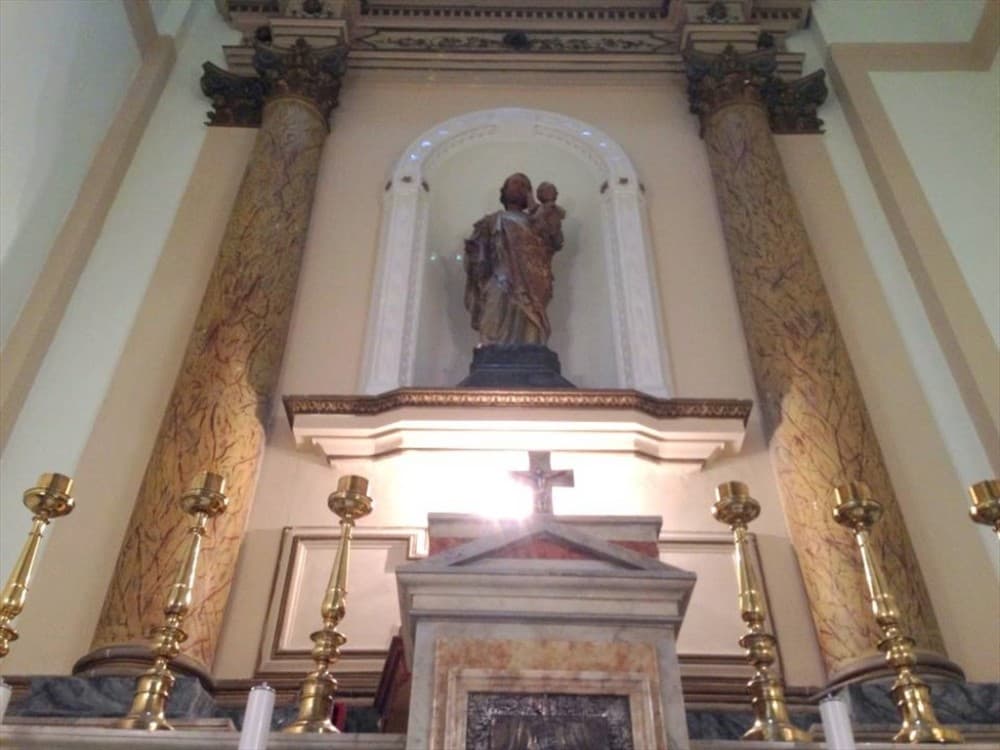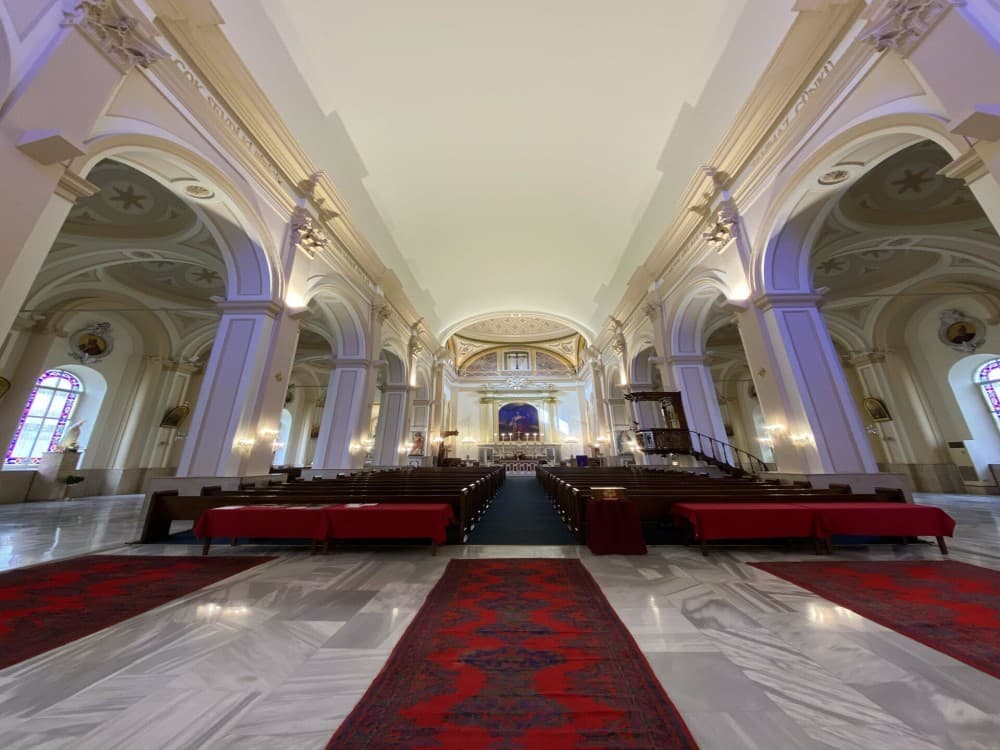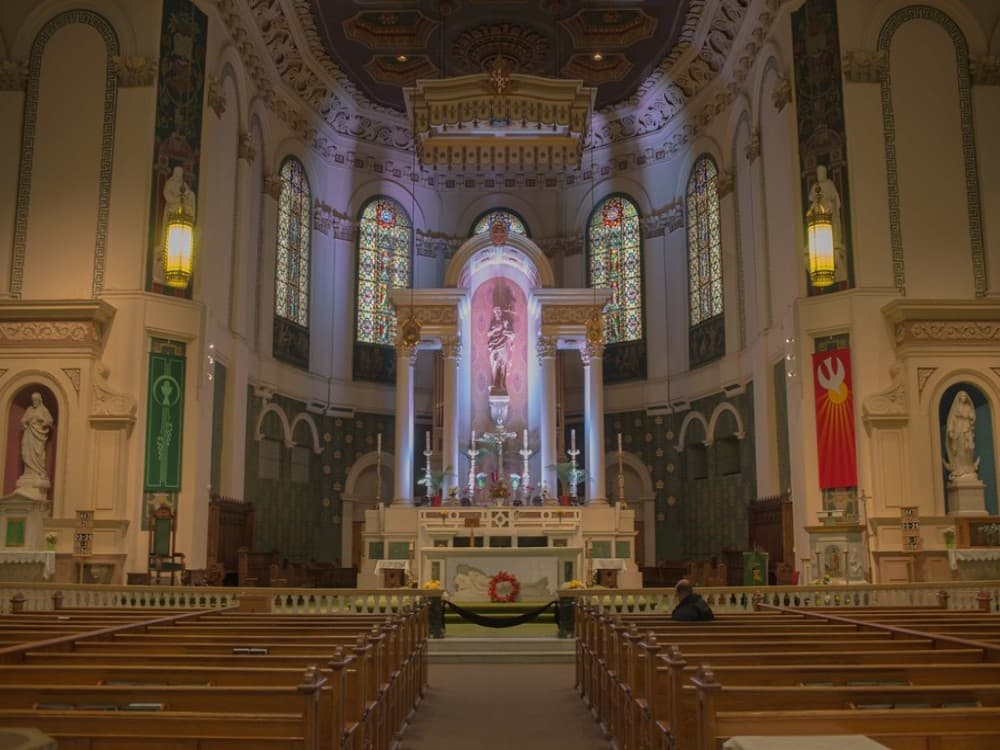
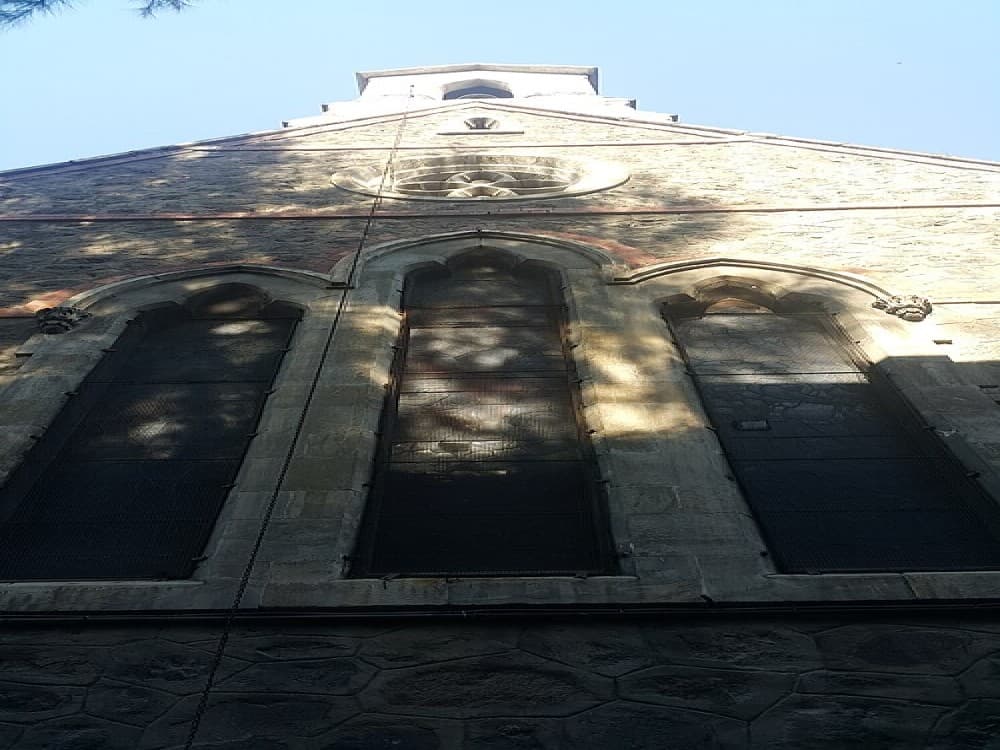
St. John’s Catholic Cathedral in İzmir is a remarkable religious and architectural landmark located in the heart of the city’s Konak district. Built in the 19th‑century Ottoman era (construction began in 1862, consecrated 1874) it stands on a site that links back to early Christian Smyrna. The exterior features a stately neoclassical façade, while inside you’ll find elegant altars, stained‑glass windows, and the sense of continuity of faith in the region. The cathedral’s noble presence amid modern city life makes it a tranquil stop that offers both history and spiritual ambiance.
Es gibt noch keine Touren in St. John's Catholic Cathedral.
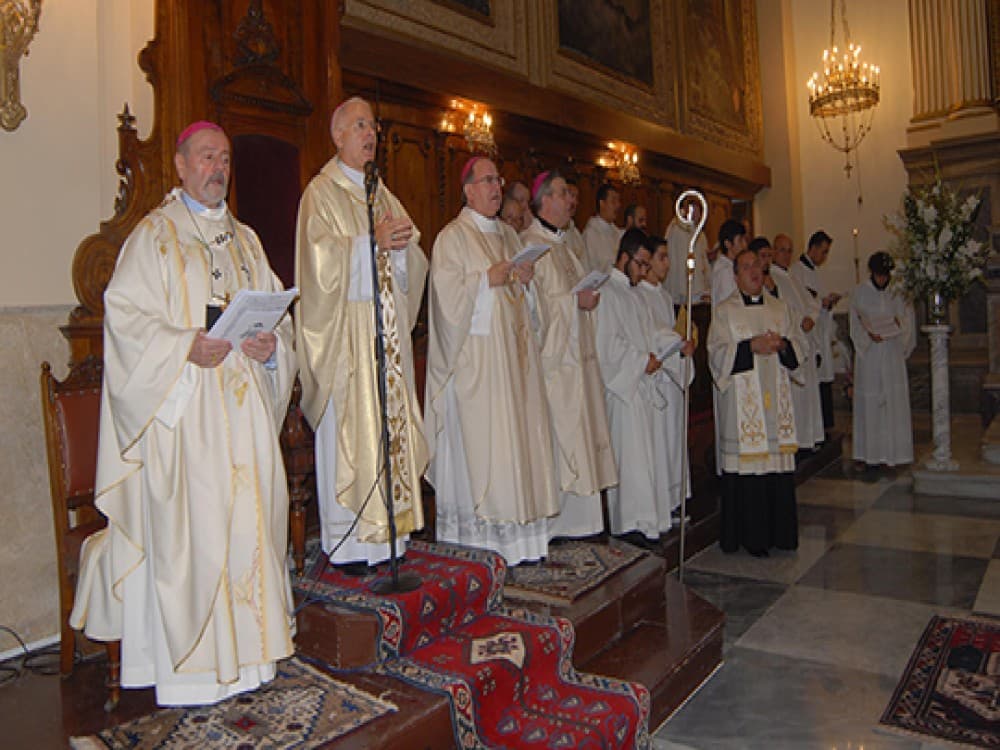
The cathedral is located in the Konak district of İzmir and serves as the seat of the Roman Catholic Archdiocese of İzmir. Construction began in 1862 and it was officially opened in 1874. It continues to function as an active place of worship while also welcoming visitors interested in its history and architecture. The site is well maintained, with a combination of marble flooring and ornate woodwork inside. Visitors can appreciate the mix of European architectural influences and local craftsmanship throughout the cathedral.
When visiting, remember this is an active place of worship. Dress modestly, covering shoulders and knees, and respect ongoing services. Photography is usually allowed, but avoid using flash in sensitive areas. Comfortable shoes are recommended as the interior includes marble floors. The cathedral is located in a busy urban area, so expect some city noise outside. Most visitors spend 20–30 minutes inside, but allow extra time if you want to enjoy a quiet moment for reflection or admire the details.
From central İzmir, such as the Kordon promenade or Alsancak, the cathedral is easily accessible by tram, bus, or taxi to Konak station or Konak Square. From there it’s a short walk to the cathedral in the Konak district. Parking is limited if traveling by car, so public transport or taxi is usually more convenient. The cathedral is prominent in the cityscape and well sign-posted, making it easy to locate on foot.
The best time to visit is during the morning or early afternoon when the interior is quiet and natural light enhances the architecture. Spring and autumn offer the most comfortable weather for walking to the site. Sundays may be busier due to mass, so weekday visits are ideal for a relaxed experience. Visitors typically spend 30 minutes exploring, though an hour allows for a more leisurely visit including reflection and photography.