Cappadocia: Gomeda Vadisi | ®ExcursionMania
Cappadocia

Gomeda Vadisi

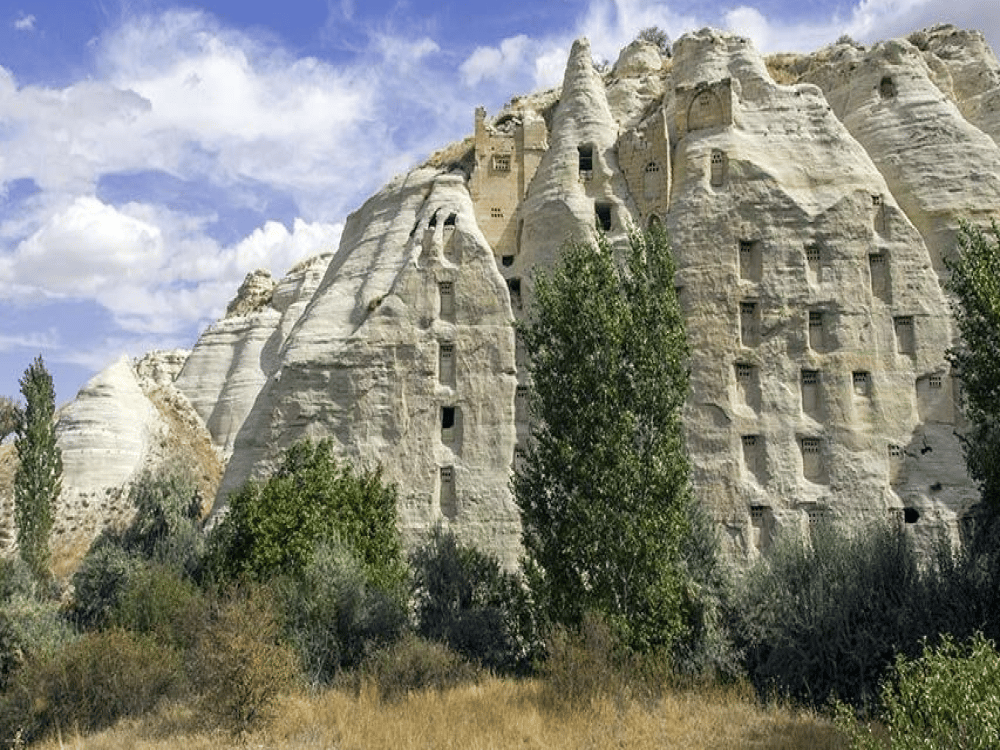
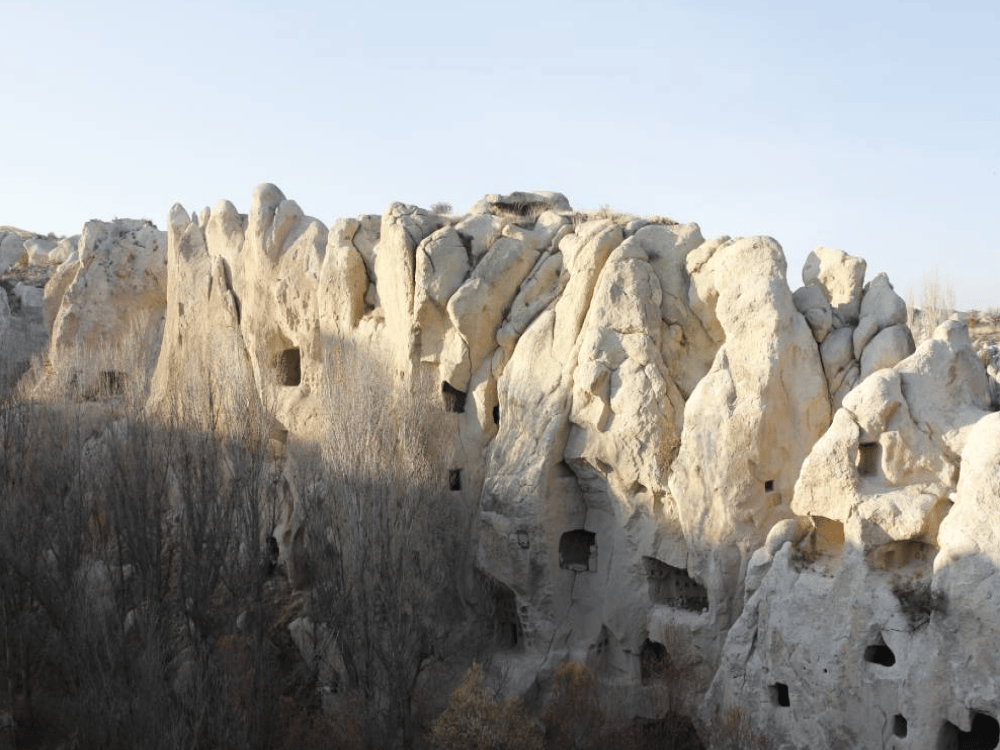
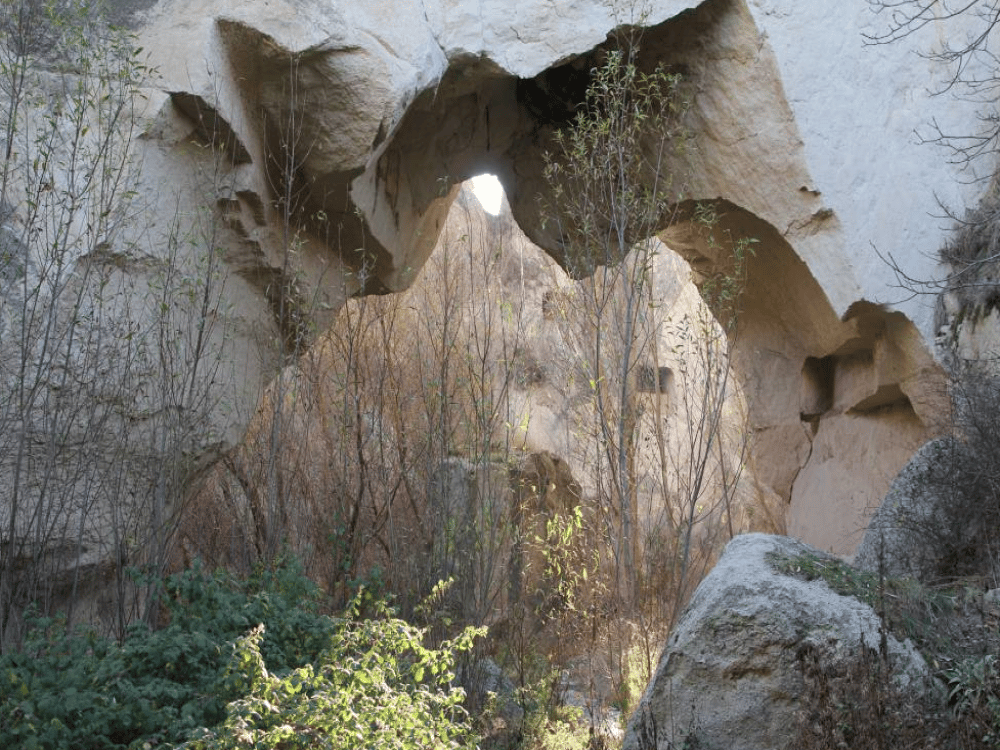
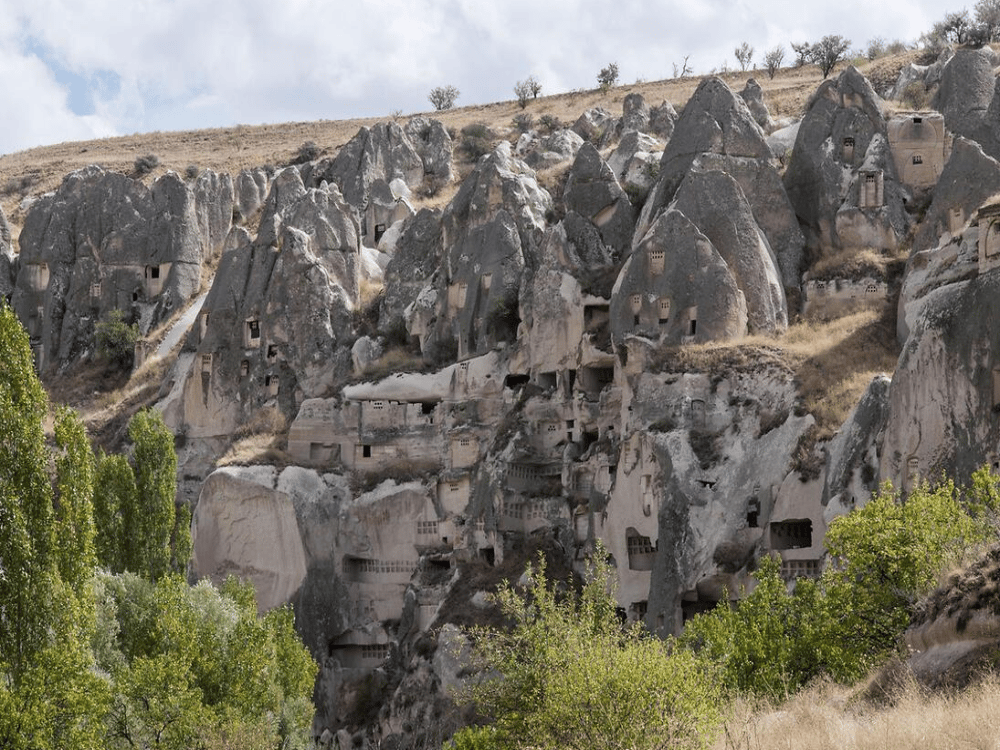
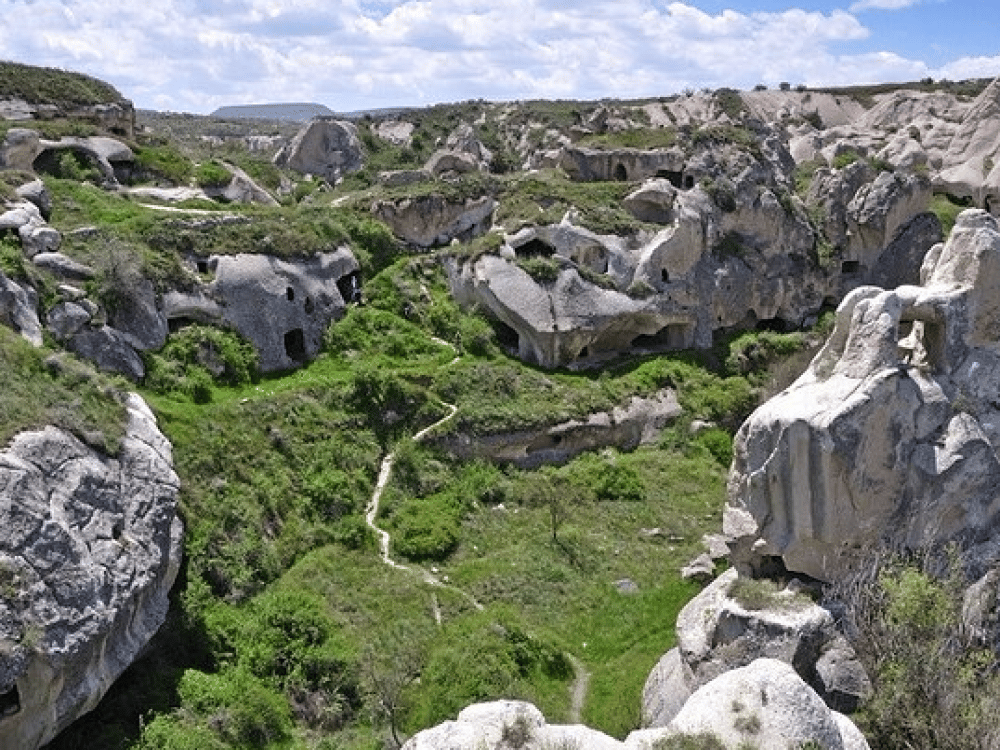
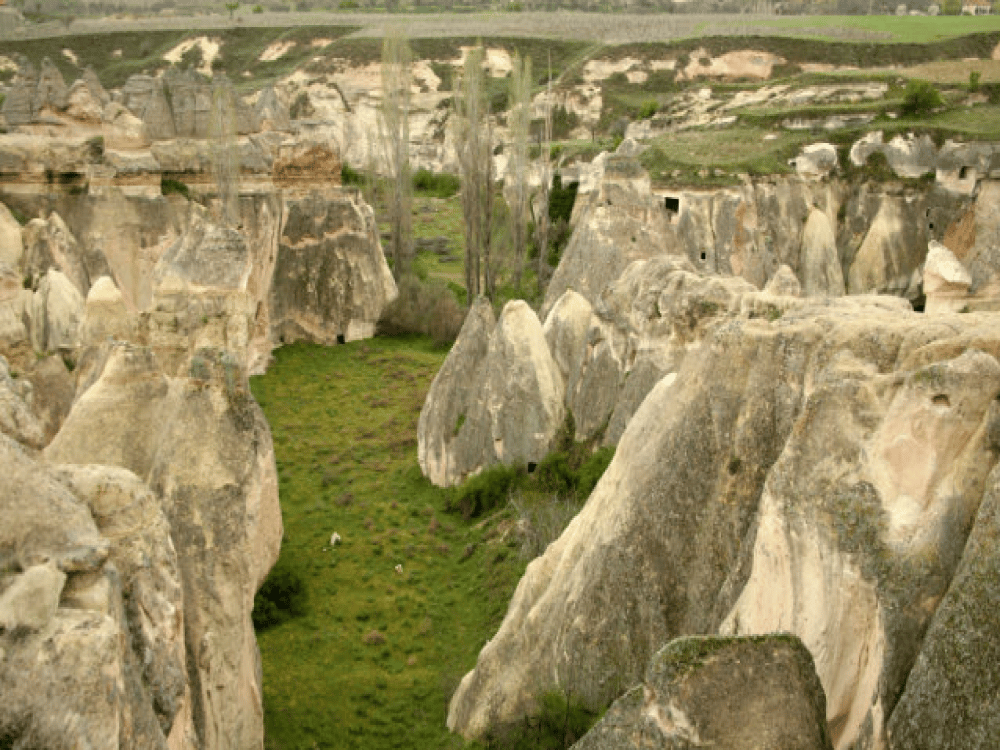
Nestled in the heart of Kapadokya, the peaceful valley of Gomeda (Gomeda Vadisi) offers a quieter alternative to the more popular valleys around Göreme. Formed between ancient volcanic tuff rocks and carved by nature and human hands over centuries, the valley extends roughly 6 km and blends shady greenery, striking rock‑walls, old dwellings and carved dovecotes into one atmospheric route. You’ll wander alongside the seasonal stream known as “Bey Creek”, pass hidden tunnels, rock‑carved storage rooms and even the remains of small churches. It’s a rewarding place for visitors who want to step off the beaten tourist track, breathe in nature and explore the layered history of Cappadocia.
Gomeda Vadisi Touren und Tickets

Es gibt noch keine Touren in Gomeda Vadisi.

Alles über Gomeda Vadisi

Was Sie erwartet

Gomeda Valley is located to the west of Mustafapaşa village (formerly Sinasos) and just southwest of Ürgüp in Nevşehir Province, placing it conveniently within central Cappadocia. The main walking trail through the valley stretches roughly 4 to 6 km, depending on how far you wish to explore, offering a moderately challenging but rewarding hike. Visitors will encounter natural, uneven terrain that includes rocky paths, occasional muddy sections, and seasonal stream crossings, so sturdy footwear is recommended. The valley is rich in historical and cultural features: carved pigeon‑houses (dovecotes) dot the cliff sides, hidden rock‑cut churches such as St. Basilios Church reveal traces of Cappadocia’s Byzantine past, and underground tunnels and walk‑through caves offer a glimpse into the ingenuity of ancient inhabitants. Entrance to the valley is free, with no formal ticketing, making it an accessible and unpretentious destination for travelers seeking both nature and history in a tranquil setting.

Warum diese Tour buchen

Although Gomeda Valley is quieter and less crowded than many other Cappadocian valleys, there are some practical considerations for a smooth visit. Sturdy walking shoes are essential, as the trail is often uneven and includes rocky sections, stream crossings, and muddy patches, especially after rainfall. Bring enough water and snacks, since there are very limited facilities within the valley. Signage along the paths can be sparse, so carrying a map or joining a guided tour is advisable if you are unfamiliar with the area. Vehicle access can also be tricky for standard cars, so plan your arrival carefully. If visiting in spring or autumn, layering is recommended because the valley’s shaded areas can be cooler than exposed ridges, and water crossings may make your shoes wet. Finally, remember to respect the valley’s natural environment and historical features—many of the rock‑carved churches and carvings are delicate and require careful observation.

Die richtige Tour auswählen

From your holiday base in Cappadocia—whether in Göreme, Ürgüp, or Avanos—you can reach Gomeda Valley by heading to Mustafapaşa village first. The valley entrance lies just a few kilometres from the village center, making it easily accessible. If you are driving, take the main road from Ürgüp to Mustafapaşa, then follow the signs toward Ayvalı or İbrahimpaşa to reach the entrance; there is parking available near the trailhead. For those using public transport, local minibuses (dolmuş) run from Ürgüp to Mustafapaşa, after which a short taxi ride or a walk will take you to the valley. Confident cyclists may also enjoy reaching the valley by bike, though the roads and trails require careful navigation.

Wissenswertes vor der Abreise

The ideal times to visit Gomeda Valley are early in the morning, when sunlight gently illuminates the rock walls, or later in the afternoon, when most tour groups have left and the valley feels peaceful and tranquil. Midday, especially during the high season, can be busier, so it’s best to avoid those hours if you’re seeking quiet moments. Spring (April–May) brings fresh greenery and blooming flora, though paths may be muddy or have puddles. Summer is warmer and drier, with the valley’s shade providing welcome relief from the sun. Autumn offers stunning foliage and cooler temperatures, making for comfortable walking conditions. Winter visits are possible, but some areas may be icy or slippery after rainfall or snow. Since there is no entrance fee and the valley is minimally managed, plan your visit during daylight hours to enjoy both safety and solitude.