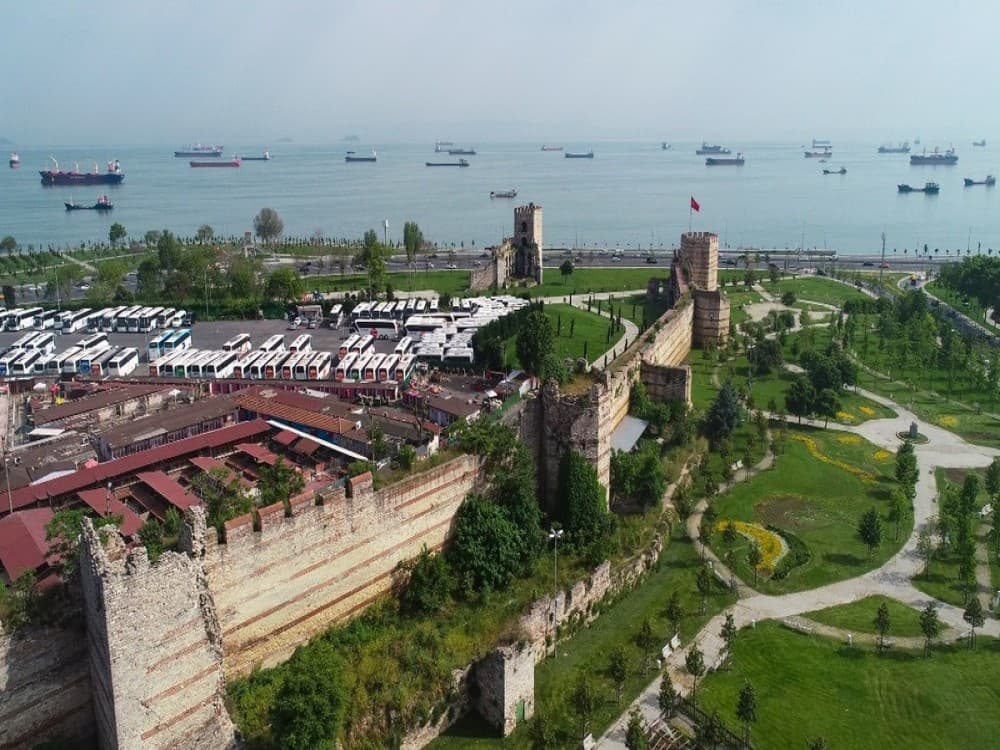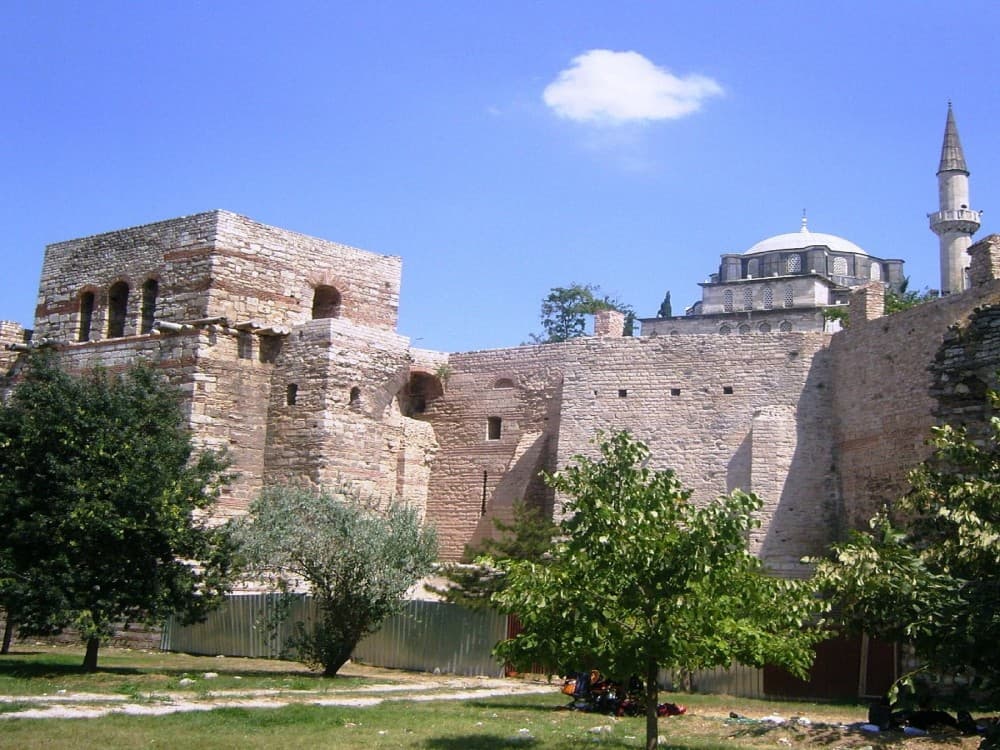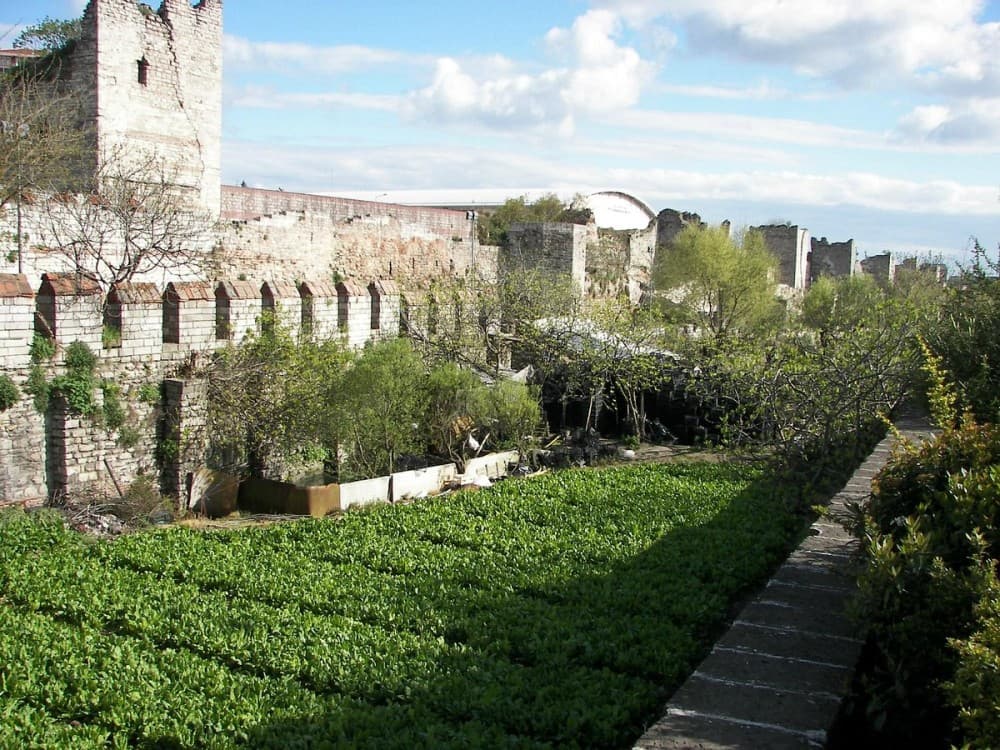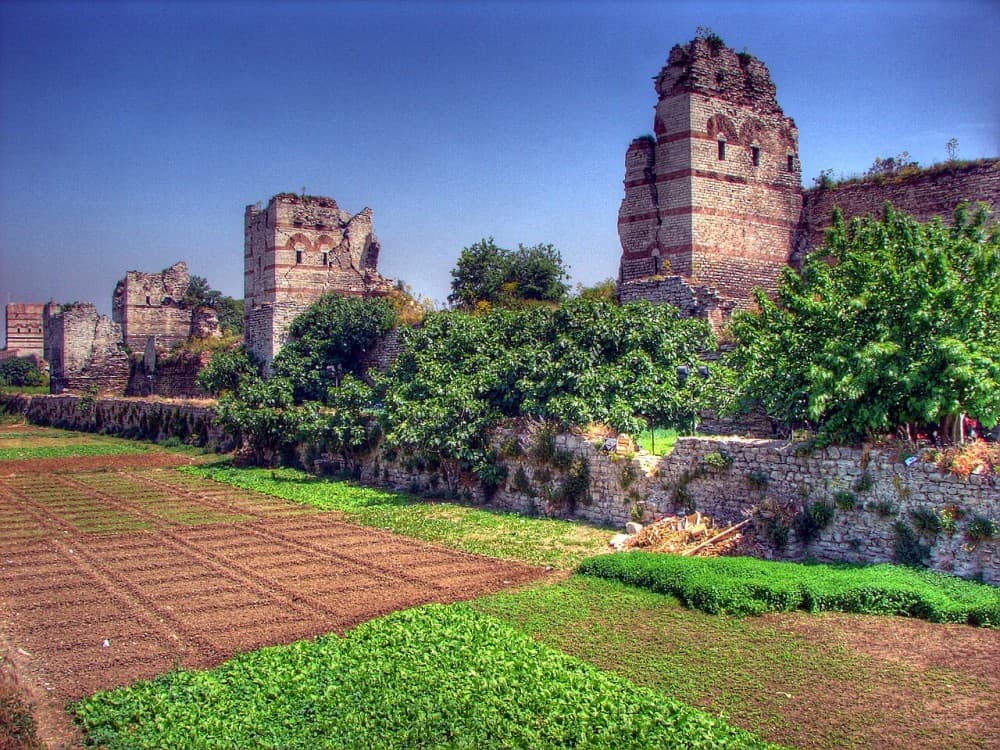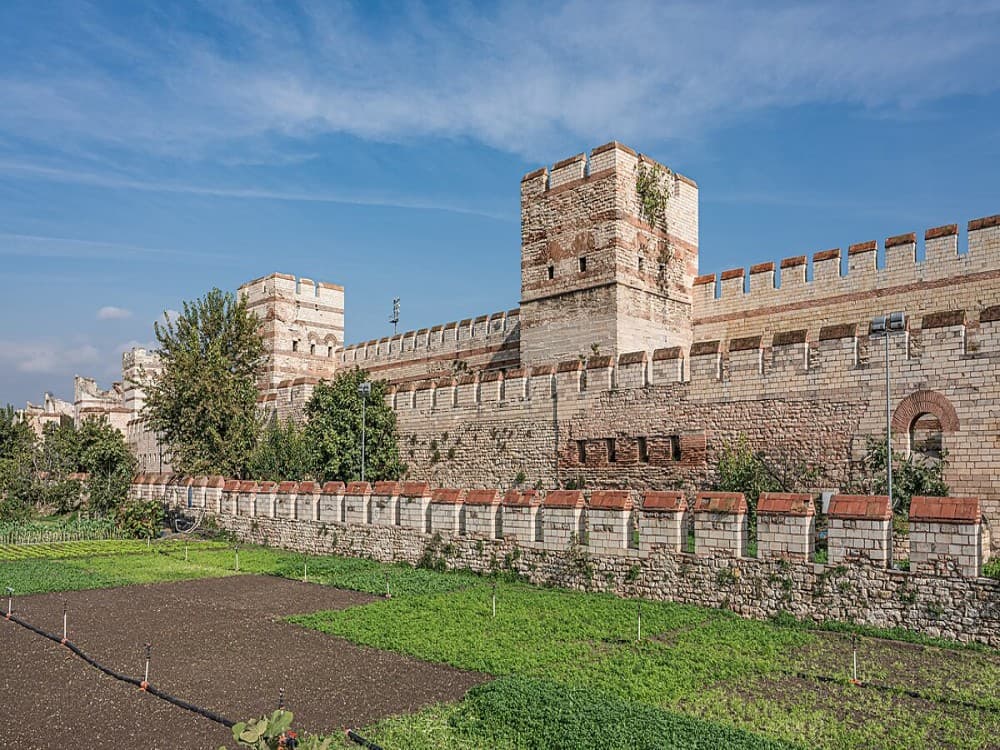
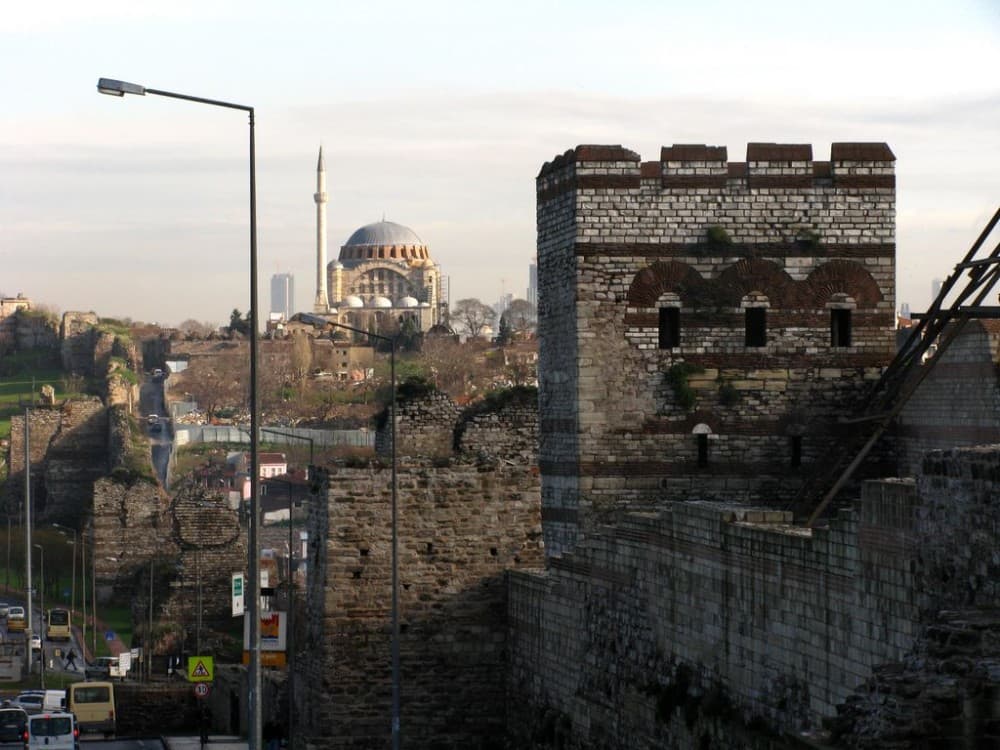
The ancient defensive walls of İstanbul, often referred to as the Theodosian Walls or the “Walls of İstanbul”, are one of the city’s most dramatic historic remnants. These huge fortifications once ran from the Sea of Marmara in the south to the Golden Horn in the north, protecting the city when it was known as Constantinople. They comprise multiple layers of stone walls, towers and gates and reflect centuries of Roman, Byzantine and Ottoman history. For holiday visitors, they offer a fascinating contrast to the mosques and palaces — walking near them gives a real sense of scale and the city’s layered past.
Es gibt noch keine Touren in The Walls of Istanbul.
These walls were originally built during the reign of Emperor Theodosius II in the 5th century and extended over some 6–7 km in their core section. Today visitors can explore key accessible parts near the districts of Yedikule, Edirnekapı and Topkapı. Many segments are open air and free to visit, while some linked fortresses such as the Yedikule Fortress may charge a modest entrance fee. Restoration work is ongoing to preserve the structure and the walls are recognised as a significant cultural asset. While you won’t “enter” the entire wall line like a modern museum, you can walk along parts of it, view towers and gates, and absorb the atmosphere of this ancient defence system.
Visiting the walls involves some practical considerations. Many sections are outdoors, uneven underfoot and may involve some gentle climbing or walking on rough paths — comfortable shoes are recommended. Because some parts are in regeneration or less used by tourists, fewer facilities (such as cafés or toilets) may be available close by. If you plan to climb onto a tower or inner wall path, check whether the section is officially open: some areas may be closed for safety or restoration. Also, explore surrounding neighbourhoods at your own pace: the walls often border vibrant local districts, so it’s worth stopping for a refreshment or local sight after your walk.
The walls span several districts, so your mode of transport depends on which section you want to visit. From central hotspots such as Sultanahmet or Eminönü you can reach sections near Topkapı or Edirnekapı via tram or metro and a short walk. For the southern end, near Yedikule, buses or taxis from central Fatih or Zeytinburnu will work. Once you arrive near a gate or tower, simply walk along that part of the wall — many of the best views come from vantage points just outside or beside the structure. Using a transit map to target a specific gate or tower, then walking along, gives you a flexible and rewarding experience.
Because the walls are largely outdoors, the best times to visit are when the weather is comfortable — spring and autumn generally offer mild temperatures and fewer crowds. If you visit in the morning soon after opening or late afternoon, you’ll find the light more appealing and the atmosphere quieter. Midday in summer can be hot and less comfortable for physical exploration. Some sections may be less visible or accessible during heavy rain or maintenance. Weekdays tend to be calmer than weekends, so if your schedule allows choosing a weekday visit might enhance your experience.