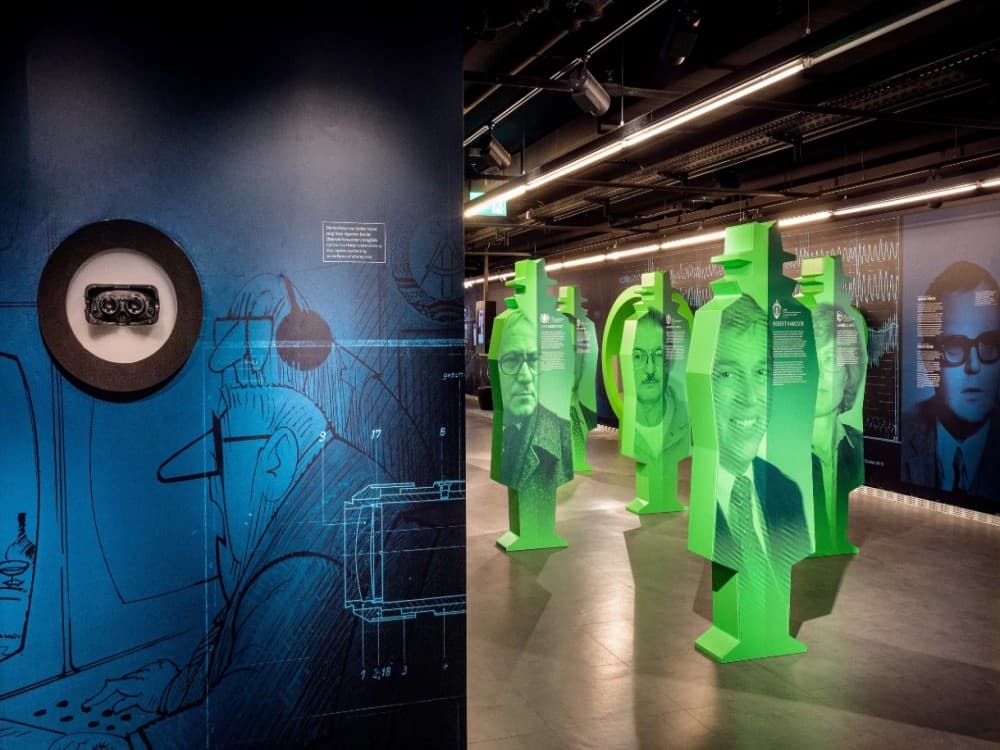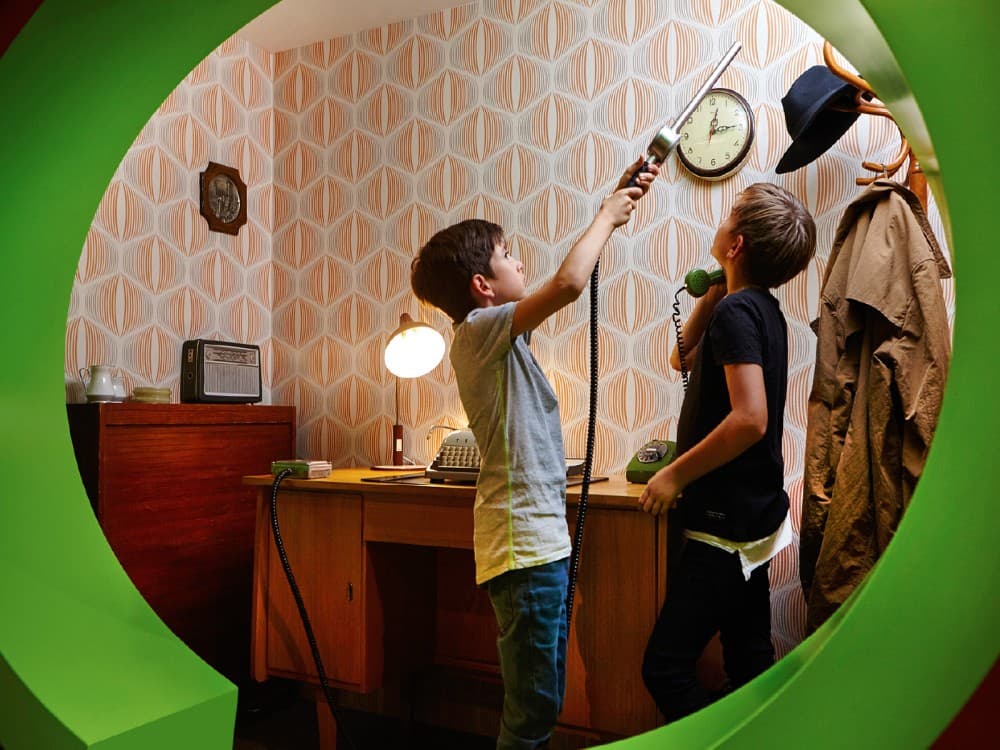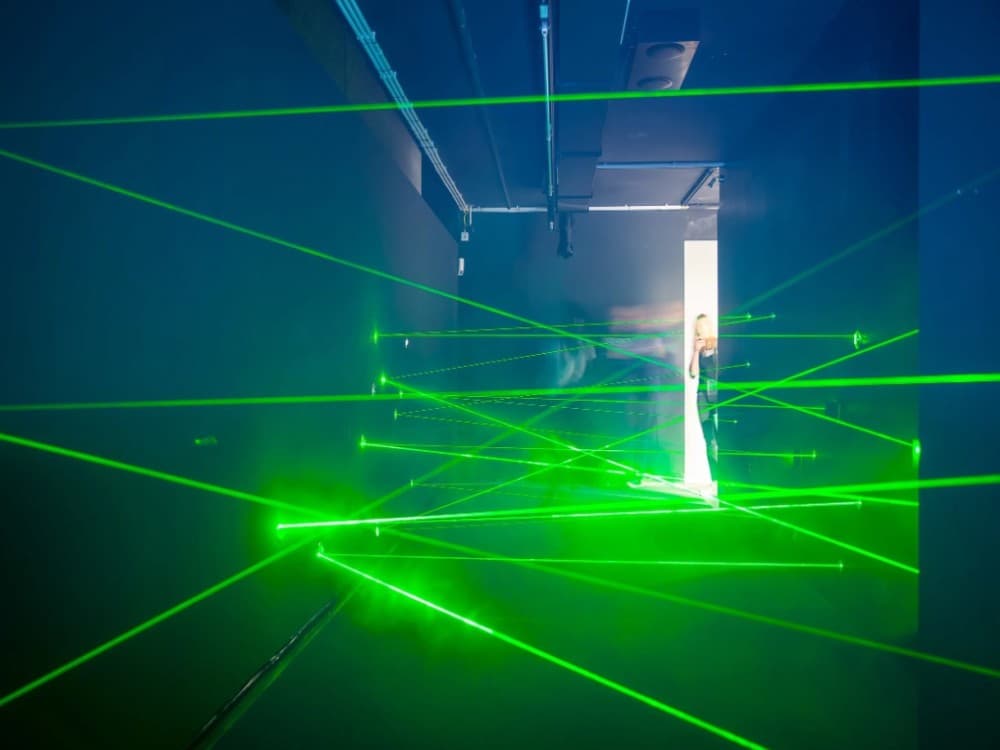
The German Spy Museum Berlin (Deutsches Spionagemuseum) is a modern, interactive museum that plunges you into the world of espionage, secret services, codes, gadgets, surveillance, and spycraft — past, present and (as much as we can tell) future. It opened in 2015 in a 3,000 m² exhibition space near Potsdamer Platz, Berlin Mitte. Inside, you’ll find more than 1,000 exhibits, many multimedia displays, replica gear, historical artefacts (e.g. a real Enigma‐type cipher machine), and immersive, hands‑on experiences — like decoding messages, navigating a laser maze, trying surveillance tools, exploring moral questions about data privacy, etc. It offers a mix: history buffs, tech lovers, curious teens — many will find something that captures their attention.
Es gibt noch keine Touren in German Spy Museum.
The German Spy Museum is conveniently located at Leipziger Platz 9, 10117 Berlin, in the central Mitte district. It is open daily from 10:00 AM to 8:00 PM, including weekends and public holidays, making it easily accessible for visitors at any time of the year. Admission prices are approximately €18.50 for standard tickets, with reduced rates between €8 and €13.50 available for students and other eligible groups. Children under the age of six can enter free of charge. The museum offers bilingual information in both German and English and is designed to be largely barrier-free, featuring step-free access, accessible restrooms, and inclusive facilities to ensure a comfortable experience for all visitors.
To make the most of your visit to the German Spy Museum, it is highly recommended to book your ticket online in advance and select a specific time slot. This ensures entry within a 15-minute window and helps avoid unnecessary waiting. Plan to spend around 2 to 3 hours at the museum if you wish to fully engage with the many interactive exhibits; however, those short on time can still enjoy the main highlights in a shorter visit. Be sure to bring a valid ID if you’re purchasing a reduced ticket, and wear comfortable footwear, as the experience involves considerable walking and standing. A phone or camera may also come in handy, and cloakrooms or lockers are sometimes available for convenience. The museum appeals particularly to teens and adults with an interest in espionage history and technology, while younger children will enjoy interactive features like the laser maze, although some exhibits may be more text-heavy.
The German Spy Museum is easily accessible by public transport, with the nearest stations being Potsdamer Platz for both the S-Bahn (lines S1, S2, S25) and U-Bahn (U2). From Potsdamer Platz, simply exit via Leipziger Platz, and the museum is just a short walk away. Several bus lines, including 200, M41, M48, and M85, also stop nearby. While there is no dedicated parking at the museum, visitors arriving by car will find several public parking garages in the vicinity, such as those at the Mall of Berlin (entrances on Voßstraße and Wilhelmstraße), the Sony Center, and Potsdamer Platz. For those staying in central Berlin—particularly in Mitte, Tiergarten, or Friedrichstadt—the museum is within easy walking distance from popular areas like Potsdamer Platz and Gendarmenmarkt, making it a convenient stop during a day of sightseeing.
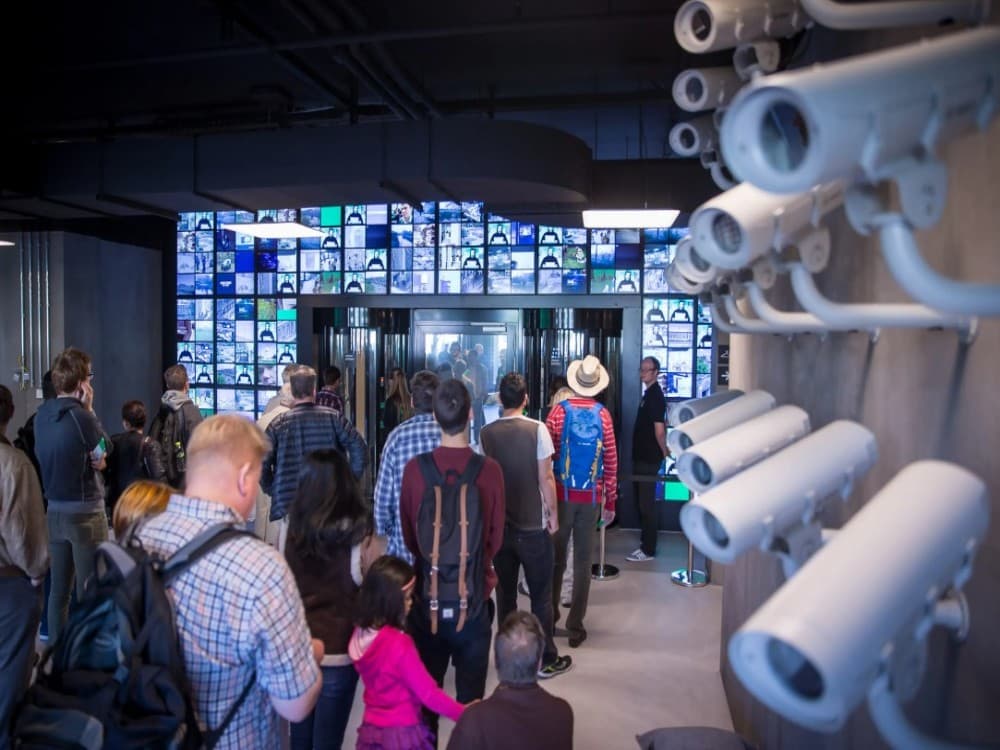
For a more relaxed visit to the German Spy Museum, consider arriving early in the morning just after opening at 10:00 AM or later in the afternoon after 4:00 PM, as these times are generally less crowded. Midday, particularly between 11:00 AM and 1:00 PM, tends to be the busiest. Since the museum is open daily, Mondays can be an ideal time to visit, especially when other museums may be closed. Weekends typically see heavier foot traffic, particularly around midday. Seasonal factors also influence visitor numbers—rainy or extremely hot days, as well as summer holidays, often attract more guests seeking indoor activities. If your trip coincides with peak travel periods, try to avoid weekend mornings. Additionally, check the museum’s official website for updates on temporary exhibitions or special guided tours, as these events may require separate bookings and often attract larger crowds.