Best of Ubud Attractions: Private All-Inclusive Tour
Adventures
Private Tours
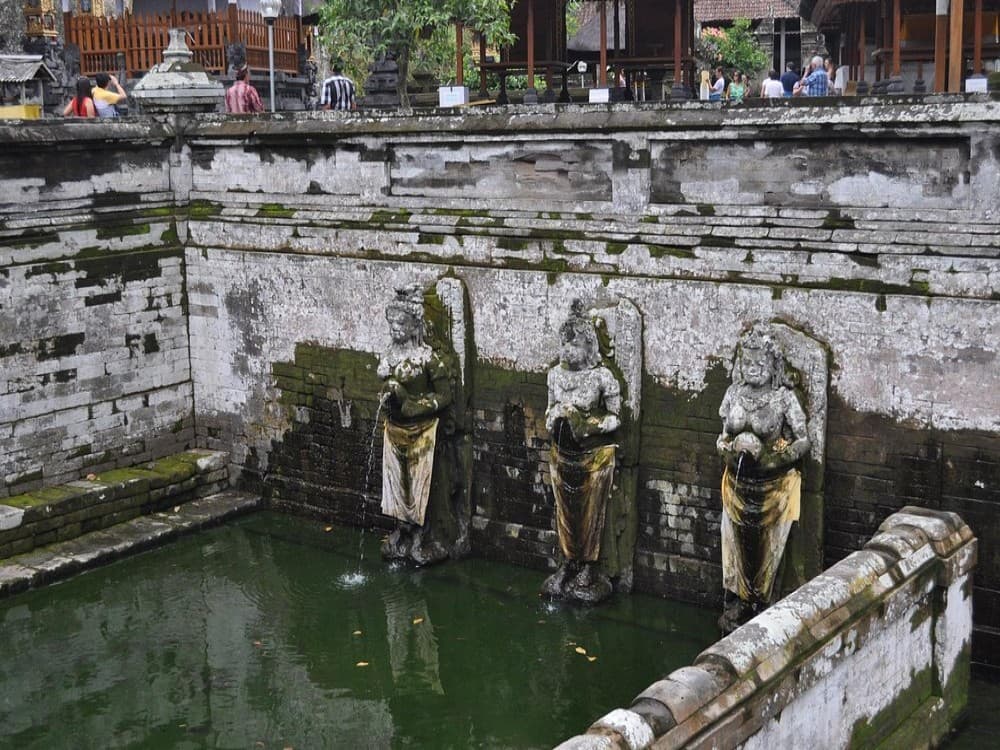
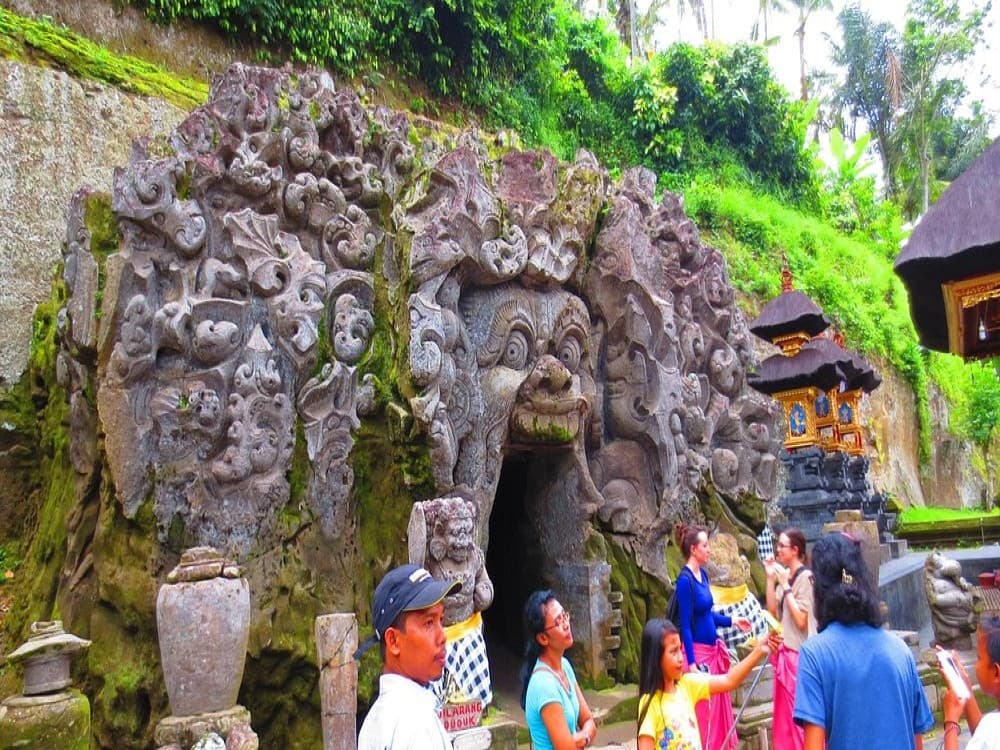
The Elephant Cave, or Goa Gajah, is an ancient and intriguing site located just outside Ubud, Bali. Dating back to the 11th century, this archaeological wonder is a blend of historical significance and spiritual meaning. The cave is carved into a rocky hillside and features a large, intricately designed stone entrance resembling a face, often referred to as the "demon face." Inside, visitors can explore a small chamber that contains relics of Hindu and Buddhist statues, including a central Shiva statue. Surrounding the cave is a tranquil garden with lotus ponds, fountains, and bathing pools, creating a serene atmosphere perfect for contemplation and exploration.
Adventures
Private Tours
Adventures
Day Trips
Goa Gajah, or the Elephant Cave, is a UNESCO-listed site and one of Bali’s most important historical landmarks. The cave itself is not large but holds great cultural significance, with its carvings believed to represent the entrance to the underworld. Visitors can explore the cave's inner chamber and admire the reliefs on the walls, depicting scenes from Hindu mythology. Outside the cave, there are tranquil gardens, a bathing pool, and relics that showcase Bali's ancient water temples. Goa Gajah is open to the public daily, offering a quiet and historical experience for those interested in Bali’s rich heritage.
Before visiting Goa Gajah, it’s essential to dress modestly, as it is a sacred site. Wearing a sarong or long pants is required for both men and women, and a sash may be provided at the entrance. The site can be somewhat challenging to navigate due to the uneven terrain and stairs leading to the cave, so wearing comfortable shoes is advised. There is a small entrance fee to access the temple, and it is important to respect the sacredness of the site by keeping noise to a minimum. Photography is allowed in most areas, but it’s always courteous to ask before taking pictures in certain locations.
Goa Gajah is located about 6 kilometers from the center of Ubud, making it easily accessible by taxi, motorbike, or private transport. If you’re staying in Ubud, the site is a short 10-15 minute drive away. Alternatively, you can rent a motorbike or take a local tour that includes visits to nearby attractions, such as the Tegenungan Waterfall or the Sacred Monkey Forest Sanctuary. There are also guided tours available, which can enrich your visit with historical and cultural context about the site. Once you arrive at the entrance, a short walk will take you to the main attraction.
The best time to visit Goa Gajah is early in the morning or late in the afternoon when the site is less crowded and the temperatures are cooler. The temple can get busy during the midday, especially with large tour groups, so visiting earlier in the day will allow you to enjoy a more peaceful experience. Early mornings offer a serene atmosphere and beautiful light for photography. The dry season, from April to October, is the most comfortable time to visit, although the site is open year-round. During religious holidays, the temple may be busier due to local ceremonies.