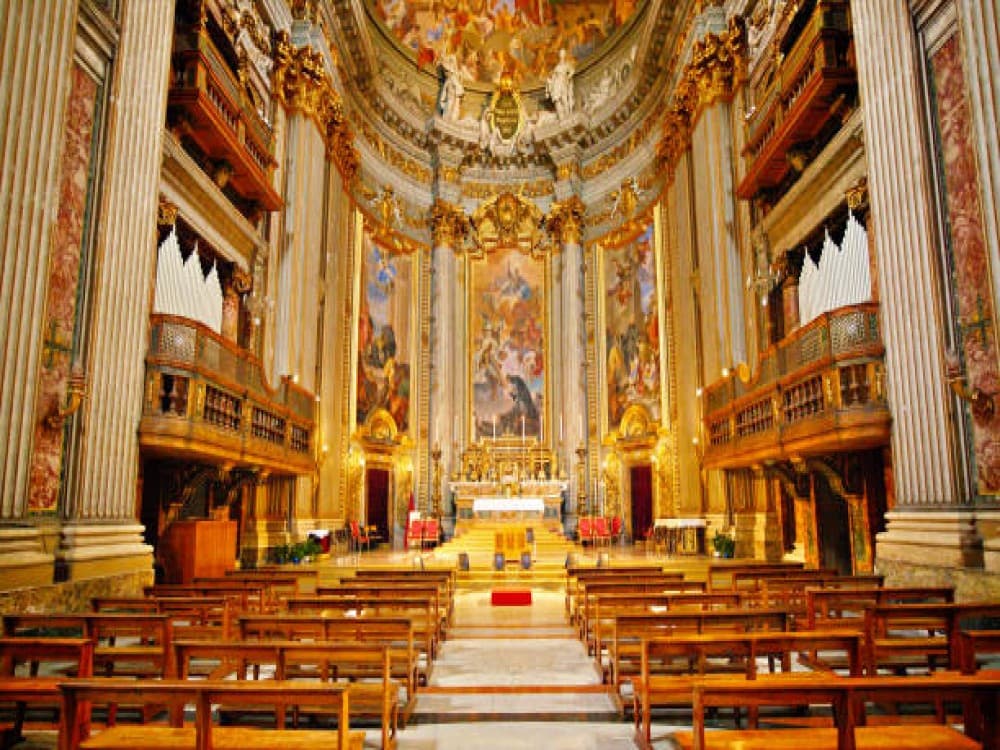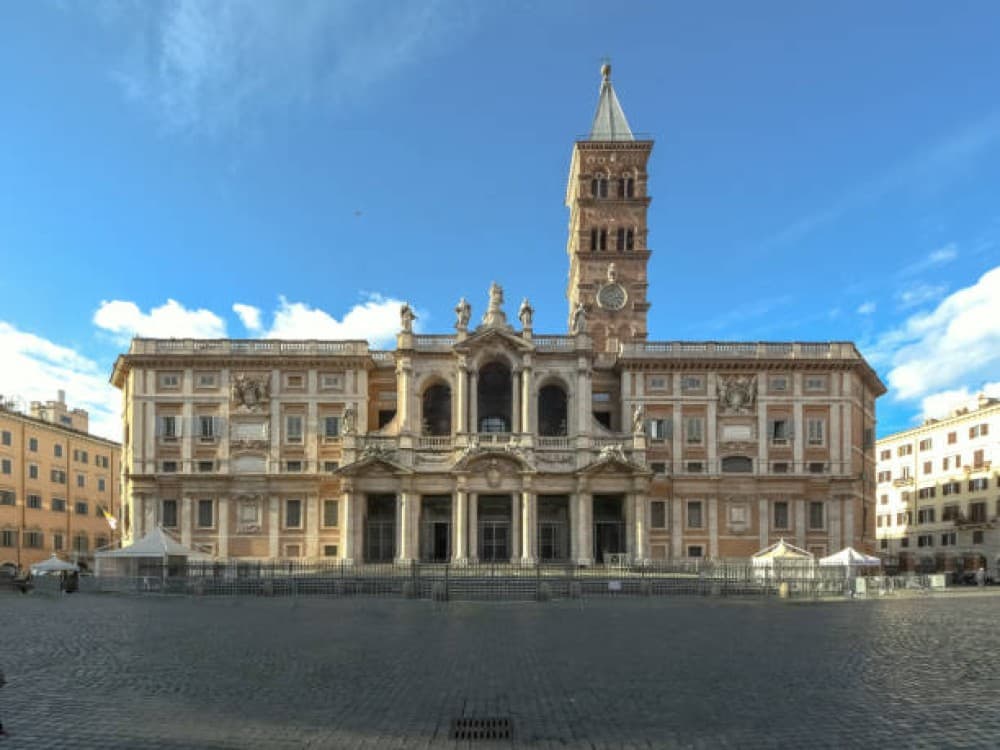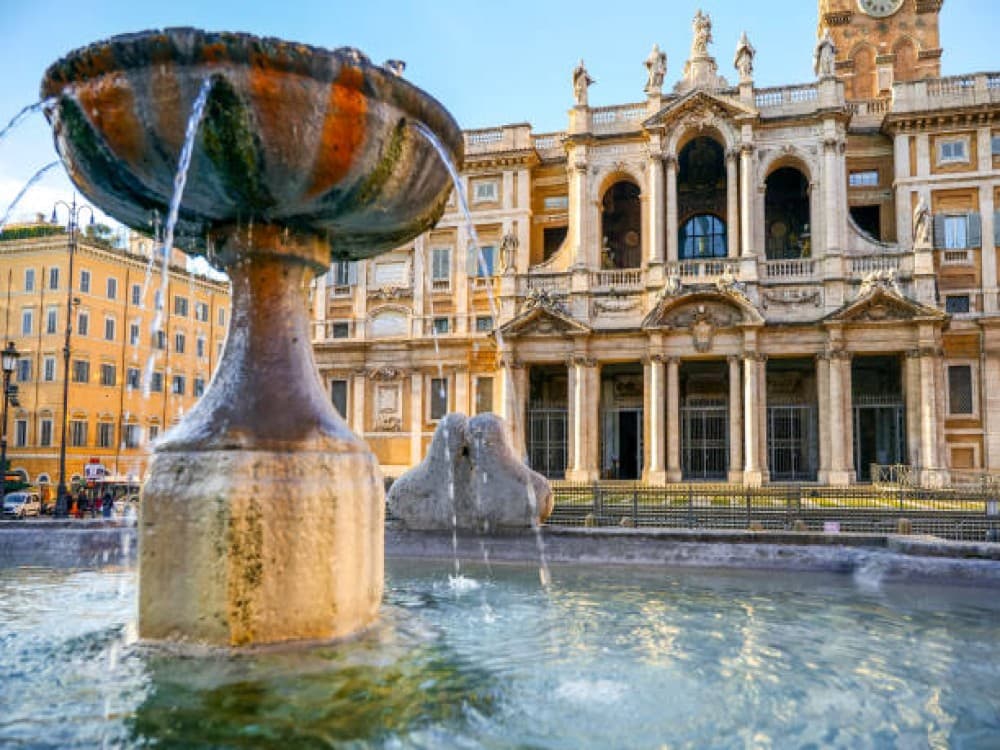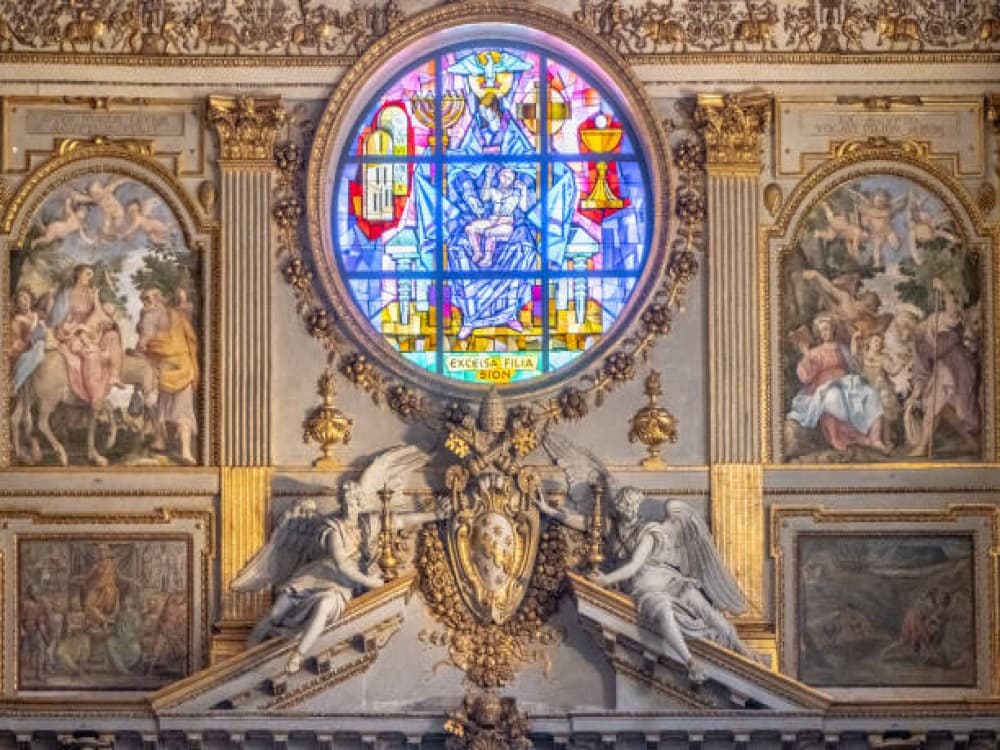
Basilica di Santa Maria Maggiore is one of Rome’s most important and breathtaking churches, known for its stunning mosaics, rich history, and grand architecture. Located on Esquiline Hill, it is the largest church in Rome dedicated to the Virgin Mary. Built in the 5th century, the basilica has undergone various modifications, blending early Christian, Baroque, and Renaissance styles. Its interior features gold-covered ceilings, intricate mosaics depicting biblical scenes, and a magnificent marble floor. The basilica also houses relics believed to be from the Holy Crib of Jesus, making it a sacred pilgrimage site.
Es gibt noch keine Touren in Basilica di Santa Maria Maggiore.
Basilica di Santa Maria Maggiore is free to enter, though some areas, such as the museum and loggia, may require a small fee. It is open daily from 7 AM to 6:45 PM, with religious services held regularly. Visitors should dress modestly, covering shoulders and knees, as it is an active place of worship. The basilica is one of Rome’s four papal basilicas, meaning it holds special religious significance and is often visited by the Pope. Security checks are in place at the entrance, so allow extra time for your visit.
This basilica is famous for its 5th-century mosaics, which are some of the oldest in Rome. The ceiling is decorated with gold said to have been brought from the Americas by Christopher Columbus. Climbing to the Loggia delle Benedizioni offers a fantastic view of the square below. The basilica is an active church, so mass and special ceremonies may limit access to some areas. Photography is allowed, but flash and tripods are prohibited. A guided tour can help visitors understand the deep history behind the artwork and architecture.
The basilica is centrally located, about a 10-minute walk from Termini Station, making it easily accessible by metro, bus, or train. The closest metro station is Termini on lines A and B, while buses 16, 70, and 714 stop nearby. From the Colosseum, it is a 15-minute walk, passing through some of Rome’s charming historic streets. Taxis and ride-sharing services are also available, but walking is often the best way to explore the surrounding area.
The best time to visit is early in the morning or late in the afternoon, when crowds are smaller, allowing for a peaceful experience. Weekdays are generally quieter than weekends, but religious holidays and special masses can attract large gatherings. Visiting during Christmas or August 5th offers a unique experience, as a special ceremony recreates the legend of the miraculous snowfall that led to the basilica’s foundation. Spring and autumn are ideal seasons for exploring, as the weather is pleasant without the peak summer crowds.