Introduction: A Name with a Story
Kuşadası is one of Türkiye’s most popular holiday destinations, attracting visitors with its warm climate, beaches, historical sites, and lively atmosphere. But many people are surprised to learn that the area was once referred to as Kuşara, a name that gradually disappeared as the region developed. Today, the town is known worldwide as Kuşadası — a name directly linked to the iconic island just off its coast. Exploring how this name evolved gives visitors a deeper understanding of the town’s history and identity.
The Meaning Behind the Name “Kuşadası”
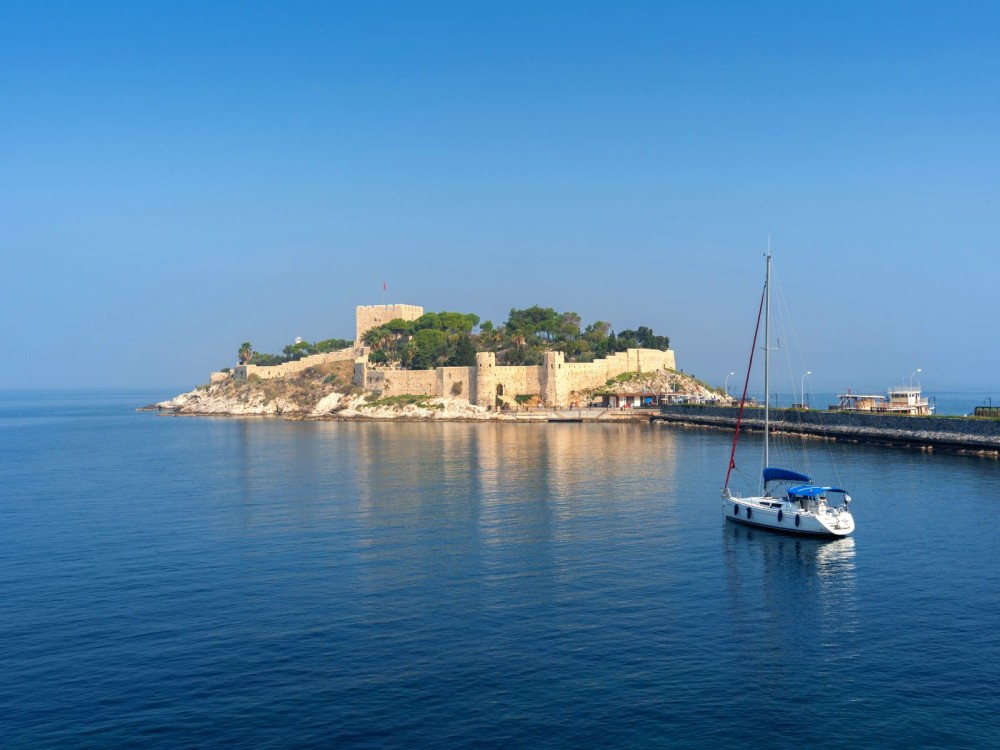
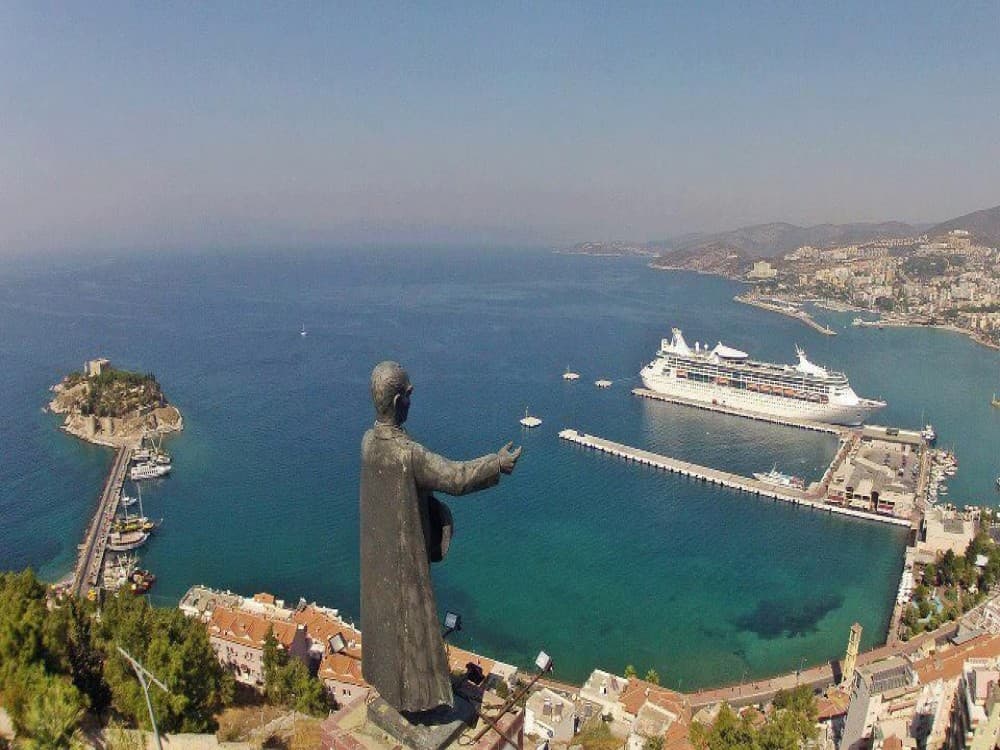
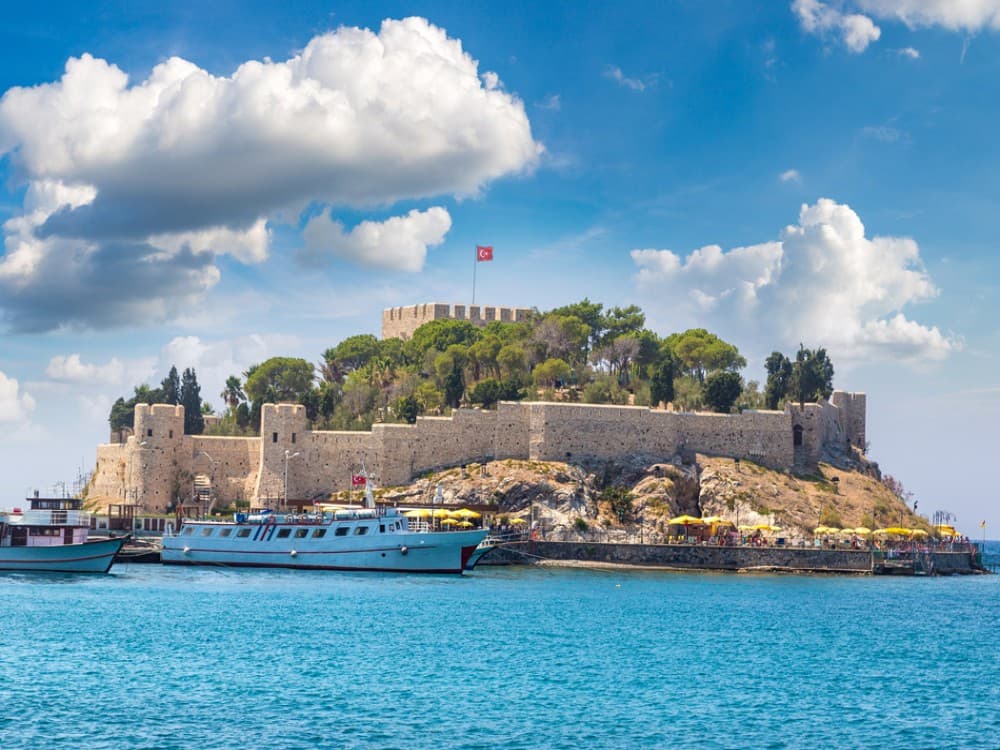
In Turkish, Kuşadası translates to “Bird Island.” This name is not metaphorical — it comes from a real island called Güvercinada (Pigeon Island), which sits right beside the town’s harbor. The island is connected to the mainland by a stone causeway and is one of the region’s most recognizable landmarks.
For centuries, sailors approaching the coast saw flocks of birds resting on the island and noted that its shape resembled a bird perched on the water. Because of this, the surrounding town became associated with the “bird island,” and the name Kuşadası slowly entered everyday usage.
Before Kuşadası: The Early Name “Kuşara”
The name Kuşara appears in older local references and oral traditions, especially in records from the Ottoman period. It was not an official administrative name but rather an informal, earlier variation used by local communities, merchants, and travelers.
There are several reasons why such alternative names existed:
Dialects and accents: Regional speech patterns often simplified longer names or altered endings.
Limited literacy: Names were passed verbally rather than in writing, which led to variations like “Kuşara.”
Ottoman-era flexibility: Many towns had multiple names in maps, trade records, and local conversations.
Kuşara was shorter, easier to pronounce, and fit common naming styles of that time. However, it lacked the strong geographical identity that the newer name would later provide.
How the Name Shifted Over Time
The gradual transition from Kuşara to Kuşadası was influenced by maritime life, trade, and military strategy. When the Ottomans strengthened the fortress on Güvercinada in the 17th century, the island became a key defensive point for ships traveling across the Aegean.
As the island grew more significant:
Sailors began referring to the settlement as “the town by the Bird Island,”
Merchants using the port adopted the same term,
Government registries slowly incorporated the updated name.
By the 18th and 19th centuries, Kuşadası was commonly used in official documents, maps, and tax records. The older name Kuşara faded out of daily speech, preserved only in some local stories and historical mentions.
Güvercinada: The Heart of the Name
To understand why the town adopted the name Kuşadası, you only need to see Güvercinada. The small island has always been central to the town’s identity. Its stone fortress, first built during the Byzantine era and expanded during the Ottoman period, served as a lookout point against pirate attacks and enemy ships.
The island’s relationship with birds also played a role. Large numbers of pigeons and seabirds visited the island throughout the year, reinforcing the “bird island” image that sailors used as a landmark while navigating the coastline.
Today, Güvercinada remains the symbol of Kuşadası, featured in photos, postcards, and tourism materials — a visual reminder of how the town received its name.
A Name That Reflects the Region’s Character
The shift from Kuşara to Kuşadası is more than a linguistic change; it represents the town’s transformation:
From a small settlement to an important Ottoman port,
From local significance to international recognition,
From a simple inland-sounding name to a distinctive coastal identity tied to nature and geography.
The name Kuşadası captures the essence of the destination: a seaside town shaped by its harbor, its island, and its maritime history.
Conclusion: A Modern Destination with a Historic Name
Today, Kuşadası stands as a major tourism hub, welcoming millions of visitors each year. Yet the origins of its name remind travelers that the town’s identity wasn’t formed overnight. From the early term Kuşara to the modern and meaningful Kuşadası, the evolution of the name mirrors the growth, culture, and coastal spirit of the region.
Whether you are exploring Güvercinada, wandering through the old town, or enjoying the beaches, knowing the story behind the name adds a richer layer to your experience. Kuşadası is not just a holiday spot — it is a place shaped by centuries of life along the Aegean Sea, with a name that proudly reflects its history.