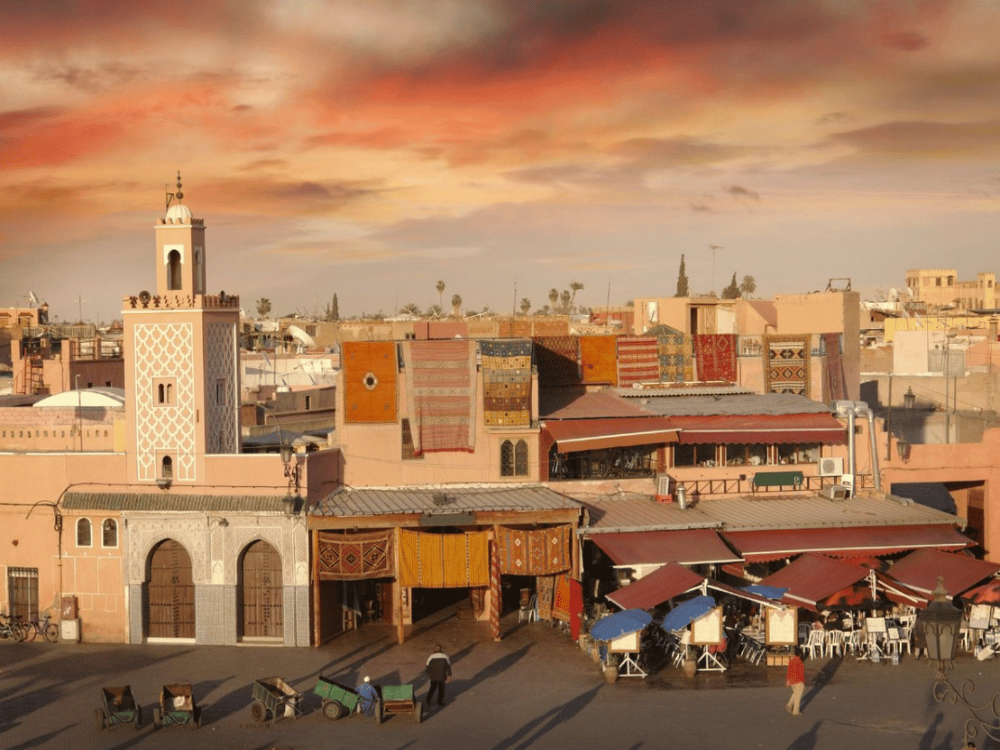
Marrakesh is one of Morocco’s most famous destinations, known for its vibrant souks, historic palaces, colorful riads, and lively Jemaa el-Fnaa square. While the city can be fascinating at almost any time of year, there are certain periods when visiting Marrakesh may be less enjoyable for some travelers. Extreme weather, large crowds, and religious or cultural events can significantly affect your experience. Understanding when to avoid Marrakesh can help you plan a trip that matches your comfort level, interests, and expectations.
The Peak Summer Heat Can Be Overwhelming
One of the main times travelers may want to avoid Marrakesh is during the peak summer months, especially July and August. During this period, daytime temperatures often exceed 40°C (104°F), and the dry desert heat can feel intense and exhausting. Walking through the medina, exploring markets, or visiting outdoor attractions becomes physically demanding, particularly for travelers not used to extreme heat.
Air conditioning is available in many hotels and riads, but it is less common in small shops, traditional restaurants, and public transport. Sightseeing is usually limited to early mornings and late evenings, which can restrict how much you can comfortably see in one day. If you are sensitive to heat or plan to spend long hours exploring on foot, summer may not be the ideal time to visit Marrakesh.
Busy Tourist Seasons Bring Large Crowds
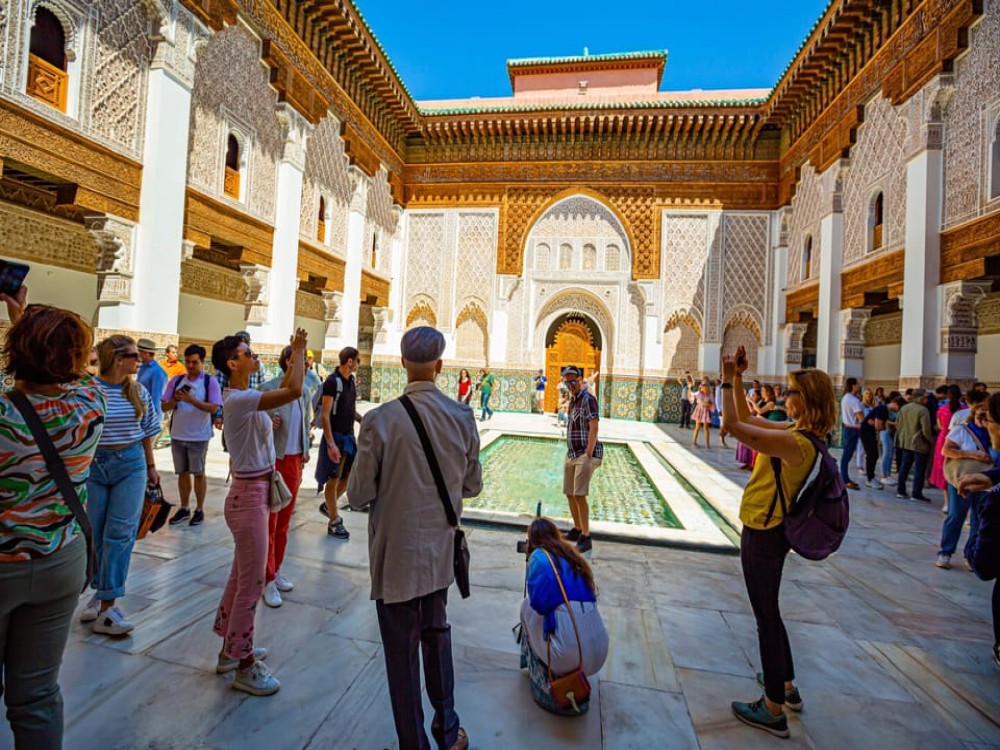
Another time to consider avoiding Marrakesh is during peak tourist seasons, mainly in spring and autumn, particularly around March, April, October, and early November. These months offer pleasant weather, which attracts a high number of international visitors. As a result, popular attractions such as the Bahia Palace, Jardin Majorelle, and the medina’s main souks can become extremely crowded.
Large crowds can reduce the charm of wandering through narrow streets and make it harder to enjoy cultural sites at your own pace. Prices for accommodation, tours, and flights are also generally higher during these months. If you prefer a quieter, more relaxed experience or are traveling on a tight budget, peak season may not be the best time for your visit.
Ramadan Can Affect Daily Activities
Traveling to Marrakesh during Ramadan can be a unique cultural experience, but it may not suit everyone. Ramadan is a holy month in Islam, and during this time many locals fast from sunrise to sunset. As a result, some restaurants, cafés, and shops may be closed or operate with limited hours during the day.
Tourist areas usually remain more active, but daytime dining options can be reduced, especially outside major hotels. Alcohol is harder to find, and some services may run more slowly than usual. On the other hand, evenings after sunset are lively, with special meals and a festive atmosphere. If you prefer full access to restaurants, tours, and nightlife throughout the day, you may want to avoid visiting Marrakesh during Ramadan.
Major Holidays Can Disrupt Travel Plans
Certain national and religious holidays can also be challenging times to visit Marrakesh. During events such as Eid al-Fitr and Eid al-Adha, many businesses close, and local families travel to visit relatives. This can lead to limited services, crowded transport, and fewer organized tours.
Accommodation may fill up quickly, and some attractions may close temporarily. While these holidays offer insight into Moroccan culture, they can complicate travel logistics. Visitors who prefer a smooth, predictable travel experience may want to plan their trip outside major holiday periods.
Winter Evenings Can Be Surprisingly Cold
Although winter in Marrakesh is generally mild, the months of December and January may not be ideal for everyone. Daytime temperatures are comfortable, often ranging between 15°C and 20°C (59°F to 68°F), but evenings and early mornings can be quite cold, especially in traditional riads with limited heating.
Rainfall is more likely during winter, which can affect outdoor sightseeing and excursions to nearby areas. If you are expecting consistently warm weather or plan to spend time outdoors at night, winter may not meet your expectations.
Times of Political or Social Unrest
While Marrakesh is generally safe and stable, it is always wise to avoid traveling during periods of political demonstrations or social unrest. These events are usually limited and peaceful, but they can disrupt transportation and access to certain areas. Staying informed through reliable travel advisories before booking your trip can help you avoid unnecessary stress.
Choosing the Right Time for Your Travel Style
Ultimately, the best time to avoid Marrakesh depends on your personal preferences. Travelers who dislike extreme heat should skip the summer months, while those who want to avoid crowds and higher prices may prefer to stay away from peak spring and autumn seasons. Visitors seeking full access to restaurants and nightlife may want to avoid Ramadan, while those sensitive to cooler evenings might reconsider winter travel.
By understanding these factors, you can decide when Marrakesh may not be the right choice for you and choose a travel period that offers a more enjoyable and comfortable experience. With the right timing, Marrakesh can be a rewarding destination filled with culture, history, and unforgettable moments.