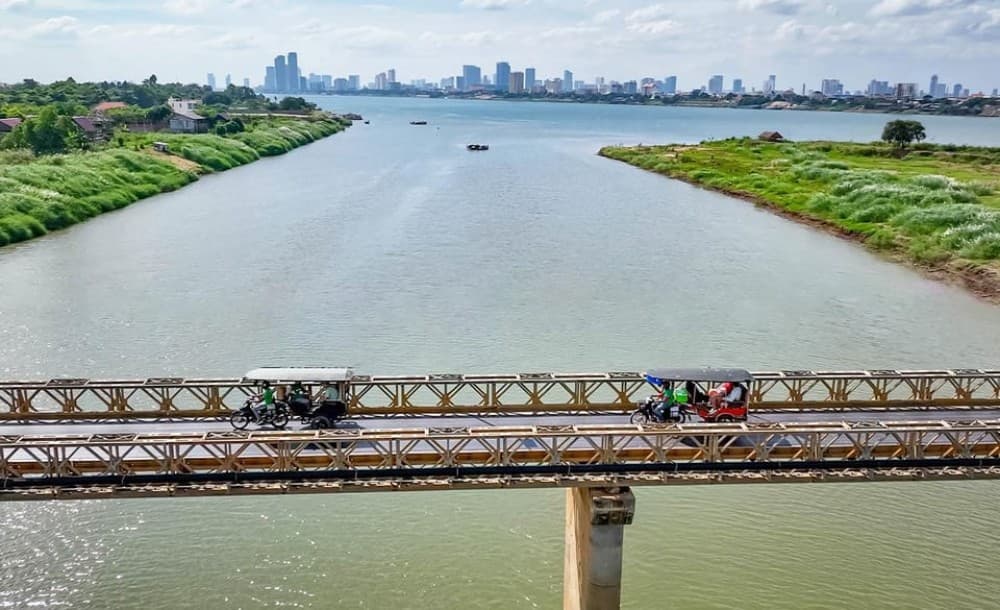
Your first day in Phnom Penh should focus on the places that help you understand Cambodia’s past. Start early with a visit to the Tuol Sleng Genocide Museum (S-21). This former school turned prison is now a museum that tells the story of the Khmer Rouge regime. Walking through its rooms, you’ll see haunting photos and read testimonies that explain how thousands of people were imprisoned and tortured here. It’s a heavy experience, but one that gives deep insight into Cambodia’s history. After that, take a short ride to Choeung Ek, the Killing Fields. It’s not far from the city center, and a respectful walk around the memorial stupa—a tall glass tower filled with skulls—helps you reflect on what happened during those dark years. Many visitors choose an audio guide here to better appreciate the stories behind each area. In the afternoon, slow the pace down by heading back into town to explore , the riverside promenade along the Tonlé Sap River. Locals and visitors stroll here at all hours, and it’s a good place to have lunch or coffee with a view of the river. There are plenty of restaurants and cafes where you can rest, recharge, and watch life flow by on the water. As the sun begins to set, consider a sunset cruise along the Mekong and Tonlé Sap rivers. This is one of the most relaxing ways to appreciate Phnom Penh’s landscape as the glowing sky reflects on the water and the city lights begin to twinkle.
Day 2: Royal Splendor and Local Life
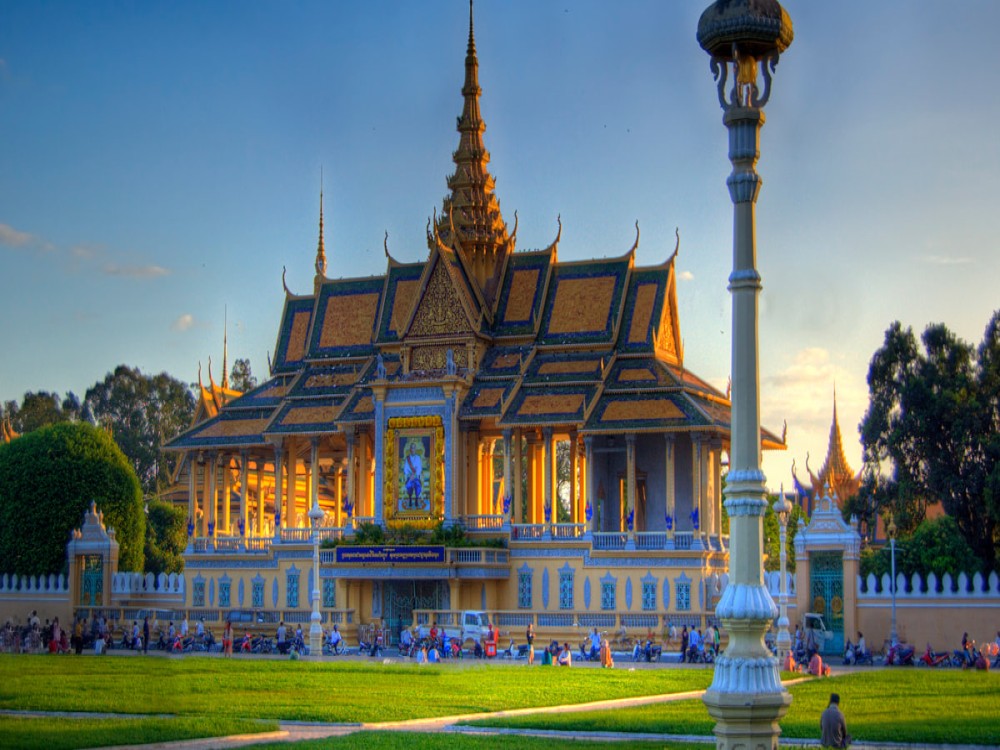
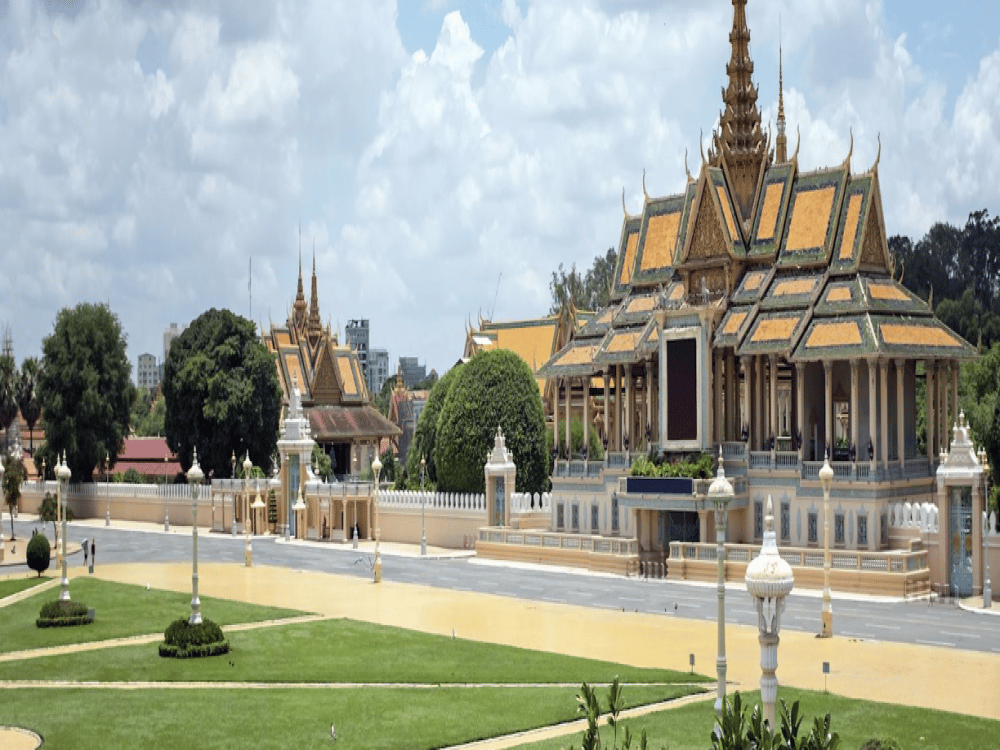
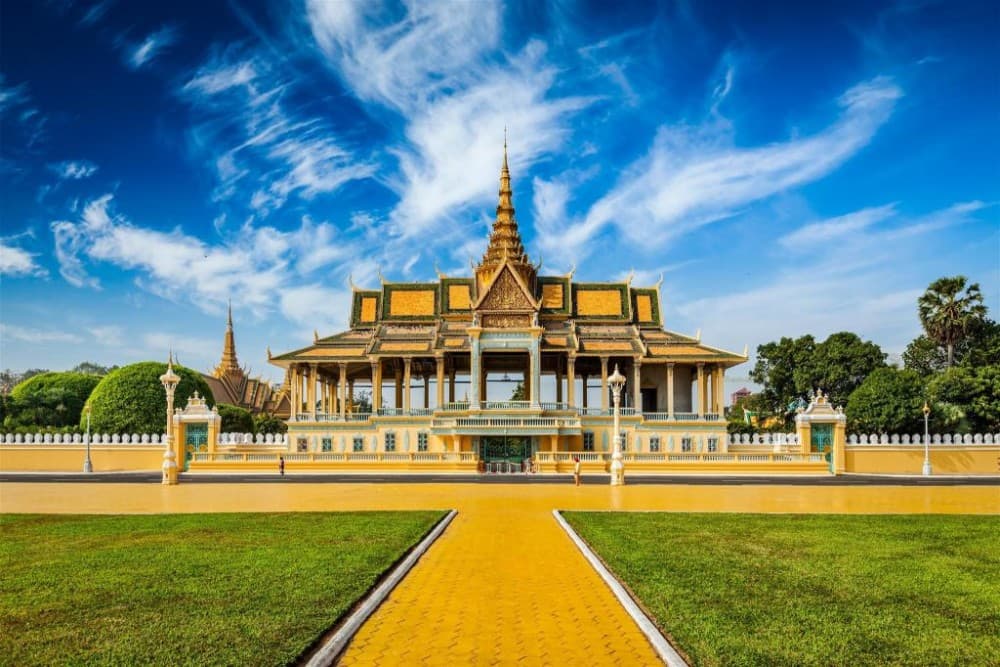
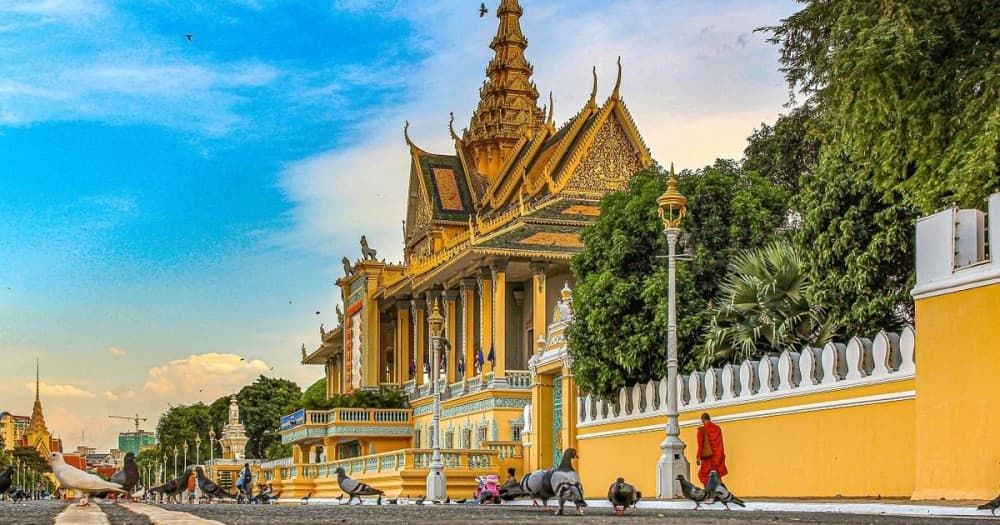
Start your second day with a visit to the Royal Palace and the Silver Pagoda. The palace complex is one of Phnom Penh’s most beautiful sites, with classic Khmer royal architecture, manicured gardens, and the jewel-filled Silver Pagoda. Inside the pagoda, you’ll find important Buddhist artifacts and lots of intricate decoration that showcases Cambodia’s cultural heritage. Right next to the palace area is the National Museum of Cambodia, where you can take time to learn more about the ancient history of the Khmer Empire. Its collection includes stunning stone sculptures, carvings, and artifacts from across the country.
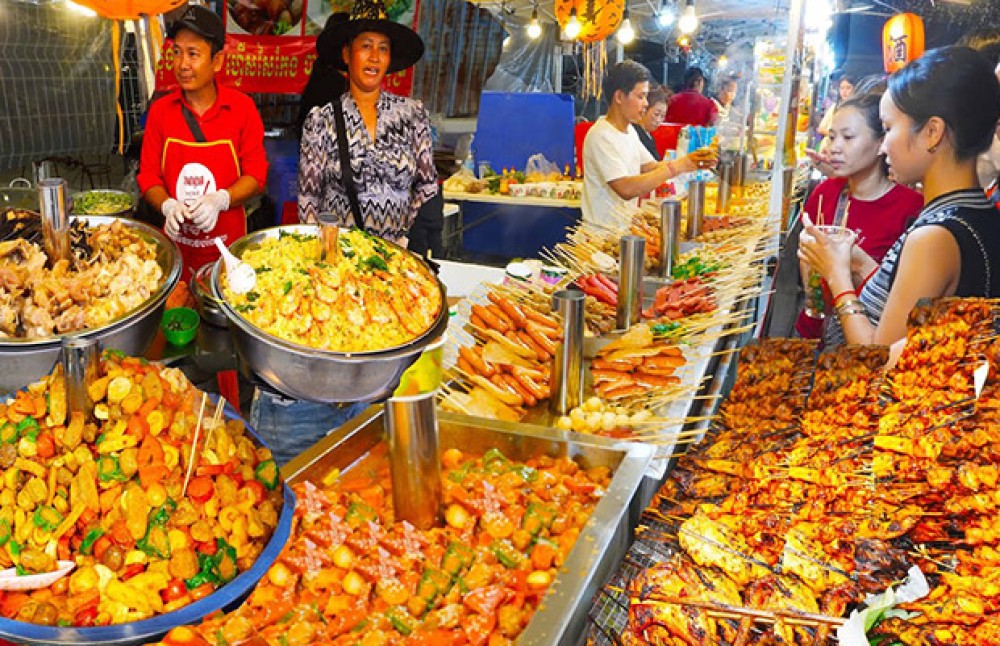
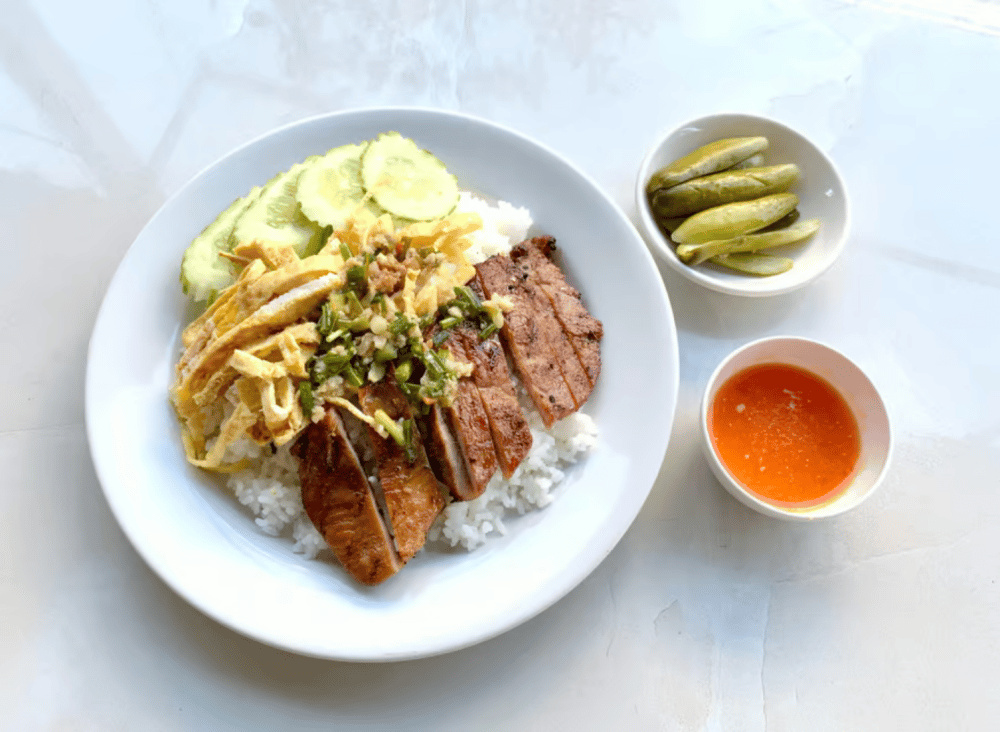
Lunch today should be about trying local flavors. Phnom Penh has great Khmer cuisine, from street food stalls to restaurants. Don’t miss local specialties like Fish Amok (a fragrant steamed curry dish) or a bowl of kuy teav (rice noodle soup), both staples of Cambodian comfort food.
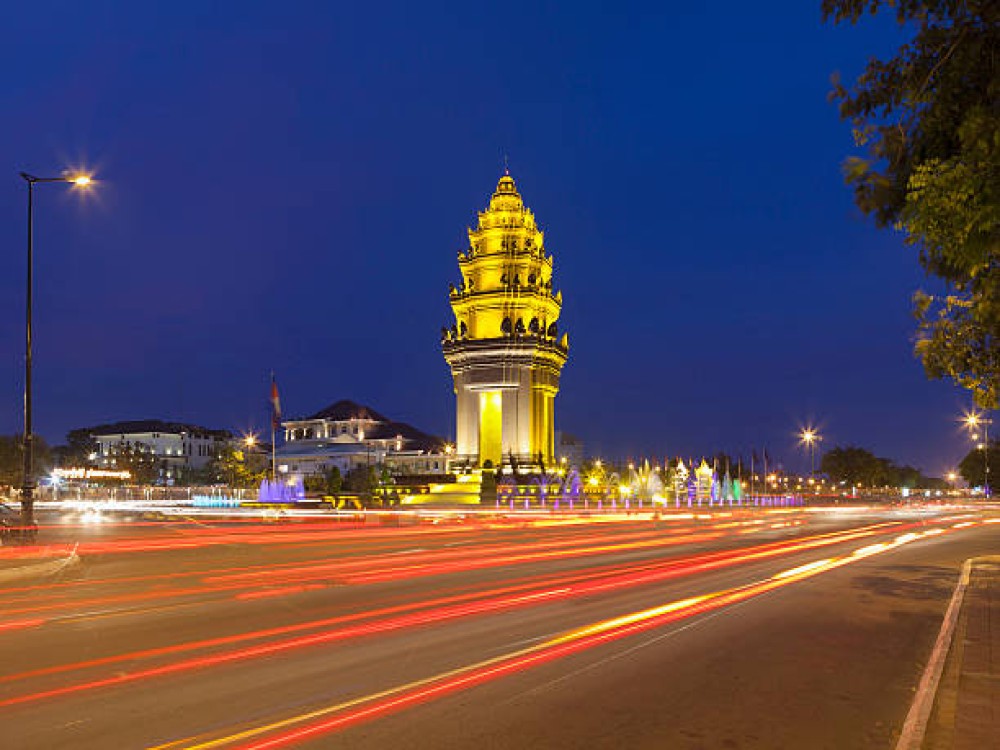
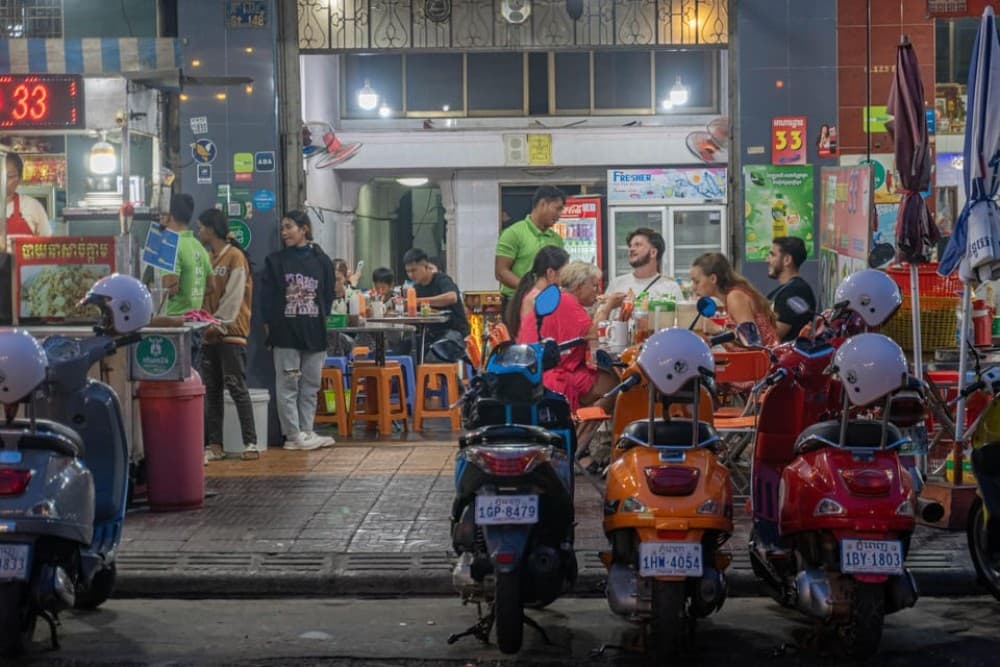
In the afternoon, explore the Russian Market (Psar Toul Tom Poung). This lively bazaar is full of shops selling handicrafts, textiles, jewelry, and souvenirs. It’s a great place to practice your bargaining skills, try snacks from street vendors, and soak up local daily life. In the evening, take a walk along Norodom Boulevard and enjoy the city’s vibe as lights come on and motorbikes zoom by. Near the boulevard stands the Independence Monument, a striking landmark dedicated to Cambodia’s independence from France. It’s especially beautiful at night when it’s lit up.
Day 3: Temples, Culture, Markets, and Modern Phnom Penh
Begin your third day with something more tranquil: visit Wat Langka, one of Phnom Penh’s ancient temples. It’s less touristy but full of spiritual atmosphere, with monks often chanting and locals paying their respects. After the temple, make your way to Sorya Shopping Center if you’re in the mood for something modern. It’s one of Phnom Penh’s first big malls, with shops, clothes, souvenirs, and places to grab a casual bite or coffee.
For lunch, try some Cambodian specialties you haven’t had yet—or head back to favorite street stalls from earlier in your trip. Food in Phnom Penh is diverse and affordable, with flavors that reflect the country’s blend of influences.
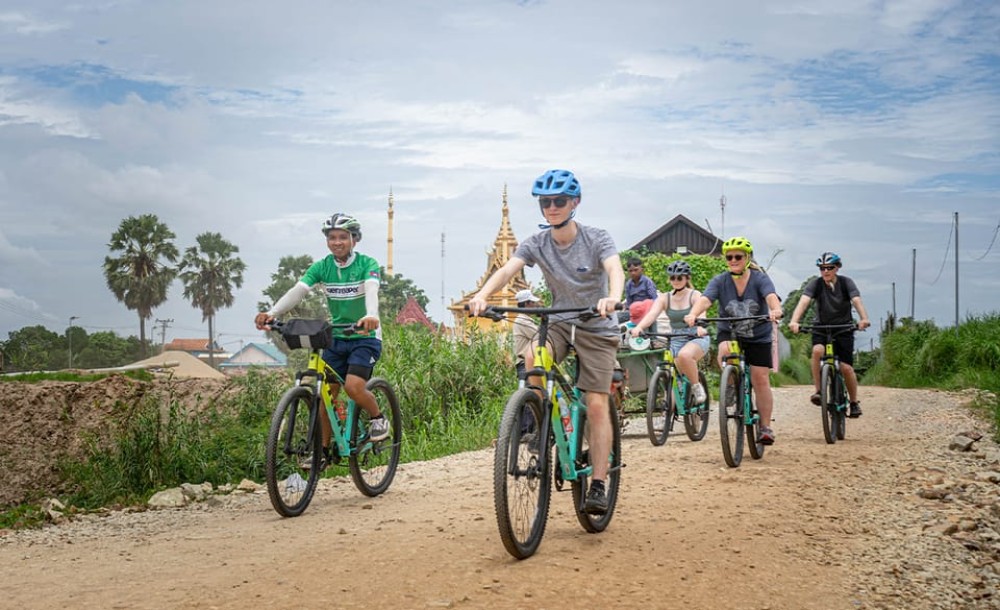
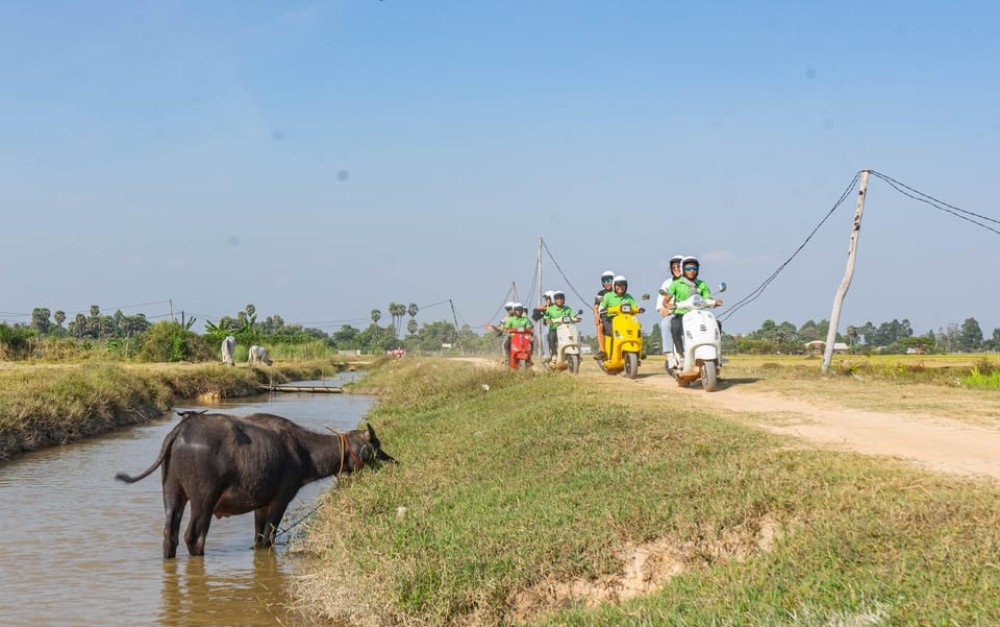
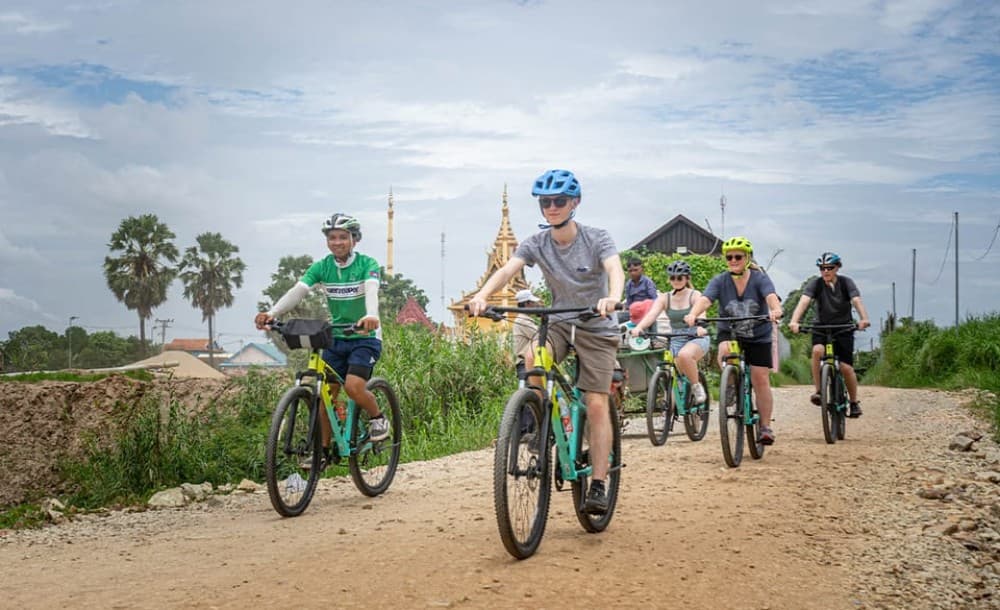
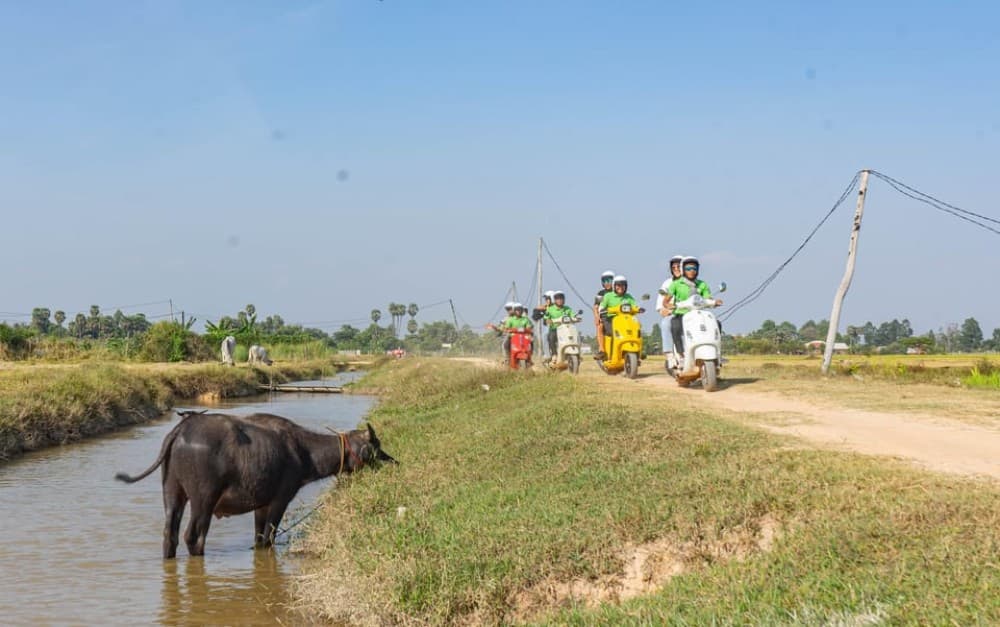
In the afternoon, you could explore hidden corners of the city: local art galleries, small cafes, or even cycle out to Mekong river islands for a quieter slice of life outside the buzzing city core. Some travelers like to rent bicycles or take a guided small-group tour to see villages and rice paddies just beyond Phnom Penh. As your trip wraps up, return once more to the riverside at Sisowath Quay for a final drink or dinner with a view. Phnom Penh really comes alive at night with street food culture, live music, and gentle river breezes. There are also popular areas like Bassac Lane if you want to try nightlife with bars and boutique restaurants.
Final Tips Before You Go
Phnom Penh is a city of contrasts—where history and resilience meet modern cafés and riverside bars. Three days give you a balanced mix of deep cultural sites, local markets, cuisine, and relaxing moments by the river. Cambodia uses the US dollar along with the local riel, and prices are generally affordable for food, transport, and entry fees. Always carry a bit of cash, wear comfortable shoes for walking, and take a respectful attitude at memorial and temple sites.