Lisbon is one of Europe’s most character-filled capitals, known for its relaxed atmosphere, rich history, and strong connection to the sea. Built across seven hills along the Tagus River, the city blends old traditions with modern creativity in a way that feels natural and welcoming. From iconic trams to soulful music and unforgettable viewpoints, Lisbon offers many things that make it stand out. Below are the key elements Lisbon is best known for, explained in a clear and easy-to-read way.
Historic Neighborhoods Full of Character
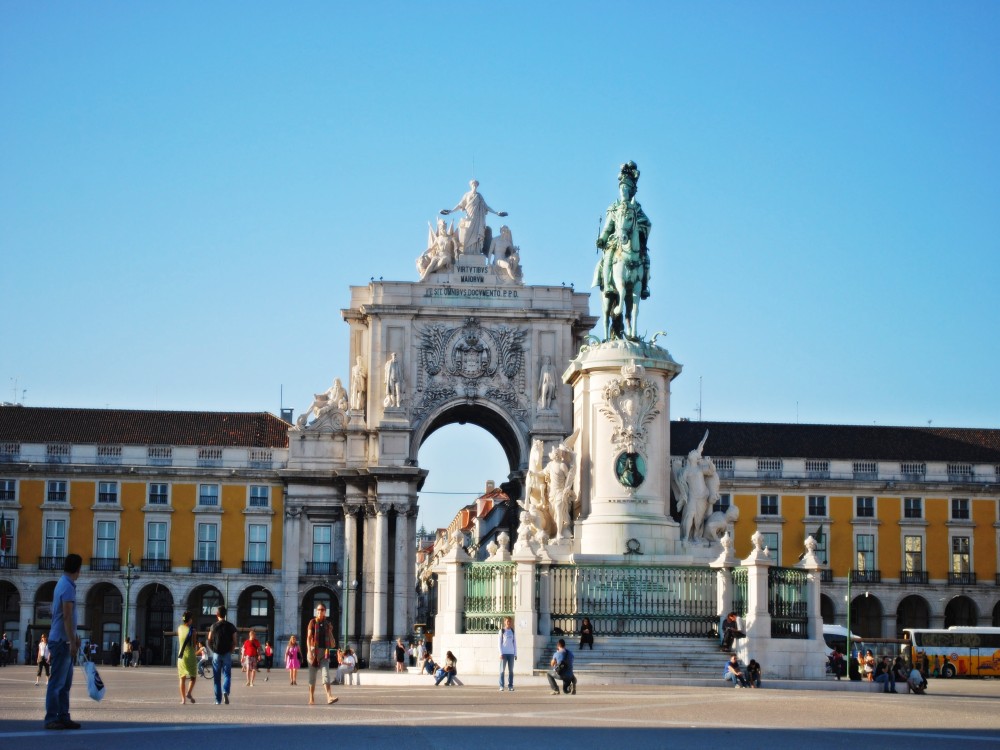
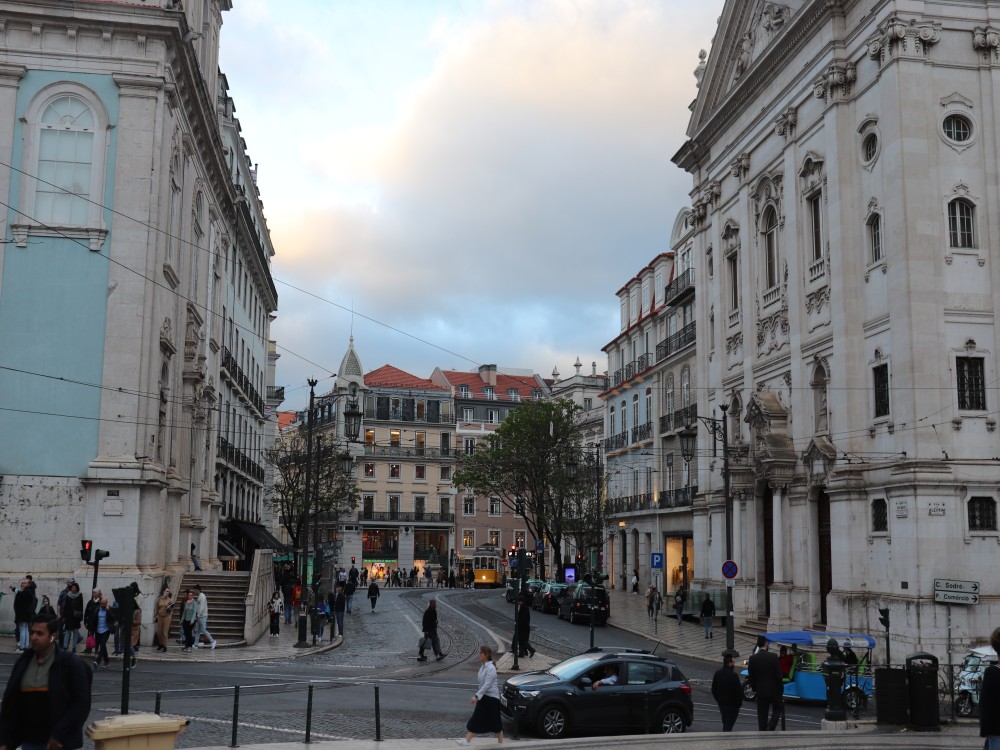
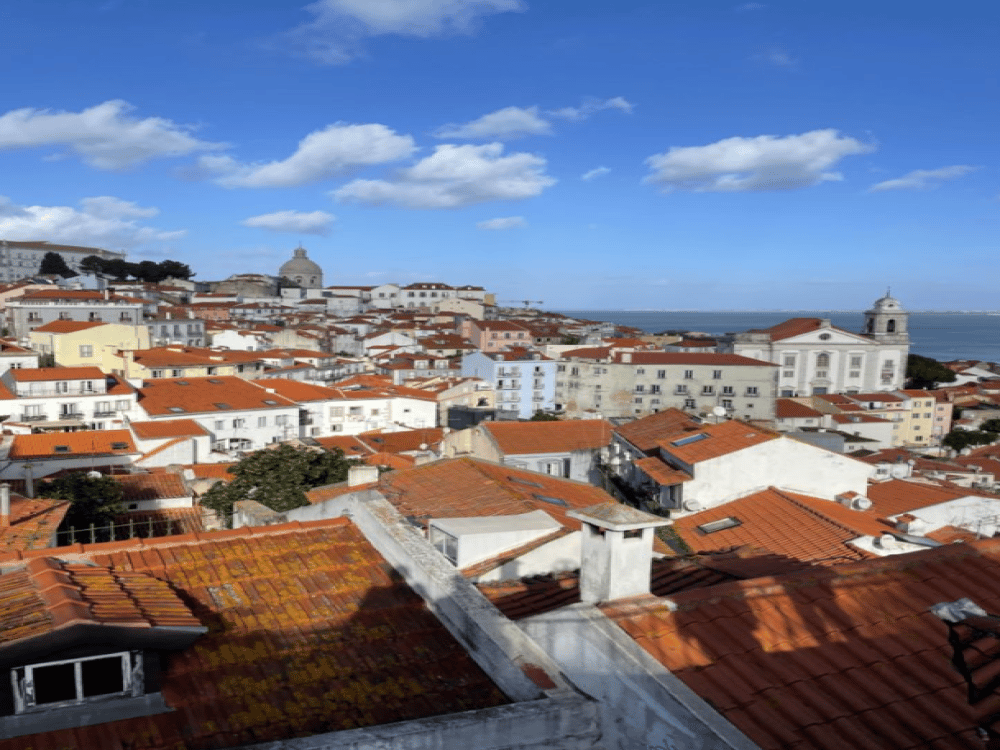
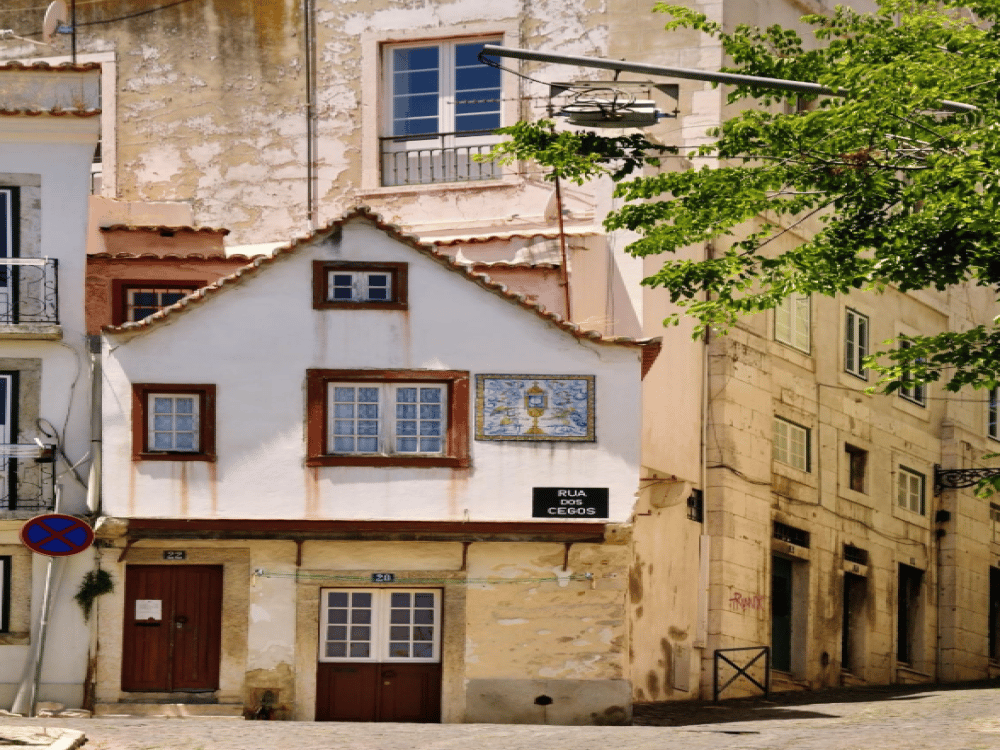
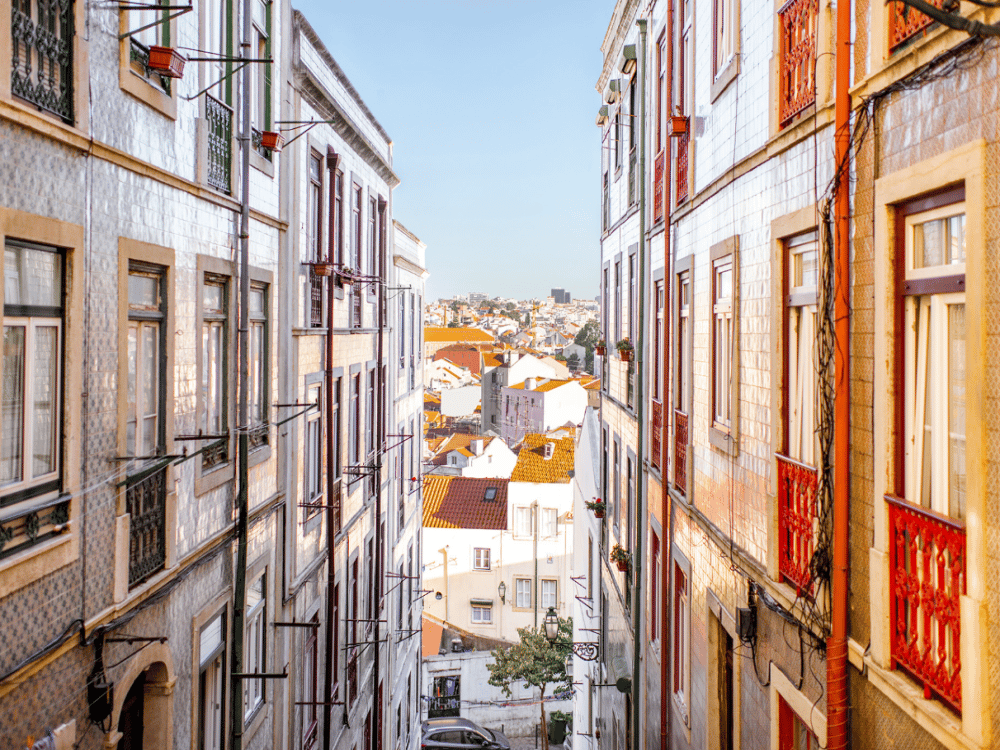
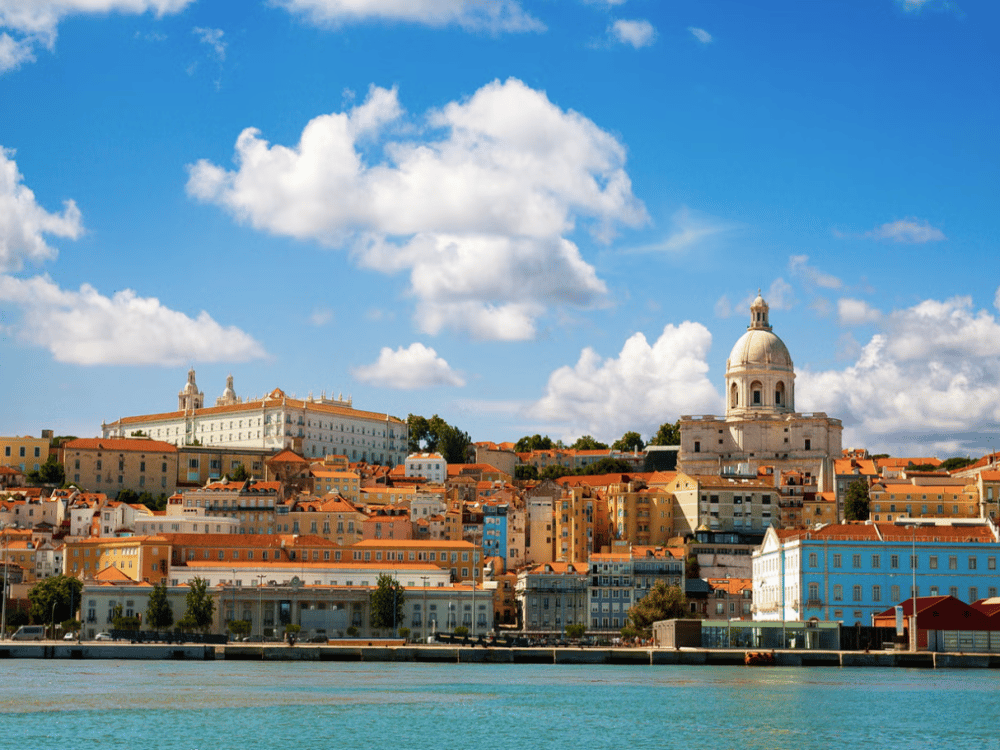
Lisbon is famous for its historic neighborhoods, each with its own identity. Alfama is the oldest area of the city, known for its narrow streets, tiled houses, and traditional feel. Walking through Alfama feels like stepping back in time, with small squares, local cafés, and laundry hanging from balconies. Bairro Alto is known for its nightlife and bohemian spirit, while during the day it remains calm and residential. Baixa, rebuilt after the 1755 earthquake, stands out for its grand squares, straight streets, and classical architecture. Together, these neighborhoods show Lisbon’s layered history and daily life.
Traditional Trams and Scenic Views
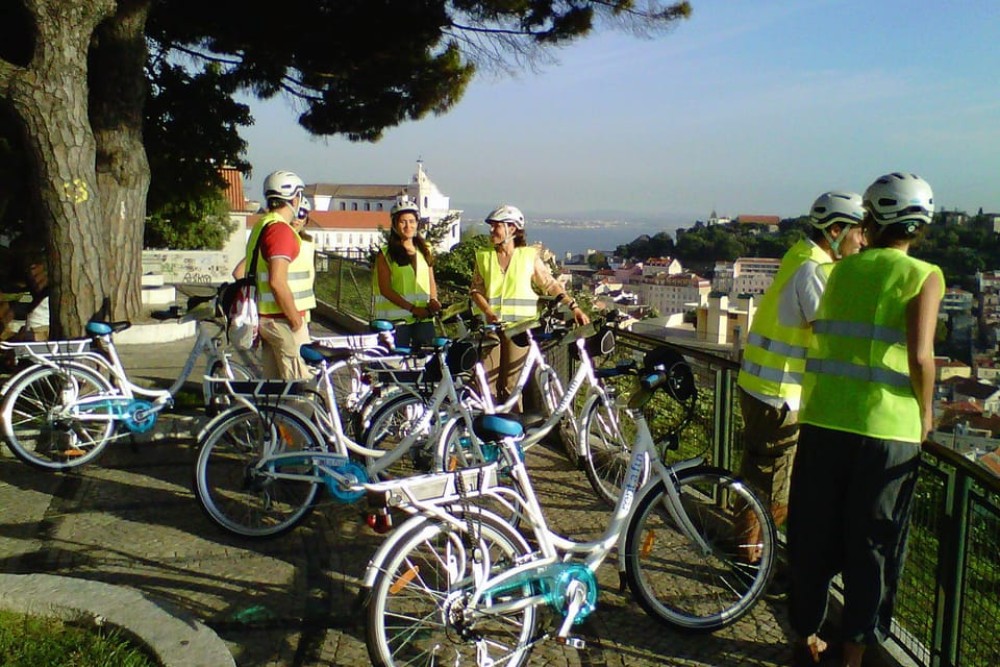
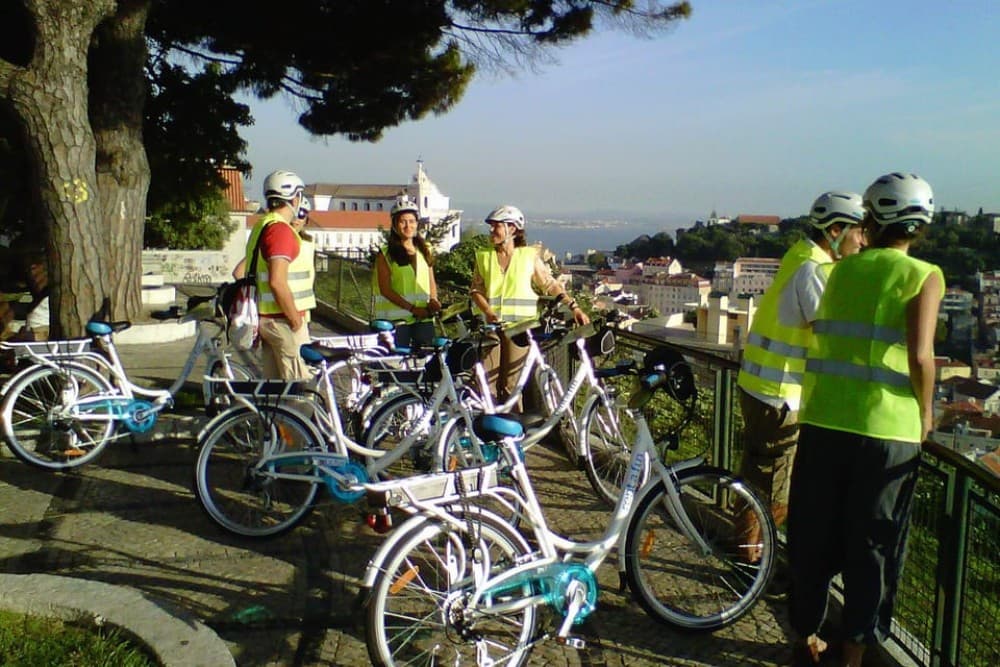
One of the most recognizable symbols of Lisbon is its yellow trams. Tram 28 is especially famous, as it travels through several historic districts and steep streets. These trams are not just transportation; they are part of the city’s identity and a practical way to navigate the hills. Lisbon is also known for its viewpoints, called “miradouros.” From places like Miradouro da Senhora do Monte or Miradouro de Santa Catarina, visitors can enjoy wide views of red rooftops, the river, and bridges. These viewpoints are perfect for sunsets and quiet moments.
Fado Music and Emotional Culture
Lisbon is the birthplace of fado, a traditional music style that expresses longing, love, and nostalgia. Often described as soulful and emotional, fado is usually performed by a singer accompanied by Portuguese guitars. Alfama and Bairro Alto are the main areas to experience authentic fado in small restaurants and music houses. This music is deeply tied to Lisbon’s identity and was recognized by UNESCO as Intangible Cultural Heritage. Even if you do not understand the language, the emotion behind fado is easy to feel.
Azulejos and Unique Architecture
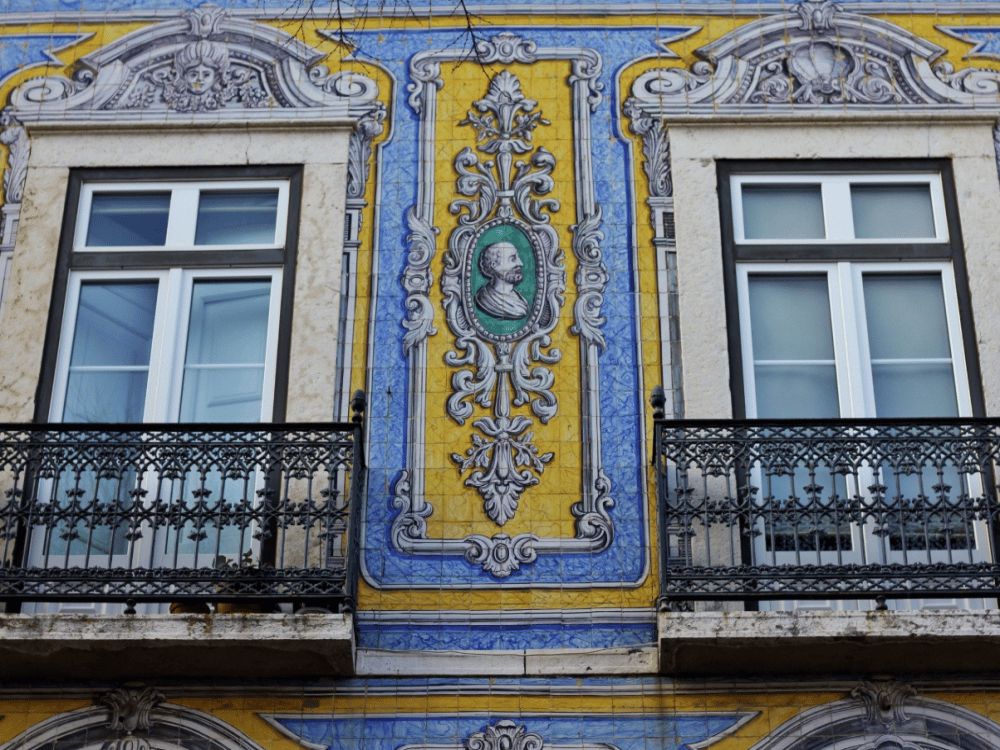
Lisbon is well known for azulejos, the decorative ceramic tiles that cover buildings, churches, and even metro stations. These tiles often feature blue and white patterns, historical scenes, or religious imagery. They are both artistic and practical, helping regulate building temperatures. The city’s architecture also reflects different periods, from medieval structures to Manueline style monuments like the Jerónimos Monastery. This mix of styles gives Lisbon a distinct visual charm that is hard to find elsewhere.
Strong Maritime History
Lisbon’s history is closely connected to the sea. During the Age of Discoveries in the 15th and 16th centuries, Portuguese explorers set sail from Lisbon to Africa, Asia, and the Americas. The Belém district is especially known for this legacy, with landmarks such as the Belém Tower and the Monument to the Discoveries. These sites highlight Portugal’s role in global exploration and trade. Today, the Tagus River remains central to Lisbon’s identity, offering riverside walks, cruises, and views of the famous 25 de Abril Bridge.
Local Food and Sweet Treats
Lisbon is known for its simple yet flavorful cuisine. Seafood plays a major role, especially dishes made with codfish, known locally as bacalhau. Grilled sardines are another symbol of the city, particularly popular during summer festivals. Lisbon is also famous for pastéis de nata, small custard tarts with crispy pastry and creamy filling. The most famous version comes from Belém, where the recipe dates back to the 19th century. Food in Lisbon is generally affordable and deeply connected to tradition.
Relaxed Lifestyle and Friendly Atmosphere
One thing many visitors notice about Lisbon is its relaxed pace of life. Compared to other European capitals, the city feels less rushed and more laid-back. People take time to enjoy meals, conversations, and daily routines. Locals are generally friendly and helpful, especially toward visitors. Cafés, outdoor terraces, and small local shops create a social atmosphere that feels genuine rather than overly touristy.
A City That Balances Old and New
Lisbon is also known for how it balances tradition with modern life. Alongside historic streets, you will find contemporary art spaces, modern museums, and a growing creative scene. Areas like LX Factory show the city’s modern side, with design shops, restaurants, and cultural events set in former industrial spaces. This mix makes Lisbon appealing to a wide range of travelers, from history lovers to younger visitors looking for culture and creativity.
Final Thoughts
Lisbon is known for many things, but what truly defines the city is how all these elements come together. Its history, music, food, architecture, and lifestyle create an atmosphere that feels authentic and welcoming. Rather than relying on just one attraction, Lisbon leaves a lasting impression through everyday experiences, quiet moments, and simple beauty. That is what makes it memorable for so many travelers.