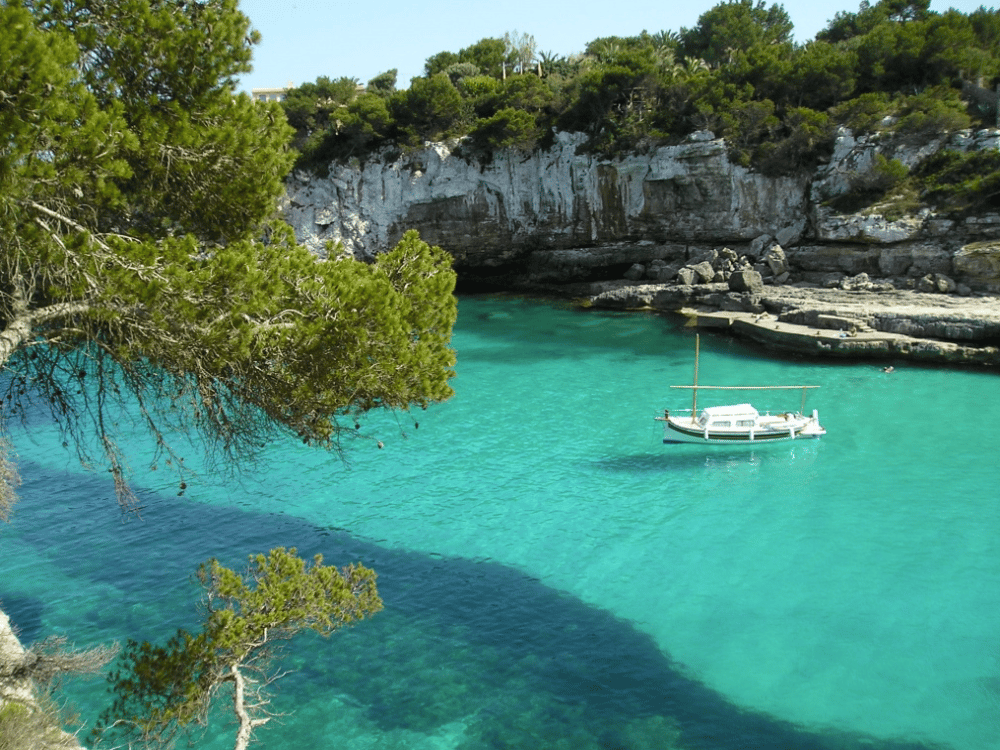
Mallorca, the largest of Spain’s Balearic Islands, is a Mediterranean paradise that attracts millions of visitors each year. With its stunning beaches, charming villages, and rich history, there’s no shortage of things to see and do. If you’re planning a trip, here’s a guide to what you absolutely shouldn’t miss.
Explore Palma de Mallorca
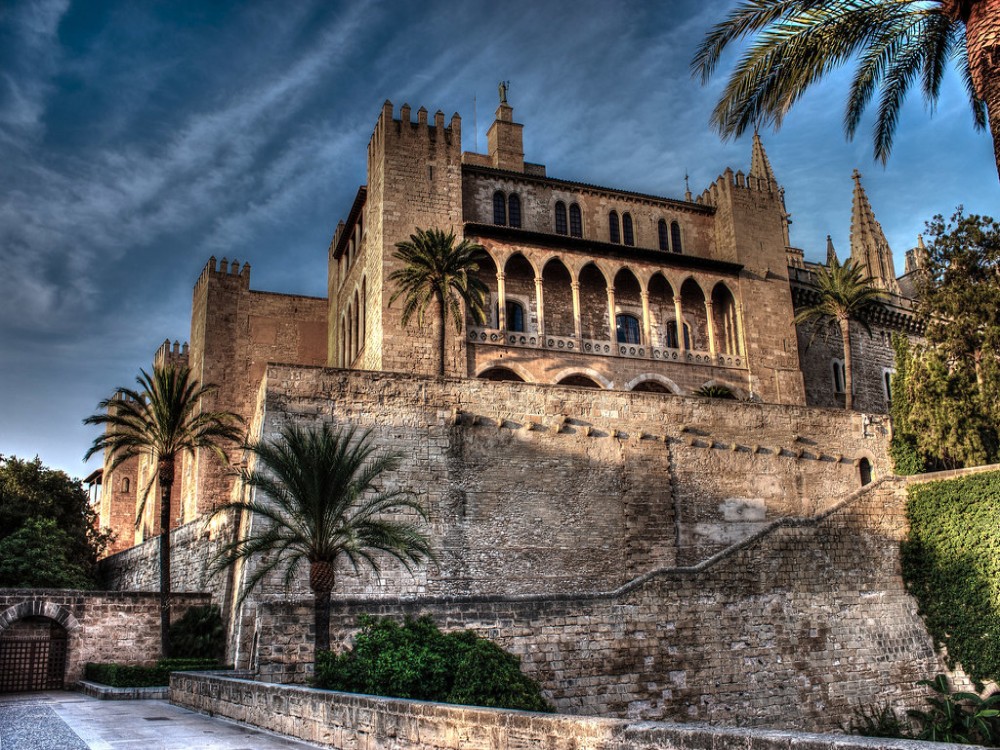
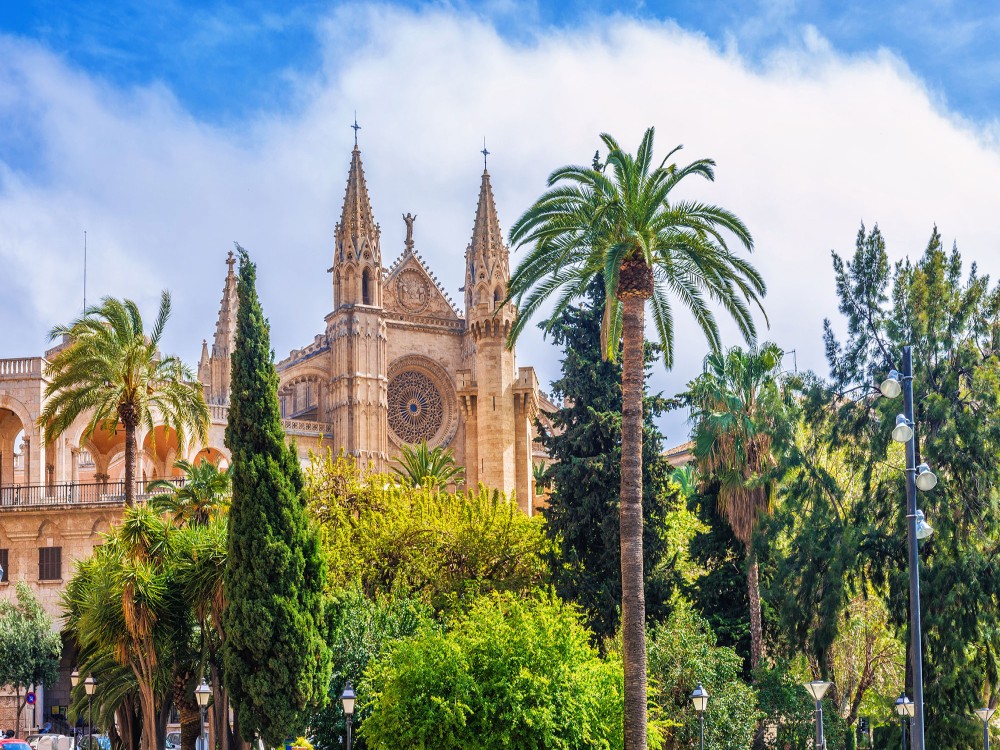
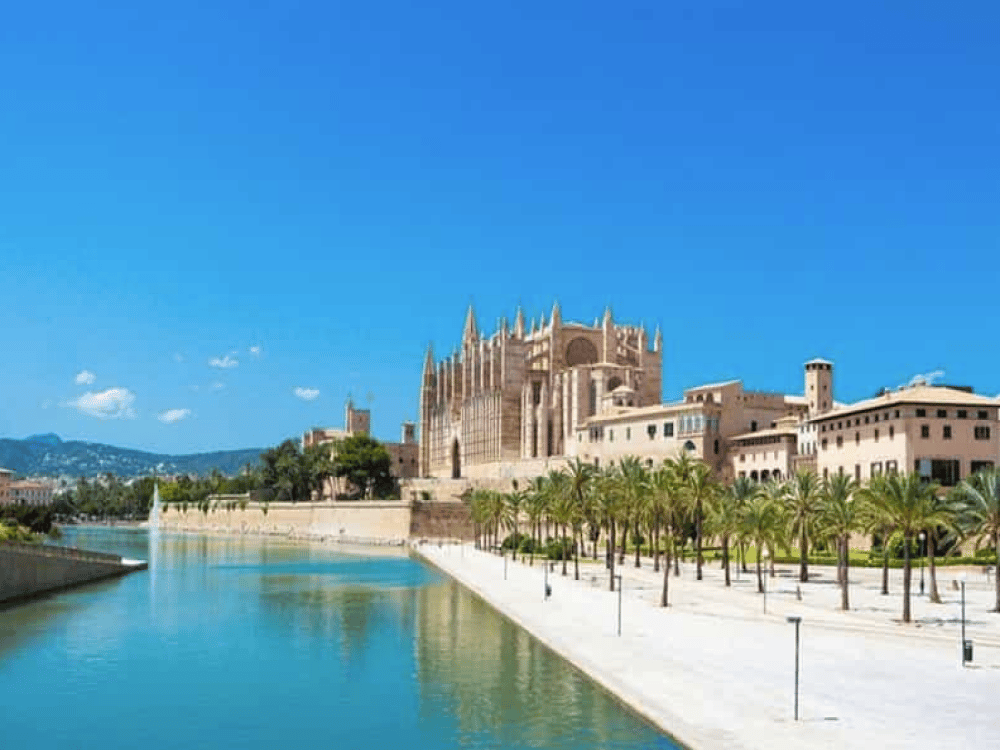
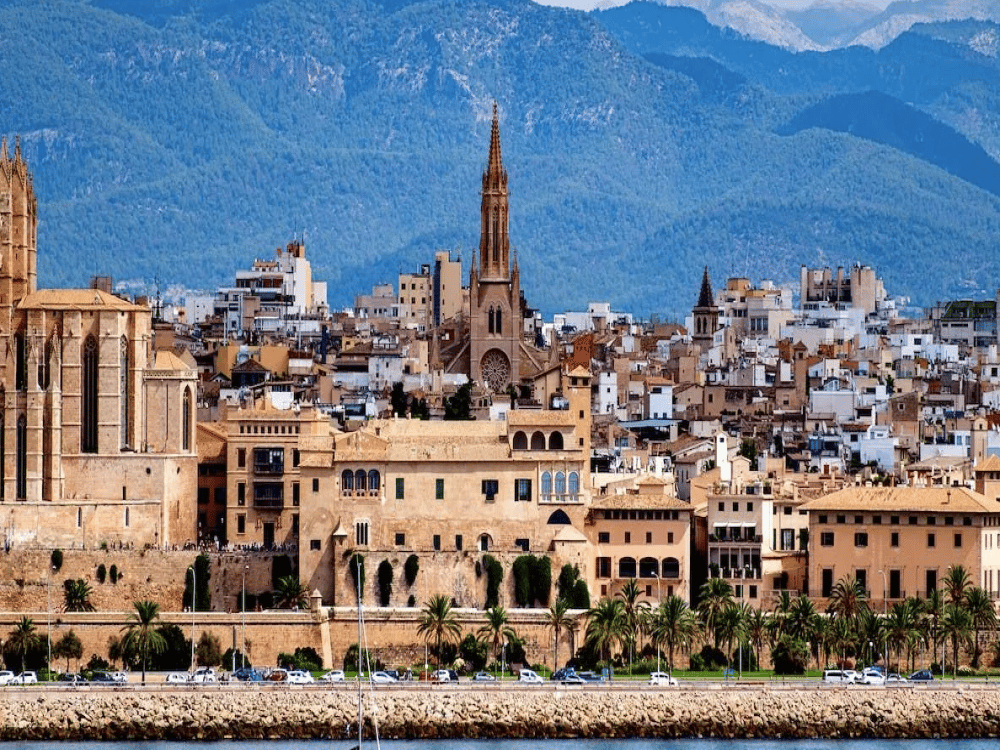
The island’s capital, Palma, is a vibrant city where history meets modern life. The first stop for most visitors is the magnificent Palma Cathedral, or La Seu, which towers over the city with its Gothic architecture and breathtaking views of the sea. Wander through the narrow streets of the Old Town to discover hidden squares, boutique shops, and local cafes. The Royal Palace of Almudaina, a historic fortress, is another must-see that offers insight into Mallorca’s royal past. In the evening, enjoy the lively atmosphere at the Passeig del Born, a tree-lined avenue perfect for dining or simply people-watching.
Discover the Serra de Tramuntana
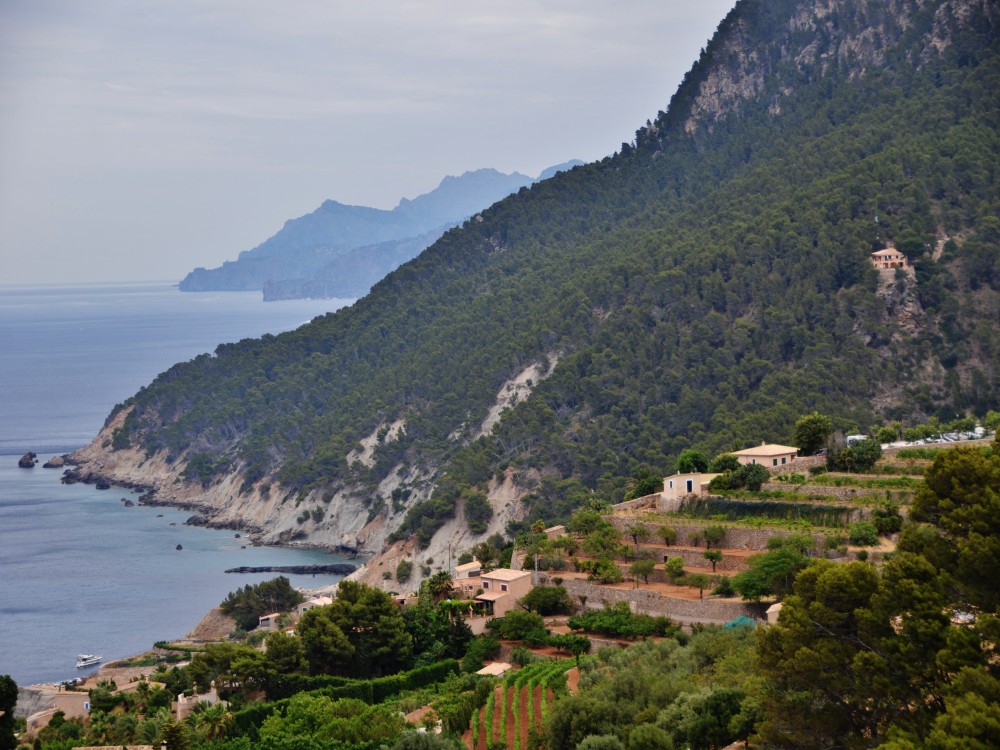
For nature lovers, the Serra de Tramuntana mountain range is a UNESCO World Heritage site and an absolute highlight. The rugged landscapes are perfect for hiking, cycling, or just scenic drives. Towns like Valldemossa and Deià are nestled in the mountains and offer stunning views along with charming streets lined with stone houses and local artisan shops. Valldemossa is famous for the 19th-century composer Chopin, who spent a winter in the village, and its beautiful monastery is worth a visit. The Tramuntana route also leads to Sa Calobra, a dramatic coastal area with winding roads and crystal-clear waters.
Relax on Mallorca’s Beaches
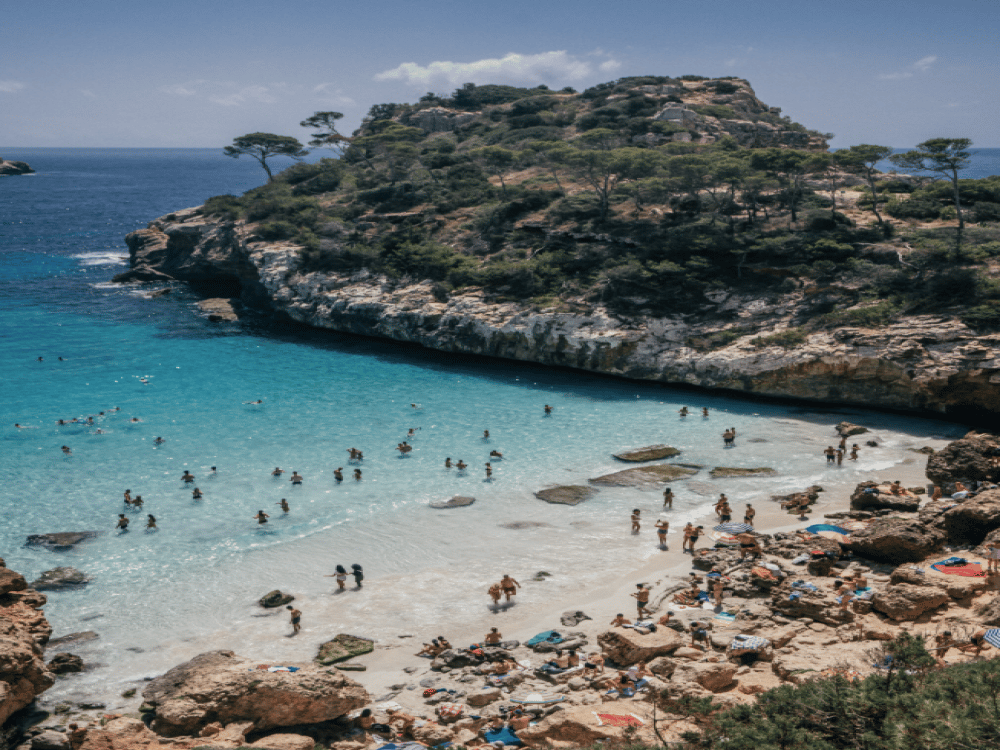
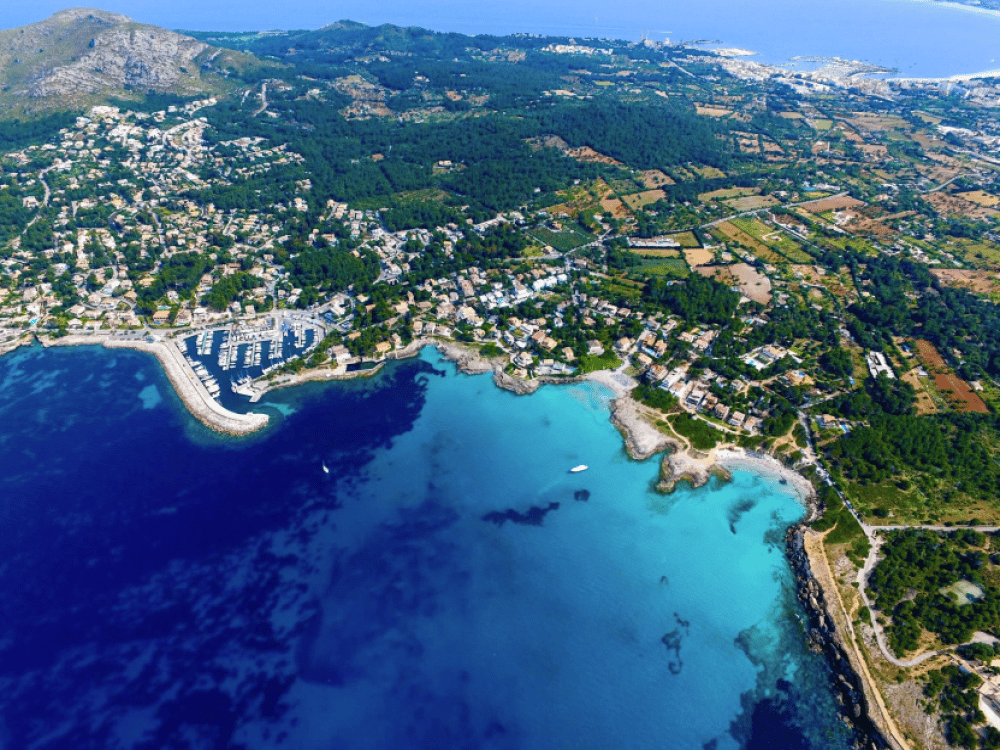
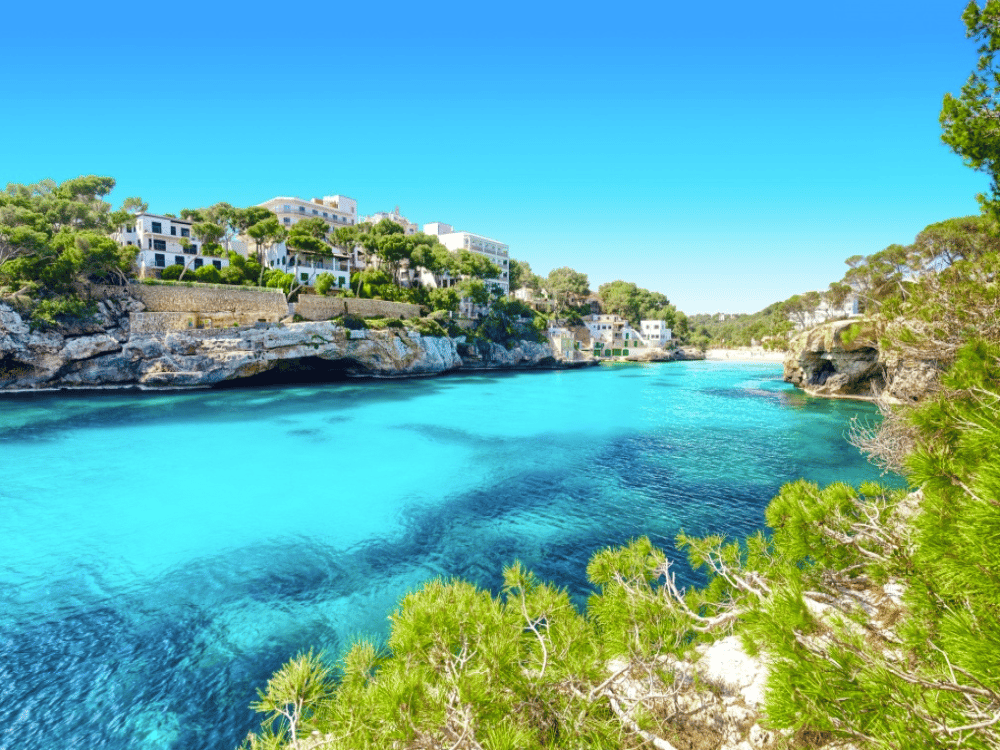
Mallorca’s beaches are diverse, offering something for every type of traveler. Playa de Muro, with its long stretches of white sand, is perfect for families, while Es Trenc, often called the Caribbean of Mallorca, impresses with its turquoise water and natural surroundings. If you prefer more secluded spots, Cala Varques and Cala Mondragó are hidden gems where you can enjoy the sun without the crowds. Each beach has its own charm, from lively beach bars to quiet coves, making the coastline a must-explore part of the island.
Visit Charming Villages
Beyond the popular tourist spots, Mallorca is home to countless small villages that showcase authentic island life. Sóller, for instance, is famous for its old tram that connects the town to the Port of Sóller. The town itself is a blend of modernist architecture and traditional Mallorcan charm. In the east, Artà offers a quieter experience with its medieval streets and historic castle, while Pollença in the north boasts an impressive hilltop church and lively weekly markets. Exploring these villages is the perfect way to experience the local culture, cuisine, and slower pace of life.
Enjoy Mallorca’s Cuisine
No visit to Mallorca is complete without sampling the local food. Traditional dishes such as sobrassada, a soft cured sausage, and ensaimada, a sweet pastry, are staples of Mallorcan cuisine. Seafood lovers will enjoy fresh fish at coastal restaurants, while local markets like Mercat de l’Olivar in Palma offer everything from fresh produce to gourmet treats. Dining in Mallorca is not just about eating—it’s an experience, often accompanied by beautiful views, local wine, and a relaxed Mediterranean atmosphere.
Explore Caves and Natural Wonders
Mallorca is also famous for its natural underground wonders. The Cuevas del Drach, located near Porto Cristo, are home to one of the largest underground lakes in the world. Visitors can enjoy a guided tour that ends with a short classical music concert inside the cave—an unforgettable experience. Another fascinating site is the Cuevas de Artà, which features dramatic stalactites and stalagmites in a less crowded setting. These natural wonders offer a different side of Mallorca, showcasing its geological richness and awe-inspiring landscapes.
Experience Festivals and Local Culture
Finally, timing your visit with one of Mallorca’s traditional festivals can make your trip even more memorable. The island celebrates events such as Sant Joan in June, with bonfires and music, or the Festa de la Beata in September, featuring processions and cultural performances. These festivals provide a deeper connection to local traditions, music, and customs, allowing travelers to experience Mallorca beyond its beaches and scenic views.

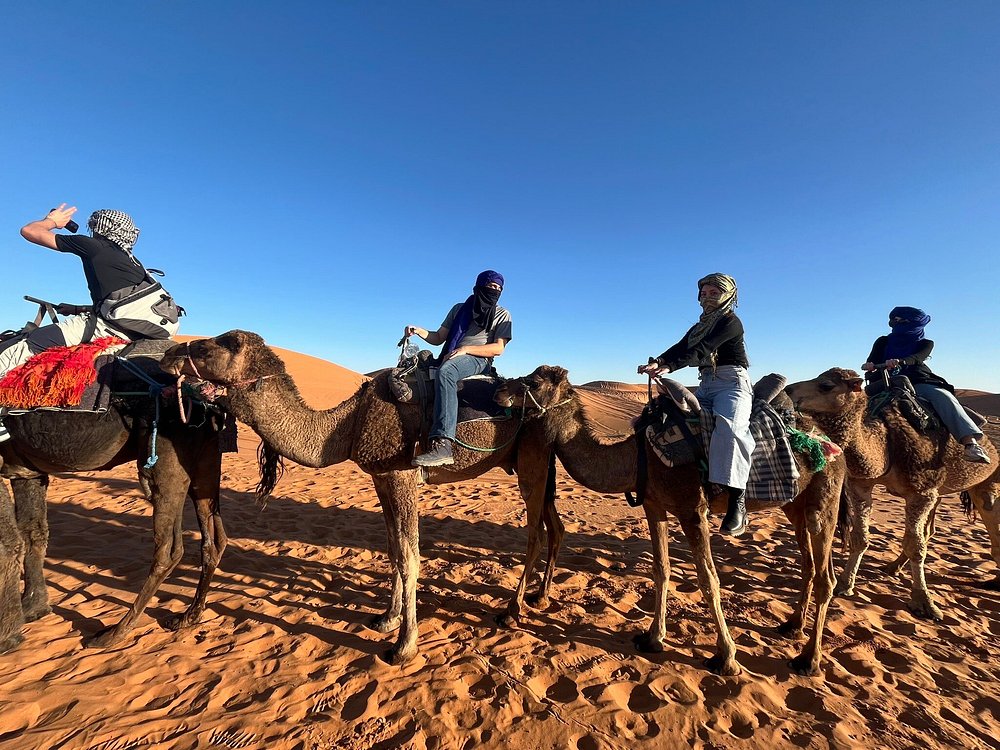 3 Days Desert Tour From Marrakech To Merzouga Dunes & Camel Trek
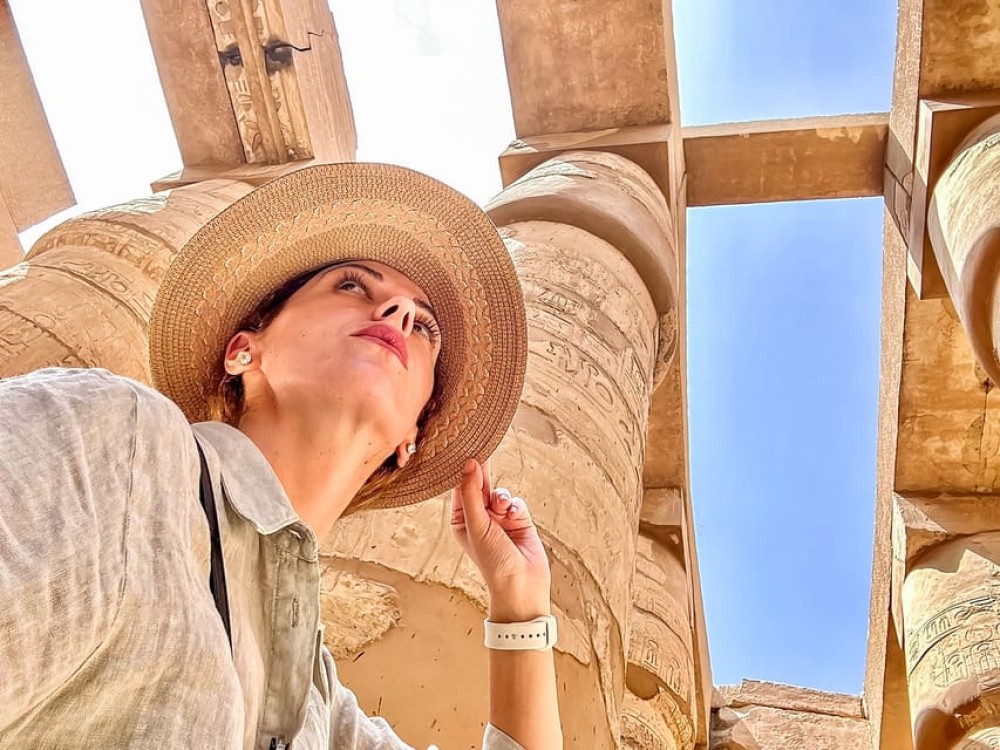 Hurghada: Luxor Valley of the Kings & Tutankhamun Tomb Trip
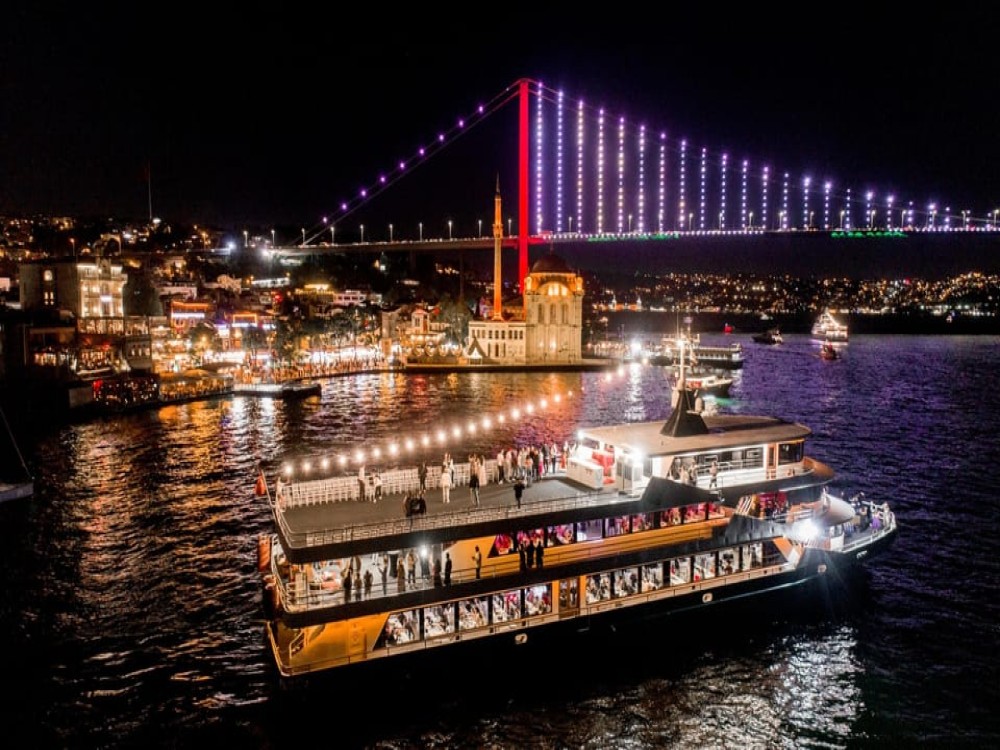 Istanbul: Bosphorus Dinner Cruise with Turkish Night Show