Introduction to Manavgat’s Climate
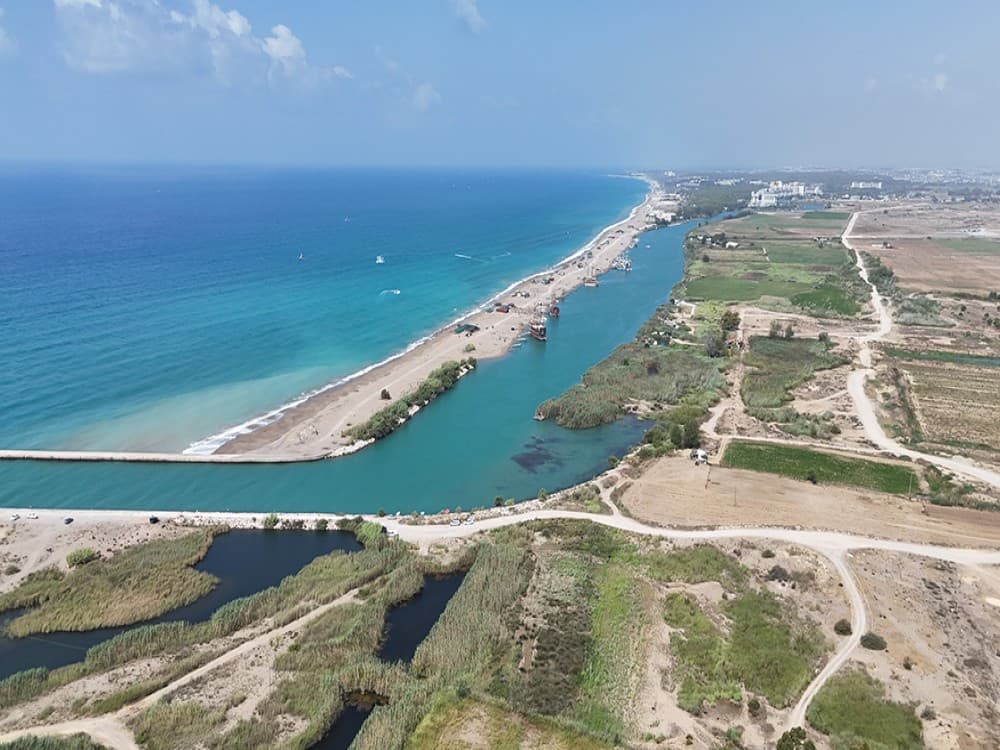
Manavgat is located on Turkey’s Mediterranean coast in Antalya Province and is known for its warm weather, long summers, and mild winters. The region enjoys a typical Mediterranean climate, which makes it an attractive destination for visitors throughout most of the year. Understanding the climate in Manavgat is helpful for travelers planning holidays, outdoor activities, or even longer stays, as weather conditions strongly shape daily life and tourism in the area.
General Characteristics of the Mediterranean Climate
The climate in Manavgat follows the classic Mediterranean pattern: hot, dry summers and mild, wetter winters. Sunshine is abundant for most of the year, especially from late spring to early autumn. Rainfall is concentrated mainly in winter months, while summer sees very little rain. This predictable weather pattern is one of the reasons why Manavgat has developed into a popular destination for beach tourism, nature excursions, and historical sightseeing.
Summer Weather in Manavgat
Summers in Manavgat are long, hot, and dry. The summer season usually begins in late May and lasts until early October. During this period, daytime temperatures commonly range between 30 and 35 degrees Celsius, with occasional heatwaves pushing temperatures even higher. Humidity can be noticeable, especially closer to the coast and along the river, but sea breezes often provide some relief in the afternoons and evenings.
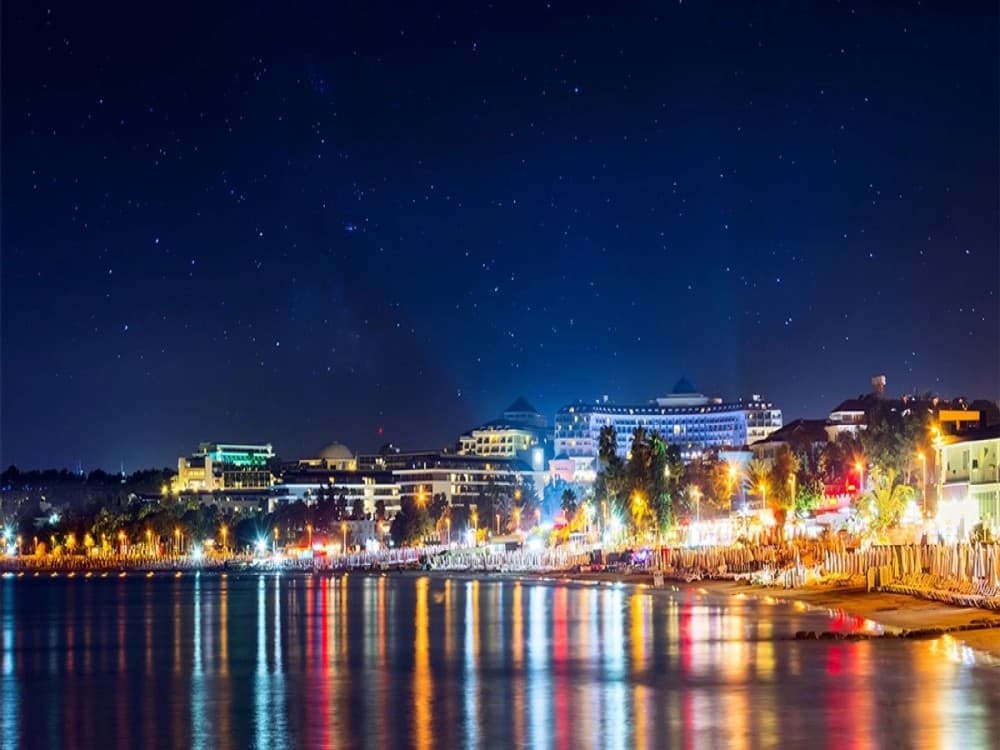
Rainfall in summer is very rare, and many weeks pass without a single rainy day. This creates ideal conditions for beach activities, boat tours, and exploring nearby ancient sites such as Side. Nights remain warm, with temperatures rarely dropping below 20 degrees Celsius, making outdoor dining and evening walks comfortable and popular.
Autumn Climate and Seasonal Transition
Autumn in Manavgat is considered one of the most pleasant times of the year. From October through November, temperatures gradually cool while the sea remains warm from the summer heat. Daytime temperatures typically range between 22 and 28 degrees Celsius, offering comfortable conditions for sightseeing and outdoor adventures.
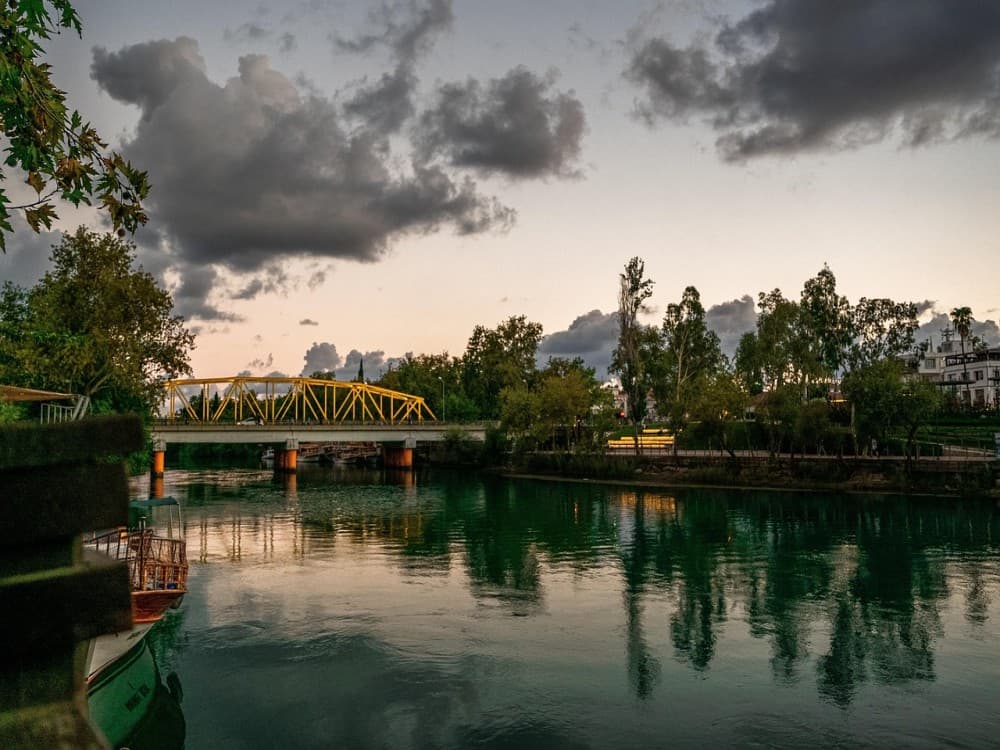
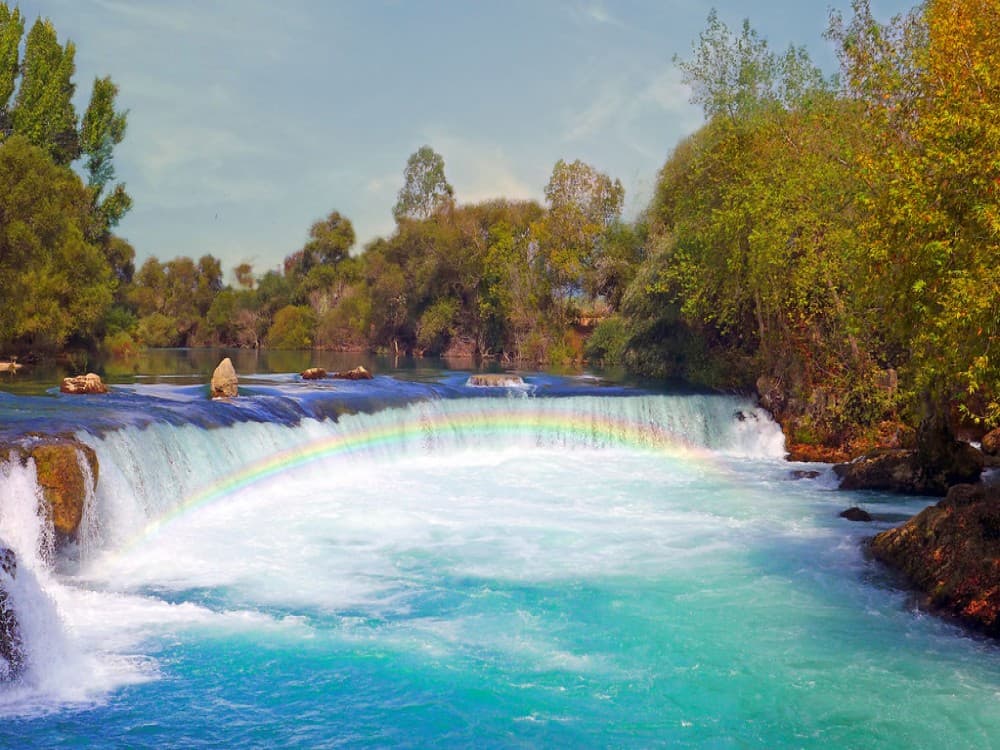
Rainfall begins to increase slightly in autumn, but it is usually light and intermittent. The landscape becomes greener, especially around the Manavgat River and surrounding countryside. This season is ideal for travelers who prefer fewer crowds and milder weather while still enjoying the natural beauty of the region.
Winter Conditions in Manavgat
Winters in Manavgat are mild compared to many other parts of Turkey and Europe. The winter season generally runs from December to February. Daytime temperatures usually range from 10 to 16 degrees Celsius, while nighttime temperatures can drop to around 5 to 8 degrees Celsius. Frost is rare, and snowfall is extremely uncommon at sea level.
Most of the region’s annual rainfall occurs during winter. Rainy days are more frequent, and occasional storms can bring heavier downpours. Despite this, there are still many sunny or partly cloudy days throughout the winter months. The mild winter climate allows for year-round living and makes Manavgat appealing to visitors who want to escape colder northern climates.
Spring Weather and Natural Renewal
Spring is another beautiful season in Manavgat and typically lasts from March to May. Temperatures gradually rise, starting around 15 degrees Celsius in early spring and reaching the mid-20s by late May. Rainfall decreases as the season progresses, and days become increasingly sunny.
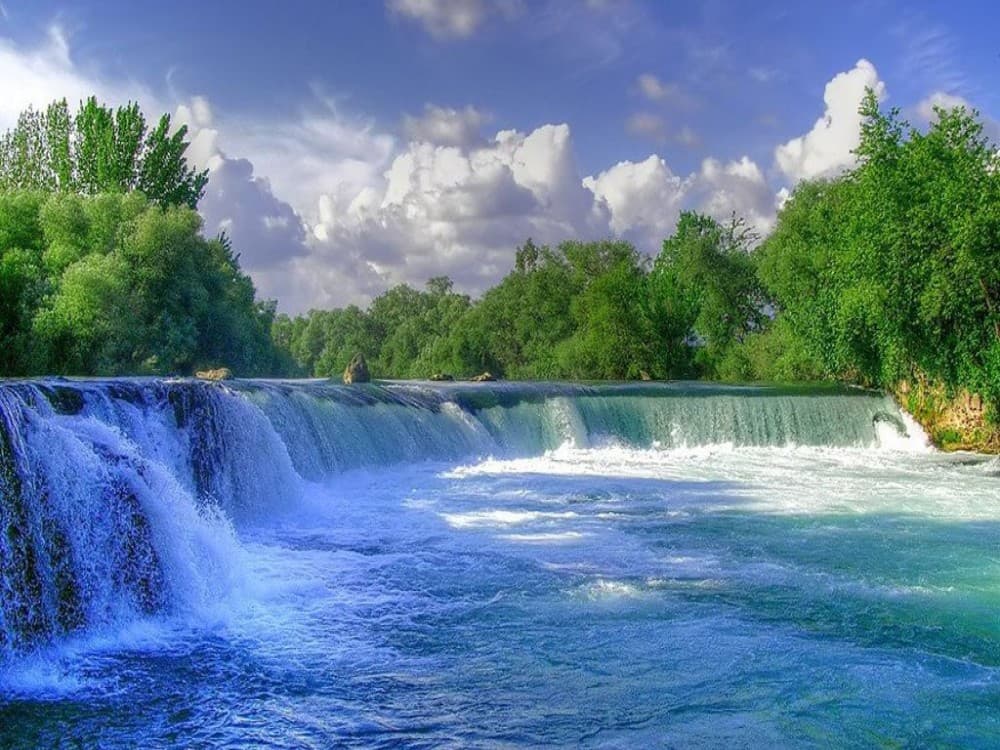
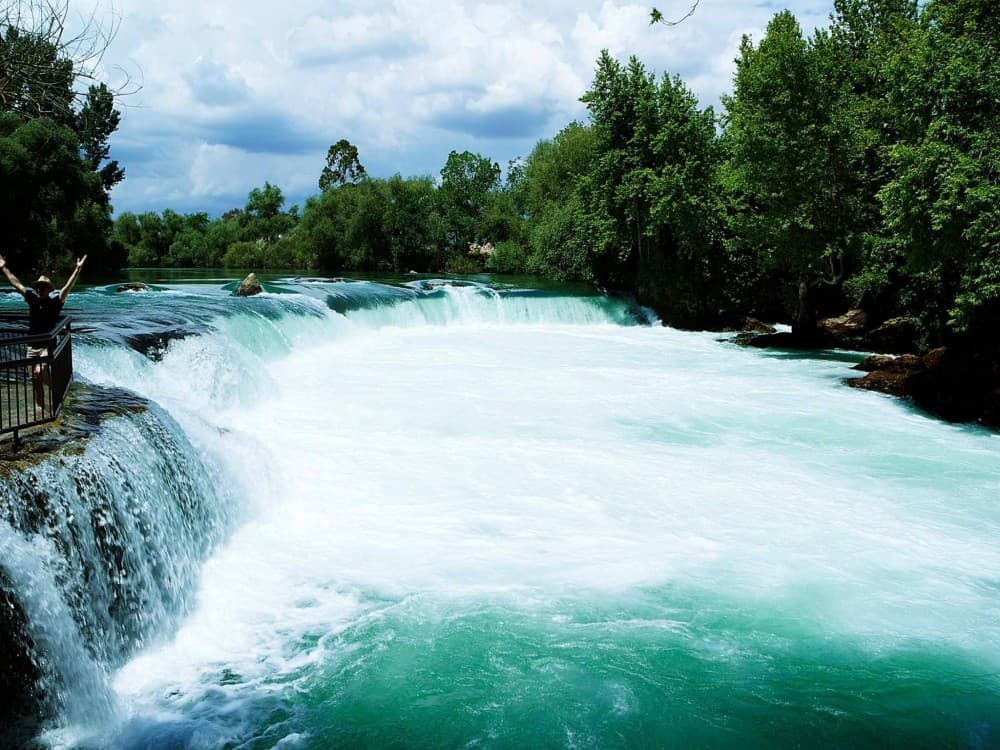
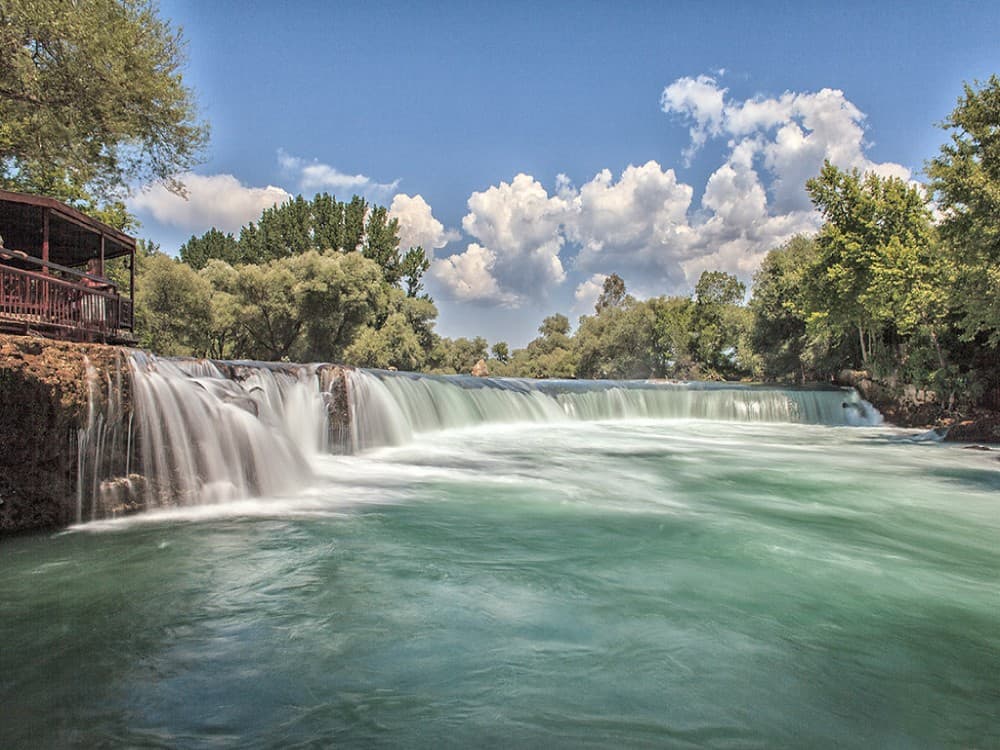
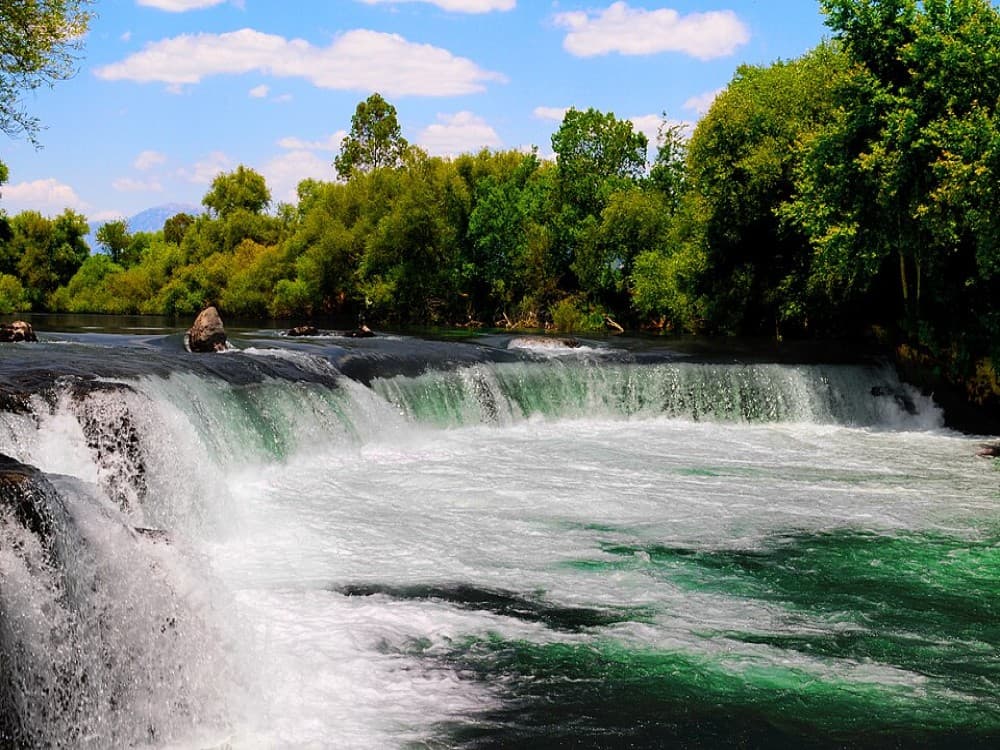
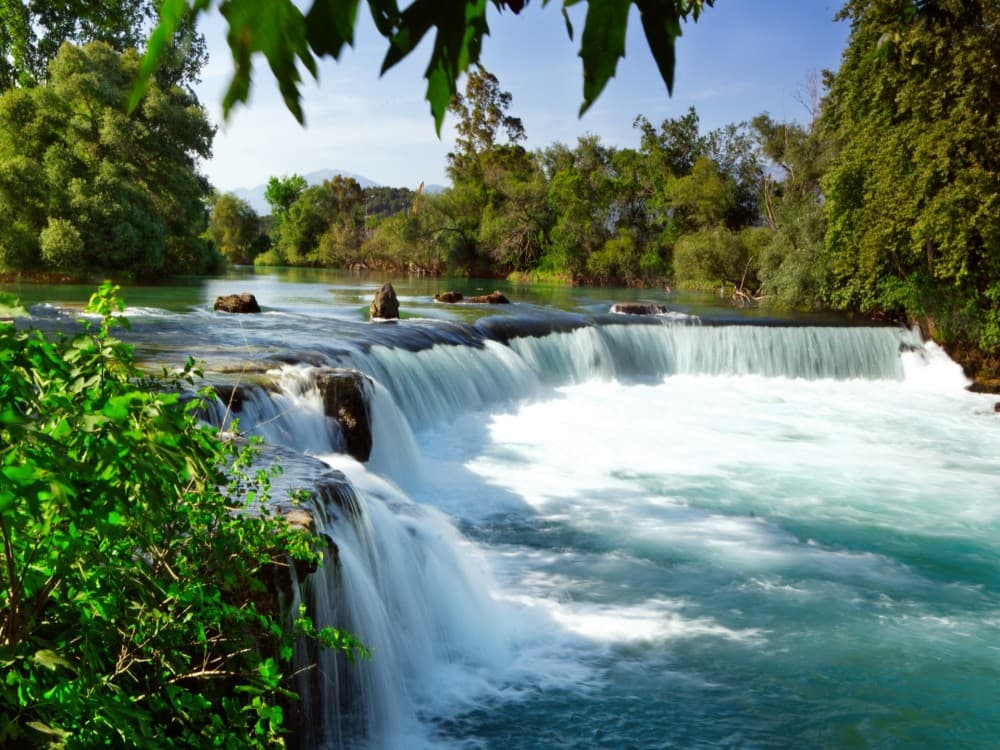
Spring is a time when nature is at its most vibrant. Flowers bloom, fields turn green, and the Manavgat River flows strongly due to winter rainfall and melting snow from the Taurus Mountains. This season is particularly popular for hiking, river cruises, and exploring rural areas and archaeological sites without the intense heat of summer.
Sea Temperature and Swimming Season
The Mediterranean Sea plays an important role in Manavgat’s climate. Sea temperatures begin to rise in late spring and remain warm well into autumn. From June to October, sea temperatures are generally comfortable for swimming, ranging from about 22 to 27 degrees Celsius. Even in November, the sea often remains warm enough for short swims.
In winter, sea temperatures drop but rarely become extremely cold, usually staying above 16 degrees Celsius. While swimming is less common during this time, the sea still influences the climate by keeping temperatures milder along the coast.
How Climate Affects Tourism in Manavgat
Manavgat’s climate supports tourism throughout the year, although peak season occurs in summer. Beach holidays dominate during the hottest months, while spring and autumn attract travelers interested in culture, nature, and outdoor activities. Winter tourism is quieter but still appealing to those seeking mild weather, lower prices, and a more relaxed atmosphere.
The consistent climate also benefits agriculture in the region, with citrus fruits, vegetables, and greenhouse farming playing a major role in the local economy.
Conclusion: A Climate Suited for All Seasons
The climate in Manavgat is one of its greatest strengths. With hot, sunny summers, gentle winters, and pleasant transitional seasons, the area offers favorable conditions for both visitors and residents. Whether you are planning a beach holiday, a cultural trip, or a peaceful winter escape, Manavgat’s Mediterranean climate provides a reliable and welcoming environment almost all year round.

 3 Days Desert Tour From Marrakech To Merzouga Dunes & Camel Trek
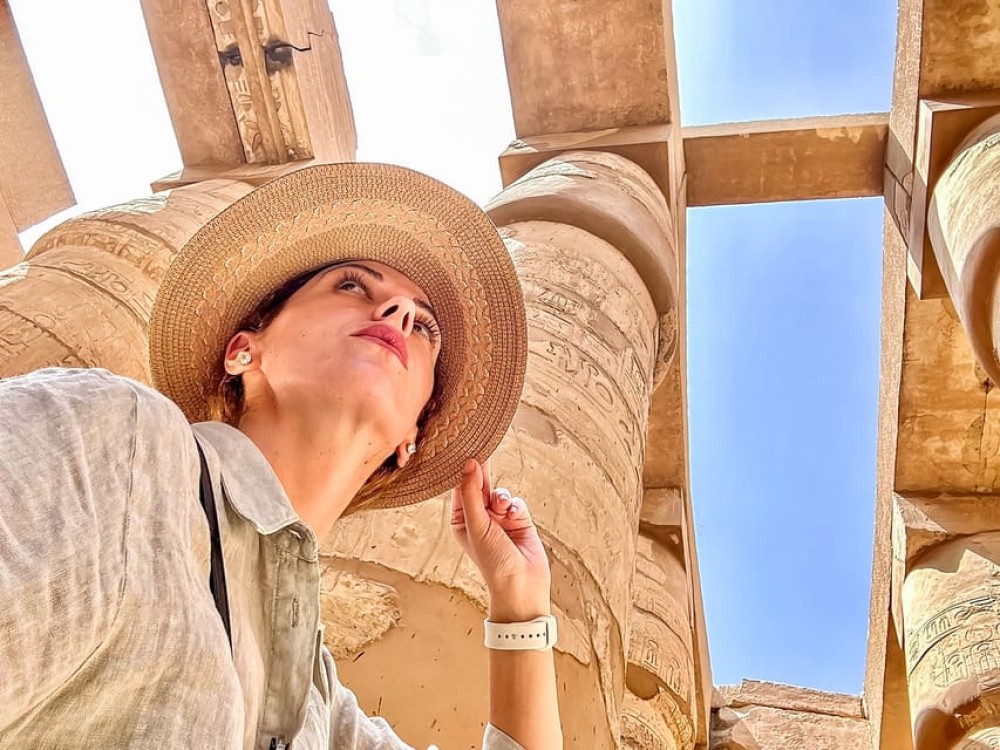 Hurghada: Luxor Valley of the Kings & Tutankhamun Tomb Trip
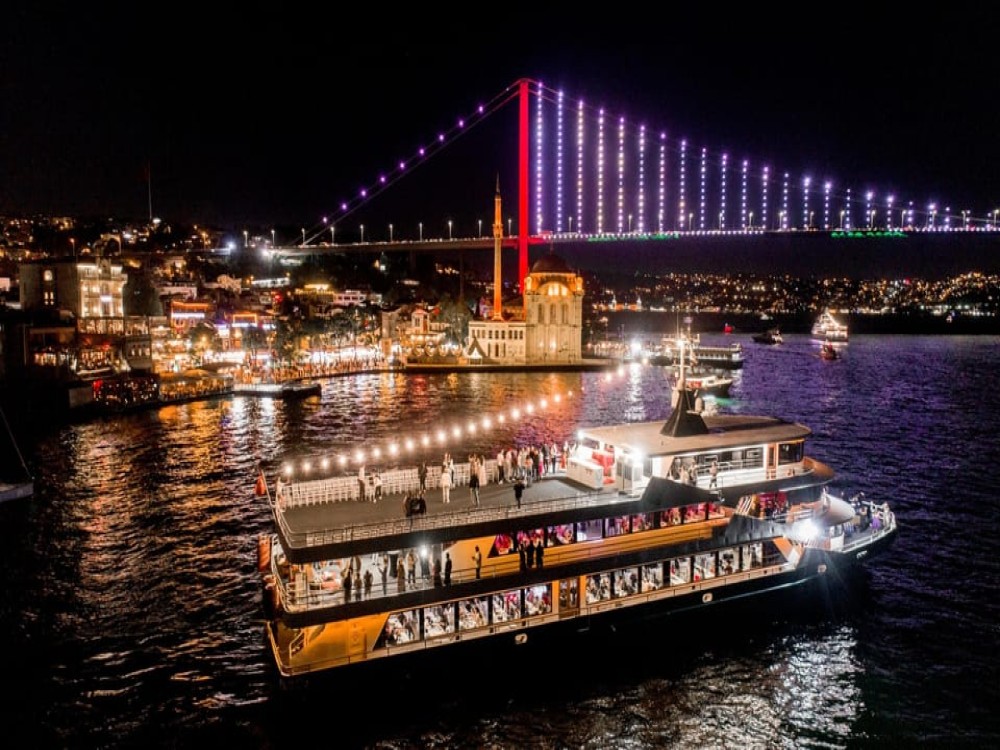 Istanbul: Bosphorus Dinner Cruise with Turkish Night Show