What Is the 3000 Dirham Rule in Dubai?
Dubai is known for its modern lifestyle, luxury attractions, and strict but well-organized legal system. While most visitors focus on the city’s beaches, skyscrapers, and shopping, it is also important to understand the local regulations that may affect your stay. One of the rules that often comes up—especially among tourists, expatriates, and drivers—is the “3000 Dirham rule.” This guideline is related to traffic regulations and financial penalties for certain driving violations. Understanding it helps ensure a smooth, stress-free visit and prevents any unexpected issues during your trip.
Understanding the 3000 Dirham Rule
The “3000 dirham rule” generally refers to specific traffic offenses in Dubai that carry a fine of AED 3000. The rule is not a single law, but rather a consistent penalty level applied to several violations considered dangerous or harmful to public safety. Dubai has one of the most advanced traffic monitoring systems in the world, and the government places great emphasis on safe driving. As a result, fines are clear, non-negotiable, and designed to discourage risky behavior on the road.
This AED 3000 penalty is mainly linked to offenses where the driver’s actions can easily lead to accidents, traffic disruptions, or safety hazards. While the exact list can change with updates to the UAE traffic code, the most commonly known violations at this fine level remain fairly stable throughout the year.
Common Violations That Involve the AED 3000 Fine
While laws can be updated occasionally, the following violations are the ones most frequently associated with the 3000 dirham penalty in Dubai. These are widely known among residents and visitors, and they represent situations where authorities take a strict, safety-first approach:
1. Driving Without Insurance
Driving without valid car insurance in Dubai is taken seriously. If a vehicle does not have an active insurance policy, the driver can face a 3000 dirham fine, vehicle impoundment, and black points on their driving record. Whether you are renting a car or using a friend’s vehicle, you must ensure it is fully insured.
2. Driving a Vehicle That Is Not Roadworthy
Using a vehicle that is unsafe or not fit for the road is another violation that can lead to a AED 3000 fine. This applies to major mechanical issues that can cause accidents—such as faulty brakes, non-functional lights, or structural damage. Rental cars in Dubai are usually maintained well, but drivers should still double-check the condition before setting off.
3. Allowing Someone Without a License to Drive
Letting an unlicensed person operate your vehicle is a serious offense. If caught, the owner of the car can receive a 3000 dirham fine, along with potential vehicle impoundment. This rule exists to ensure that only trained and officially permitted individuals are on the road.
4. Using a Car Without Official Permission After It Has Been Impounded
If a vehicle has been impounded for any reason (such as major violations or unpaid fines), taking it out before the official release date is prohibited. Doing so can result in an additional AED 3000 fine, along with extended impoundment periods.
These examples show how the “3000 dirham rule” functions as a penalty category in the UAE’s broader traffic system rather than a single standalone law.
Why Dubai Enforces Strict Traffic Fines
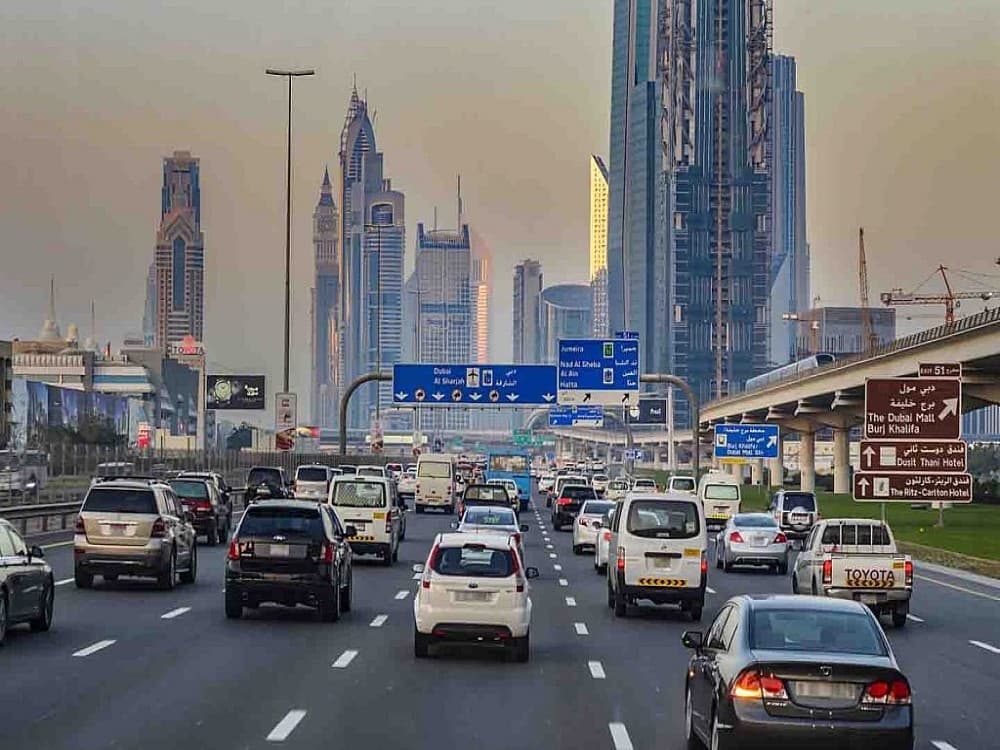
Dubai’s roads are incredibly busy, especially around tourist hotspots like Downtown Dubai, Dubai Marina, and the Palm Jumeirah. With millions of residents and visitors using the highway network every day, safety is a top priority. The strict fines, including the 3000 dirham penalties, help ensure:
Dubai uses advanced road cameras, radar systems, and smart city technology to monitor traffic in real time, which means violations are detected quickly and accurately.
Do Tourists Need to Worry About the 3000 Dirham Rule?
Tourists usually encounter the 3000-dirham rule only when renting a car. Most rental companies include full insurance, which eliminates one of the risks, but visitors should still:
Check the car’s condition
Ensure insurance documents are valid
Follow all driving regulations
Avoid letting anyone else drive unless they are listed as an additional driver
If a tourist commits an offense that carries a 3000 dirham fine, the penalty is applied through the rental company, which then charges the amount to the renter’s credit card.
Final Thoughts
The 3000 dirham rule in Dubai is essentially a set fine applied to some of the city’s more serious traffic violations. It exists to create a safe, orderly driving environment for everyone—residents and tourists alike. For visitors, understanding these rules is simple: rent insured vehicles, drive carefully, and respect local road regulations. With this awareness, you can focus on enjoying Dubai’s world-class attractions while staying completely worry-free on the road.