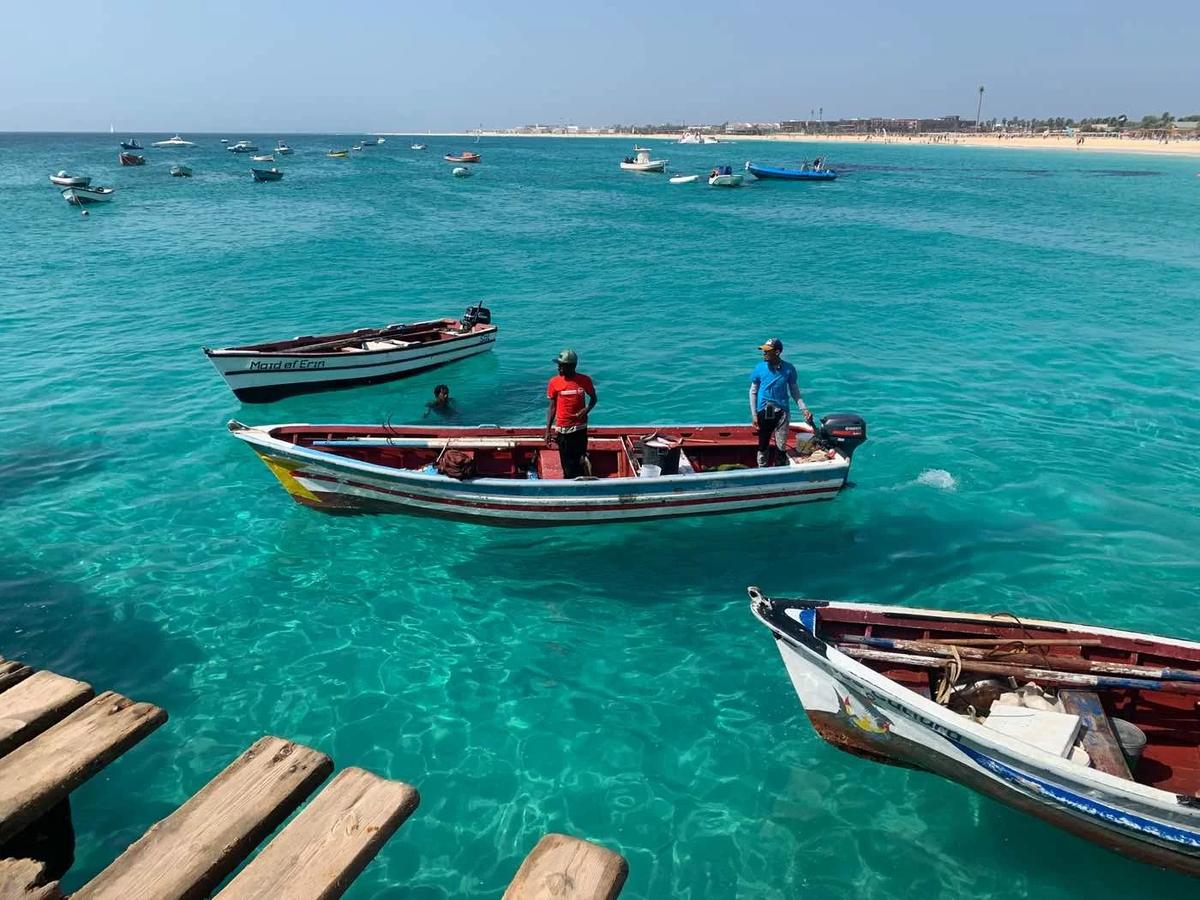
Maio is best known for its calm atmosphere and untouched character. Unlike some of the more developed islands in Cape Verde, Maio remains peaceful and uncrowded. Travelers who come here often do so to escape mass tourism and experience a slower, more authentic island lifestyle. Life on Maio moves at a relaxed pace, with small villages, friendly locals, and a strong connection to nature. This simplicity is one of the island’s greatest attractions and a key reason why it stands out within the archipelago.
Long, Unspoiled Beaches
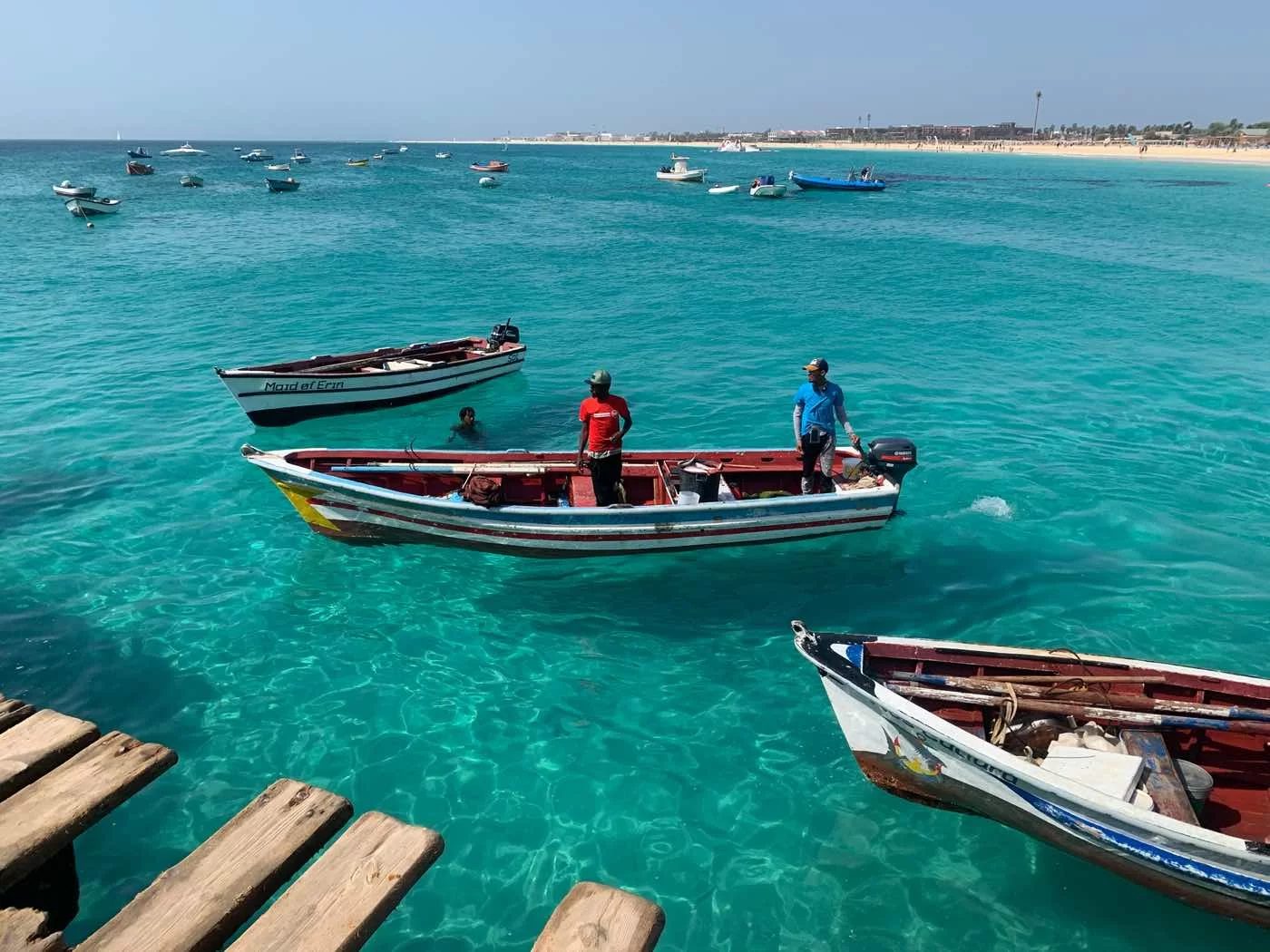
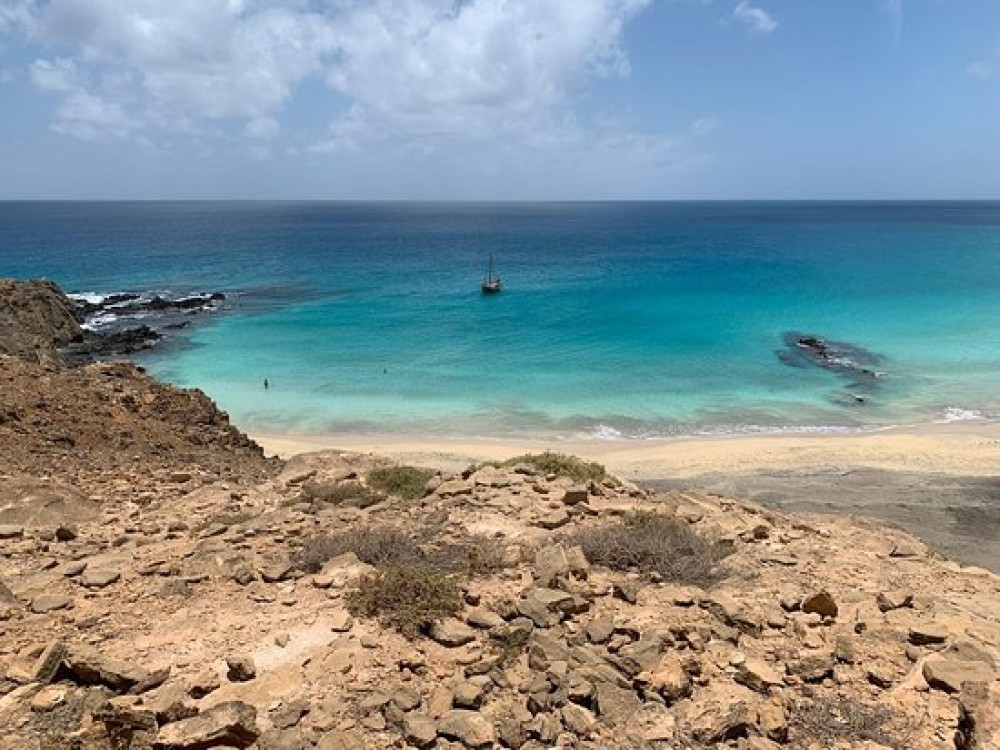
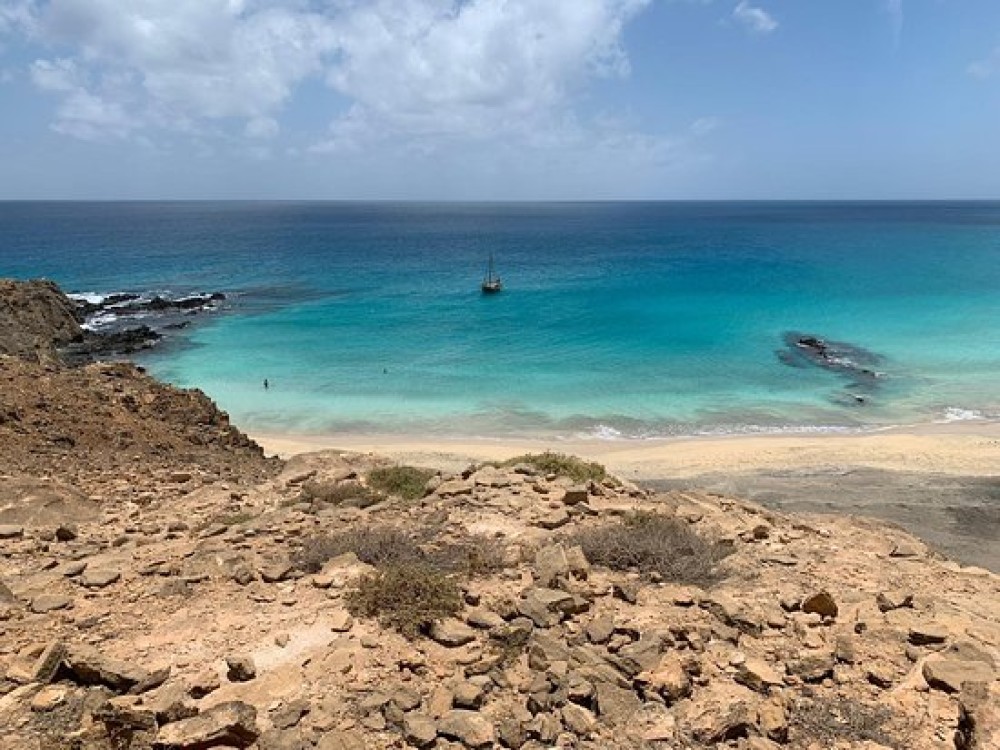
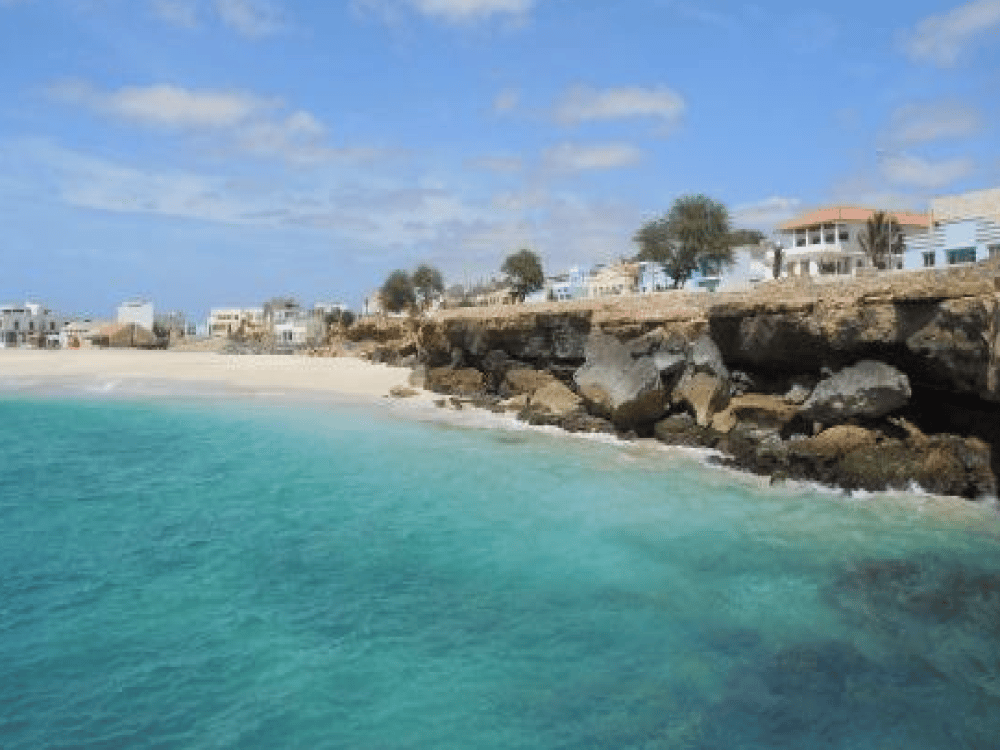
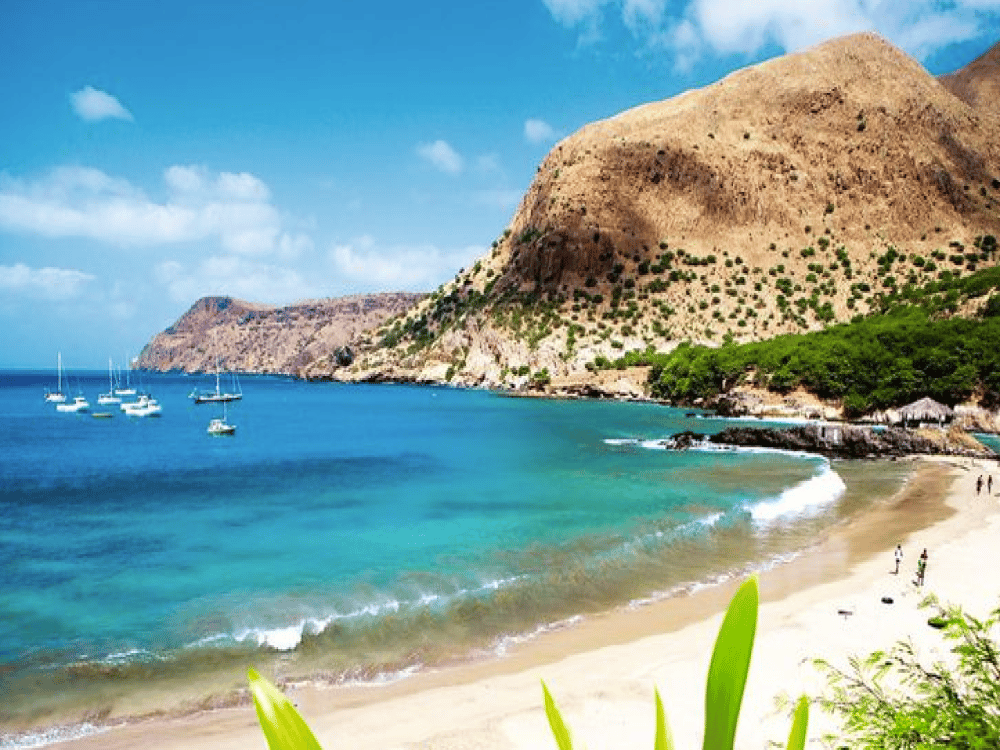
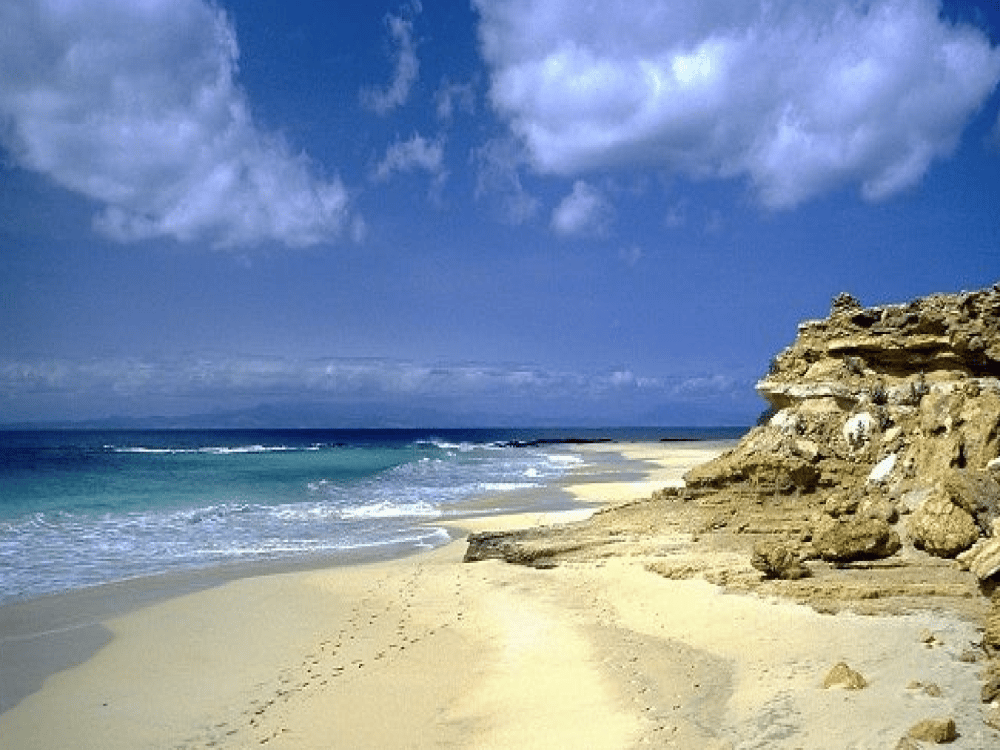
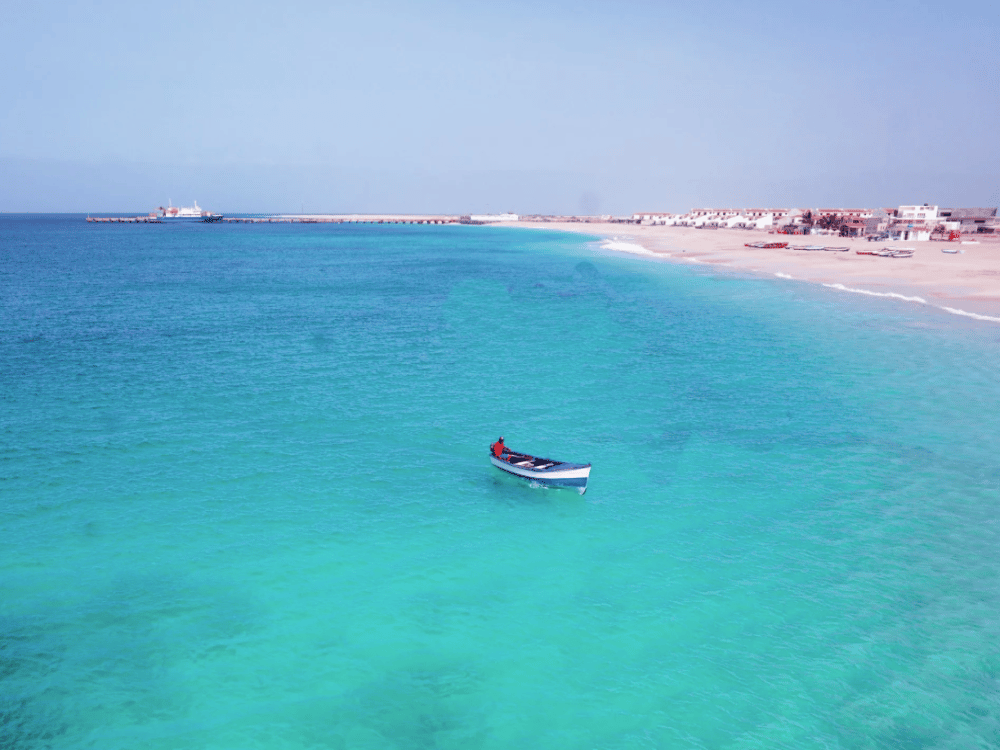
One of the main things Maio is known for is its long stretches of pristine beaches. The island has wide, sandy shores that often feel almost empty, even during peak travel seasons. Beaches such as Praia de Bitchirotcha, Praia de Santana, and Praia do Morro are ideal for long walks, quiet relaxation, and enjoying uninterrupted ocean views. The sand is soft and golden, and the Atlantic waters are clear and refreshing. Maio’s beaches are not about beach clubs or water parks, but about space, silence, and natural beauty.
Sea Turtles and Wildlife Protection
Maio is also well known for its importance in sea turtle conservation. The island is one of the most significant nesting sites for loggerhead turtles in Cape Verde, which is one of the largest nesting areas in the world for this species. During nesting season, usually between June and October, turtles come ashore to lay their eggs on Maio’s beaches. Conservation programs work closely with local communities to protect nests and educate visitors. This strong focus on wildlife protection has made Maio an important destination for eco-tourism and nature lovers.
Traditional Cape Verdean Culture
Another thing that defines Maio is its strong sense of tradition. The island has preserved many aspects of Cape Verdean culture that have faded elsewhere. Music, local festivals, and daily customs remain deeply rooted in community life. You can hear traditional rhythms like morna and funaná, especially during local celebrations. The island’s small size and close-knit communities help maintain cultural practices, making visitors feel like they are experiencing the real Cape Verde rather than a tourist version of it.
Small Villages and Colonial History
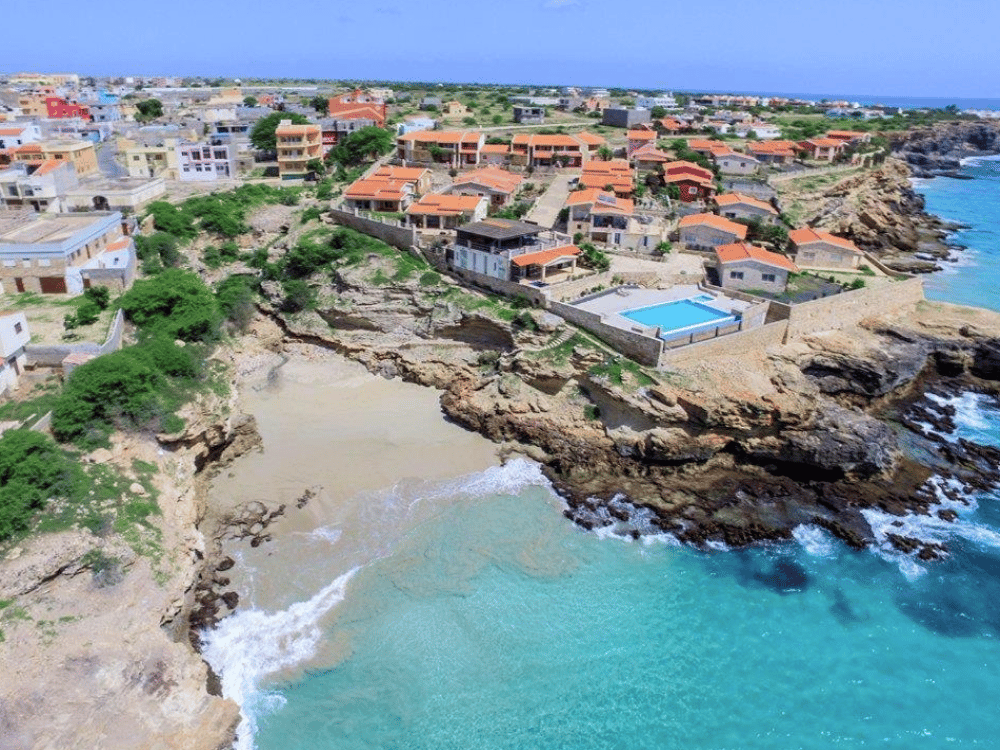
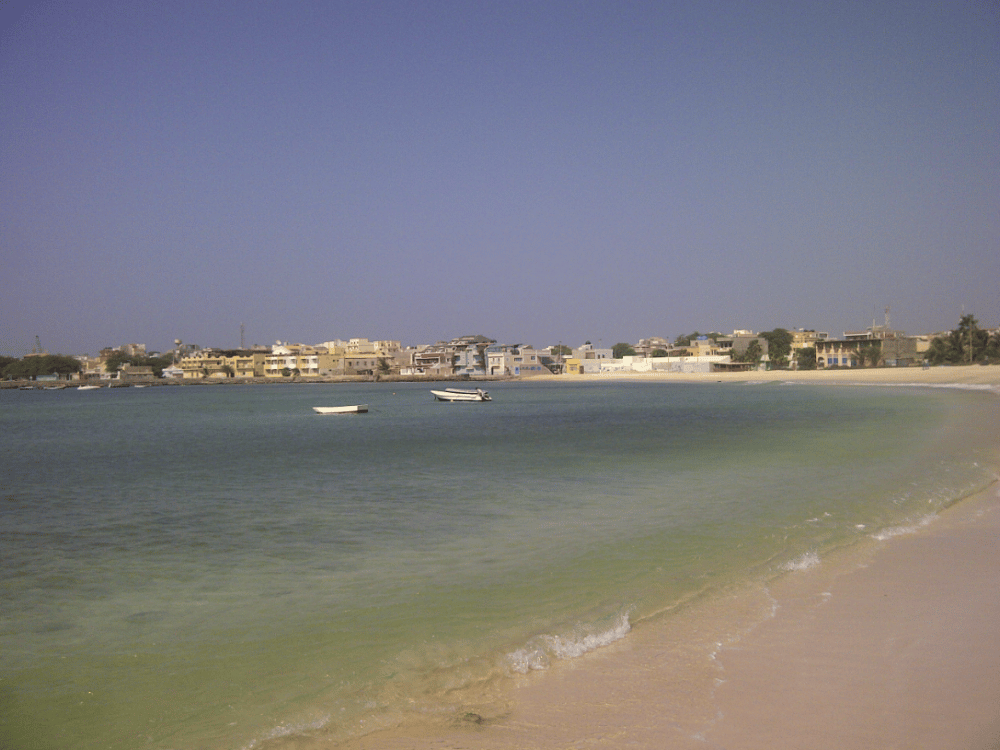
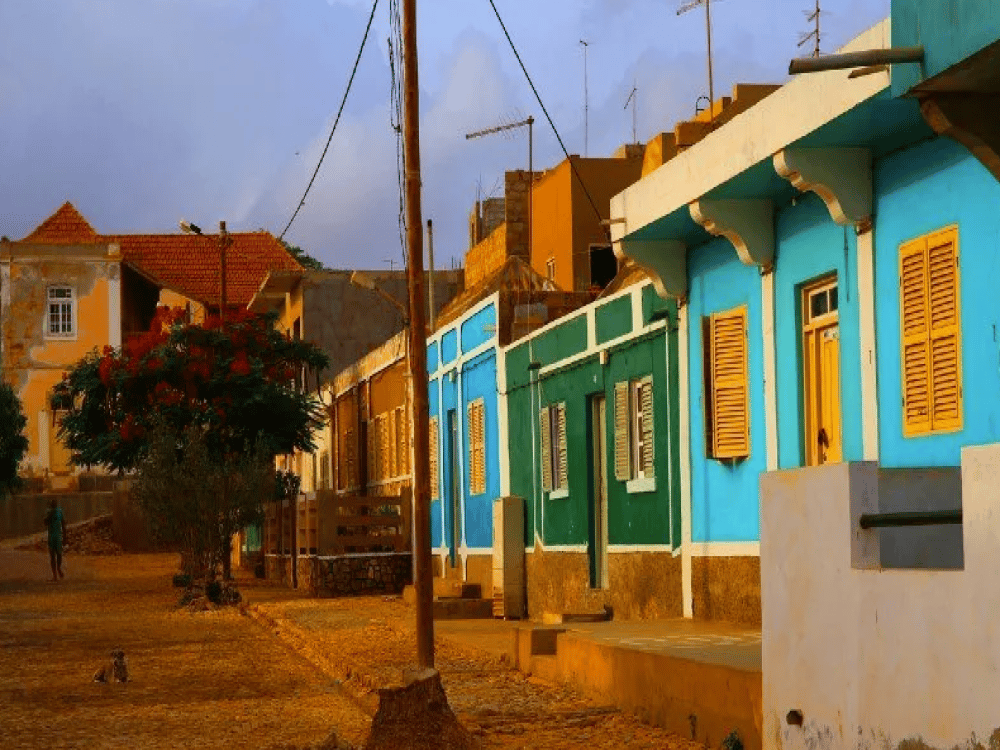
Maio is known for its charming villages and historical landmarks. The island’s main town, Vila do Maio, features colorful colonial-style buildings, quiet squares, and a relaxed seaside promenade. Inland villages such as Calheta and Morrinho offer a glimpse into rural island life, with stone houses, farmland, and grazing animals. The island also has historical churches and old forts that reflect its past as a Portuguese colony. These sites may be modest, but they add depth and character to the island’s identity.
Salt Flats and Natural Landscapes
The island is also recognized for its salt flats, which played an important role in Maio’s history. Salt production was once a key economic activity, and remnants of old salt pans can still be seen today. Beyond the coast, Maio has flat plains, small hills, and dry landscapes typical of Cape Verde. These natural features create beautiful contrasts between the bright beaches and the earthy interior. Hiking and scenic drives allow visitors to appreciate the island’s raw and open environment.
A Destination for Peace and Mindful Travel
Maio is best known among travelers who value peace, simplicity, and meaningful experiences. It attracts visitors who enjoy reading on the beach, talking with locals, watching sunsets, and disconnecting from busy routines. There is no intense nightlife or large resorts dominating the coastline. Instead, Maio offers small guesthouses, family-run accommodations, and a welcoming atmosphere. This makes the island especially appealing to couples, solo travelers, and anyone looking for quiet reflection.
Local Cuisine and Fresh Seafood
The island is also appreciated for its simple yet flavorful cuisine. Fresh fish and seafood are central to local meals, often grilled and served with rice, beans, or vegetables. Traditional Cape Verdean dishes like cachupa are common, offering hearty and comforting flavors. Eating on Maio often feels personal, as many restaurants are small and family-owned. Meals are less about variety and more about freshness and tradition, which fits perfectly with the island’s overall character.
Why Maio Stands Out
In summary, Maio is best known for its untouched beaches, commitment to wildlife conservation, strong cultural traditions, and peaceful atmosphere. It is not a destination for travelers seeking luxury or entertainment-packed holidays. Instead, Maio appeals to those who want to slow down, connect with nature, and experience an authentic island way of life. Its quiet charm, natural beauty, and genuine hospitality make Maio a unique and memorable part of Cape Verde.