A City Where Old Traditions Meet Modern Energy
Hanoi, the capital of Vietnam, is best known for its atmosphere—an unforgettable blend of ancient heritage and fast-moving modern life. Visitors find themselves surrounded by buzzing traffic, narrow shop-houses, lakeside promenades, and centuries-old pagodas. Unlike many capital cities that feel overwhelmingly modern, Hanoi surprises travelers with its balance: the traditions of the past are still visible in every corner, while cafés, rooftop bars, and creative spaces show a youthful and modern side. This contrast is one of the biggest reasons travelers fall in love with the city.
The Historic Old Quarter
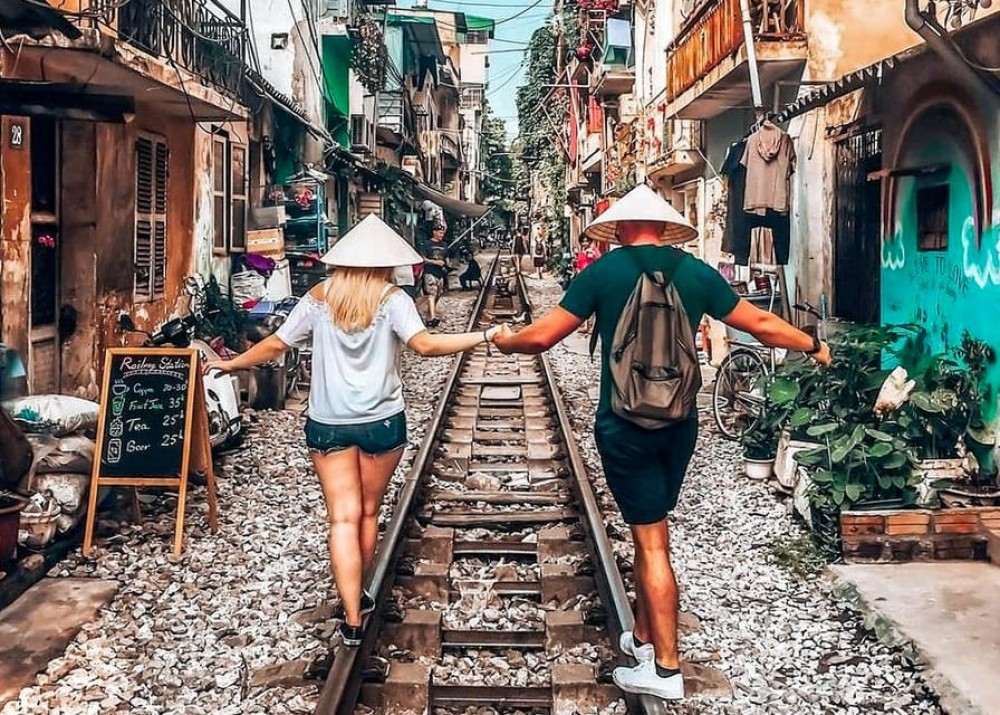
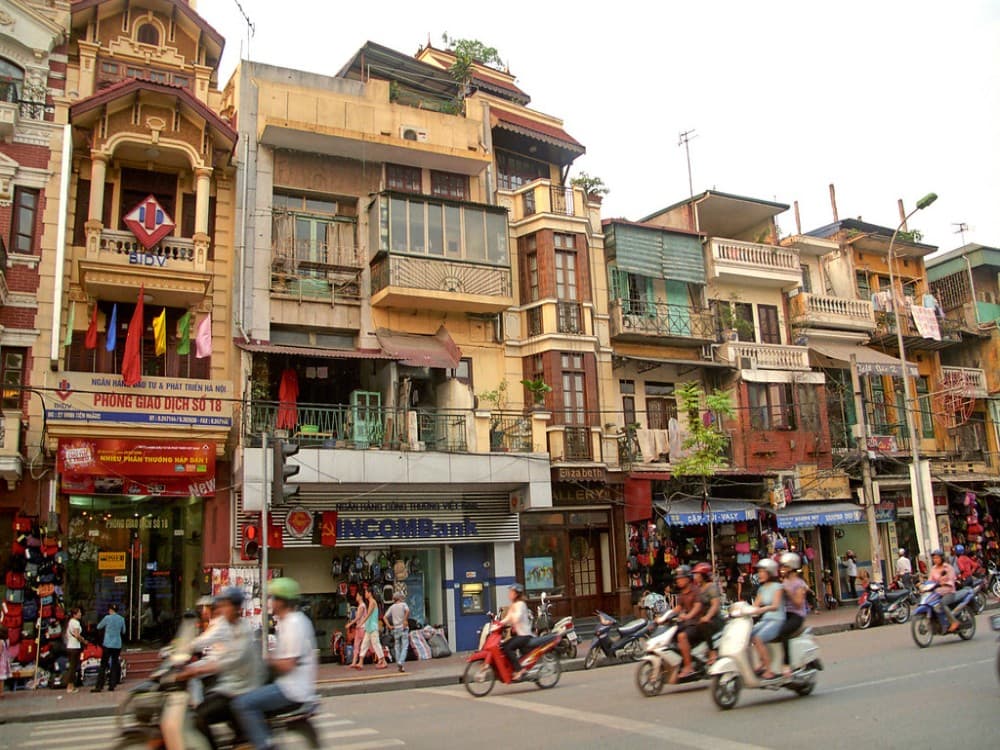
When people think of Hanoi, the first image that comes to mind is the Old Quarter. This maze of streets has served as the commercial heart of the city for over a thousand years. Each street traditionally specialized in a specific craft—silk, silver, herbal medicine, bamboo, and more. Today, the Old Quarter maintains that lively, chaotic charm with vendors selling everything from street food to handmade goods. The French-inspired architecture, aging facades, and bustling sidewalks create the atmosphere that Hanoi is widely recognized for. Walking here is like stepping into the city’s living museum, where the past and present coexist effortlessly.
Hoan Kiem Lake and Its Peaceful Atmosphere
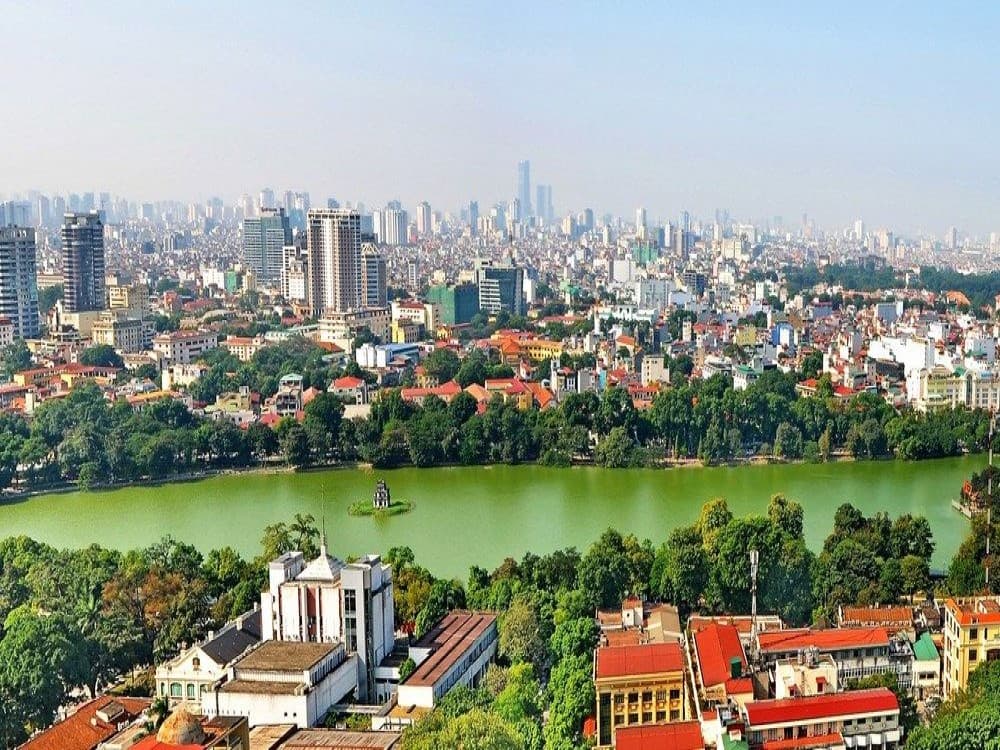
Despite the city’s energetic nature, Hanoi is also known for its peaceful lakes—especially Hoan Kiem Lake in the center. Locals come here early in the morning for tai chi, jogging, and quiet moments before the streets get busy. The small red bridge leading to Ngoc Son Temple is one of the most photographed spots in the country. Travelers remember Hanoi for this serene place surrounded by trees, cafés, and a gentle breeze, offering a break from the hectic rhythm around it. The lake’s calm beauty is a symbol of Hanoi’s balanced lifestyle.
Rich Cultural and Historical Landmarks
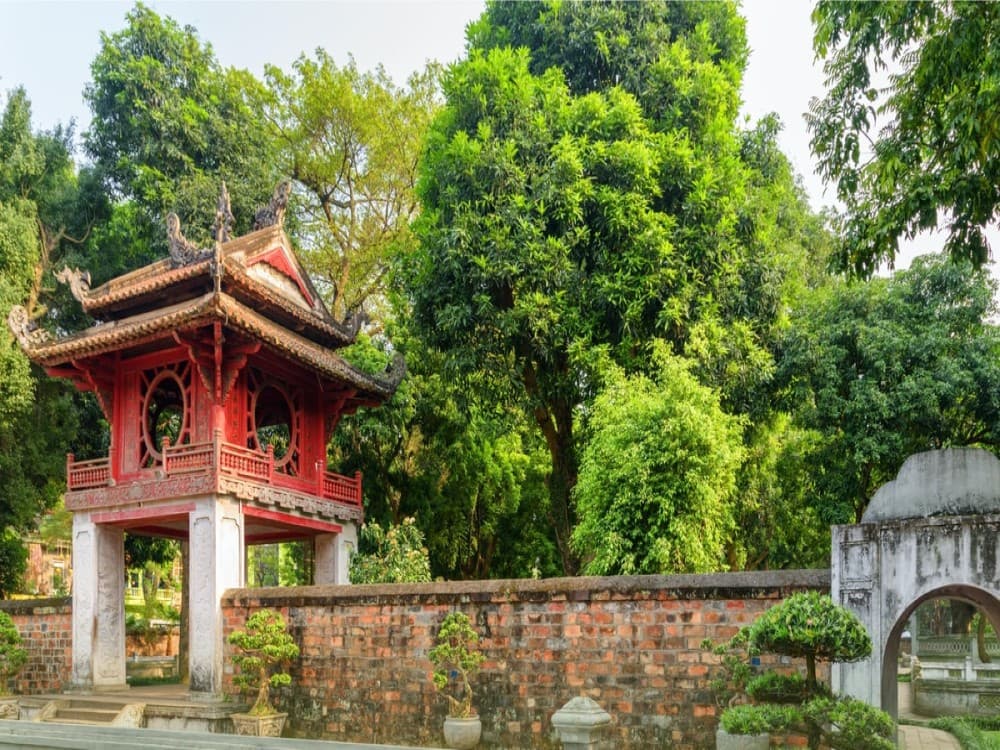
Another major reason Hanoi stands out is its deep sense of history. Sites like the Temple of Literature, Vietnam’s first university, and the Imperial Citadel of Thang Long reflect the city’s intellectual and political past. Museums such as the Vietnam Museum of Ethnology and the Vietnam Women’s Museum offer meaningful insights into the country’s diversity and traditions. Hanoi also holds national monuments like the Ho Chi Minh Mausoleum, a central point for understanding Vietnam’s modern history. Many travelers say that Hanoi is best known for making history easily accessible, helping them understand the layers of Vietnamese culture in a single visit.
Street Food Culture That Defines the City
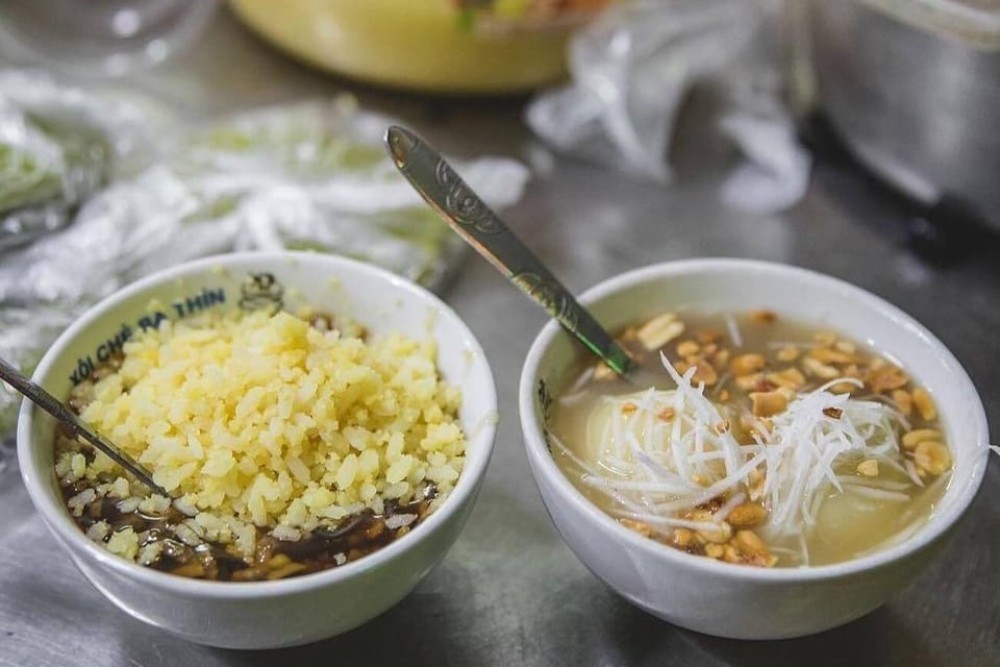
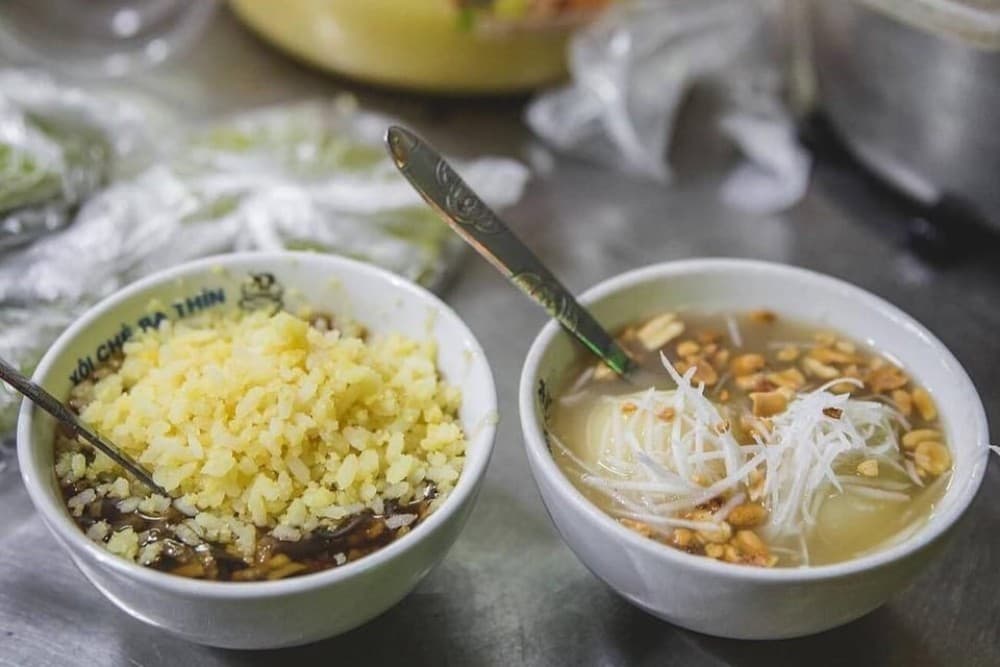
For many visitors, Hanoi is most famous for its food scene. The city is often ranked among the world’s best destinations for street food, thanks to its fresh, simple, and fragrant dishes. Iconic meals such as pho, bun cha, banh mi, and egg coffee originated or gained national fame here. The smell of grilled meats, simmering broth, and freshly baked bread fills the air in every neighborhood. Eating in Hanoi is not just about the taste—it’s about sitting on small plastic stools, sharing a table with locals, and discovering authentic flavors you can’t find anywhere else. The food scene is a huge part of what makes Hanoi unforgettable.
A Center of Vietnamese Arts and Crafts
Hanoi is also known for its long artistic tradition. Water puppet shows, a unique Vietnamese performance art, originated in the northern region and remain one of the most popular cultural activities for visitors. Galleries and cultural houses showcase traditional crafts such as lacquer painting, silk production, and handwoven textiles. The city’s creative side continues to grow with modern art spaces, indie cafés, and craft beer spots that attract a young and international crowd. This mix of old and new artistry is part of Hanoi’s distinct identity.
Lakes, Pagodas, and Green Spaces
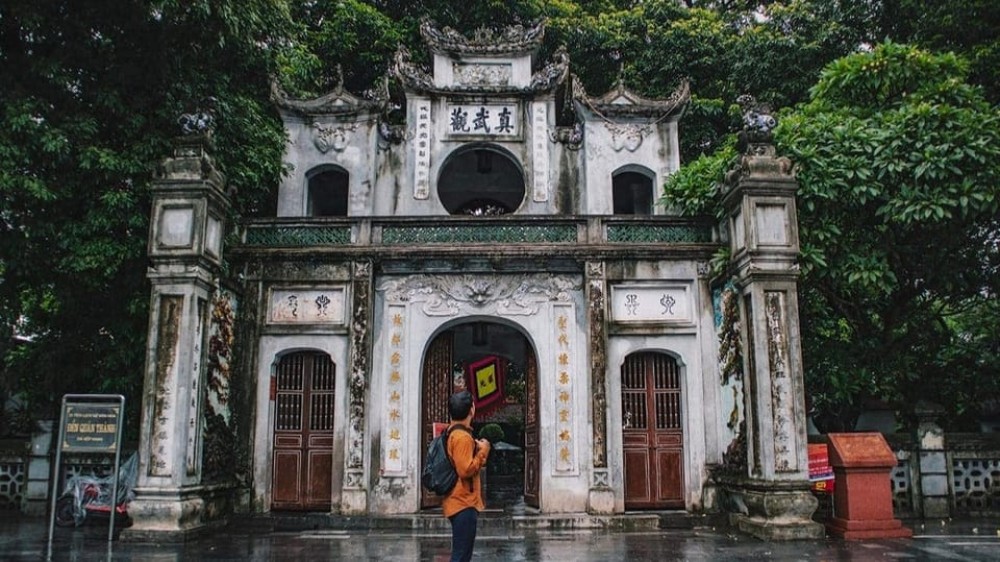
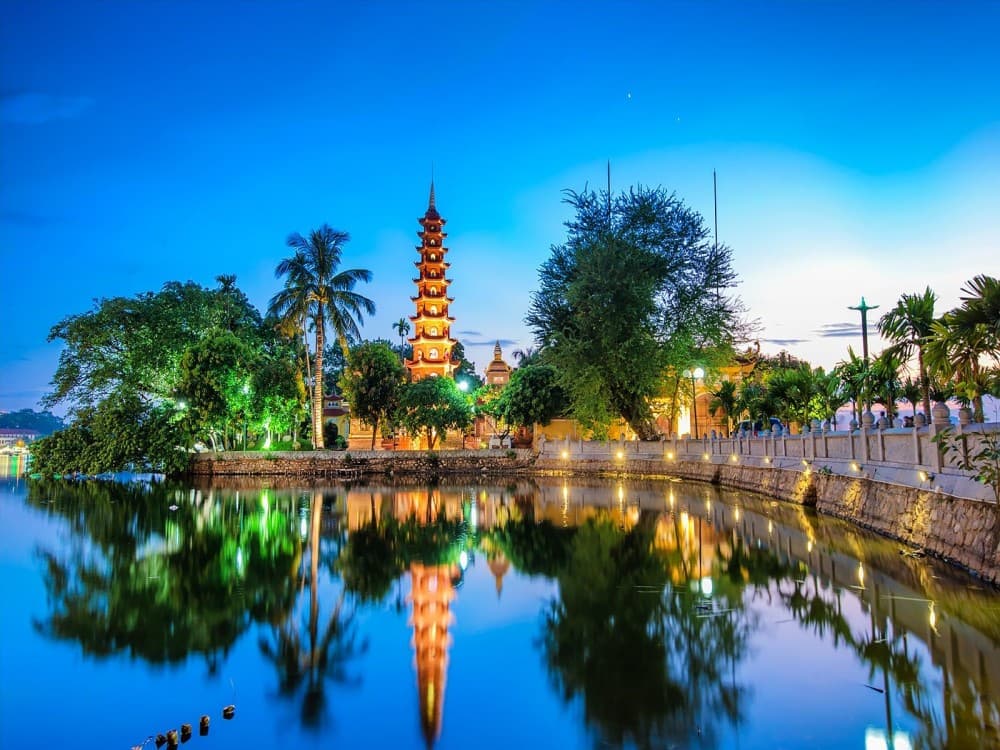
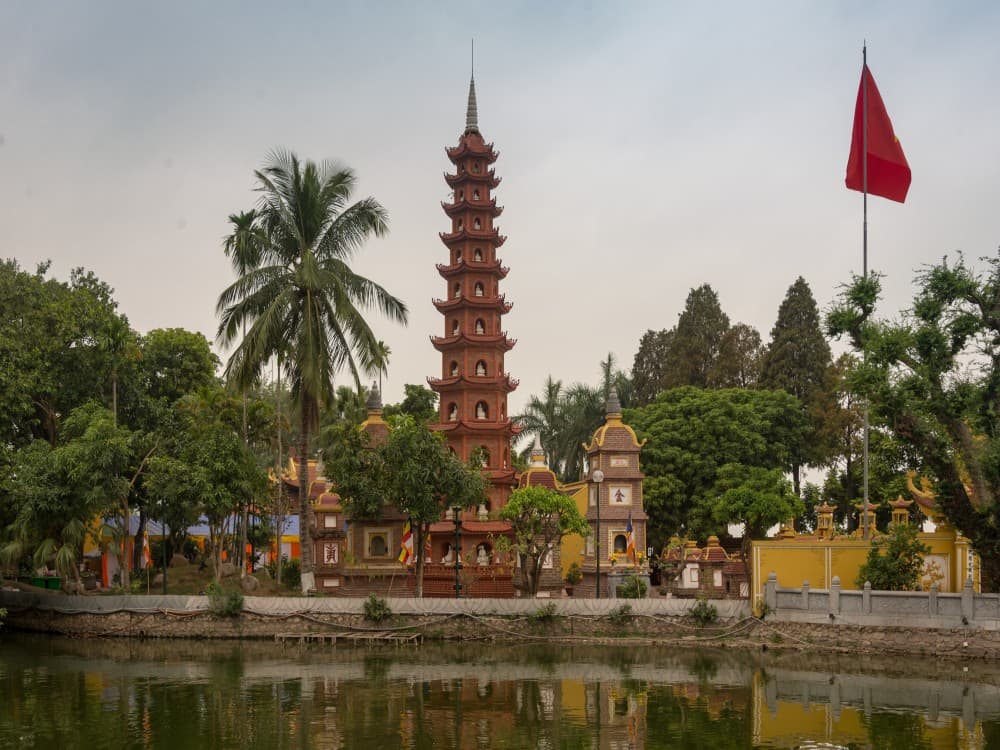
Although Hanoi is a busy capital, it surprises travelers with its natural beauty. West Lake, the largest lake in the city, is surrounded by temples, cafés, and shaded walkways. Its calm waters are ideal for cycling, sunset views, or relaxed dining by the shoreline. Buddhist pagodas like Tran Quoc Pagoda and Quan Thanh Temple add spiritual depth to the city’s landscape. These scenic places are a major reason why Hanoi is known not just for culture and food, but also for tranquility and everyday life by the water.
A Gateway to Northern Vietnam’s Best Destinations
Finally, Hanoi is famous as the starting point for some of Vietnam’s most spectacular locations. Travelers use the city as their base to reach Ha Long Bay, Ninh Binh, Sapa, Ha Giang, and many rural destinations known for their landscapes. Hanoi’s central role in northern tourism makes it one of the most important travel hubs in the country.