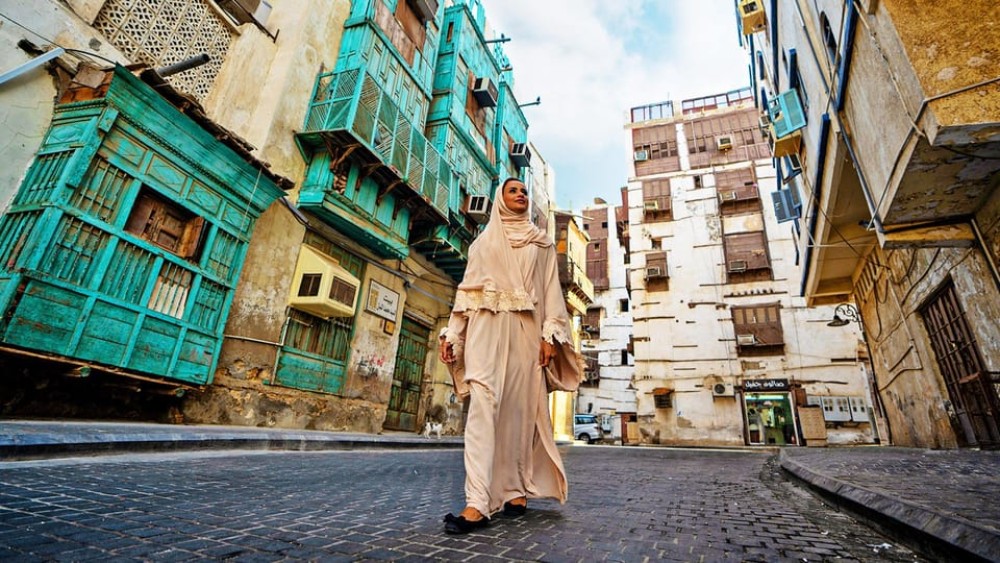
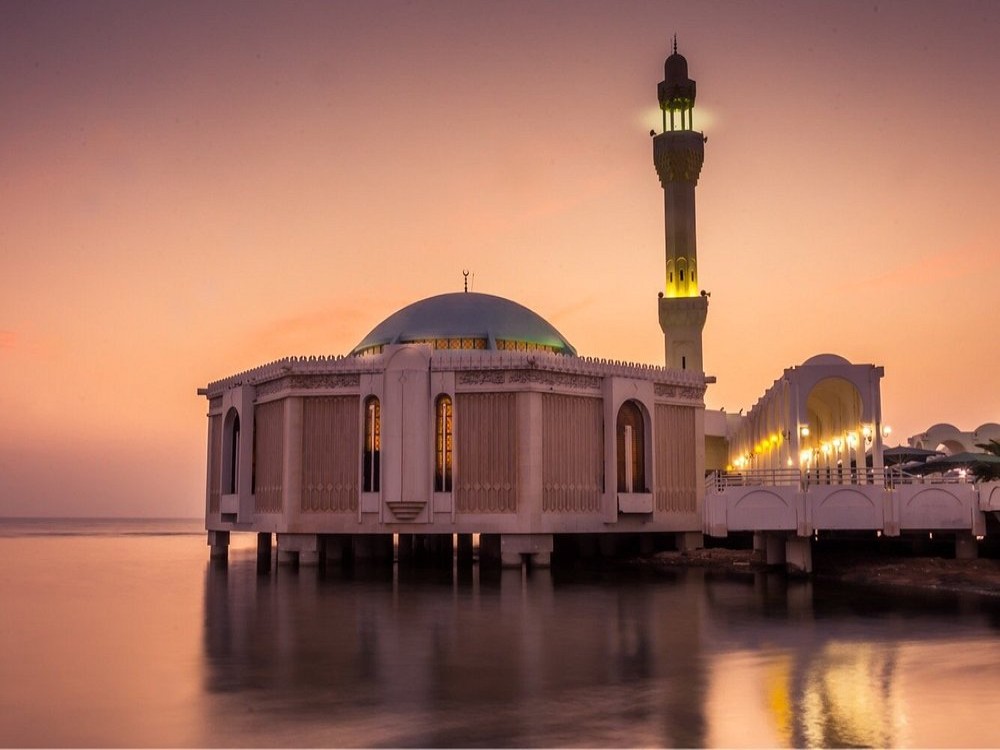
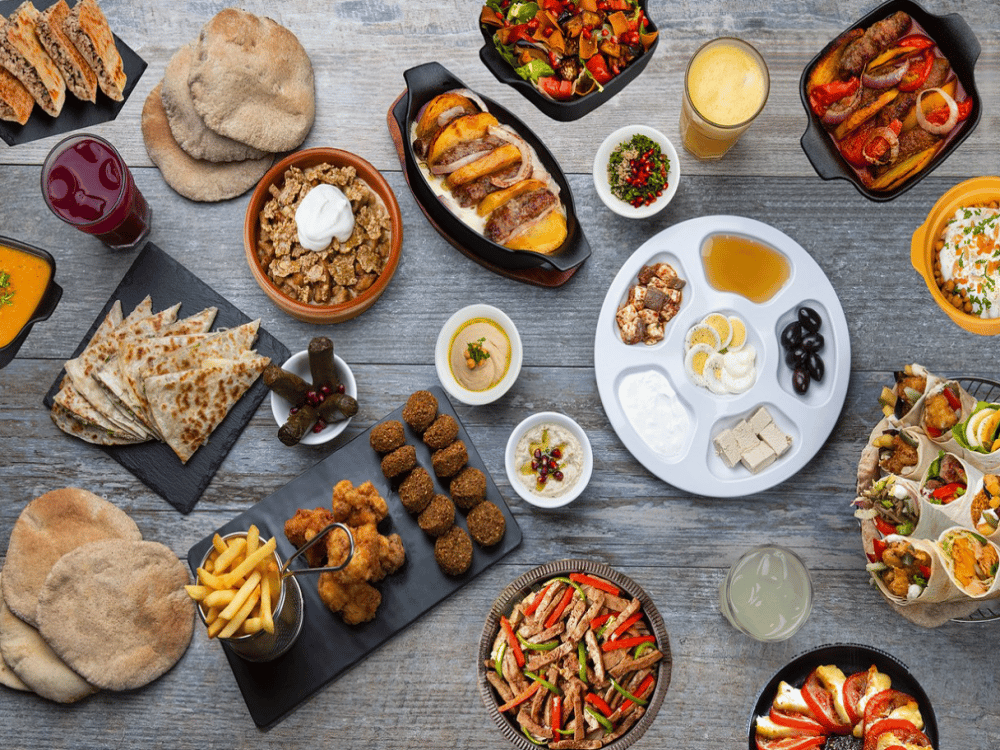
Jeddah is often described as the culinary capital of Saudi Arabia, and for good reason. As a historic port city on the Red Sea, Jeddah has welcomed traders, pilgrims, and travelers from Africa, Asia, and the Middle East for centuries. This long history of cultural exchange has shaped a food scene that is rich, diverse, and deeply rooted in tradition. From fragrant rice dishes to seafood pulled straight from the sea, Jeddah’s cuisine tells the story of the city itself.
A City Shaped by Flavors and Trade
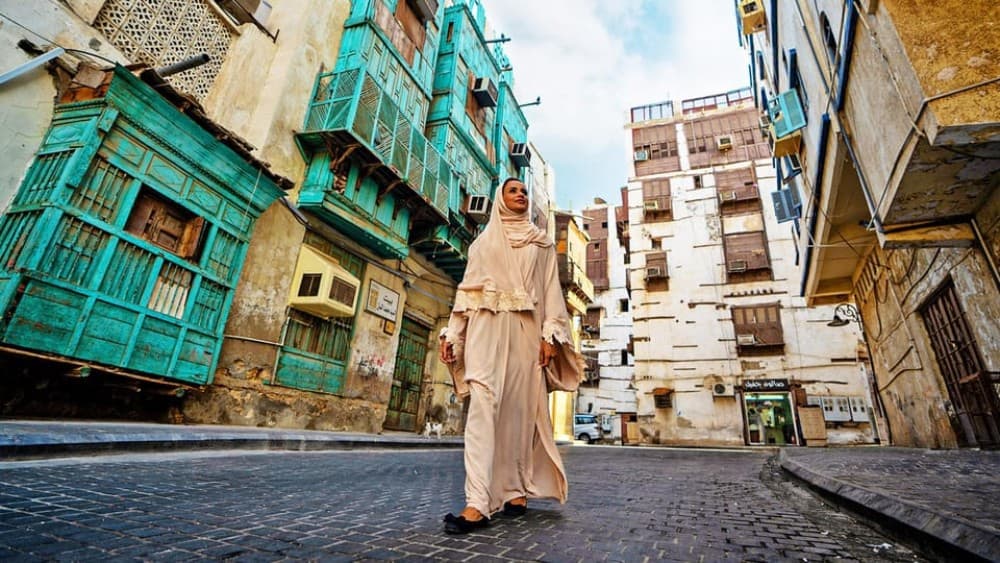
Jeddah’s location has always played a major role in its food culture. As the main gateway to Makkah for pilgrims arriving by sea, the city absorbed culinary influences from countries such as Yemen, India, Indonesia, Egypt, and the Horn of Africa. Over time, these influences blended with local Saudi cooking, creating dishes that are familiar across the Kingdom but prepared with a distinctive Hijazi touch. Meals in Jeddah are often aromatic, gently spiced, and designed to be shared, reflecting the city’s strong sense of hospitality.
Kabsa, the Heart of Saudi Cuisine
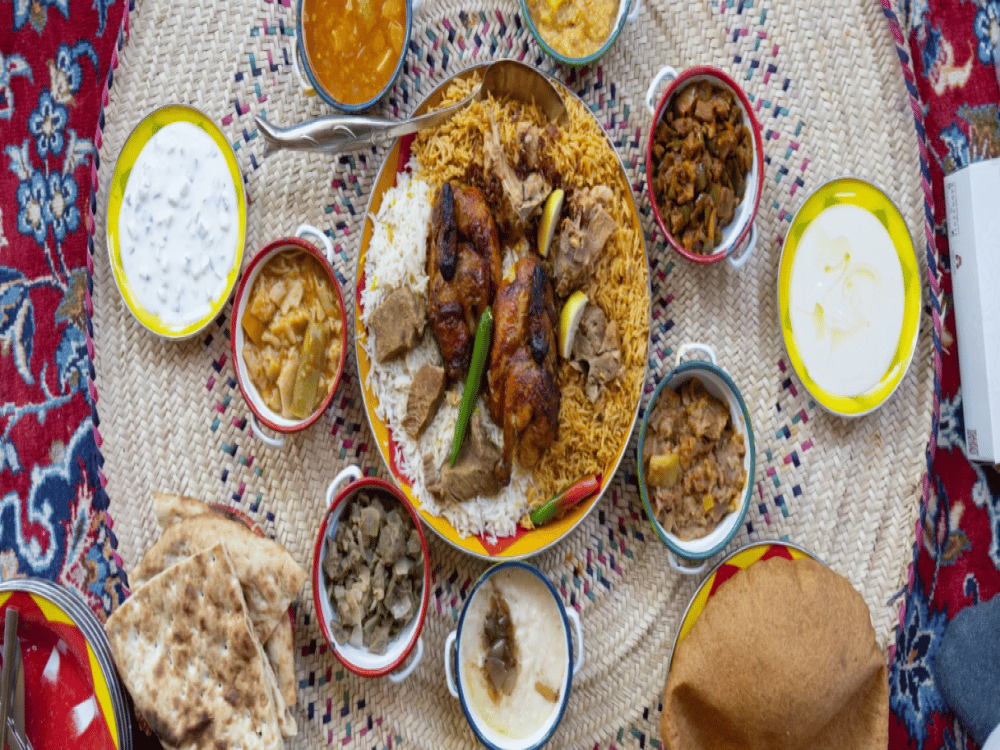
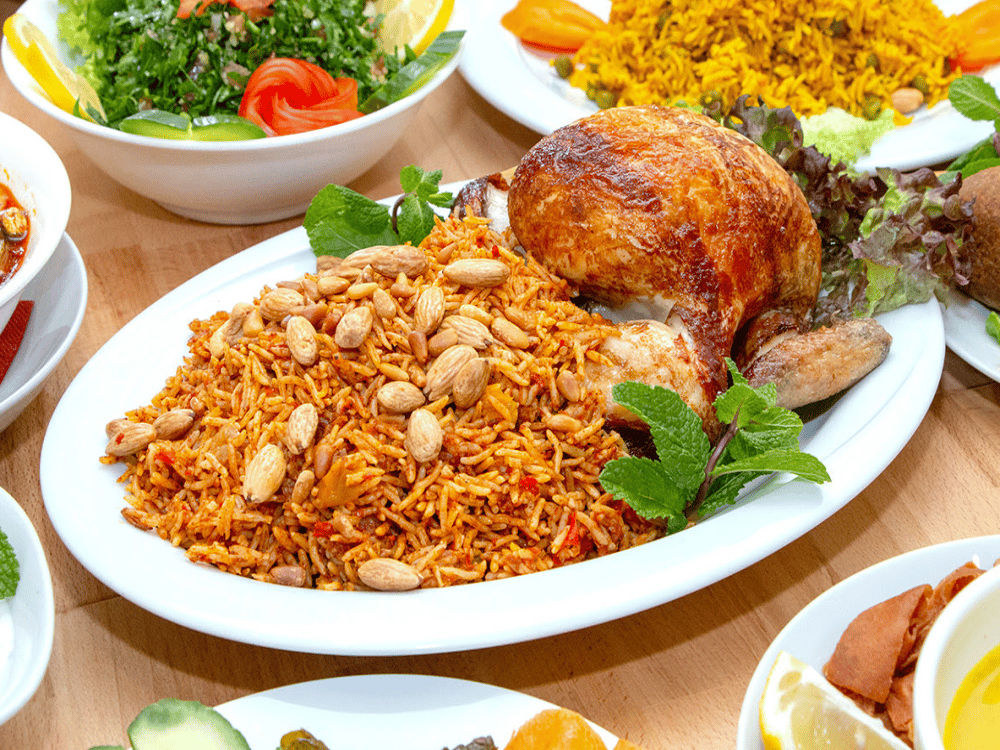
Kabsa is the most iconic dish associated not only with Jeddah but with Saudi Arabia as a whole. In Jeddah, kabsa is typically prepared with long-grain basmati rice cooked in a richly spiced broth made from tomatoes, onions, and a blend of spices such as cardamom, cinnamon, cloves, and black lime. It is usually served with chicken, lamb, or occasionally camel meat. What sets Jeddah’s kabsa apart is its balance of flavor rather than extreme heat, allowing the aroma of the spices to shine without overpowering the dish.
Saleeg, a Comfort Dish from the Hijaz
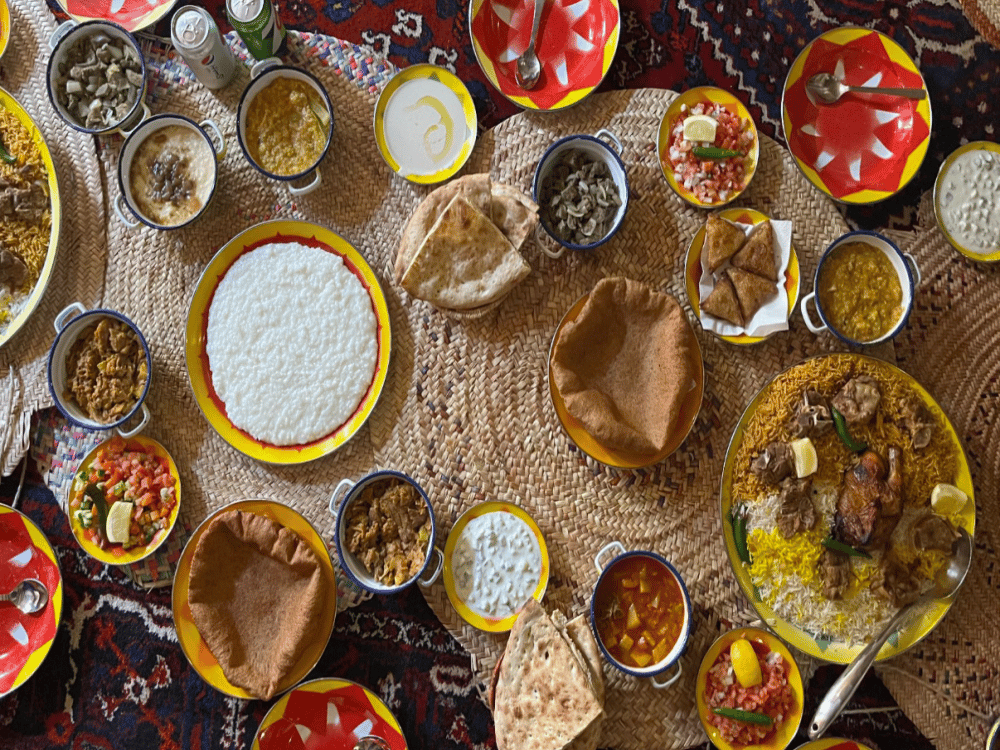
Saleeg is one of the most beloved traditional dishes of the Hijaz region, and Jeddah is one of the best places to try it. This dish is made by cooking rice slowly in milk and chicken broth until it reaches a creamy, porridge-like texture. Tender boiled chicken is served on top, often brushed with butter or ghee. Saleeg is simple, filling, and comforting, commonly eaten at family gatherings and during Ramadan. Its mild flavor makes it a favorite for those who prefer less spice.
Fresh Red Sea Seafood Specialties
Being a coastal city, Jeddah is famous for its seafood. Local restaurants and home kitchens alike use freshly caught fish such as hamour, najel, and shrimp. These are often grilled, fried, or cooked in tomato-based sauces with garlic and spices. One popular preparation is Sayadiyah, a rice and fish dish where the rice is cooked with caramelized onions and spices, giving it a deep brown color and rich taste. Seafood in Jeddah is typically simple and fresh, allowing the natural flavors of the Red Sea to stand out.
Mutabbaq, Jeddah’s Favorite Street Food
Mutabbaq is one of the most recognizable street foods in Jeddah. This crispy, folded pancake is filled with minced meat, eggs, onions, and spices, then cooked on a hot griddle until golden and crunchy. Sweet versions filled with banana, cream, or chocolate are also popular. Mutabbaq stalls are everywhere in Jeddah, especially in busy neighborhoods, and it is a common late-night snack enjoyed by locals of all ages.
Traditional Breads and Side Dishes
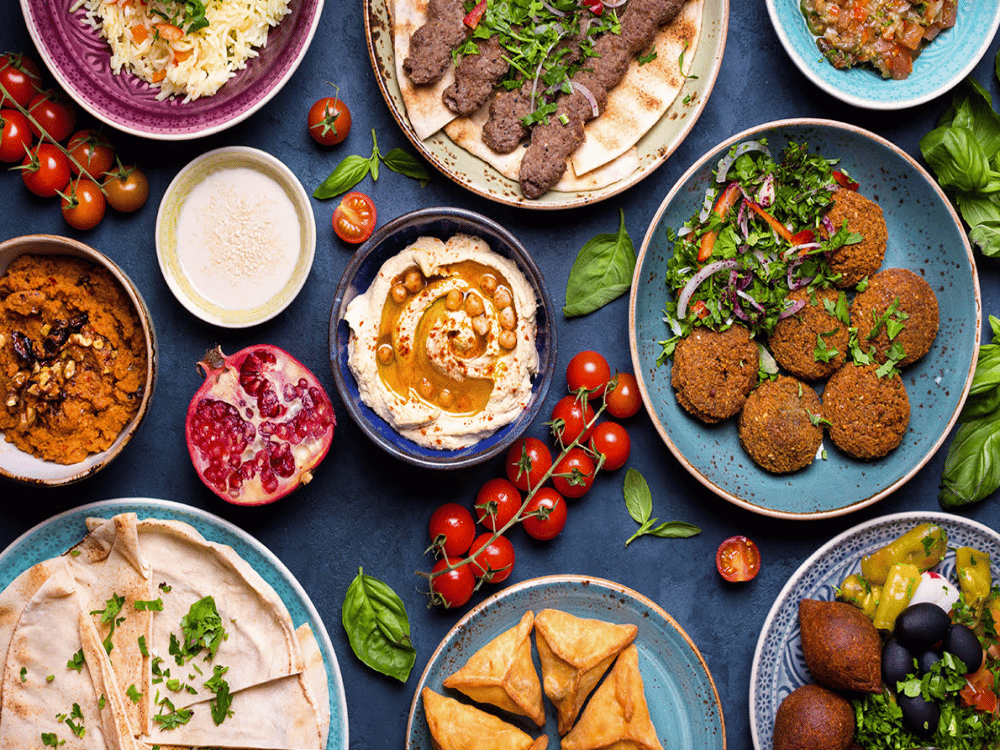
Bread plays an important role in Jeddah’s food culture. Tamees, a soft, slightly chewy flatbread with a hint of sweetness, is commonly eaten for breakfast with ful medames or cheese. Another popular item is sambosa, especially during Ramadan. Sambosas are triangular pastries filled with meat, cheese, or vegetables and fried until crisp. While sambosas are found across the Middle East, Jeddah’s versions often reflect Indian and Yemeni spice influences.
Desserts and Sweet Traditions
Jeddah is also known for its traditional sweets. Kunafa is especially popular, made with shredded pastry layered with soft cheese or cream and soaked in sugar syrup. Dates are a daily staple and are often served with Arabic coffee as a sign of hospitality. Another local favorite is balila, a sweet or savory chickpea dish flavored with spices, sugar, or lemon, commonly sold by street vendors in the evenings.
Coffee, Tea, and Social Food Culture
No discussion of Jeddah’s food scene is complete without mentioning Arabic coffee and tea. Lightly roasted Arabic coffee, flavored with cardamom, is a symbol of welcome and generosity. It is usually served with dates and enjoyed slowly during social gatherings. Tea, often strong and sometimes infused with mint or spices, is also widely consumed throughout the day.
A Culinary Experience Rooted in Identity
Jeddah’s food is more than just nourishment; it is a reflection of the city’s identity as a crossroads of cultures and traditions. Whether enjoyed in a family home, a local restaurant, or a street-side stall, the flavors of Jeddah offer visitors a deeper understanding of the city’s history and way of life. For anyone visiting the Red Sea coast, exploring Jeddah’s cuisine is an essential part of the journey.