Introduction to the Name Manavgat
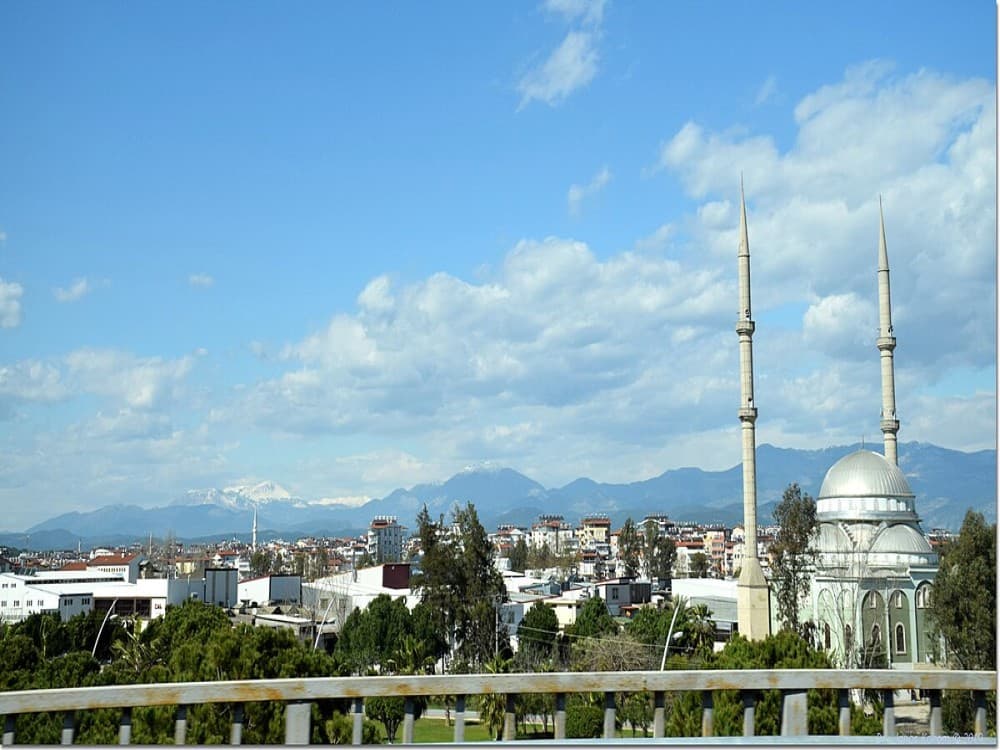
Manavgat is a name that many travelers recognize, especially those visiting Turkey’s Mediterranean coast. It refers not only to a town and district in Antalya Province, but also to the river that flows through the region. While Manavgat is famous for its waterfalls, nearby beaches, and historical surroundings, the meaning behind its name is less commonly discussed. Understanding what Manavgat means requires looking at geography, history, and the many cultures that have influenced the region over thousands of years.
The Importance of the Manavgat River
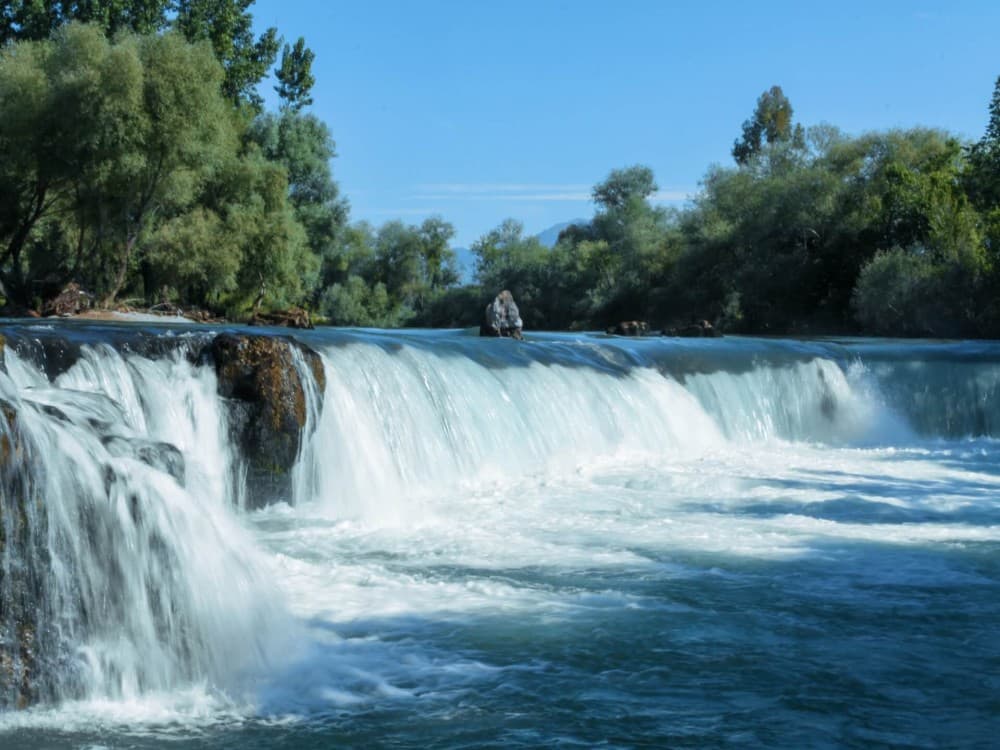
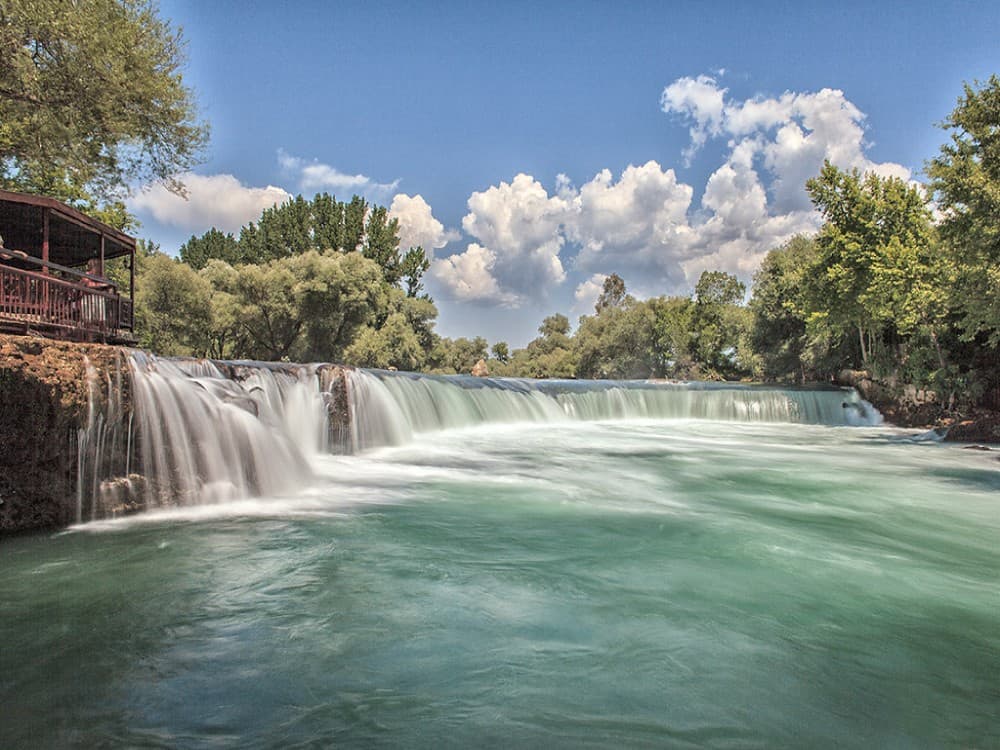
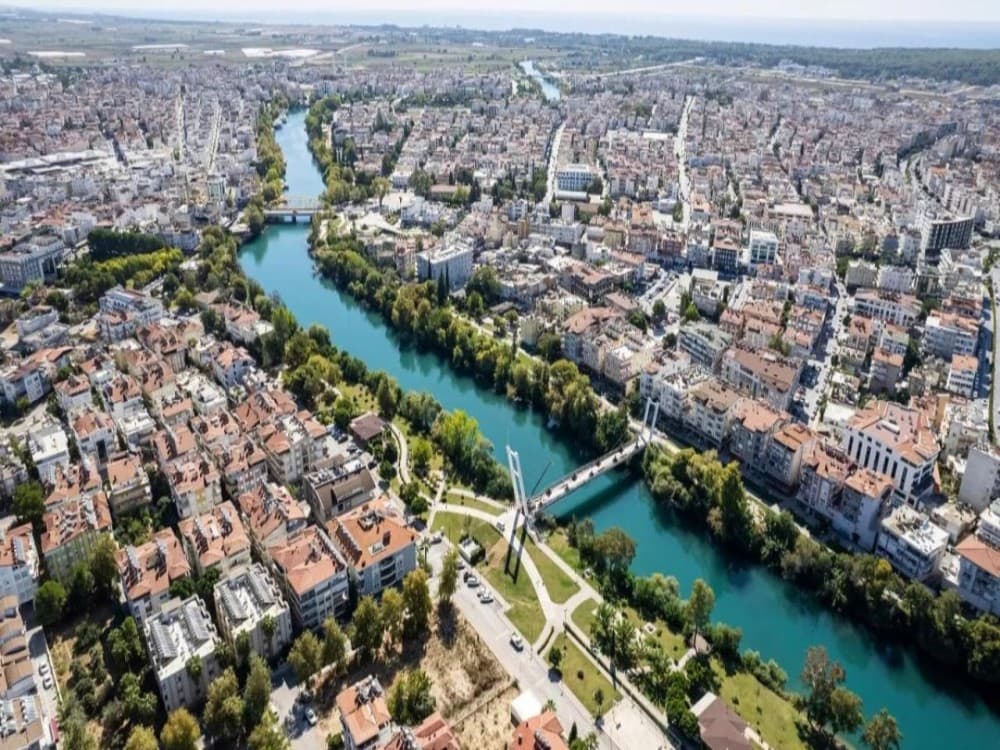
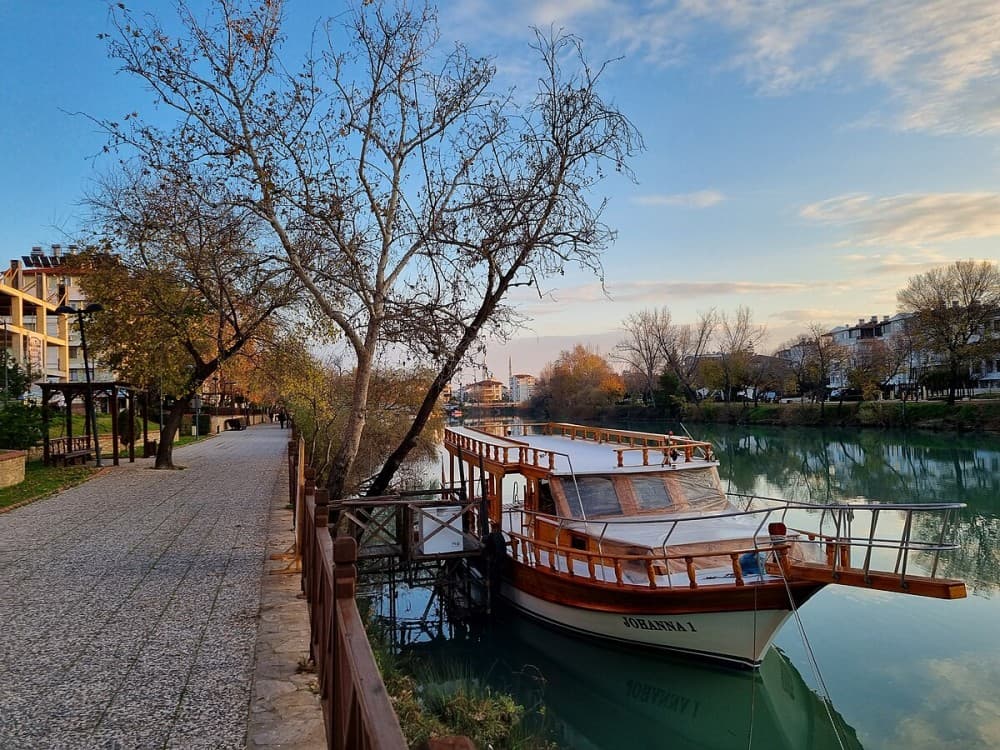
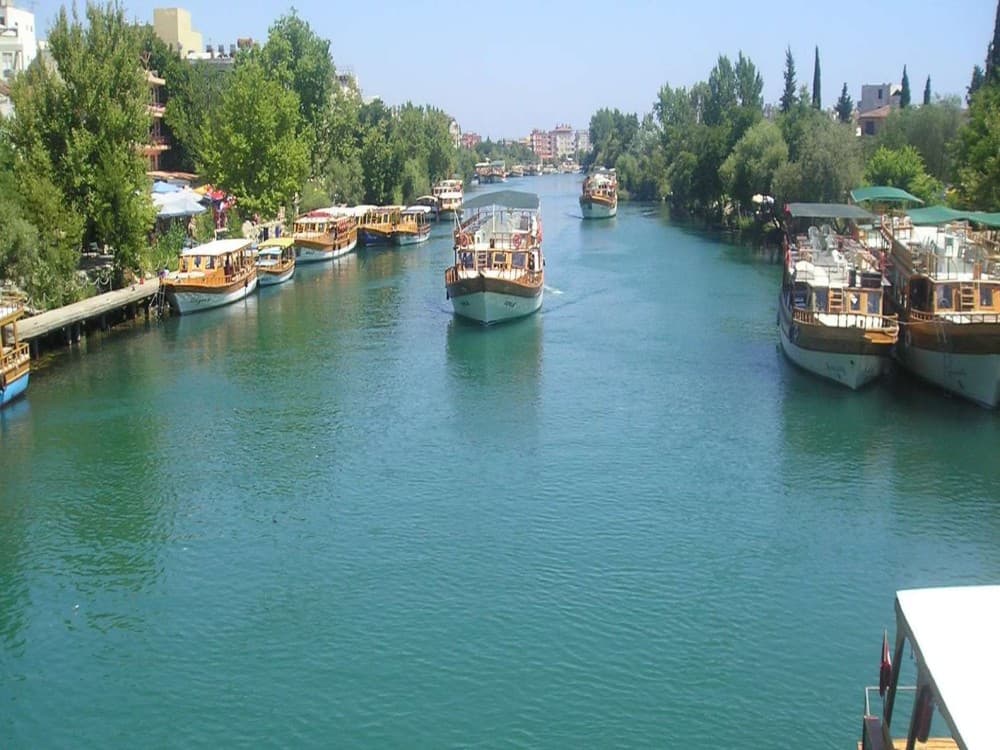
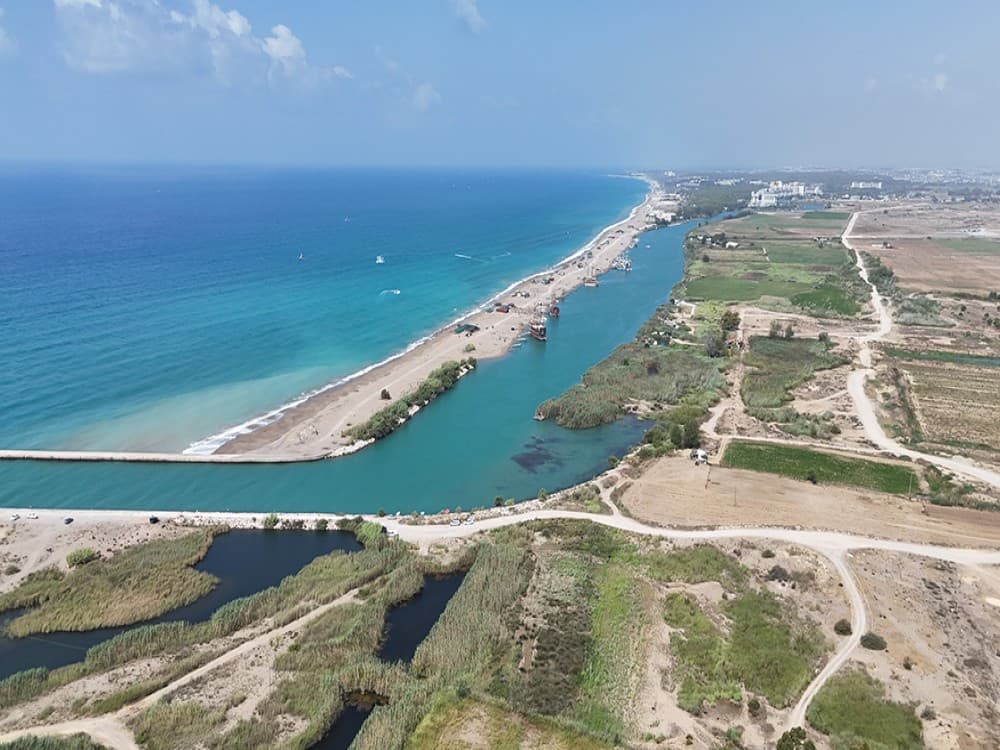
The Manavgat River is central to understanding the name. Rising in the Taurus Mountains and flowing into the Mediterranean Sea, the river has long been a lifeline for settlements in the area. Ancient communities relied on it for water, agriculture, and transportation. As with many places in Anatolia, the river likely gave its name to the surrounding settlement, rather than the other way around. This means the origins of the word Manavgat are probably older than the modern town itself.
The Ancient Name: Melas River
In ancient times, the Manavgat River was known as the Melas River. This name comes from ancient Greek, where “melas” means black or dark. The name may have described the appearance of the water or the depth and shadowed flow of the river as it passed through forested areas. Many rivers in the ancient world were named according to their physical traits, and Melas fits this pattern. Over time, however, as Greek influence faded and new cultures arrived, the name Melas gradually disappeared from everyday use.
Transition to the Name Manavgat
The modern name Manavgat likely developed during the Seljuk or early Ottoman periods, when Turkish became the dominant language in the region. However, there is no single written record that clearly explains how or why the name changed from Melas to Manavgat. Linguists believe the name may be derived from much older Anatolian languages spoken before the arrival of Turkish-speaking peoples. These ancient languages, such as Luwian, influenced many place names in southern Anatolia, though their exact meanings are often difficult to trace today.
Folk Interpretations and Local Beliefs
One of the most commonly repeated explanations for the meaning of Manavgat comes from folk interpretation rather than academic research. According to this view, the name is made up of two parts: “manav” and “gat.” In modern Turkish, “manav” means greengrocer, but historically it was also used to describe early settled Turkic communities in Anatolia. “Gat” is sometimes interpreted as a gate or passage. Based on this, some locals suggest that Manavgat means something like “the gate of the Manavs.” While this explanation is popular, most historians see it as a later interpretation rather than the true origin of the name.
Possible Meaning Related to Water and Flow
Another theory suggests that the name Manavgat is connected to the powerful flow of the river itself. The Manavgat River is known for its strong current, especially during seasons of heavy rain or snowmelt in the mountains. Some researchers believe the name may reflect ideas of movement, force, or flowing water inherited from an ancient language. Rivers often inspired names linked to strength or continuity, particularly in regions where water was vital for survival.
A Name Shaped by Many Civilizations
Manavgat’s uncertain meaning highlights the layered history of the region. The area has been home to many civilizations, including the Hittites, Greeks, Romans, Byzantines, Seljuks, and Ottomans. Each group left its mark on local culture, architecture, and language. Over centuries, names were adapted, mispronounced, or reshaped to fit new languages. As a result, Manavgat became a name that carries echoes of multiple eras rather than a single, clear definition.
What Manavgat Means Today
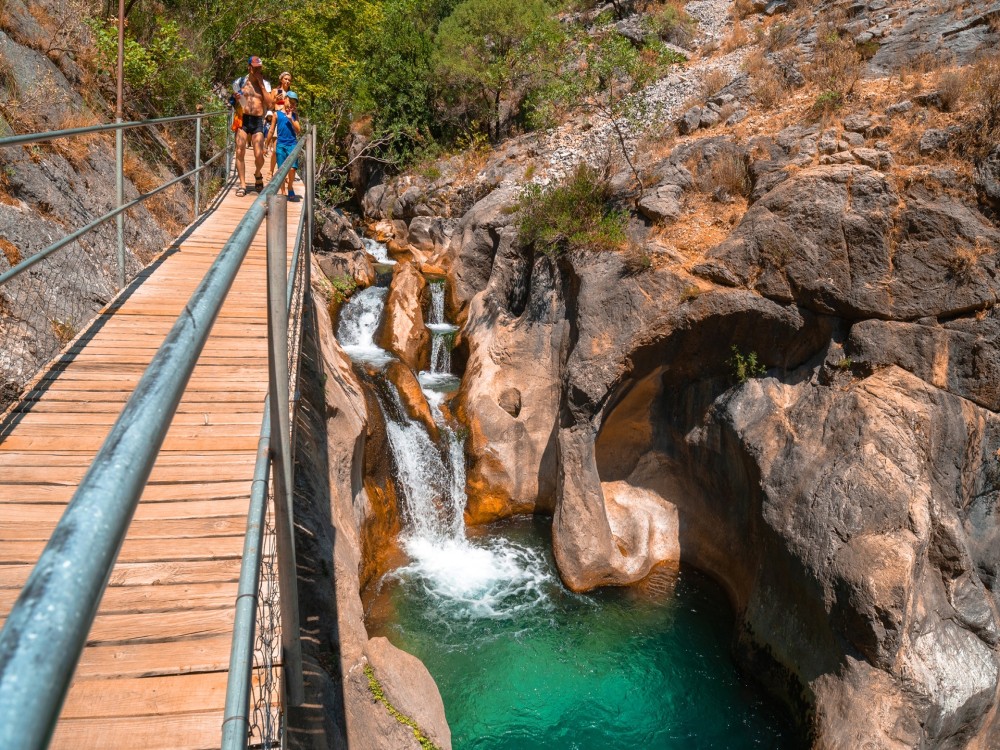
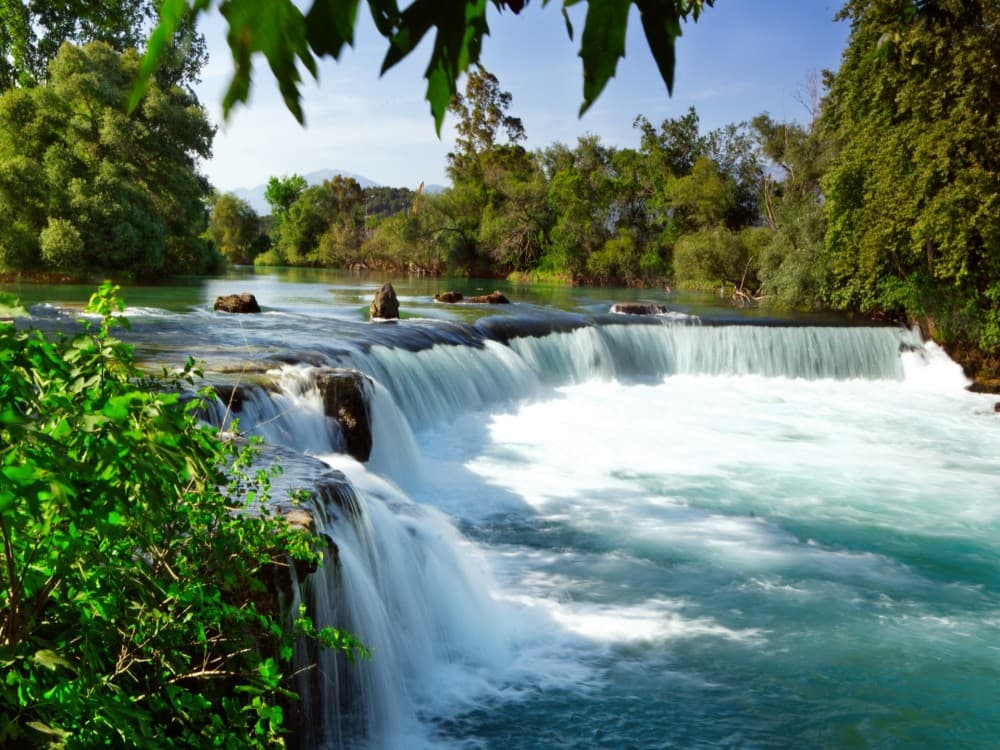
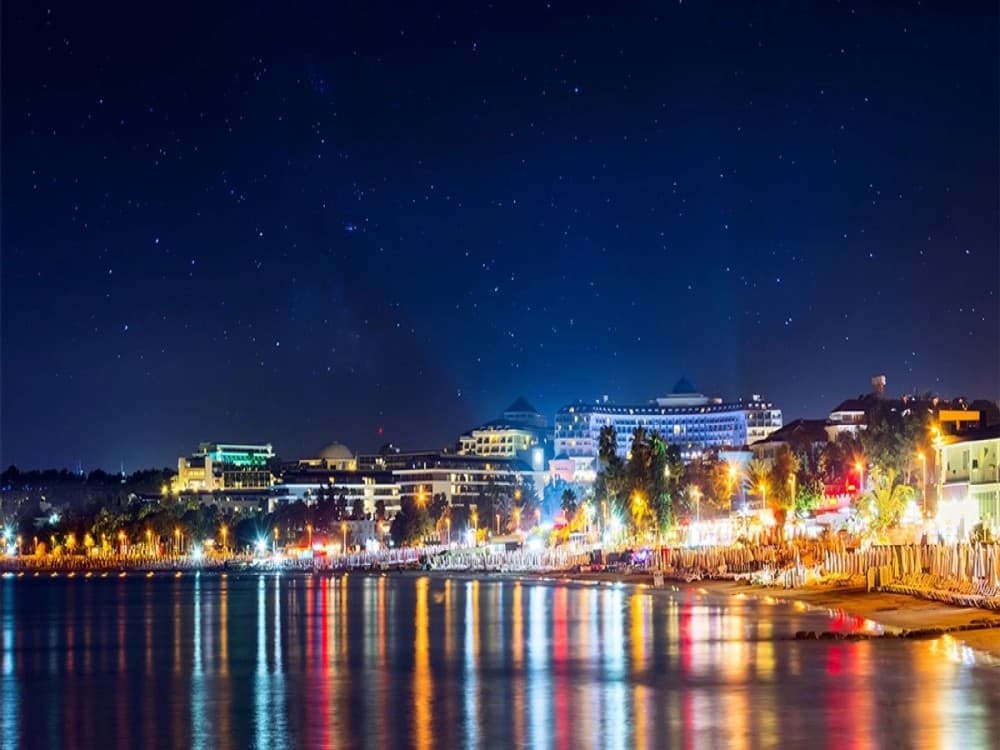
In modern times, Manavgat represents far more than the literal meaning of its name. It is a vibrant town with bustling markets, local neighborhoods, and strong connections to tourism. The surrounding district includes ancient ruins, traditional villages, riverside landscapes, and popular natural attractions like the Manavgat Waterfall. For residents and visitors alike, the name Manavgat has come to symbolize a place where history and nature exist side by side.
Conclusion: Meaning Beyond Translation
So, what does Manavgat mean? The most honest answer is that its original meaning is uncertain. It is likely rooted in ancient languages connected to water and geography, later shaped by centuries of cultural change. Rather than a single translation, Manavgat’s meaning lies in its story. It reflects the flow of time, the importance of the river, and the many civilizations that once called the region home. In this way, Manavgat is a name that carries history within it, continuing to flow forward just like the river that defines it.

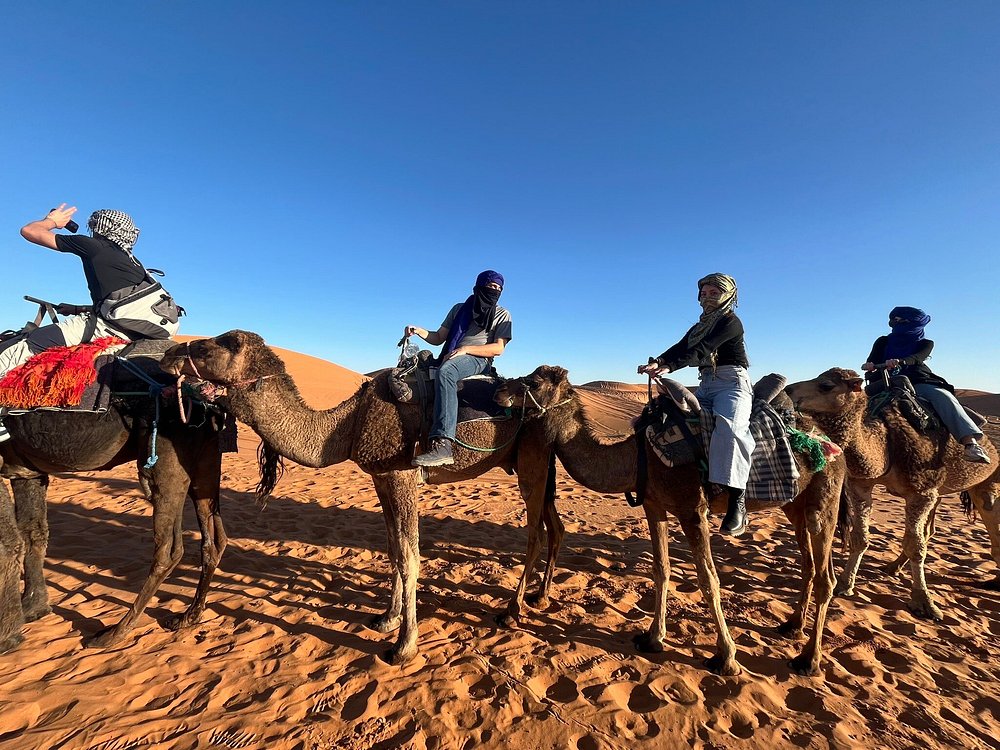 3 Days Desert Tour From Marrakech To Merzouga Dunes & Camel Trek
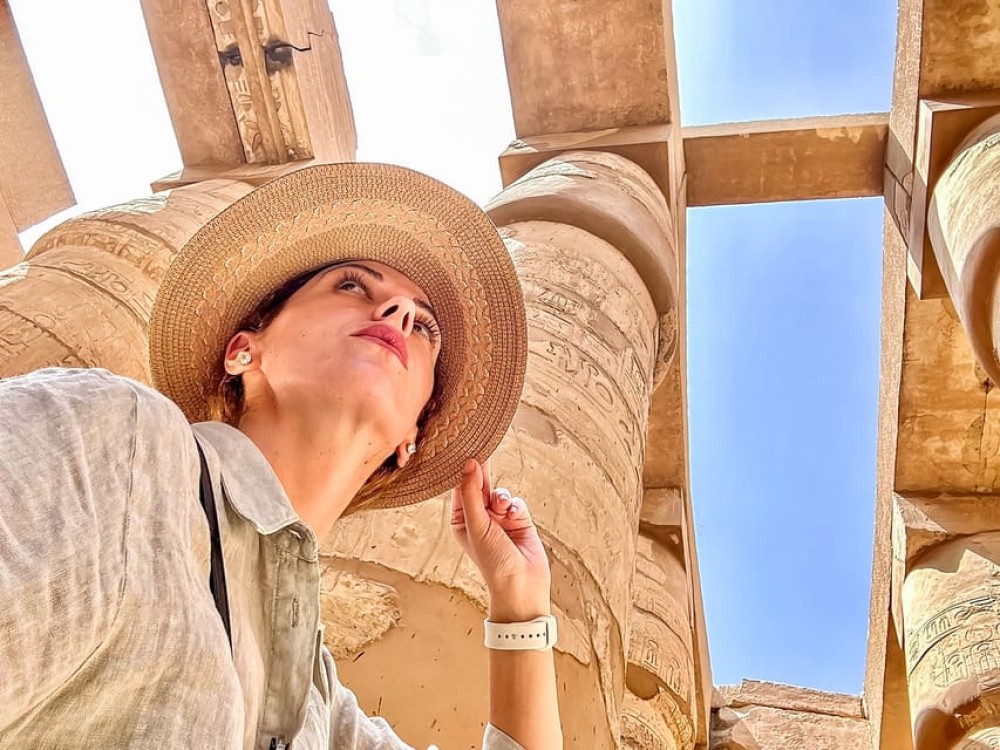 Hurghada: Luxor Valley of the Kings & Tutankhamun Tomb Trip
 Istanbul: Bosphorus Dinner Cruise with Turkish Night Show