Luxor, often called the “world’s greatest open-air museum,” is one of the most historically rich destinations on Earth. With its grand temples, ancient tombs, and continuous archaeological discoveries, many travelers wonder whether Luxor might be the oldest city in the world. While Luxor is undoubtedly one of the world’s oldest continuously inhabited areas, determining whether it is the oldest city involves looking at how cities are defined and what qualifies as continuous settlement. Still, Luxor’s heritage stretches back thousands of years, making it one of humanity’s most remarkable ancient urban centers.
The Origins of Luxor: Ancient Thebes
Luxor stands on the site of ancient Thebes, the powerful capital of Egypt during the Middle and New Kingdom periods. Some of the earliest settlement activity in this region dates back to around 3200 BC. Over the centuries, Thebes grew into a political, cultural, and religious powerhouse, home to the great pharaohs, lavish temples, and the legendary Valley of the Kings.
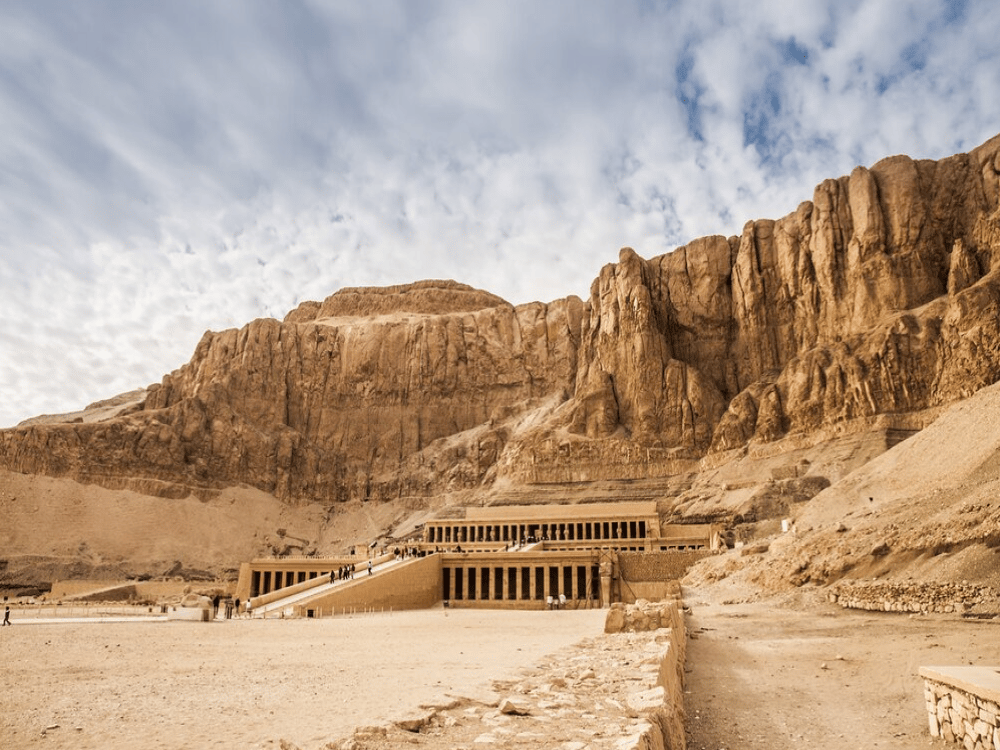
When Egypt’s rulers wanted to build monuments that would last for eternity, Thebes was the chosen place. Kings like Hatshepsut, Amenhotep III, and Ramses II expanded the city with temples so vast that their ruins still amaze millions of visitors today. In this sense, Luxor’s history is not just long—it is deeply influential in shaping ancient Egyptian civilization.
Is Luxor the Oldest City?
Although Luxor is among the oldest inhabited regions, the title of “oldest city in the world” is debated among historians and archaeologists. Several ancient cities—including Jericho, Damascus, and Byblos—claim even earlier continuous settlement histories. Jericho, for example, has archaeological evidence of habitation dating back more than 9,000 years.
However, Luxor’s claim stands strong in other ways. Few places on Earth have such a well-documented ancient urban history with monumental architecture that has survived in such impressive condition. Luxor may not be the absolute oldest city in terms of earliest human settlement, but it is unquestionably one of the oldest major urban and culturally significant cities in human history.
What Makes Luxor So Historically Important?
The distinction of Luxor lies not just in its age but in its impact. As ancient Thebes, it was a center for religion, governance, and monumental art. The city played a pivotal role in shaping Egyptian identity and was home to two of the most iconic temple complexes in the world:
Karnak Temple Complex
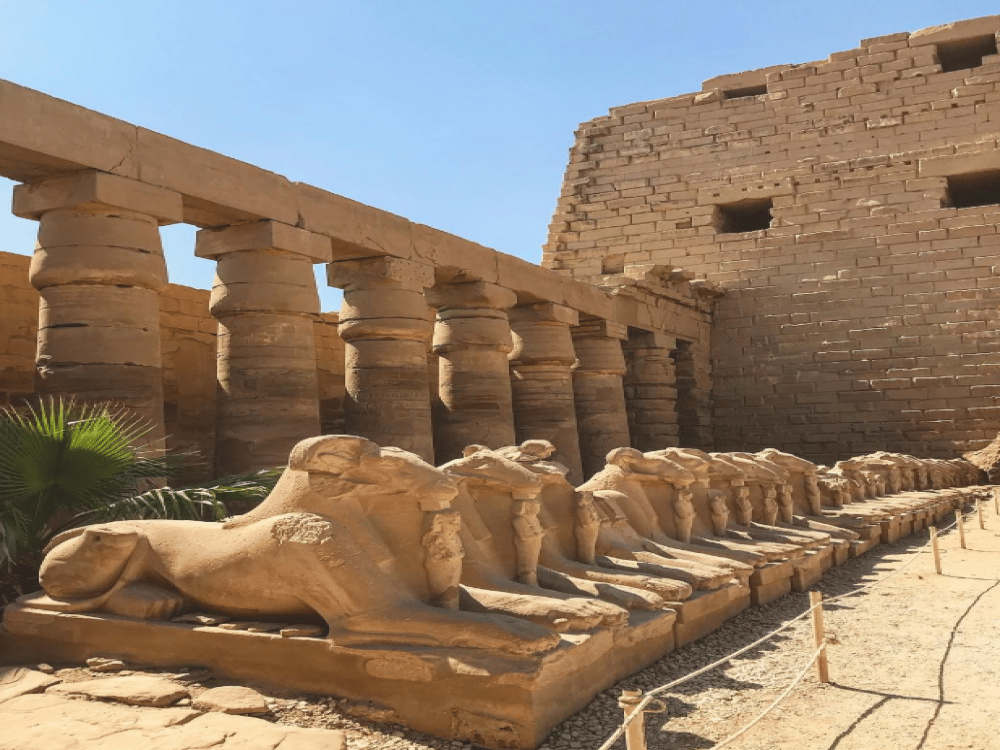
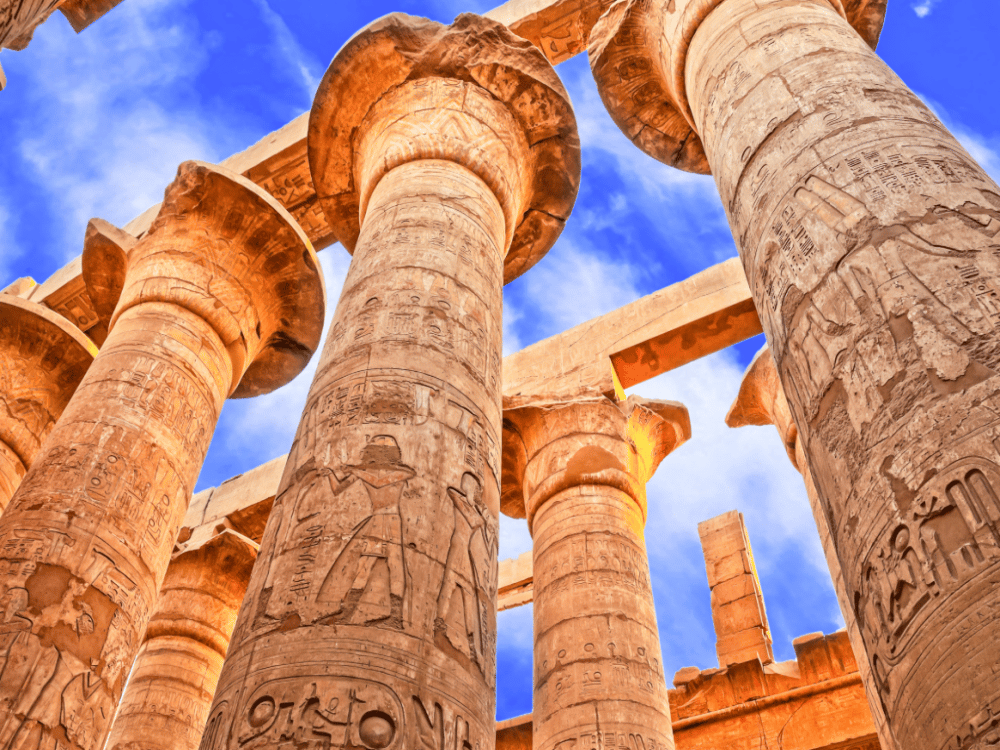
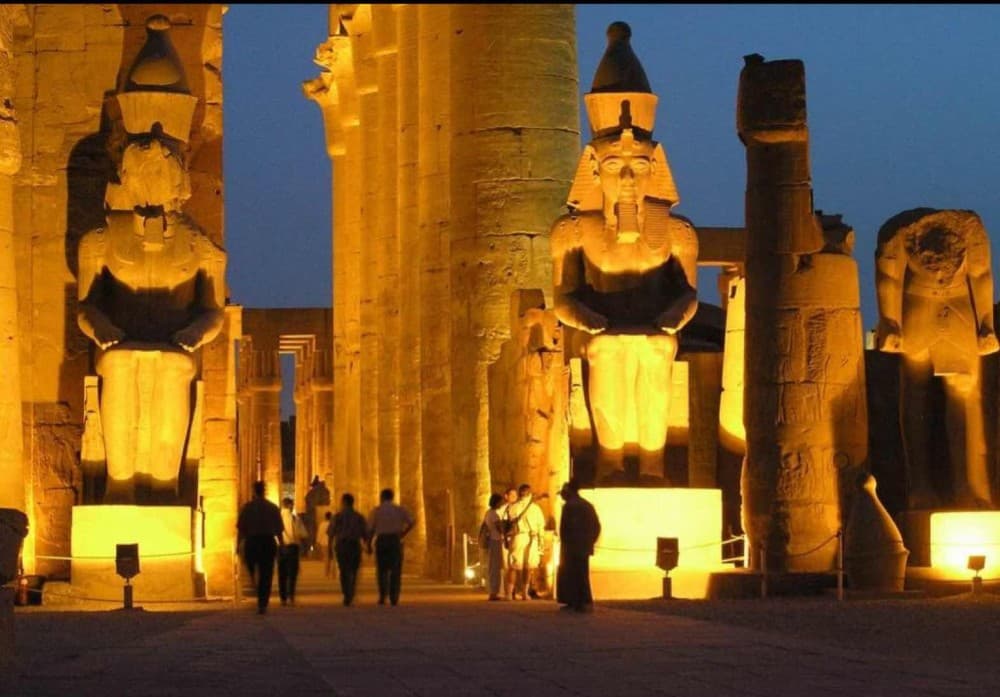
Karnak is one of the largest religious structures ever built. Over 2,000 years, pharaohs added chapels, halls, obelisks, and statues, turning it into a vast ceremonial city dedicated primarily to the god Amun. Walking through the Great Hypostyle Hall today, with its massive towering columns, gives visitors a sense of the power and sophistication of ancient Thebes.
Luxor Temple
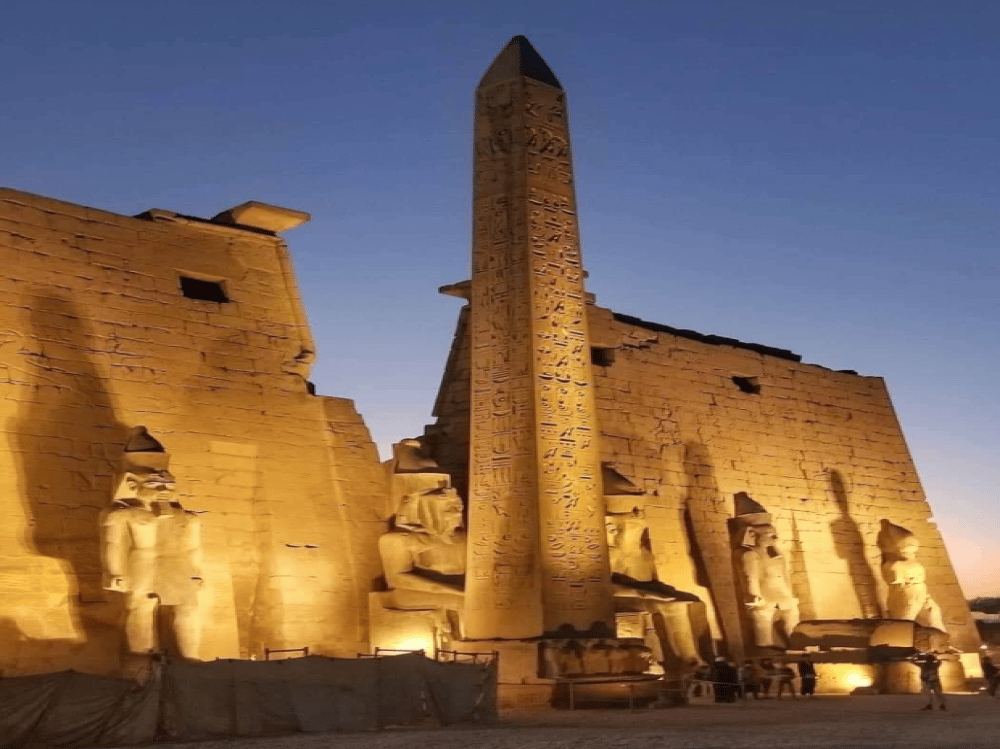
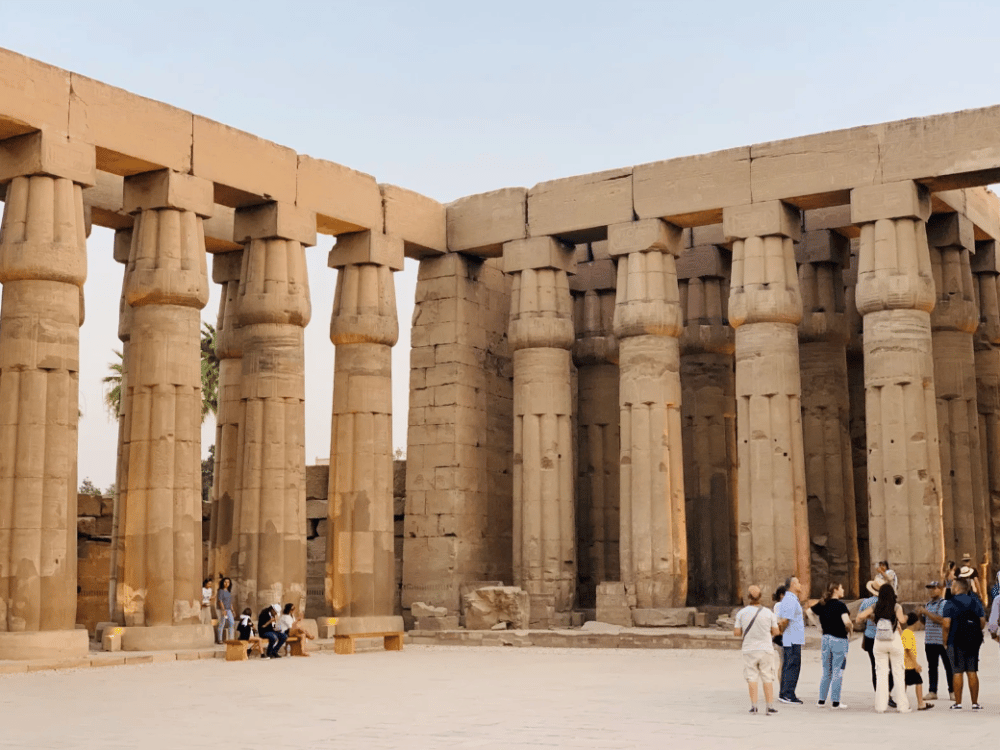
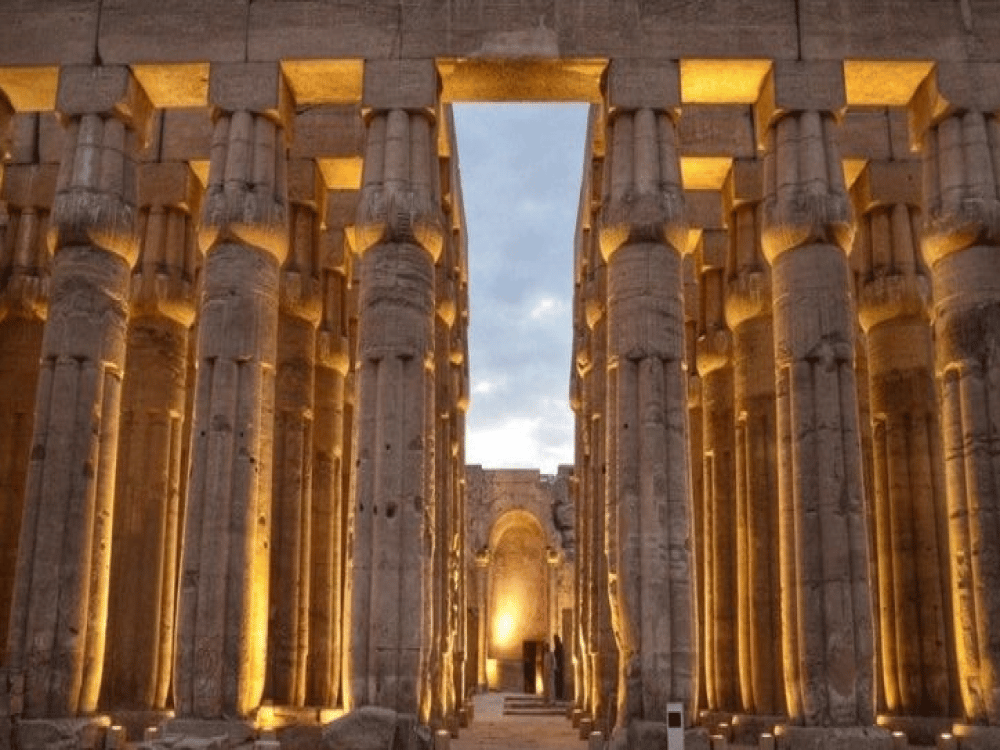
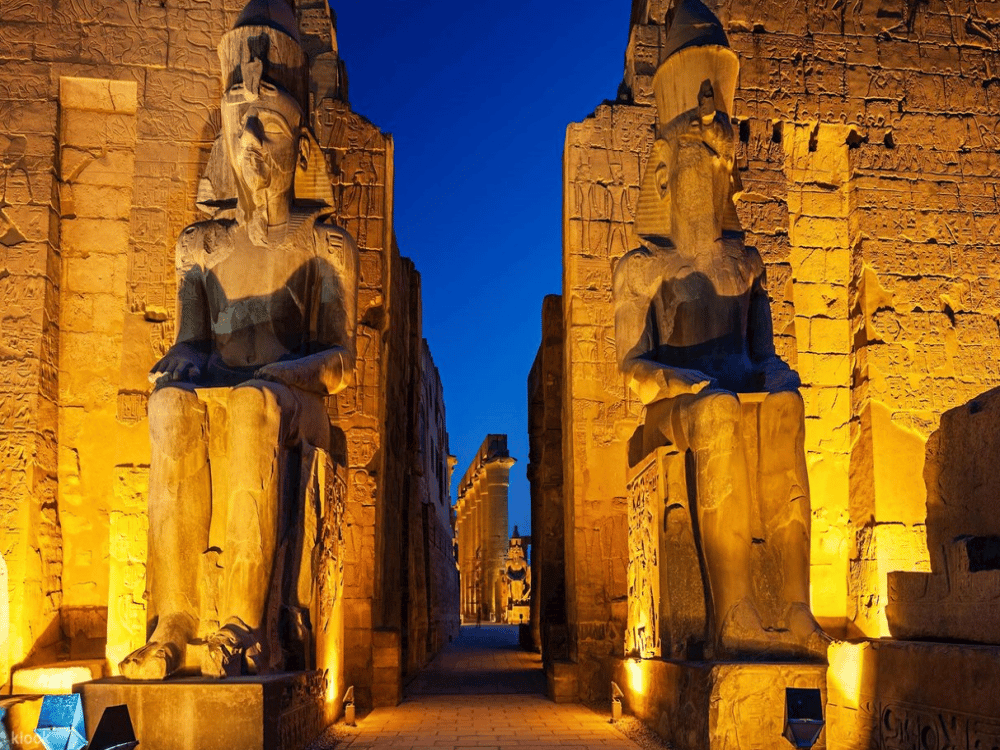
Located in the heart of modern Luxor city, Luxor Temple was dedicated to the rejuvenation of kingship. Pharaohs believed their divine right to rule was linked to ceremonies conducted here. Its statues, sphinx-lined avenues, and beautifully preserved carvings make it one of Egypt’s most atmospheric historical sites.
A City Built Around Life and Death
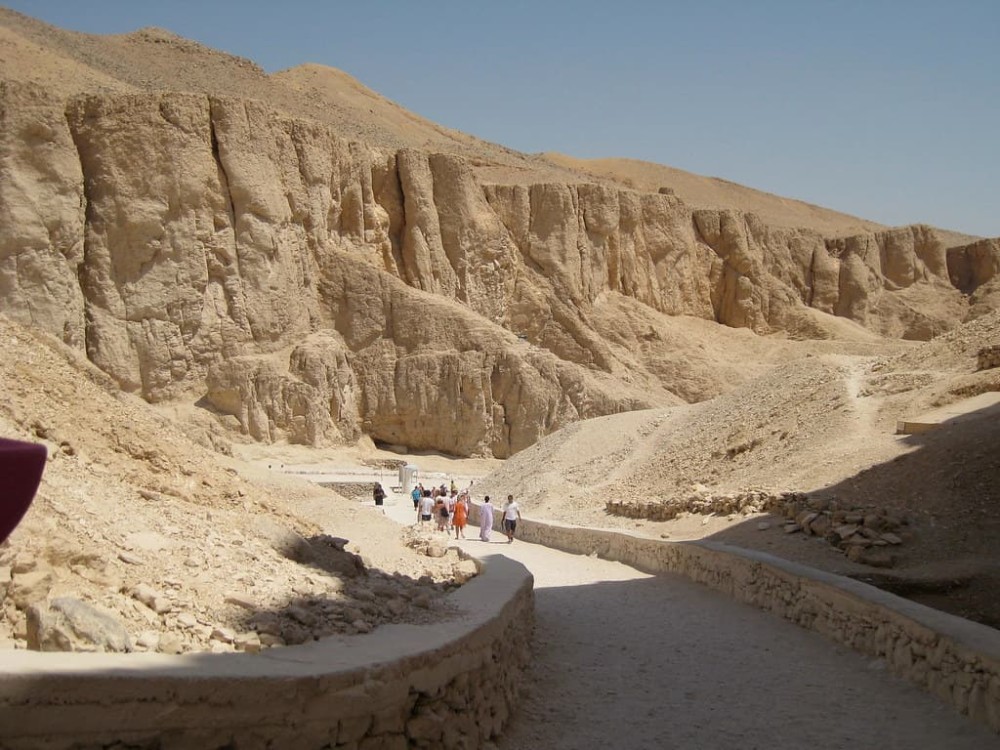
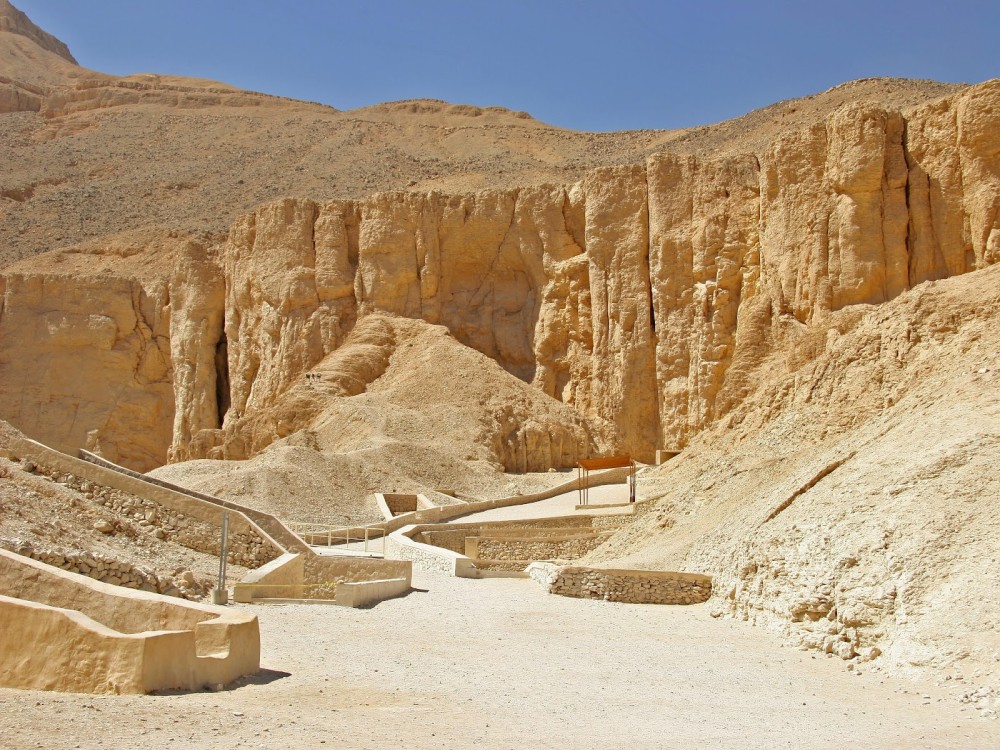
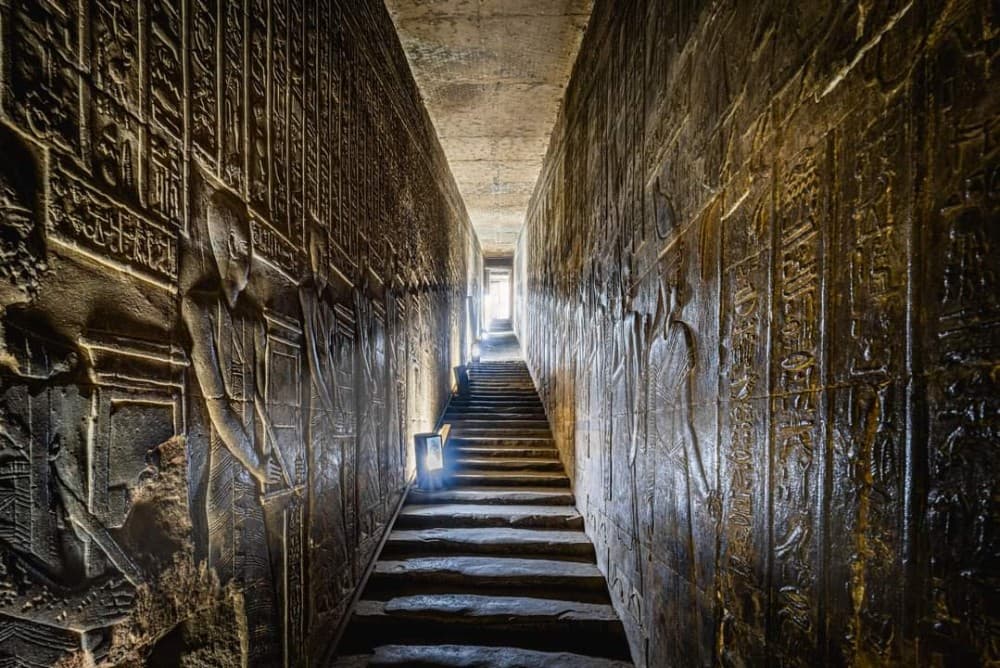
The ancient Egyptians believed deeply in the afterlife, and Luxor became a symbolic landscape divided between life and death. The East Bank, where the sun rises, represented life. This is where the temples of the living gods were built. The West Bank, where the sun sets, symbolized death and the journey to the afterworld. This bank became home to the Valley of the Kings, Valley of the Queens, and the vast necropolises filled with elaborate tombs.
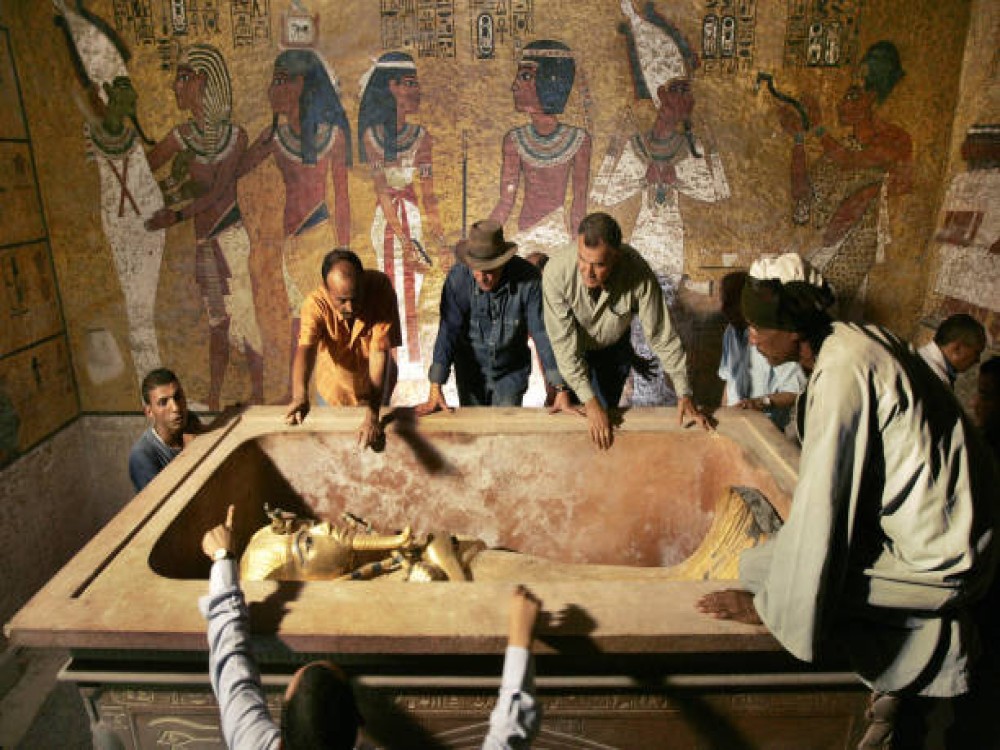
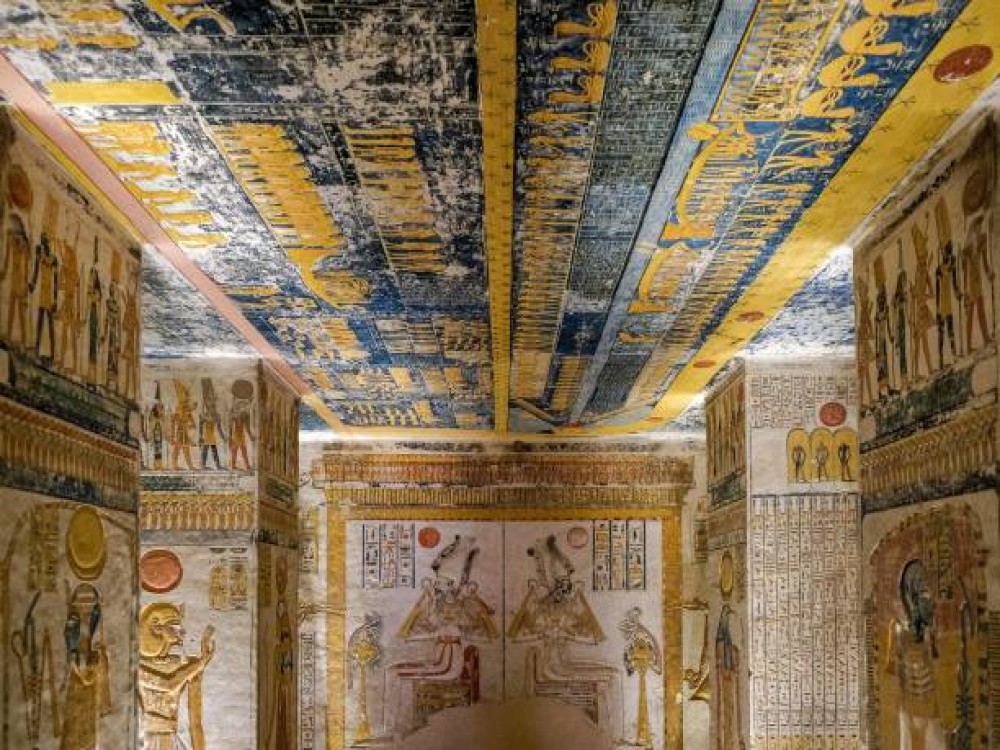
The Valley of the Kings, with its richly decorated burial chambers, includes the famously discovered tomb of Tutankhamun. These archaeological treasures contribute to Luxor’s image as a city where the past still feels alive.
Modern Luxor: A Living City With an Ancient Soul
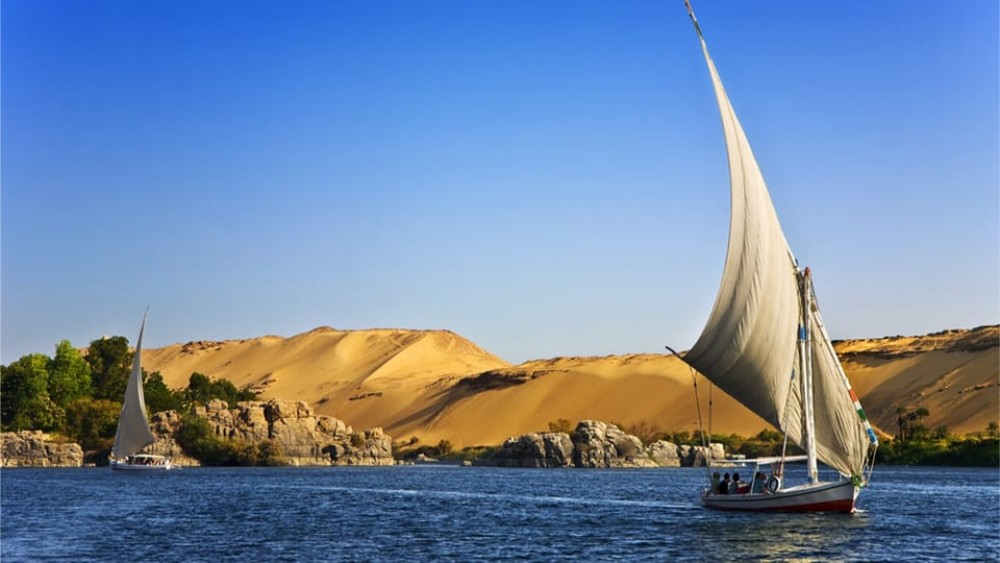
Today, Luxor is a vibrant modern city, home to more than half a million residents. Life moves between ancient temples, bustling markets, the peaceful Nile River, and flourishing agricultural villages. Tourism is a major part of the local economy, but Luxor also retains a strong sense of tradition, especially along the Nile where farmers continue ancient cultivation practices.
Visitors can explore Luxor by foot, boat, horse carriage, or hot-air balloon, experiencing both its ancient wonders and its modern Egyptian charm. The combination of living culture and ancient heritage makes Luxor unique among the world’s historic cities.
So, Is Luxor the Oldest City in the World?
While Luxor may not hold the single title of the oldest continuously inhabited city, it is undeniably one of the most ancient and historically important cities on Earth. Its origins stretch back more than 5,000 years, and the scale of its archaeological remains far surpasses most other ancient settlements.
Few places can match Luxor’s blend of age, cultural significance, monumental architecture, and preservation. For travelers interested in ancient civilizations, Luxor is not just old—it is timeless.
If your goal is to stand in a place where ancient kings ruled, where temples touched the skies, and where history shaped an entire civilization, Luxor remains one of the most extraordinary destinations you can visit.