The Dead Sea in Jordan is one of the most unique natural destinations in the world. Located more than 400 meters below sea level, it is officially the lowest point on Earth. For many travelers, the idea of floating effortlessly on water is reason enough to visit. However, the Dead Sea offers much more than just a famous photo opportunity. From natural wellness benefits to dramatic desert scenery and cultural significance, visiting the Dead Sea in Jordan can be a memorable and worthwhile experience depending on what you are looking for.
The Unique Nature of the Dead Sea
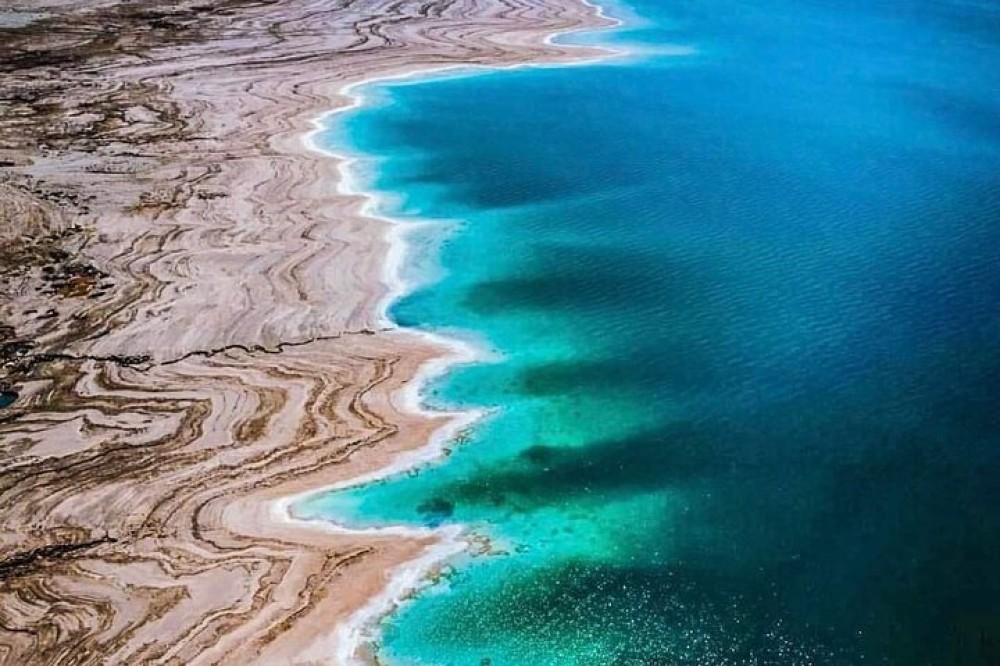
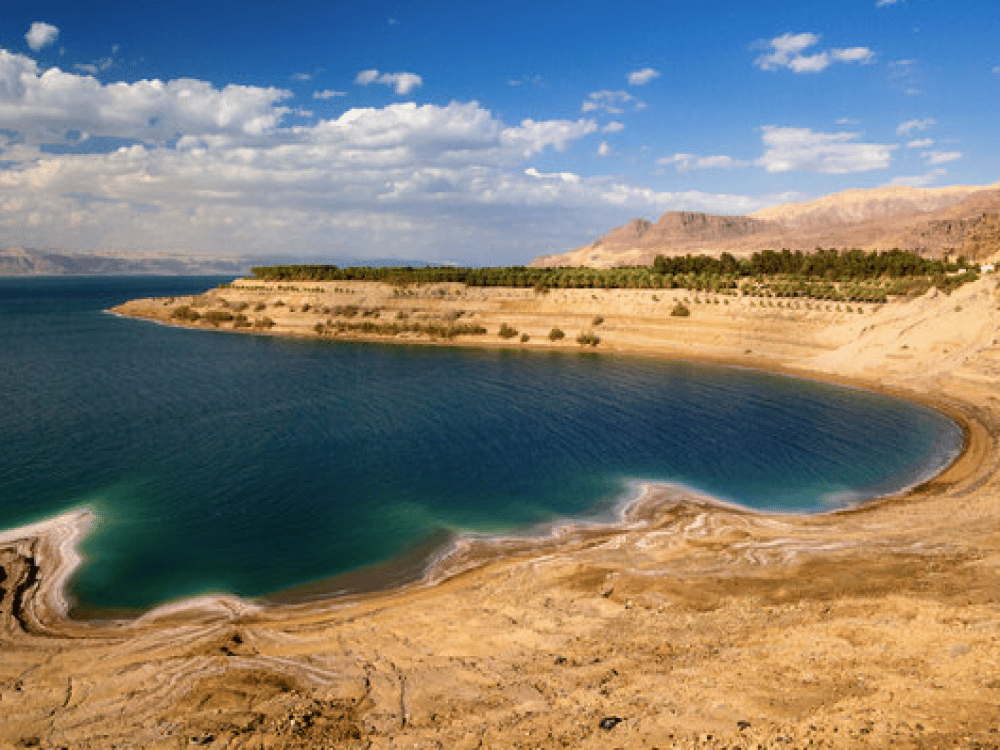
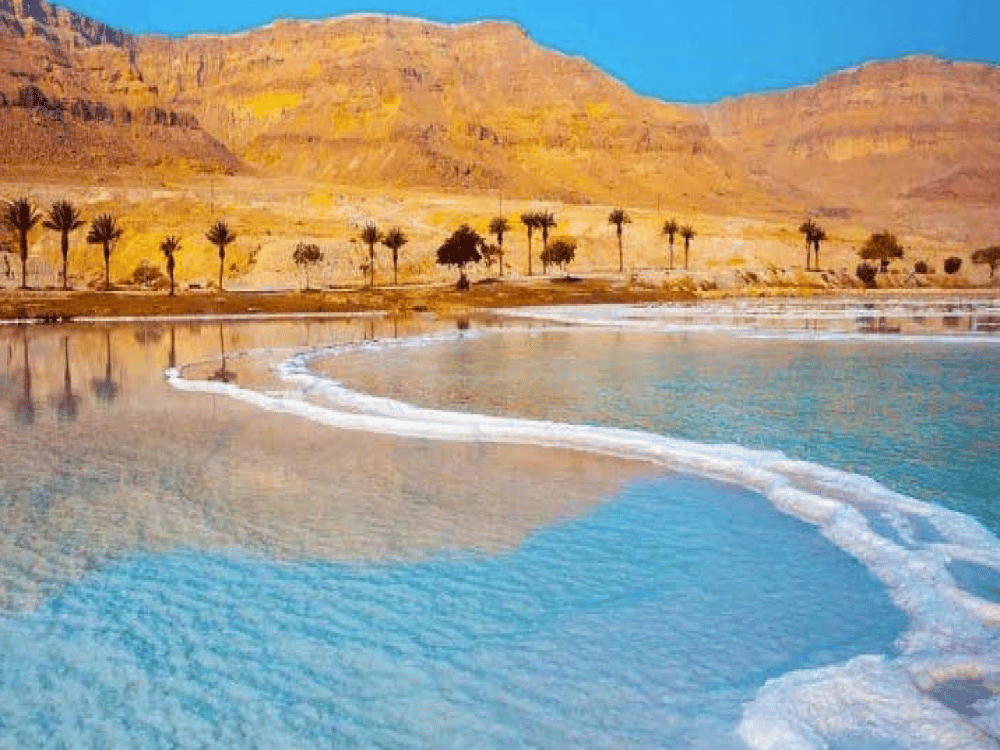
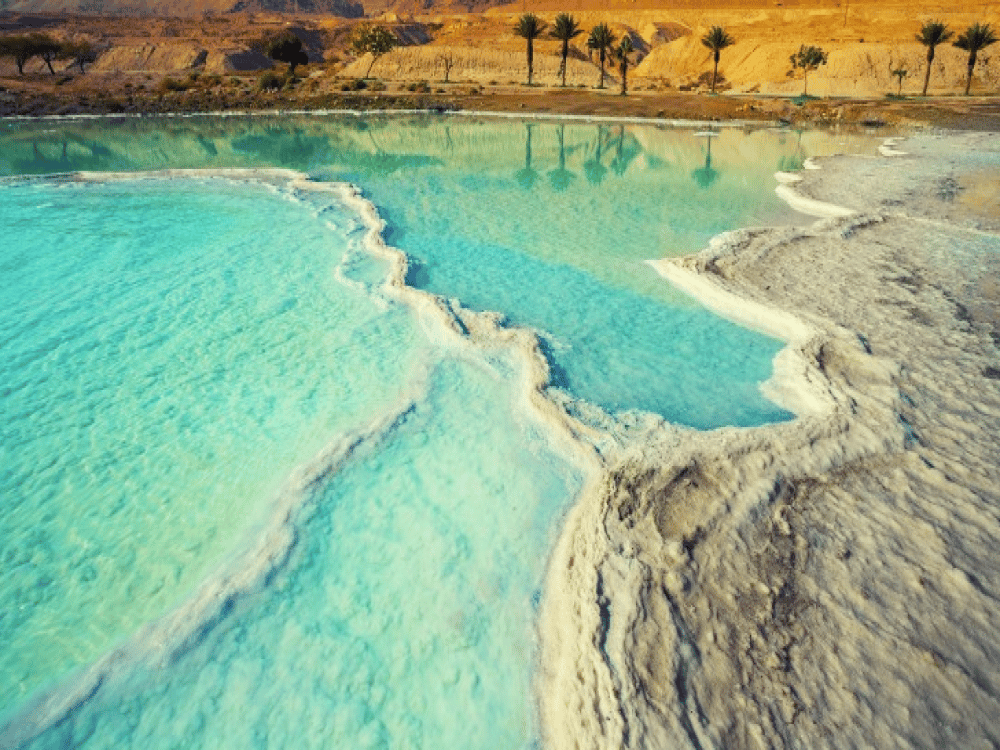
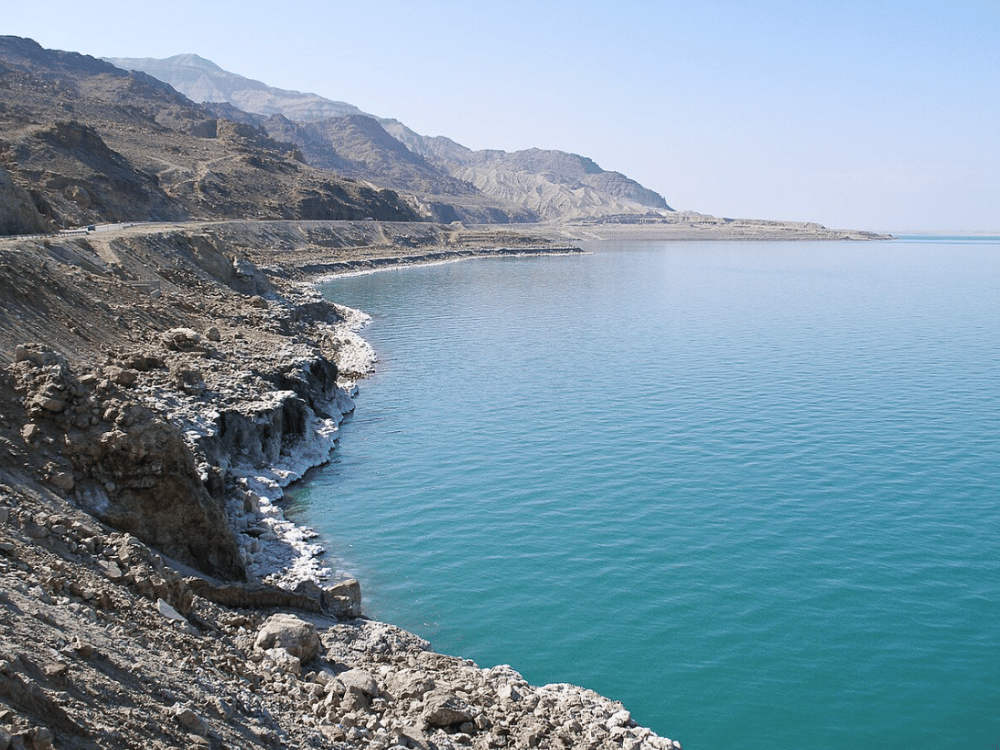
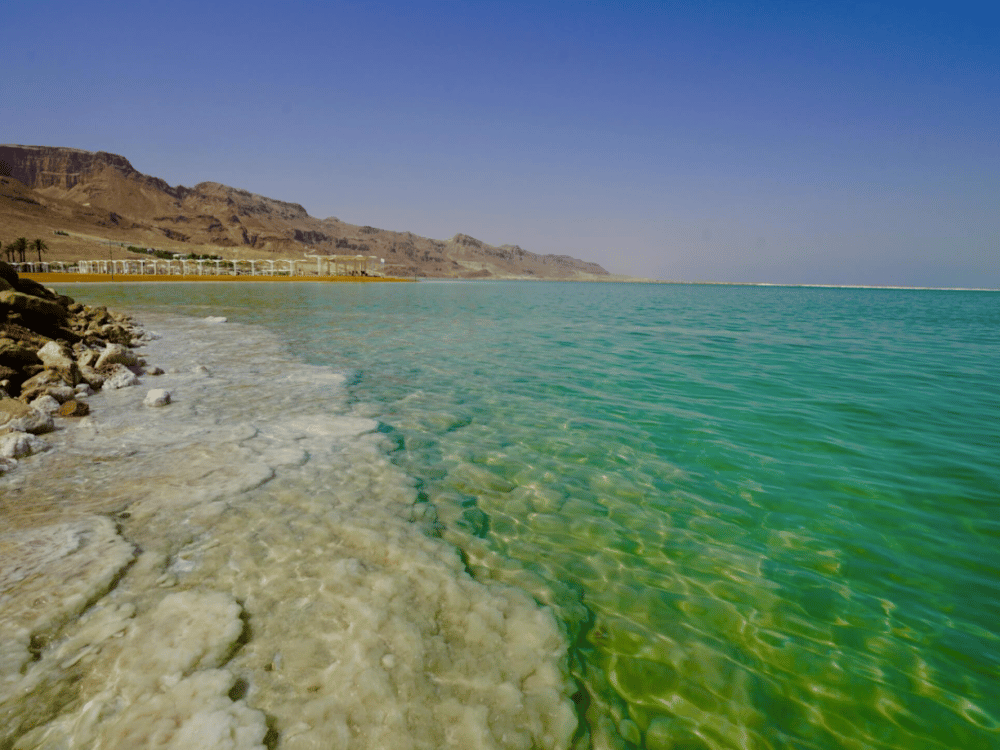
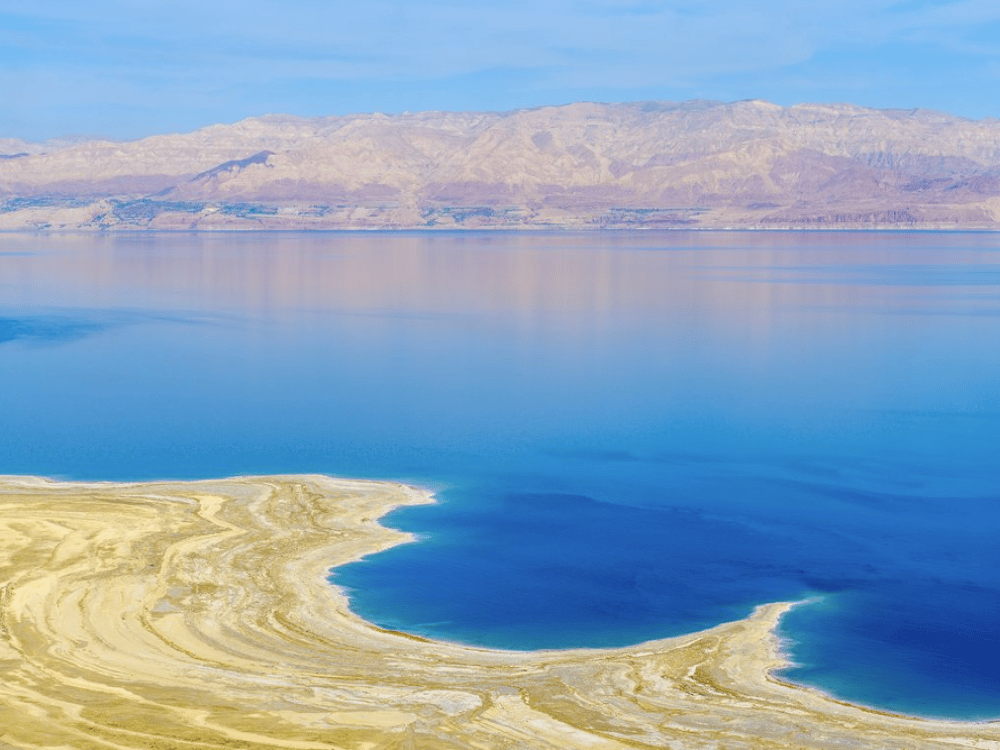
What makes the Dead Sea special is its extremely high salt concentration. The water is so dense that swimming is almost impossible, and visitors naturally float on the surface. This natural phenomenon is not just fun but also scientifically fascinating. The surrounding landscape, with pale blue water contrasting against rocky desert hills, creates a striking and almost surreal environment. The stillness of the area also adds to its appeal, making it feel calm and otherworldly.
Health and Wellness Benefits
One of the biggest reasons people visit the Dead Sea is for its wellness benefits. The mineral-rich mud found along the shoreline is known for its potential benefits for skin conditions such as eczema and psoriasis. Many visitors apply the mud directly to their skin and rinse it off in the sea. The air around the Dead Sea is also believed to be beneficial due to higher oxygen levels and low pollen. Several resorts and spas in the area offer treatments that use Dead Sea salts and mud, making it a popular destination for relaxation and self-care.
Floating in the Dead Sea
Floating in the Dead Sea is a once-in-a-lifetime experience for many travelers. The sensation of lying back and effortlessly staying afloat feels unusual and enjoyable. However, it is important to follow basic safety rules. The water can sting if it gets into your eyes or on open cuts, and it is recommended to stay in the water for short periods. Despite these precautions, most visitors find the experience fun, memorable, and well worth it.
Resorts and Accommodation Options
The Jordanian side of the Dead Sea is known for its well-developed resort area. There are accommodation options ranging from luxury spa resorts to more affordable hotels. Many resorts offer private beach access, pools, spa facilities, and restaurants with views of the sea. Staying overnight allows visitors to enjoy quieter moments early in the morning or at sunset, when the light over the water is especially beautiful. For travelers who prefer not to stay overnight, day passes to resort facilities are often available.
Cultural and Historical Significance
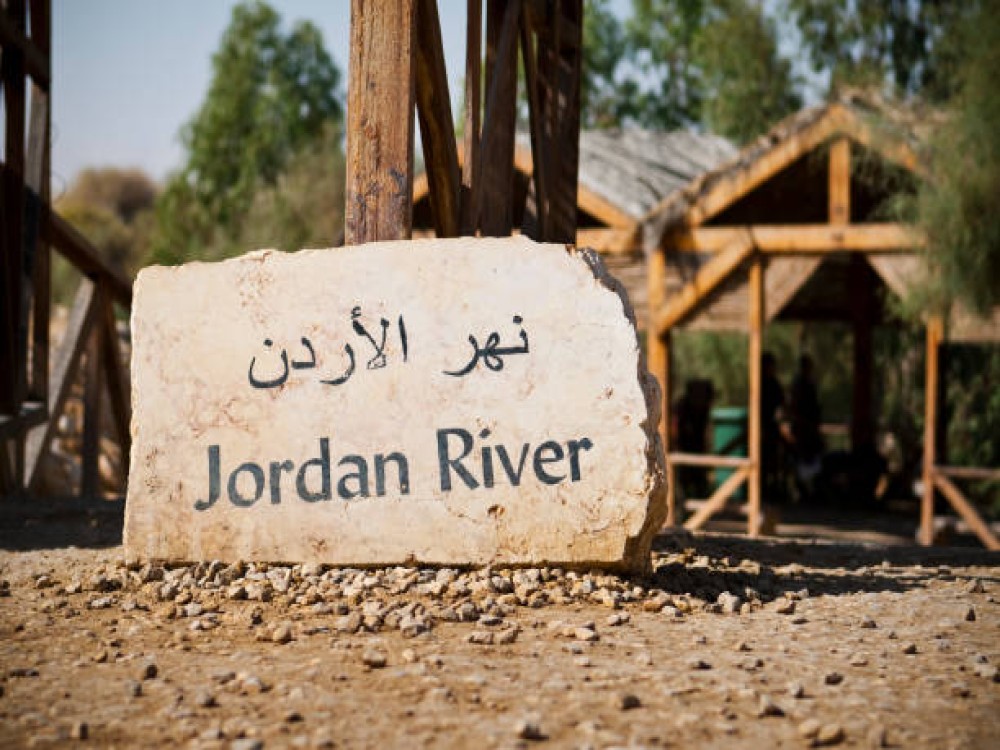
The Dead Sea region is not only about nature and relaxation. It also holds cultural and historical importance. Nearby attractions include Mount Nebo, where Moses is believed to have seen the Promised Land, and the Jordan River, an important religious site. The area has been mentioned in ancient texts and has played a role in regional history for thousands of years. Visiting the Dead Sea can easily be combined with exploring these nearby landmarks, adding depth to the trip.
Accessibility and Travel Practicalities
The Dead Sea is relatively easy to reach from major Jordanian cities. It is about an hour’s drive from Amman and can be visited as a day trip or as part of a longer itinerary. Roads are generally in good condition, and guided tours are widely available. The climate is warm year-round, with very hot summers and mild winters. Many travelers prefer visiting in spring or autumn when temperatures are more comfortable.
Environmental Concerns
While the Dead Sea is a remarkable destination, it is also facing serious environmental challenges. Water levels have been declining for decades due to water diversion from the Jordan River and mineral extraction. This has led to visible changes in the landscape, including sinkholes in some areas. Visiting the Dead Sea also raises awareness about these issues, and many resorts and organizations are now promoting more sustainable tourism practices.
Is It Worth Visiting?
Whether the Dead Sea in Jordan is worth visiting depends on your travel interests. If you enjoy unique natural wonders, relaxation, wellness experiences, and striking landscapes, the Dead Sea is absolutely worth including in your itinerary. It may not be a place where you spend many days exploring, but even a short visit can leave a strong impression. For many travelers, floating on the Dead Sea and experiencing its atmosphere is something they remember long after their trip ends.
Final Thoughts
The Dead Sea in Jordan offers a rare combination of natural beauty, health benefits, and cultural significance. It is not just a tourist attraction but a destination that feels truly different from anywhere else in the world. While it may not appeal equally to every traveler, for most visitors it proves to be a unique and worthwhile stop that adds something special to a journey through Jordan.