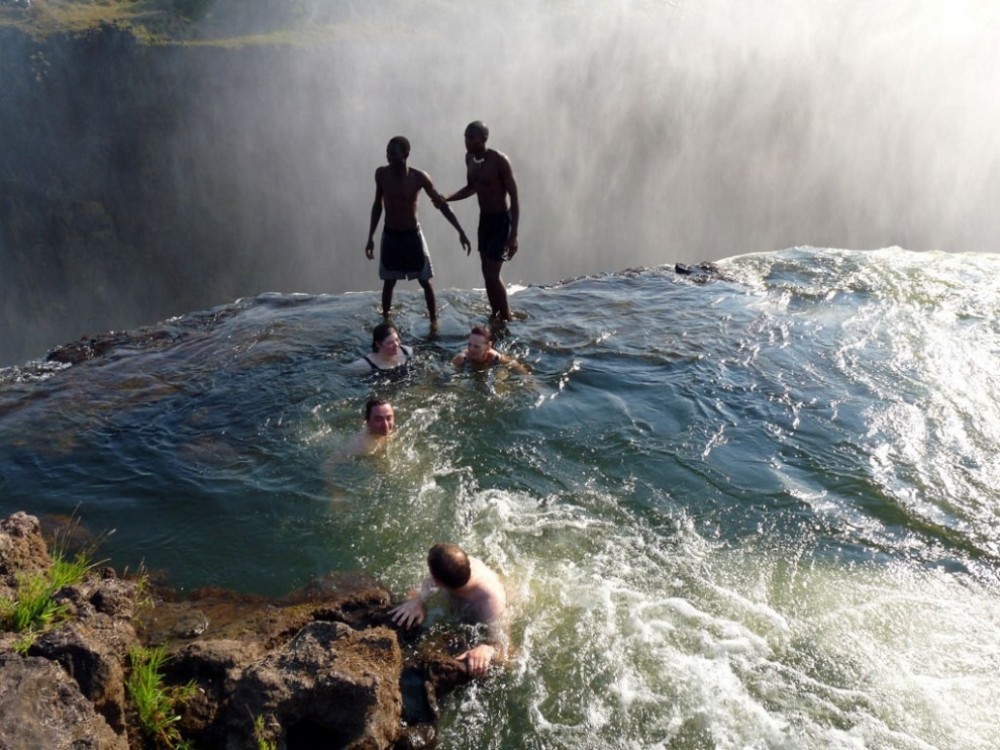
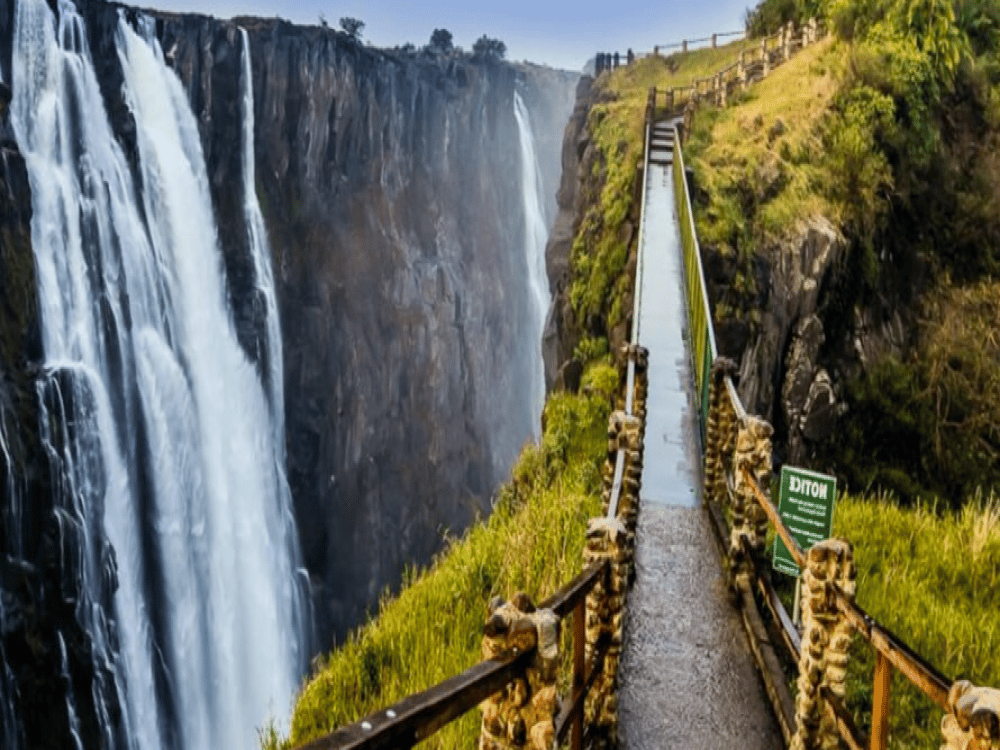
Livingstone is one of Zambia’s most popular tourist destinations, best known as the gateway to the iconic Victoria Falls. With its relaxed atmosphere, friendly locals, and strong tourism infrastructure, many travelers wonder whether it is safe to walk around the city on foot. The short answer is yes—Livingstone is generally safe for tourists, especially in well-traveled areas—but, like anywhere in the world, safety depends on awareness, timing, and location.
Understanding Livingstone’s Overall Safety
Livingstone is considered one of the safer towns in Zambia, largely because tourism plays a major role in the local economy. Hotels, tour operators, and restaurants rely on international visitors, so there is a strong incentive to maintain a welcoming and secure environment. Violent crime against tourists is rare, and most visits are trouble-free.
That said, petty crime such as pickpocketing or bag snatching can occur, particularly in crowded areas or when travelers are distracted. These incidents are not unique to Livingstone and are comparable to what you might experience in many tourist cities around the world.
Walking During the Day
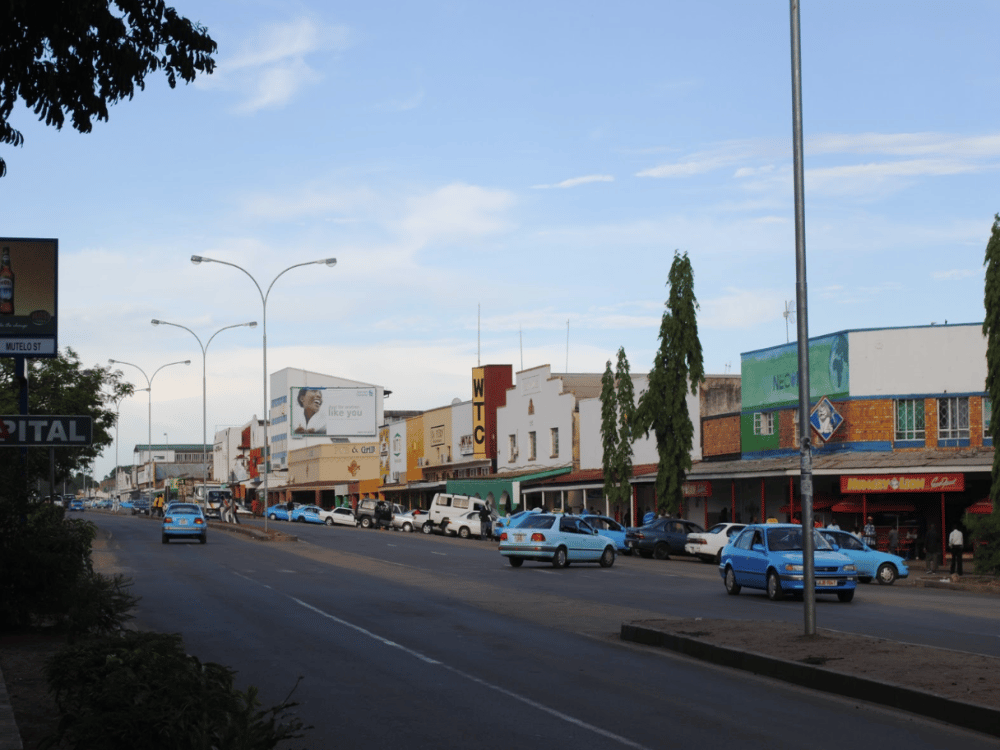
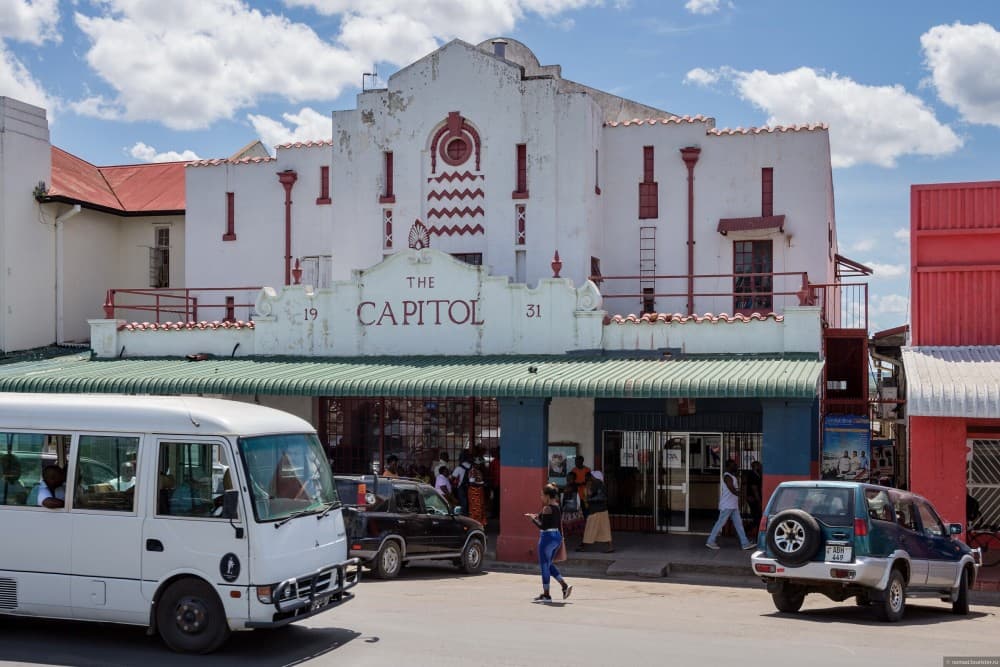
Walking around Livingstone during daylight hours is generally safe, especially in central areas and places frequented by tourists. The town center, the area around Mosi-oa-Tunya Road, and routes near major hotels, cafés, and shops are usually busy and well-patrolled. Many visitors enjoy walking to local markets, restaurants, or tour offices without issues.
Daytime walking is also a great way to experience local life. You’ll often encounter friendly greetings, schoolchildren, and vendors offering crafts or taxi services. As long as you stay alert, keep your belongings secure, and avoid displaying expensive items like large cameras or jewelry, walking during the day is considered low risk.
Walking at Night
At night, the situation changes slightly. While Livingstone is not known for widespread nighttime violence, walking after dark is generally not recommended, especially if you are unfamiliar with the area. Streets can be poorly lit, and sidewalks may be uneven or unpaved, increasing the risk of accidents as well as opportunistic crime.
Most hotels and lodges advise guests to use taxis in the evening, even for short distances. Taxis are affordable and widely available, and hotels can usually arrange trusted drivers. If you do choose to walk at night, it’s best to stay in groups, stick to well-lit main roads, and avoid quiet residential areas.
Safe and Less Safe Areas
Tourist-friendly neighborhoods around major hotels, lodges, and attractions are typically the safest places to walk. Areas close to Victoria Falls, the Livingstone Museum, and popular restaurants are accustomed to visitors and tend to have more security presence.
More remote residential areas, especially those far from the town center, may not be ideal for casual walking, particularly for first-time visitors. This doesn’t mean these neighborhoods are dangerous, but they are less accustomed to tourists and may lack lighting, signage, or clear walking routes.
Local Attitudes Toward Tourists
One of Livingstone’s biggest strengths is its people. Zambians are widely known for their warmth and hospitality, and Livingstone is no exception. Locals are often happy to help with directions or recommendations, and harassment of tourists is uncommon.
However, as in many tourist towns, you may encounter street vendors or guides offering services. These interactions are usually polite and non-aggressive. A friendly but firm “no, thank you” is typically respected.
Health and Practical Considerations
Safety isn’t only about crime. When walking around Livingstone, it’s important to consider health and environmental factors. The climate can be hot, especially during the dry season, so staying hydrated and using sun protection is essential. Comfortable walking shoes are also important, as sidewalks can be uneven.
Stray dogs and livestock occasionally wander into streets, particularly outside the town center. While they are usually harmless, it’s best to keep a respectful distance.
Tips for Walking Safely in Livingstone
Staying safe in Livingstone largely comes down to common sense. Walk confidently, know where you’re going, and avoid using your phone excessively in public. Keep valuables out of sight and carry only what you need for the day. Listening to advice from hotel staff or local guides can also make a big difference, as they understand current conditions and can suggest safe routes.
Final Thoughts
Livingstone is a welcoming and relatively safe destination for travelers, and walking around the city can be an enjoyable way to experience its culture and daily life. During the day, most visitors feel comfortable exploring on foot, especially in central and tourist-focused areas. At night, using taxis is the safer and more convenient option.
With basic precautions and an awareness of your surroundings, walking around Livingstone is not only safe but also rewarding. For many travelers, the combination of natural beauty, friendly locals, and a relaxed pace makes Livingstone one of southern Africa’s most pleasant towns to explore.