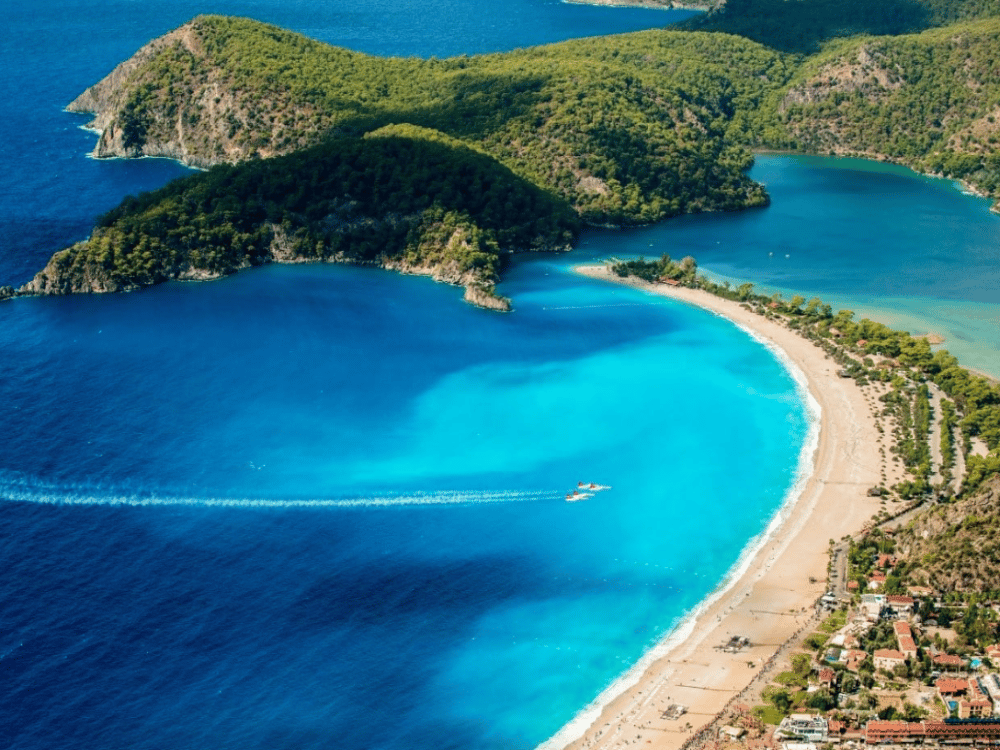
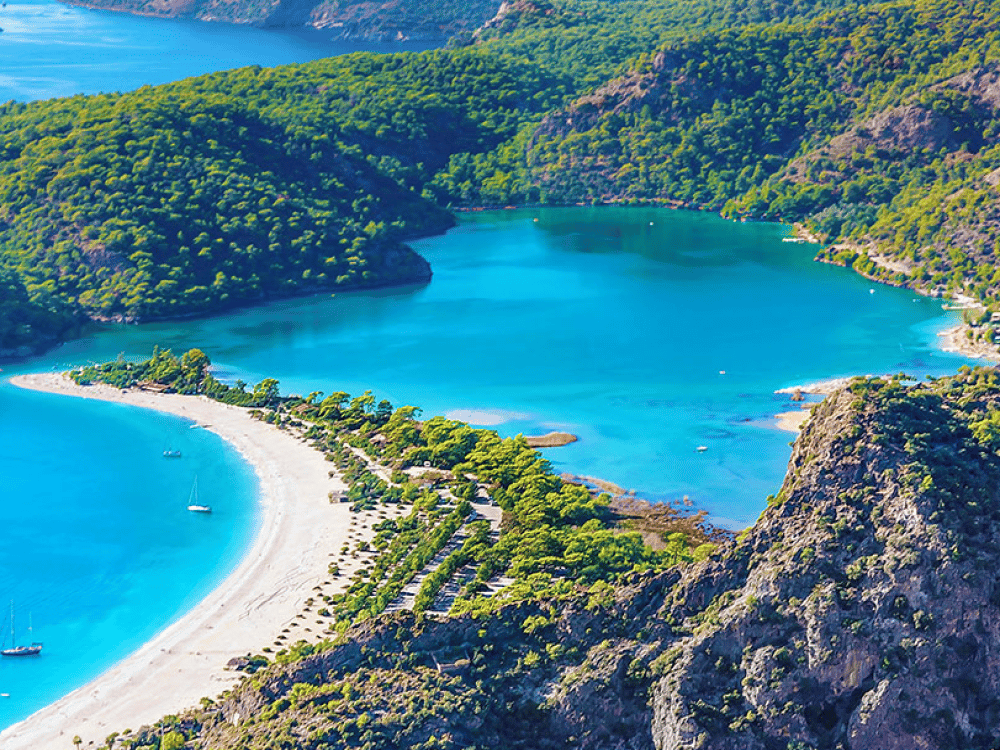
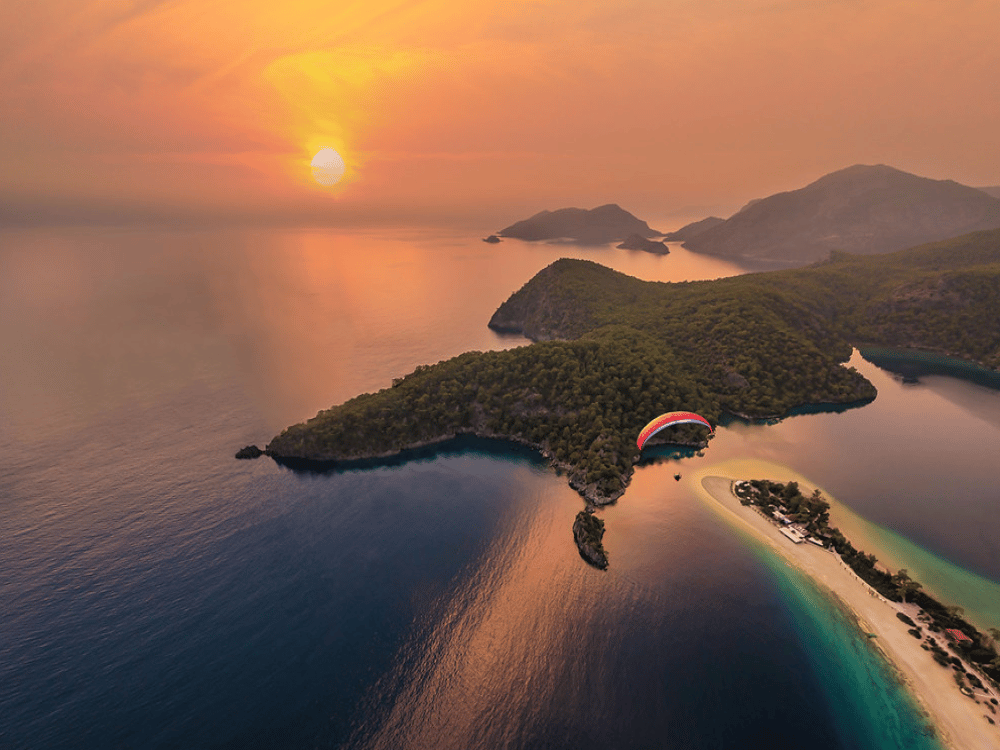
Nestled on the southwestern coast of Türkiye, Oludeniz is one of the most iconic beach destinations in the Mediterranean. Known for its turquoise waters, dramatic mountain backdrop, and the famous Blue Lagoon, it’s no surprise this beach draws visitors from all around the world. But with beauty comes questions—especially about safety in the water. If you’re planning a visit and wondering, “Is it safe to swim in Oludeniz?”, this guide covers everything you need to know for a safe, enjoyable beach day.
Overview: Swimming Conditions in Olüdeniz
Generally Calm and Inviting Waters
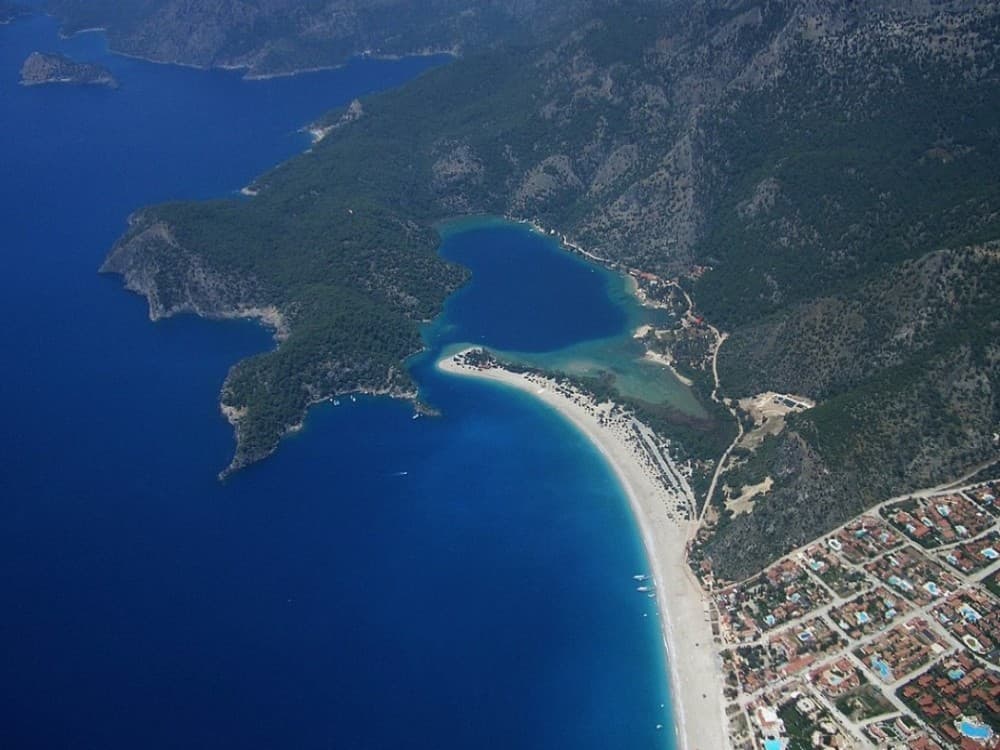
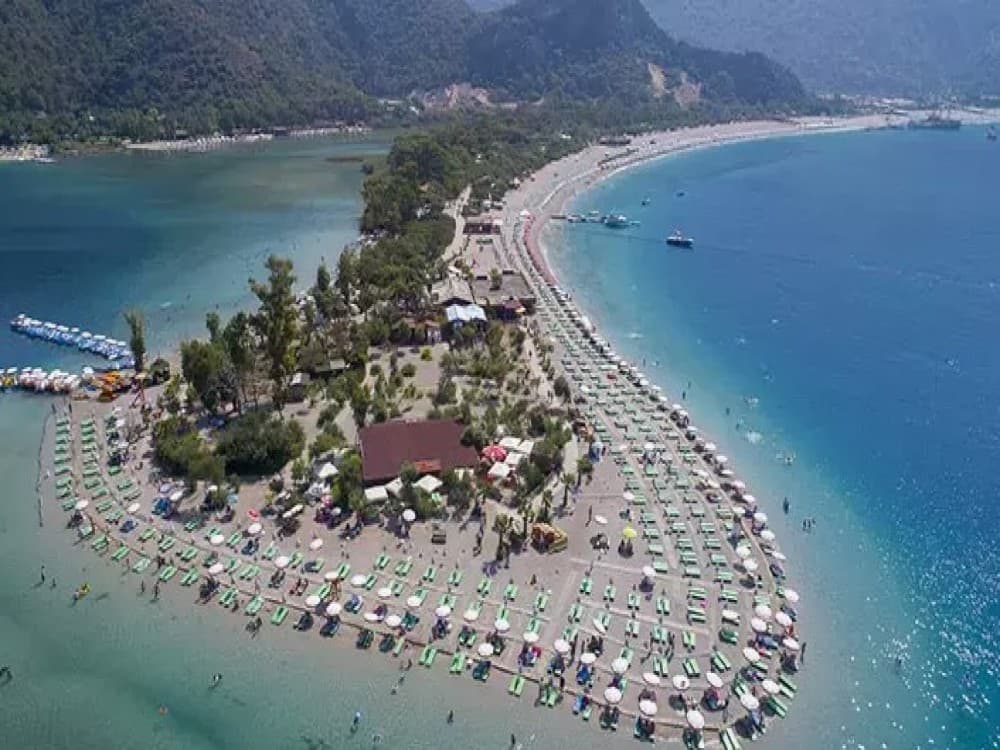
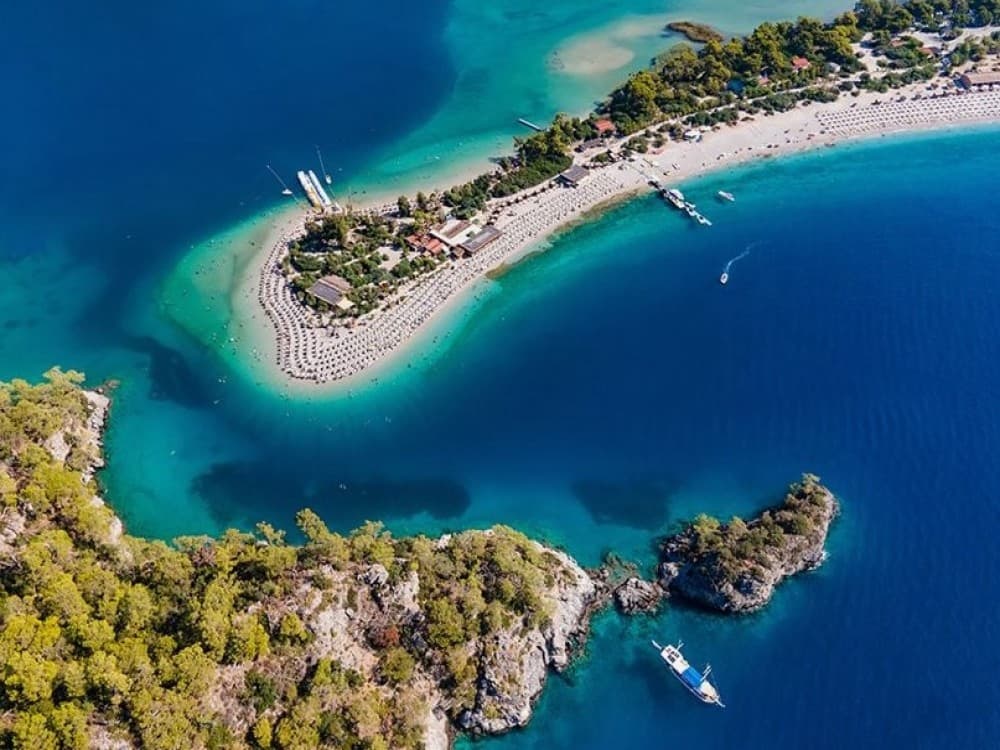
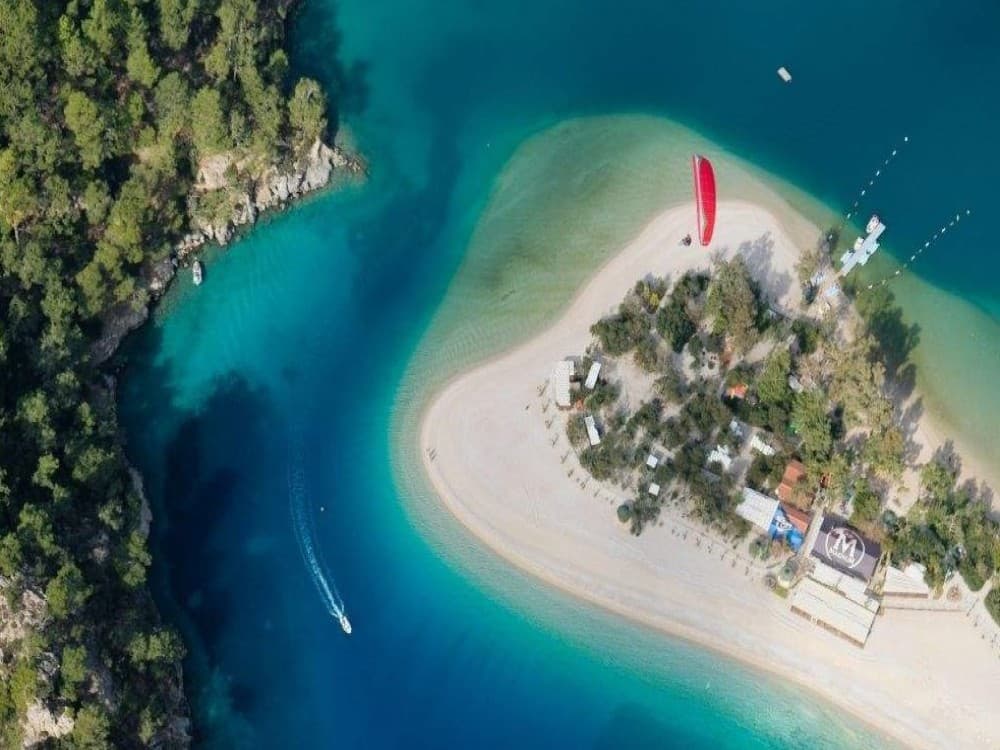
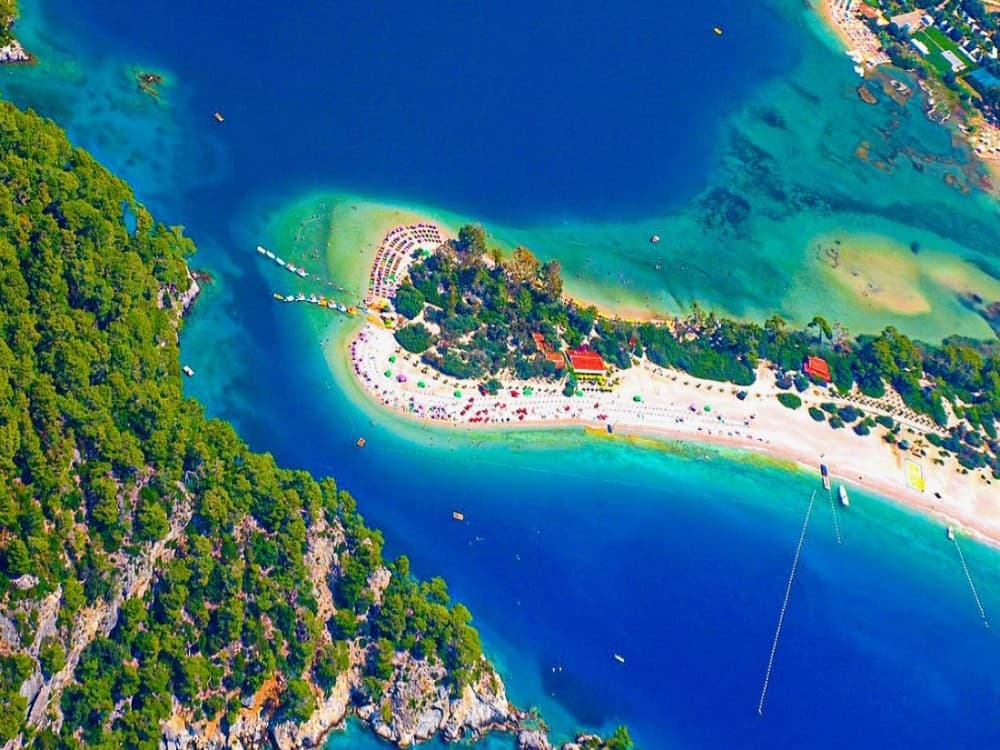
The sea at Oludeniz is famously calm and clear—especially in the Blue Lagoon (Kumburnu) area. The lagoon is protected by a sandbar that minimizes wind and waves, creating a tranquil swimming environment that feels almost like a natural pool.
This sheltered water makes it ideal for:
Families with children
Beginner swimmers
Relaxing, easy swimming
Snorkeling or floating around
Main Beach vs. Lagoon
There are essentially two “swimming zones” you should know about:
Blue Lagoon (Kumburnu)
Extremely calm and shallow waters
Perfect for children and less confident swimmers
Often regarded as one of the safest swimming spots in Turkey due to limited waves and minimal currents
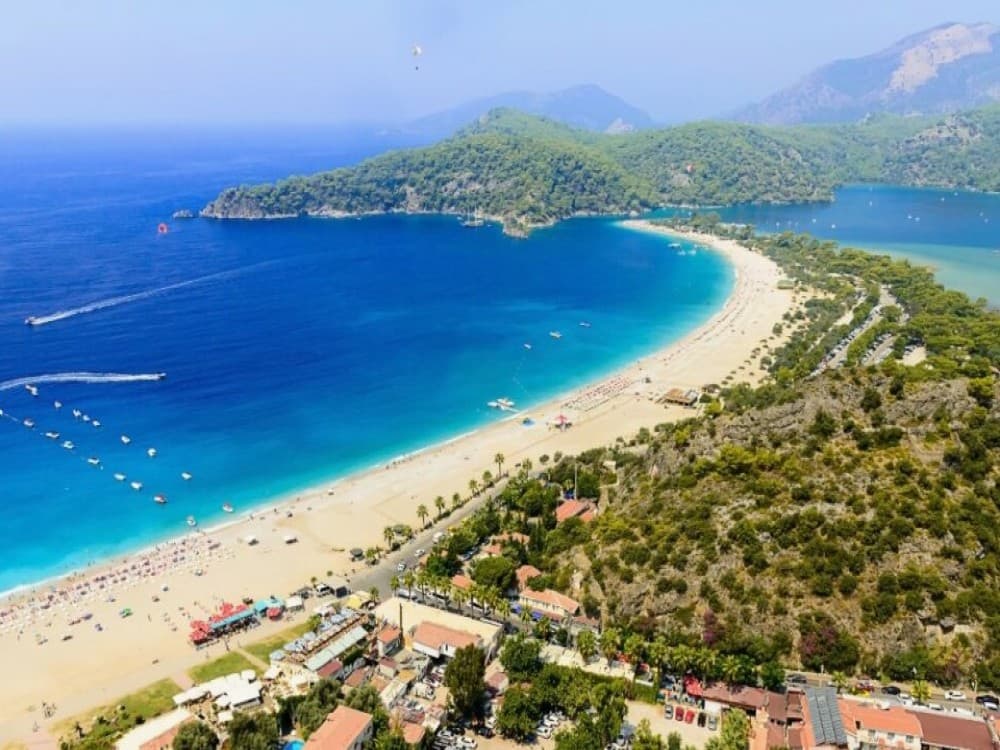
Belcekız / Main Oludeniz Beach
Faces more open sea
Water is still mild, but can get deeper and occasionally wavier than the lagoon side
Pebbly shore, so water shoes help when entering/exiting the water
???? Safety Factors to Consider
Currents & Waves
Thanks to its unique bay geography, Oludeniz rarely has dangerous currents, especially inside the lagoon. Currents can be slightly stronger further out into the open sea, but they are still generally mild compared to many other coastal spots in the Mediterranean.
That said:
In very windy weather, open sea areas near Belcekız Beach can see small waves.
Always swim in designated zones, and listen to locals and any signs posted—especially if weather conditions change.
Ocean Floor & Entry
The beach is mainly pebble and shingle, which many visitors find charming but can make getting in and out of the water a bit slippery or uncomfortable. Wearing water shoes is highly recommended to protect your feet from pebbles and uneven surfaces.
Marine Life
There are no dangerous marine animals such as sharks in Oludeniz. Most encounters are with small fish or crabs, and occasionally jellyfish, especially in late summer—nothing typically harmful, but something to be mindful of.
A local travel safety tip also emphasizes wearing rubber water shoes if you’re exploring rockier or boat-access areas to avoid stepping on creatures like sea urchins.
Sun & Heat
It gets hot in Oludeniz, especially in midday summer months. While this doesn’t affect water safety directly, sun exposure and heatstroke are real concerns. Be sure to:
Use high-SPF sunscreen
Wear a hat and sunglasses
Stay hydrated, especially if you’re spending extended time in and out of the water
Practical Safety Tips
Whether you’re a seasoned swimmer or just paddling in, here are some simple best practices:
Swim in Designated Areas
Especially near the lagoon, keep within the areas marked for swimming, away from boat lanes or water sports zones.
Watch for Weather Changes
Even calm bays can turn a bit windy later in the afternoon. Wind can create waves and surface movement that may feel stronger than expected.
Consider a Life Jacket
If you aren’t confident in deeper water, especially off the main beach, wearing a life jacket or floatation device gives extra peace of mind.
Stay Aware of Sun & Fatigue
You’re more at risk from heat exhaustion than from hazardous water conditions in most cases, so take breaks, hydrate often, and rest in the shade when needed.
Final Verdict: Yes — It’s Safe to Swim in Olüdeniz
If you follow basic water safety practices, Oludeniz is one of the safest and most enjoyable swimming spots you’ll find in Türkiye. Its calm waters, family-friendly lagoon, and clear sea make it a standout beach destination.
Just remember:
The Blue Lagoon is ideal for relaxed, safe swimming.
The main beach offers a more “classic sea” experience but still stays relatively calm.
Watch your step on the pebbles and take basic precautions for heat and water entry.

 3 Days Desert Tour From Marrakech To Merzouga Dunes & Camel Trek
 Hurghada: Luxor Valley of the Kings & Tutankhamun Tomb Trip
 Istanbul: Bosphorus Dinner Cruise with Turkish Night Show